



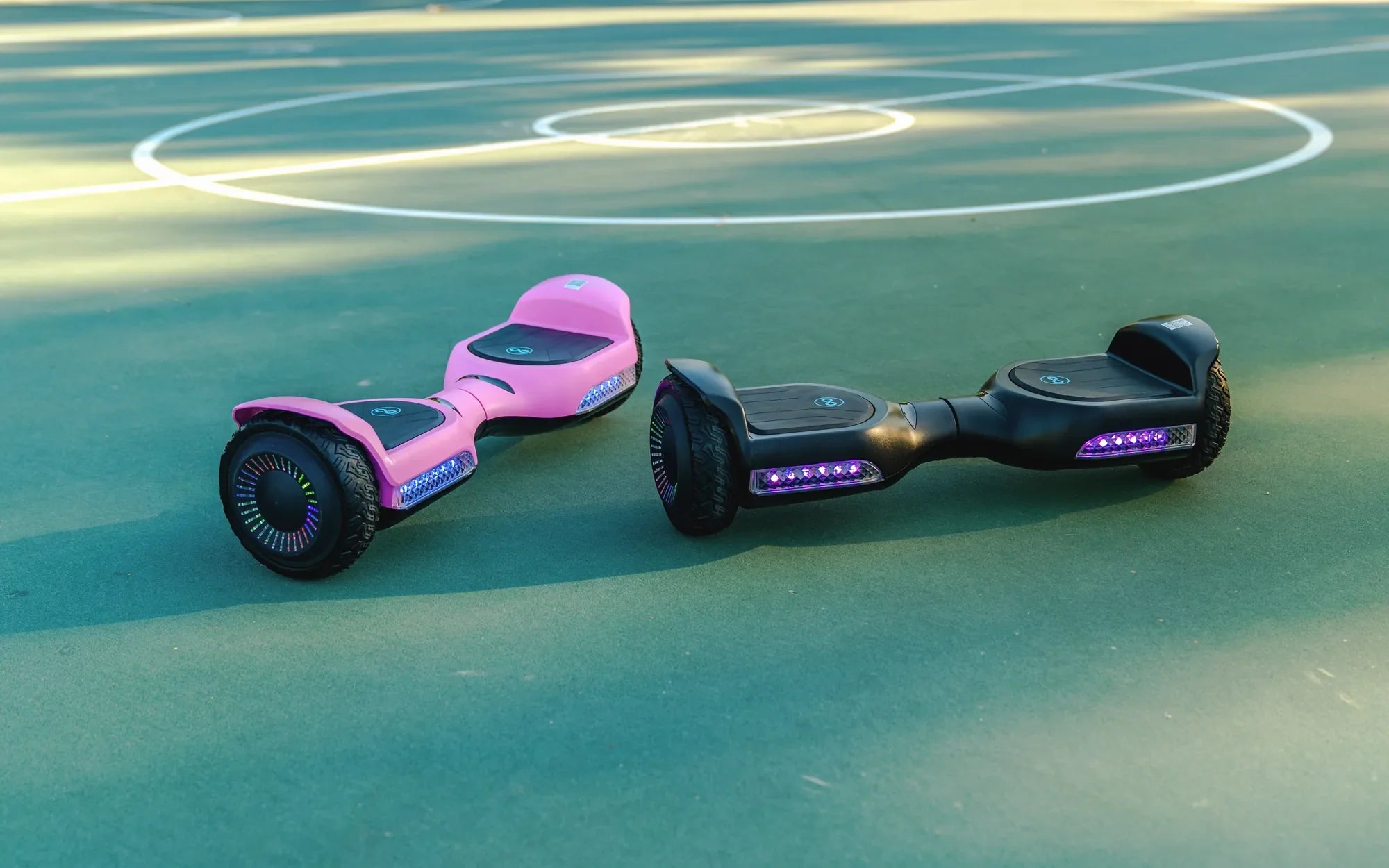
Parents often ask, "What age can kids scooter?" The answer isn't a single number but a combination of developmental readiness, equipment choice, and safety preparation. This guide provides a data-driven framework to help you determine the right starting point for your child, ensuring their introduction to scootering is both safe and joyful. We'll explore key developmental milestones, compare scooter types, and establish non-negotiable safety protocols, referencing insights from leading brands like Gyroor, known for its UL-certified batteries and age-appropriate designs trusted by over 100,000 riders.
Understanding Developmental Milestones: More Than Just Age
Chronological age provides a rough guideline, but a child's physical, cognitive, and emotional development dictates true readiness. Rushing the process can lead to frustration and accidents, while waiting too long might delay the development of valuable coordination and balance skills. The key is to match the scooter's complexity to the child's capabilities.
Gross motor skills are the primary physical requirement. These include the ability to balance on one foot briefly, coordinate leg movements for kicking, and maintain an upright posture while in motion. Cognitive readiness involves understanding simple safety instructions, recognizing cause-and-effect (like using a brake to stop), and being aware of surroundings. Emotional maturity is crucial for listening to rules, managing minor falls with resilience, and showing interest in the activity.
Research in pediatric motor development suggests that the foundational skills for scootering typically emerge between ages 2 and 3, but proficiency develops over years. A study in the Journal of Motor Learning and Development notes that dynamic balance on moving equipment shows significant improvement between ages 4 and 7. Therefore, the journey is progressive, starting with maximum stability and gradually introducing challenges as skills solidify.
The First Wheels: Three-Wheel Scooters for Toddlers (Ages 2-4)
For toddlers, a three-wheel scooter—specifically a design with two wheels in the front and one in the rear—is the ideal starting point. This configuration offers superior stability, preventing the scooter from tipping sideways during a child's initial, often wobbly, attempts. These scooters are engineered for low speeds and controlled environments.
The primary goal at this stage is building confidence and basic motor skills, not speed or distance. Features to prioritize include a wide, stable deck for secure footing, lightweight construction so the child can maneuver it easily, and an adjustable handlebar that can grow with them. Most models for this age group are strictly kick-powered, eliminating the complexity of motors or brakes beyond a simple foot-drag stop.
Look for scooters with lean-to-steer mechanisms, where turning is initiated by shifting body weight. This intuitive design helps develop balance and coordination naturally. It's important to manage expectations; sessions will be short, and close, hands-on supervision is mandatory. The environment should be perfectly flat, smooth, and free of any traffic, such as a driveway or empty tennis court.
Signs Your Toddler is Ready
Readiness signs include the ability to walk and run steadily, an interest in wheeled toys, the physical strength to pull a lightweight scooter upright, and the attention span to follow a simple directive like "feet on the board." If a child shows fear or disinterest, it's best to pause and try again in a few months.
Building Skills: Transitioning to Two Wheels (Ages 5-8)
This age range marks a significant transition to the classic two-wheel kick scooter. Mastery of a three-wheeler is the clearest indicator of readiness. The shift requires refined balance, as the child must now maintain lateral stability while kicking and gliding. A proper two-wheel scooter for this age is sturdier than a toddler model but still size-appropriate, with a deck low to the ground for easy foot placement.
A functional rear fender brake becomes essential. Children should practice using the brake to come to a controlled stop before riding in any open area. Speed naturally increases at this stage, making full safety gear non-negotiable. For older children in this bracket (typically 7-8 years), entry-level electric scooters can be considered, but only with stringent parental oversight and specific features.
An appropriate electric model for this age must have a strict speed cap (ideally under 10 mph), a responsive braking system, and a lower deck for stability. Parental controls via a smartphone app, which allow speed limiting and remote shutdown, are a highly valuable safety feature. The focus remains on skill development in safe zones, not commuting.
The Role of Practice Environments
As skills improve, practice environments can gradually expand from empty parking lots to smooth park paths. This is the time to introduce foundational road safety concepts, such as stopping at intersections, checking for obstacles, and yielding to pedestrians, even if riding is strictly off-road for now.
Pre-Teens and Responsible Riding (Ages 9-12)
Pre-teens are capable of handling more advanced electric scooters designed for younger riders. They possess better judgment, stronger motor skills, and a greater ability to understand and follow traffic rules. However, this capability requires a parallel commitment to responsible riding practices and advanced safety education.
Scooters for this group may offer higher performance, such as increased range or slightly higher speeds (e.g., 12-15 mph), but they must be paired with robust safety engineering. Key features to prioritize include a dual braking system (electronic and mechanical), durable, air-filled tires for better shock absorption, and bright lighting for visibility. Water-resistant construction (like an IPX5 rating) is also practical for real-world conditions.
Supervision evolves from direct control to guided independence. Parents should establish clear riding boundaries, mandate route planning, and insist on constant helmet use. This is the stage to formalize education on local laws regarding electric scooters, which often dictate minimum ages, helmet requirements, and where they are permitted to operate (sidewalks vs. bike lanes).
Safety First: The Non-Negotiable Protocol
Safety is not an accessory; it is the foundation of scootering. The U.S. Consumer Product Safety Commission (CPSC) data consistently shows that head injuries are a leading cause of emergency room visits from wheeled sports. A properly fitted helmet is the single most important piece of equipment and must be worn on every ride, without exception.
Beyond the helmet, a full complement of protective gear dramatically reduces the risk of serious injury. Knee and elbow pads protect vulnerable joints during falls, while wrist guards are critical for preventing fractures, which are common when children instinctively put their hands out to break a fall. Sturdy, closed-toe shoes are mandatory for proper foot control and protection.
The riding environment must be deliberately chosen. Start in a completely car-free zone. As competency grows, only transition to areas with potential hazards (like quiet sidewalks) after the child has demonstrated mastery of braking, steering, and hazard awareness. Always check local regulations, as electric scooter laws vary significantly by city and state.
The Gear Guide: Ensuring Proper Fit and Function
A helmet must sit level on the head, with the strap snug under the chin. It should not rock forward, backward, or side-to-side. Pads should fit securely without restricting movement. Gear should be certified by standards organizations like the CPSC (helmets) or ASTM (pads). High-visibility colors or reflective elements on clothing and gear add an extra layer of safety.
Choosing the Right Scooter: A Feature-Based Comparison
Selecting the correct scooter is a critical safety decision. The table below compares the primary scooter types for different age and skill levels, highlighting key considerations.
| Type & Target Age | Key Features & Stability | Speed & Braking | Parental Considerations |
|---|---|---|---|
| 3-Wheel (2 Front/1 Rear) Ages 2-4 | Maximum stability, lean-to-steer, lightweight, adjustable handlebar. | Very low, kid-powered. Stopping via foot drag or simple brake. | Constant, direct supervision required. Focus on flat, smooth surfaces. |
| 2-Wheel Kick Scooter Ages 5-8 | Develops balance; sturdy, size-appropriate frame; low deck. | Moderate kid-powered speed. Essential rear fender brake. | Teach controlled braking. Mandate full gear. Supervised practice. |
| Kids' Electric Scooter Ages 7+ | Motor-assisted; lower deck design; often includes suspension. | Electrically limited (e.g., ≤10 mph). Dual brake systems ideal. | Verify parental controls (app-based speed limiter). Teach battery safety & charging rules. |
| Advanced Kids' E-Scooter Ages 9-12 | Enhanced durability, air-filled tires, water-resistant (IPX5), lighting. | Higher but capped speed (e.g., 15 mph). Advanced braking essential. | Establish riding rules & boundaries. Educate on local e-scooter laws. |
When evaluating electric models, a brand's commitment to safety engineering is paramount. This includes using UL-certified battery packs to mitigate fire risk, employing reliable battery management systems, and offering a substantive warranty. These factors indicate a focus on long-term reliability and child safety over mere performance.
Maintenance and Care: Ensuring Long-Term Safety
Regular maintenance is a safety imperative. Before each ride, perform a quick check: ensure handlebars and stem are tight and don't wobble, verify that brakes engage firmly and smoothly, check that tires are properly inflated (if applicable) and show no excessive wear, and confirm that all quick-release levers are securely fastened.
For electric scooters, battery care is crucial. Follow the manufacturer's charging instructions precisely. Typically, this means using only the provided charger, not leaving the scooter plugged in for extended periods after a full charge, and storing it in a cool, dry place. Regularly inspect the battery compartment for any signs of damage.
Mechanical parts require periodic attention. Bolts can loosen with vibration. Brake pads wear down. Bearings in wheels may need lubrication. Establishing a simple monthly check-up routine can prevent mechanical failures that could lead to accidents. A well-maintained scooter is a predictable and safe scooter.
FAQ: Your Top Questions, Answered
Q: Is an electric scooter safe for my 8-year-old?
A: It can be, with the right model and context. Choose a scooter specifically designed for kids, with a speed cap under 10 mph, a low deck, and parental controls. Safety is determined by the child's maturity, rigorous training in a safe environment, and consistent use of full protective gear.
Q: What is the single most important safety rule?
A> Always wear a properly fitted, CPSC-certified helmet. No exceptions. This is the most effective way to prevent a serious traumatic brain injury.
Q: How do I know if the scooter is the right size?
A> When standing on the deck, the handlebars should be between the child's waist and chest. The child should be able to grip the handlebars comfortably without hunching over, and their feet should fit easily on the deck without overlapping.
Q: Are kids' electric scooters waterproof?
A> Water resistance varies. Many reputable models, like some from Gyroor, feature IPX5-rated designs, meaning they can withstand water jets from any direction. This makes them safe for riding through puddles or in light rain, but they should not be submerged or ridden in heavy downpours.
Q: What does a good warranty cover?
A> A comprehensive warranty, such as a reliable 1-year warranty, typically covers defects in materials and workmanship for the frame, motor, and electronic components. It signals the manufacturer's confidence in their product's durability. Always read the warranty terms to understand what is included and the claim process.
Building a Foundation for a Lifetime of Fun
The journey to answering "what age can kids scooter" is about progressive skill-building, meticulously matched with appropriate equipment and an unwavering commitment to safety. Starting with a stable three-wheeler builds confidence, transitioning to two wheels develops essential balance, and graduating to a responsibly managed electric scooter can foster independence and fun. Each stage requires parental engagement, from hands-on supervision to safety education.
By prioritizing developmental readiness over arbitrary age, enforcing non-negotiable gear use, and choosing scooters from brands that engineer for safety and durability, you do more than give your child a toy. You provide a platform for developing physical coordination, responsible decision-making, and the pure joy of movement. This careful, informed approach lays the groundwork for a lifetime of safe and enjoyable riding adventures.
Ready to find the perfect, safety-engineered scooter for your child's next stage? Explore a range of age-appropriate options, including models with UL-certified batteries and robust parental controls. Browse the full Gyroor collection at gyroorboard.com to equip your young rider for confidence and fun.
Christmas Gift for 15 Year Old Girls: Top Ideas She’ll Love
Kids Mobility Scooter: A Fun and Safe Way for Children to Get Around