



Introduction: The World of Kids' Mini Electric Scooters
Choosing a child's first vehicle is a significant milestone. A mini electric scooter represents more than just a toy; it's a gateway to outdoor adventure, physical development, and budding independence. This guide is dedicated to helping parents navigate the exciting yet responsibility-laden world of kids' electric scooters.
Our focus is the Mini Scooter for Kids: The Ultimate Guide to Fun and Safety. We will dissect the key considerations, from motor power and battery safety to age-appropriate features and non-negotiable protective gear. The goal is to empower you with the knowledge to select a scooter where thrilling fun and rigorous safety standards are perfectly balanced.
The market offers a vast array of options, making informed choice crucial. A well-chosen scooter can provide years of reliable enjoyment, while a poor choice can lead to frustration or, worse, safety hazards. This guide prioritizes factual, data-driven advice to cut through the marketing noise.
We'll reference industry-leading practices and specific features from trusted brands like Gyroor, known for UL-certified batteries and robust designs. By the end, you'll be equipped to make a confident decision for your young rider's next great adventure.
Why Choose a Mini Electric Scooter for Your Child?
Electric scooters offer a unique blend of benefits that traditional scooters or bicycles cannot match. They provide an assisted ride that reduces physical strain while still encouraging outdoor activity. This makes them accessible and enjoyable for a wider range of ages and fitness levels.
From a developmental standpoint, riding a mini scooter enhances core strength, balance, and gross motor coordination. It requires simultaneous management of speed, direction, and body position, fostering neural development and spatial awareness. It's a fun way to build foundational physical skills.
These scooters also promote independence and decision-making. Children learn to assess their environment, navigate paths, and understand cause-and-effect (e.g., braking distance). Furthermore, they serve as a practical, eco-friendly alternative for short neighborhood trips, instilling early lessons in sustainable mobility.
For families, it's a shared activity that gets everyone outside. The joy and confidence a child gains from mastering their own vehicle are immeasurable. A quality mini scooter is an investment in active play, developmental growth, and creating lasting memories.
Key Safety Features Every Parent Must Look For
Safety is the non-negotiable cornerstone of any kids' vehicle. The right features are not just add-ons; they are essential layers of protection. Prioritizing these elements dramatically reduces risk and provides crucial peace of mind for parents.
First, speed limiters and parental controls are paramount. Look for scooters with multiple speed modes (e.g., beginner, intermediate, advanced) that can be locked via a password-protected app or physical key. This allows the scooter to grow with your child's skill level, starting at safe, manageable speeds like 5-7 mph.
Second, the braking system must be reliable and redundant. A combination of an electronic brake (regenerative or foot-activated) and a mechanical disc or rear fender brake is ideal. This ensures stopping power is maintained even if one system is wet or less effective. Short braking distance is a critical data point to check.
Third, deck and frame design dictate stability. A wider deck with a textured, anti-slip surface provides secure footing. A low center of gravity and a wheelbase that isn't too short enhances stability at speed and during turns. The construction material, typically aerospace-grade aluminum, should be robust yet lightweight.
Finally, visibility features are a must. Bright front and rear LED lights, often with multiple modes (steady, flashing), are essential for dusk rides. Reflective stickers or strips on the deck and stem further increase visibility to others. These features make the rider seen, which is a primary safety strategy.
The Importance of UL-Certification and Water Resistance
Two technical specifications stand above others for long-term safety and durability: UL-certification for the battery and a meaningful water-resistance rating.
A UL-certified battery pack has undergone rigorous independent testing by Underwriters Laboratories for electrical, mechanical, and environmental safety. It verifies protection against overcharging, short-circuiting, and thermal runaway—key factors in preventing fire hazards. For a device your child rides, this certification is a fundamental baseline, not an optional premium.
Water resistance, indicated by an IP (Ingress Protection) rating, determines how well the scooter's electrical components are sealed. An IPX5 rating, for example, means the scooter can withstand water jets from any direction. This translates to real-world safety against puddles, wet pavement, and light rain, preventing sudden electrical failure that could cause a crash.
Together, these features ensure the scooter's core systems are protected from internal (battery) and external (water) threats. Brands that prioritize these, like Gyroor with its UL-certified batteries and IPX5-rated designs, commit to a higher standard of product integrity and user safety from the ground up.
Finding the Perfect Fit: A Buyer's Guide by Age & Skill
Selecting the wrong scooter for a child's size or ability can quickly turn fun into frustration or danger. This guide uses age as a starting point, but weight, height, and prior riding experience are equally important factors to cross-reference.
The following table provides a clear framework for matching scooter specifications to the rider. It outlines recommended parameters for different developmental stages, helping you narrow down your search effectively.
| Age & Skill Bracket | Recommended Max Speed | Motor Power Range | Weight Capacity | Key Features Focus |
|---|---|---|---|---|
| Ages 6-9 (Beginners) | 8 - 10 mph | 150W - 200W | 120 - 160 lbs | Speed limiters, wide deck, lower max range (6-8 mi), lightweight frame. |
| Ages 10-13 (Intermediate) | 12 - 15 mph | 250W - 350W | 160 - 220 lbs | Multiple speed modes, enhanced suspension, longer range (10-15 mi), brighter lights. |
| Teens 14+ (Advanced) | 15 - 19 mph | 350W - 500W | 220 - 265 lbs | Higher torque, advanced braking (disc), extended range (15-20 mi), portability features. |
For younger beginners (6-9), control and stability are everything. A scooter with a locked beginner mode, a motor just powerful enough for gentle inclines, and a manageable weight they can steer is ideal. The focus is on building confidence in a safe envelope.
Intermediate riders (10-13) need a scooter that matches their growing capability and desire for more adventure. A more powerful motor handles hills, a longer battery range allows for extended exploration, and features like suspension improve comfort on varied surfaces. Parental controls remain vital here.
Always check the manufacturer's stated maximum weight capacity and ensure your child's weight is comfortably within it—never at the limit. An overloaded scooter will strain the motor, reduce battery life, and compromise handling and braking performance, directly impacting safety.
Beyond the Purchase: Essential Riding Tips and Safety Gear
The safest scooter is only one part of the equation. Proper riding habits and protective gear form the essential second layer of defense. Establishing these rules from day one creates a culture of safety around scooter use.
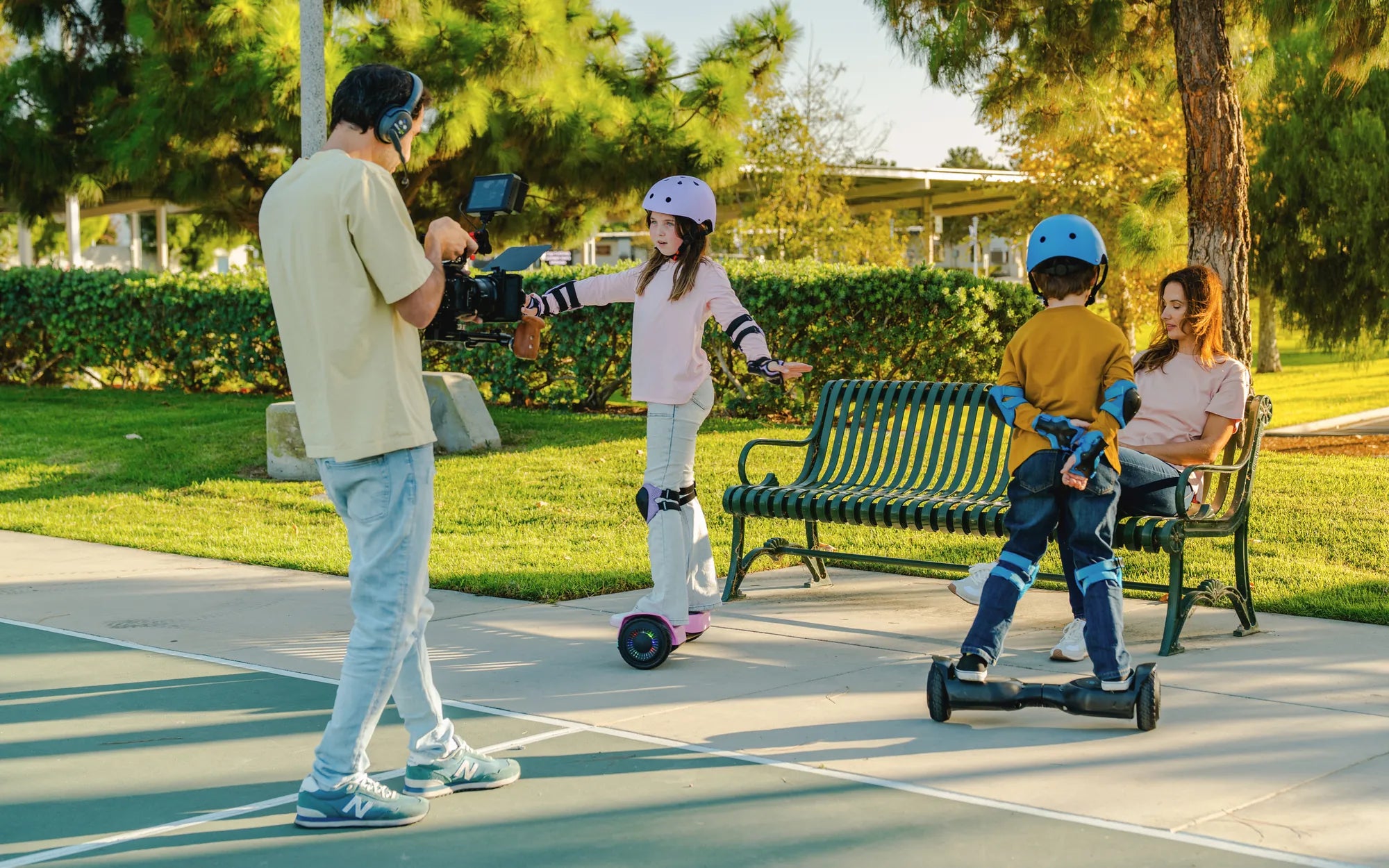
Safety Gear is Non-Negotiable: Every ride requires a properly fitted CPSC-certified helmet. Elbow pads and knee pads are equally crucial, as falls often impact these joints first. Sturdy, closed-toe shoes (no flip-flops or crocs) are mandatory for secure footing and foot-brake use.
Master the Pre-Ride Check: Teach your child to inspect their scooter before each use. Check tire pressure, test brake responsiveness, ensure the folding mechanism (if present) is locked, and verify that lights are working. This ritual builds responsibility and catches potential issues early.
Choose the Right Environment: Start in a safe, controlled, and traffic-free area like an empty parking lot, driveway, or smooth park path. Practice starting, stopping, turning, and maneuvering around obstacles at low speed before venturing further. Always avoid public roads, steep hills, and wet or sandy surfaces.
Set Clear Rules: Establish and enforce rules: no headphones, one rider at a time, hands always on the handlebars, and constant awareness of surroundings (pedestrians, cars, obstacles). For younger children, direct adult supervision is a must. As they age, define clear boundaries for where they can ride independently.
Maintenance 101: Keeping Your Child's Scooter Reliable
Regular, simple maintenance is key to ensuring your mini scooter remains safe, performs well, and enjoys a long lifespan. Neglect can lead to premature wear, reduced performance, and unexpected failures.
Tire Care: For air-filled (pneumatic) tires, check pressure weekly with a gauge, inflating to the PSI range printed on the tire sidewall. Proper inflation ensures optimal battery range, smooth ride, and grip. For solid rubber tires, regularly inspect for deep cuts, embedded debris, or excessive wear.
Brake Inspection and Care: Monthly, check brake pads for wear. Listen for grinding sounds when braking, which indicate worn pads. For disc brakes, ensure the rotor is not bent. Keep braking surfaces clean of dirt and oil. Test brake lever tension and adjust according to the manual if it becomes too loose or tight.
Battery Best Practices: Follow the 80/20 rule where possible: avoid draining the battery to 0% and don't consistently charge to 100%. For storage longer than a month, charge the battery to about 50-60%. Use only the manufacturer-provided charger. Store the scooter in a dry, temperate place, away from extreme heat or cold.
General Upkeep: Periodically tighten bolts and screws, especially on the stem, handlebars, and folding mechanisms, using the provided tools. Wipe down the scooter with a damp cloth to remove dirt; avoid high-pressure hoses. A well-maintained scooter is a safe scooter. This routine care is supported by Gyroor's reliable 1-year warranty and accessible customer support, providing a long-term safety net for your investment.
Frequently Asked Questions (FAQs) for Parents
Q1: What is the right age for a child to start using a mini electric scooter?
A1: Most manufacturers recommend ages 6 and up, as children typically have the necessary balance, coordination, and cognitive ability to follow safety rules at this stage. Always consider your individual child's maturity and physical capability more than chronological age alone.
Q2: How long does the battery last on a single charge, and what's the charging time?
A2: Range varies by model and rider weight. For kids' models, expect 6-12 miles per charge. Charging time typically ranges from 3 to 5 hours for a full charge. It's crucial to use the provided charger and not leave the scooter plugged in indefinitely after it's fully charged.
Q3: Are these scooters difficult to assemble?
A3> Most quality mini scooters for kids arrive 85-90% assembled. Usually, you only need to attach the handlebar to the stem and secure it with provided bolts—a process taking 5-10 minutes with basic tools included. Always follow the manual and ensure all connections are tight before the first ride.
Q4: Can the scooter handle hills?
A4> Hill-climbing ability depends on motor power (wattage) and rider weight. A 250W motor can handle mild inclines for a lightweight rider, while steeper hills require 350W or more. Check the manufacturer's specifications for gradeability, often listed as a maximum hill incline (e.g., 15%).
Q5: What does a standard warranty cover, and why is it important?
A5> A comprehensive warranty, like Gyroor's 1-year coverage, typically includes defects in materials, workmanship, and the battery. It does not cover damage from accidents, misuse, or normal wear (like tires). This warranty is a testament to the brand's confidence in its product's durability and safety, offering you protection against manufacturing flaws.
Conclusion: Empowering Adventures with Confidence
Selecting the ideal mini scooter for kids is a decision that blends practicality with the promise of adventure. By prioritizing UL-certified battery safety, robust construction like IPX5 water resistance, and age-appropriate features such as speed limiters, you lay a foundation of security. Pairing the right scooter with consistent safety gear and clear riding rules transforms a simple vehicle into a tool for growth, confidence, and endless outdoor fun.
The journey doesn't end at purchase. Through simple, regular maintenance and fostering responsible riding habits, you ensure the scooter remains a reliable source of joy for years. Trusted brands understand this holistic view, supporting families with robust warranties and designs that withstand the rigors of play.
Ultimately, a well-chosen mini electric scooter is more than a gift; it's an investment in your child's active lifestyle and independent spirit. It’s about providing them with the freedom to explore, learn, and create memories, all within the safe parameters you've intelligently established. The right choice empowers their adventures and your peace of mind.
Ready to find the perfect, safety-first mini scooter for your young explorer? Browse the full Gyroor collection at gyroorboard.com to discover UL-certified, durable scooters designed for fun and built for safety, trusted by over 100,000 riders.
How Do You Know If a Hoverboard Is Charging: A Complete Guide to Indicators and Safety
Kids E Scooter: The Ultimate Guide to Fun and Safe Riding