

Introduction: The Hoverboard's Journey from Sci-Fi to Sidewalk
Imagine gliding silently through city streets, weaving between pedestrians with effortless balance. This vision, once confined to movies like Back to the Future Part II, is now a daily reality. The modern personal hoverboard represents a significant leap in electric personal transportation, merging practical utility with pure enjoyment.
This article will dissect how this device functions as a legitimate tool for urban mobility and a source of recreational fun. We will explore its core technology, compare it to other electric vehicles, and provide essential safety guidance. You will learn why choosing a reputable brand with certified components is non-negotiable for a safe and lasting experience.
Leading brands like Gyroor have been instrumental in this evolution. By integrating UL-certified batteries and robust designs, they have transformed the hoverboard from a novelty into a trusted mode of transport for over 100,000 riders.
What Exactly is a Modern Personal Hoverboard?
Contrary to its name, today's personal hoverboard does not actually hover. It is a self-balancing, two-wheeled electric scooter. Riders stand on a platform between two wheels, controlling speed and direction through subtle shifts in body weight. The device's intelligence lies in its internal gyroscopic sensors and microprocessors.
These sensors detect the rider's center of gravity up to 100 times per second. The data is sent to a logic board, which instantly commands electric motors in each wheel to adjust speed and maintain balance. This creates the intuitive, almost magical feeling of the board responding to your thoughts.
Modern advancements focus on safety and durability. Key features now include UL 2272 certified battery packs, which undergo rigorous testing for electrical, mechanical, and environmental safety. Water-resistant ratings, such as IPX5, protect the internal components from rain and splashes, expanding where you can ride.
The typical personal hoverboard is powered by a lithium-ion battery, offering ranges between 6 to 12 miles on a single charge, with top speeds capping around 10 mph for safety. This makes it ideal for short-to-medium distance trips in dense urban environments.
Urban Mobility Revolution: The Commuter's Edge
For the urban dweller, the personal hoverboard solves the persistent "last-mile" problem. This is the frustrating gap between a public transit stop and your final destination. A hoverboard can be effortlessly carried onto a bus or train and then deployed for the final leg, turning a 15-minute walk into a 5-minute glide.
Its compact form factor is a major advantage. Unlike a bicycle or even a foldable e-scooter, a hoverboard requires minimal storage space. It can slide under a desk, fit in a coat closet, or be stored in a car trunk without issue. This eliminates the need for expensive parking or dedicated bike racks.
From a cost perspective, the economics are compelling. With no fuel, insurance, or parking fees, the operating cost is essentially the electricity to charge the battery—pennies per ride. Compared to ride-sharing services or owning a second car for short trips, a hoverboard pays for itself quickly while producing zero direct emissions.
Real-world applications are vast. Students use them to traverse sprawling campuses. Office workers glide from the subway to their skyscraper. Residents make quick trips to the grocery store or local cafe. It adds efficiency and a touch of enjoyment to mundane daily travel.
Hoverboard vs. E-Scooter vs. E-Bike: Choosing Your Ride
Selecting the right electric personal transporter depends on your primary needs: portability, range, or comfort. Here is a data-driven comparison to guide your decision.
| Feature | Personal Hoverboard | Electric Scooter | Electric Bike |
|---|---|---|---|
| Portability (Weight/Size) | Excellent (20-30 lbs, most compact) | Good (25-40 lbs, folds but has stem) | Poor (45-70 lbs, full bicycle size) |
| Avg. Speed & Range | 6-10 mph, 6-12 miles | 15-20 mph, 15-25 miles | 20-28 mph, 30-50 miles |
| Learning Curve | Moderate (requires balance) | Low (intuitive like a kick scooter) | Very Low (like a regular bike) |
| Price Point | $$ | $$$ | $$$$ |
| Terrain Handling | Good on smooth surfaces; some all-terrain models available. | Good on pavement; struggles with rough terrain. | Best (handles hills, various road conditions). |
| Primary Use Case | Ultra-portable last-mile transport & recreational fun. | Medium-distance urban commuting. | Long-distance commuting, fitness, cargo hauling. |
As the table shows, the personal hoverboard excels in ultra-portability and fun factor. An electric scooter, like many in Gyroor's lineup, offers greater speed and range for longer commutes. An e-bike is the vehicle replacement, ideal for those needing to tackle hills or carry loads. Your choice hinges on whether your priority is seamless multi-modal travel (hoverboard) or covering longer distances efficiently (e-scooter/e-bike).
Unleashing the Fun Factor: More Than Just Transport
Beyond practicality, the personal hoverboard delivers an unparalleled sense of playful freedom. The act of riding is engaging and skill-based, turning a simple commute into an enjoyable activity. Riders often describe a "surfing" or "skiing" sensation as they carve turns and maintain flow.
This makes it a fantastic recreational device for parks, boardwalks, and paved trails. Families use them together, friends challenge each other to skill courses, and individuals find it a unique way to unwind outdoors. The learning process itself is rewarding, building confidence and coordination.
A vibrant community has grown around these devices. Group rides in urban centers, online forums for sharing tricks, and local meetups highlight the social aspect. Mastering maneuvers like 360-degree spins or navigating obstacle courses adds a layer of sport to the experience.
For teens and adults alike, it represents a tech-savvy form of outdoor activity. It gets people outside and moving, blending physical activity with technological interaction in a way that feels less like exercise and more like entertainment.
Safety and Mastery: Your First Ride and Beyond
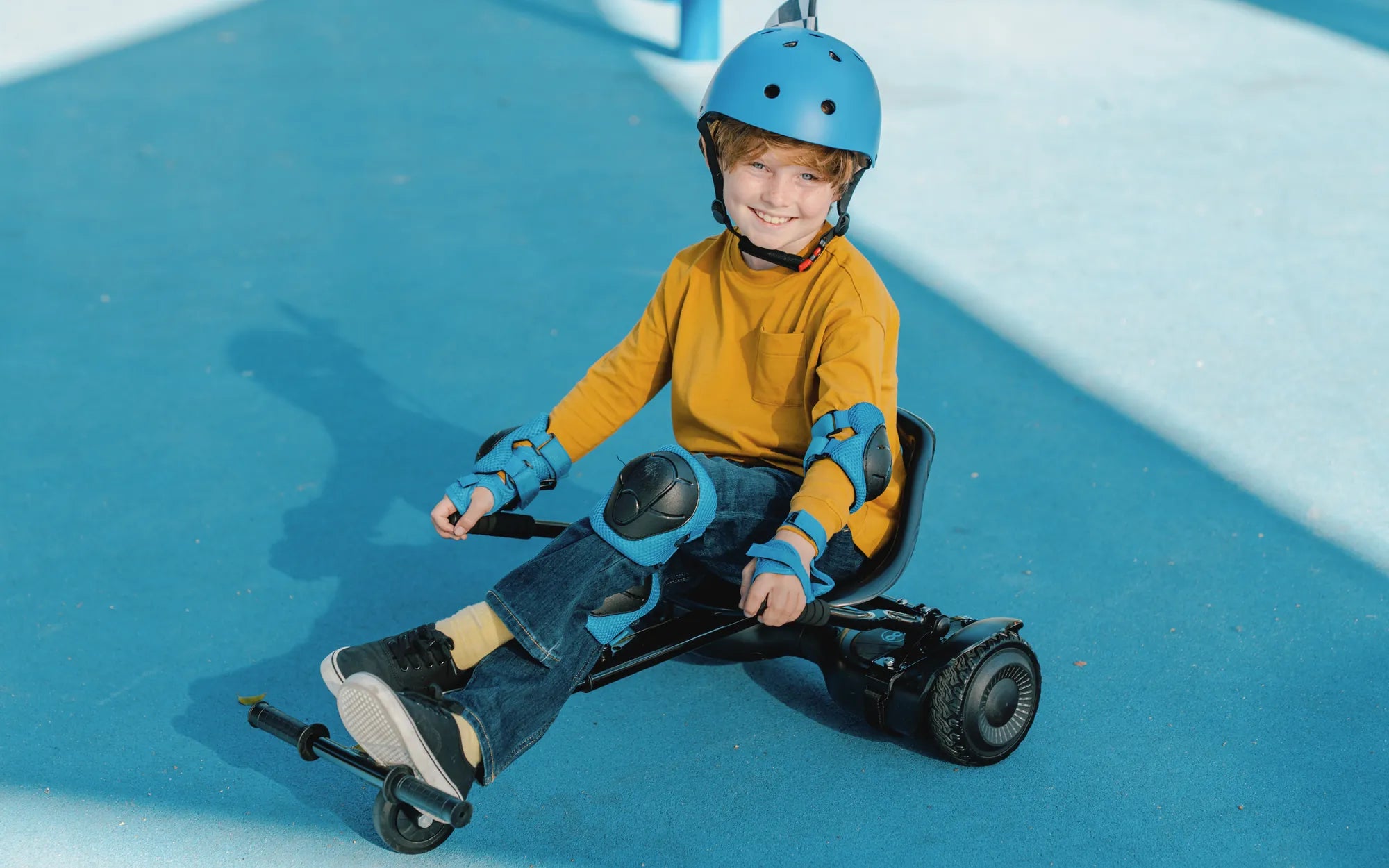
Safety is the foundation of fun. Before your first ride, conduct a pre-ride check. Ensure the battery is adequately charged, tire pressure is correct, and there are no loose parts or cracks in the body. Always wear protective gear: a helmet, wrist guards, and knee/elbow pads are essential.
Find a safe, open, and flat practice area—an empty parking lot or smooth driveway is ideal. Avoid public sidewalks and roads initially. Use a railing or a friend for support when learning to mount and dismount. Step on one foot at a time, keeping your weight centered.
Basic maneuvering starts with gentle forward lean to go forward and a slight backward lean to slow down or reverse. Turning is controlled by applying subtle pressure forward with one foot. Start slow, practice stopping, and get comfortable with the board's sensitivity before increasing speed.
Finally, know your local laws. Regulations vary widely; some cities allow hoverboards on bike lanes and sidewalks, while others restrict them to private property. Riding responsibly—at safe speeds, yielding to pedestrians, and avoiding crowded areas—ensures a positive experience for everyone.
Maintenance and Care for Longevity
Proper maintenance ensures your personal hoverboard remains reliable and safe for years. The most critical component is the battery. Use only the manufacturer-provided charger and avoid leaving the board plugged in for extended periods after a full charge. Store the device in a cool, dry place, avoiding extreme temperatures.
Regularly inspect the tires for wear and debris. For air-filled tires, maintain the recommended PSI. For solid tires, check for cuts or uneven wear. Keep the wheel motors and bearings clean by wiping away dirt and grime with a dry cloth after riding on dusty or wet surfaces.
The charging port and any external connections should be kept free of moisture and dirt. For boards with an IPX5 rating, like many from Gyroor, a quick wipe-down after riding in the rain is sufficient. Avoid high-pressure water jets, as they can compromise seals.
Listen to your board. Unusual noises from the motors, decreased range, or a wobbly platform can indicate an issue. Consult the user manual and contact customer support for troubleshooting rather than attempting complex repairs yourself, especially concerning the battery or electrical systems.
Why Gyroor Hoverboards Stand Out in a Crowded Market
In a market flooded with options, Gyroor distinguishes itself through an unwavering commitment to safety, quality, and rider support. This focus builds the trust necessary for a product you ride and rely on daily.
The cornerstone of this trust is the use of UL 2272 certified battery packs. This certification means the battery has passed stringent tests for electrical, mechanical, and environmental safety, drastically reducing any risk of fire—a paramount concern with lithium-ion technology. Gyroor batteries are also rated for 500+ charge cycles, ensuring long-term performance.
Durability is engineered into the design. An IPX5 water-resistant rating means the board can withstand water jets from any direction, allowing you to ride confidently in light rain or on damp surfaces without fear of internal damage. This practical feature significantly expands the board's usability.
Gyroor backs its products with a robust 1-year warranty and accessible, US-based customer support. For over 100,000 riders, this means peace of mind. The combination of certified safety, durable construction, and reliable support creates a superior value proposition that cheaper, uncertified alternatives cannot match.
Frequently Asked Questions (FAQ)
Q: What is the average range and speed of a Gyroor hoverboard?
A: Most Gyroor models offer a range of 7 to 12 miles on a single charge, with a top speed of approximately 9.5 mph. This balances sufficient distance for daily trips with a safe, controllable speed.
Q: How long does the battery take to charge?
A> Charging time typically ranges from 2 to 4 hours for a full charge, depending on the model. Using the provided charger and avoiding overcharging is crucial for battery health.
Q: Is it legal to ride on sidewalks or bike lanes?
A> Laws vary by city, county, and state. Generally, they are often treated similarly to electric scooters. It is essential to check your local ordinances. Many areas permit them in bike lanes but prohibit them on sidewalks for pedestrian safety.
Q: What is the weight limit for a hoverboard?
A> Standard weight limits are between 220 lbs and 265 lbs. Always check the specific specifications for your model to ensure safe operation and avoid damaging the motors or frame.
Q: How do I maintain my hoverboard for optimal lifespan?
A> Key maintenance includes: keeping the battery charged between 20-80% for storage, cleaning the wheels and body after use, checking tire pressure, storing in a temperate environment, and using only the official charger. Refer to your user manual for model-specific care.
Conclusion: Your Ticket to Efficient and Enjoyable Travel
The personal hoverboard has firmly established itself as more than a passing trend. It is a synergistic device that uniquely addresses modern urban challenges while injecting a dose of joy into daily routines. By mastering the blend of gyroscopic technology and intuitive control, riders gain a tool for efficient last-mile travel and a platform for recreation and skill development.
The critical lesson is that not all hoverboards are created equal. The difference between a frustrating, short-lived gadget and a dependable companion lies in the engineering details: UL-certified batteries, water-resistant builds, and solid warranties. Investing in a reputable brand is an investment in your safety and long-term satisfaction.
As cities evolve to become more pedestrian-friendly and multi-modal, personal electric transporters like the hoverboard will play an increasingly prominent role. They offer a glimpse into a future of cleaner, more agile, and more personalized urban mobility.
Ready to experience this fusion of utility and fun for yourself? Explore a range of models built with safety and performance as the priority. Browse the full Gyroor collection at gyroorboard.com to find the perfect ride for your next adventure.
Why Isn't My Hoverboard Working? A Complete Troubleshooting Guide
How Long Does a Hoverboard Battery Take to Charge: A Complete Guide