

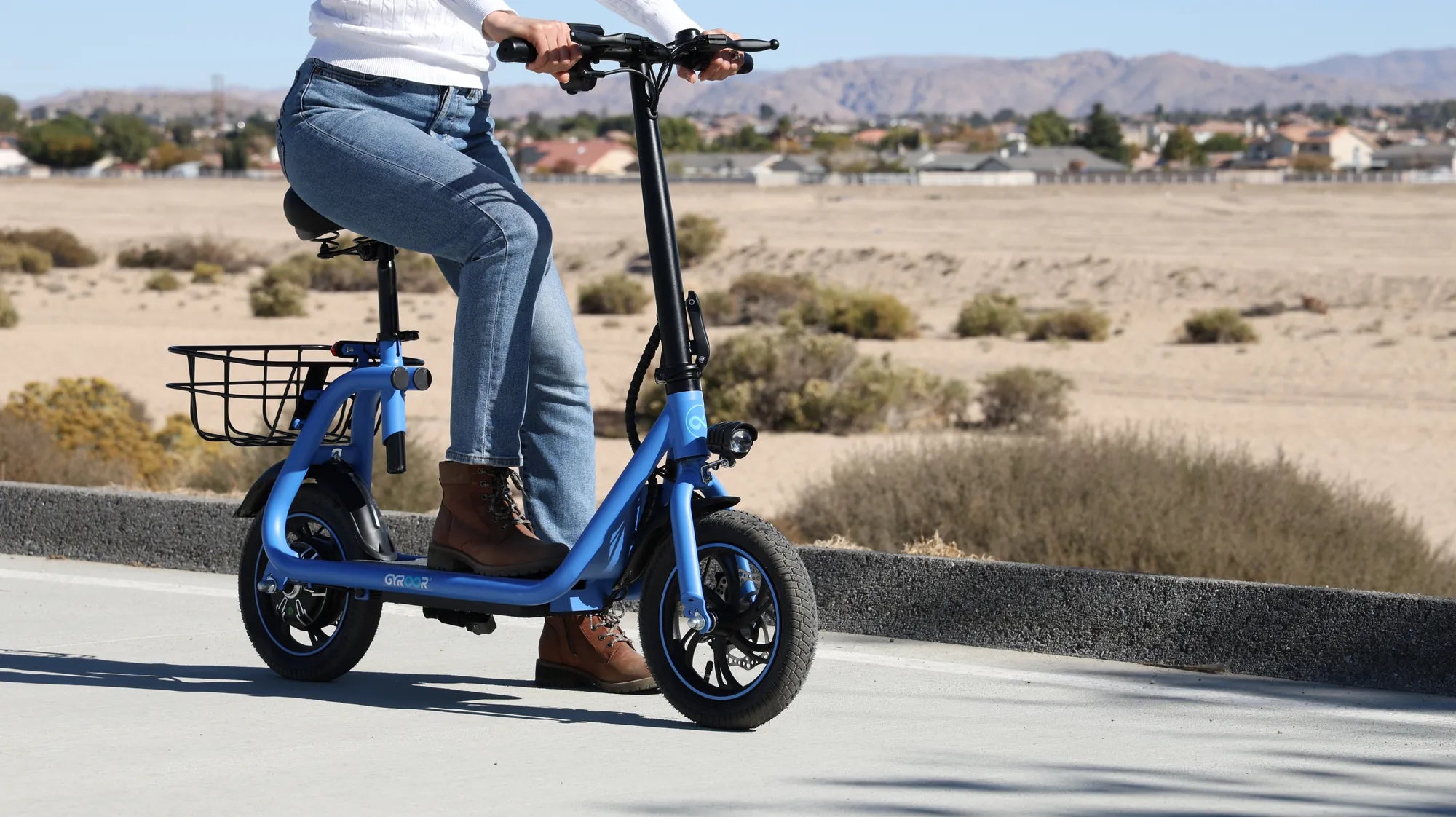
Introduction to Reputable E-Bike Brands
Navigating the electric bicycle market requires more than comparing motor wattage and battery range. The fundamental decision lies in selecting a brand built on a foundation of trust, safety, and proven reliability. A reputable e-bike brand distinguishes itself through rigorous safety certifications, transparent warranties, durable engineering, and a track record of customer satisfaction.
This commitment directly impacts your riding experience, investment security, and personal safety. Inferior components or lax manufacturing standards can lead to premature failures, safety hazards, and costly repairs. Understanding the hallmarks of a trustworthy manufacturer is the first step toward a confident purchase.
This guide will define the core pillars that separate reputable e-bike brands from the rest. We will explore the market landscape, highlight key differentiators, and provide a concrete framework for your evaluation. As a leader in personal electric mobility, Gyroor's practices will be referenced to illustrate these critical standards in action.
Your choice in e-bike brand is an investment in years of dependable transportation and enjoyment. Let's examine what makes that investment secure.
Core Pillars of a Reputable E-Bike Brand
Trust in the e-bike industry is not assumed; it is earned through demonstrable actions and verifiable standards. Several non-negotiable pillars form the bedrock of any brand worthy of the "reputable" label. These factors should be the primary lens through which you assess any potential purchase.
These pillars encompass product safety, physical durability, and post-purchase support. A deficiency in any one area can significantly compromise the value and safety of the vehicle. Leading brands excel across all fronts, providing a cohesive promise of quality.
Discerning riders prioritize these fundamentals over marketing claims about speed or accessory bundles. A powerful motor is meaningless if the battery pack lacks proper safety circuitry. A sleek design offers little value if the frame lacks structural integrity for daily use.
We will now break down each pillar, starting with the most critical: safety certification.
Safety and Certification Standards
Electrical safety is the paramount concern for any e-bike. The integration of a high-capacity lithium-ion battery, a motor controller, and a charging system introduces complex risks that must be professionally managed. The gold standard for evaluating this system is the UL 2849 certification.
UL 2849 is a comprehensive safety standard developed by Underwriters Laboratories. It tests the entire electrical drive train system—including the battery, charger, motor, and wiring—for electrical, mechanical, and environmental safety. It rigorously assesses overcharge protection, short-circuit prevention, and thermal stability.
Brands that utilize UL-certified battery packs and systems, like Gyroor, have subjected their core components to independent, third-party verification. This certification drastically reduces the risk of thermal runaway, a leading cause of lithium-ion battery fires. It is a definitive marker of a brand's commitment to rider safety.
Beyond the battery, reputable e-bike brands also adhere to relevant mechanical safety standards for frames, brakes, and lighting. Look for certifications or compliance statements related to ISO standards or local transportation safety regulations. A reputable brand is transparent about its compliance.
Build Quality and Durability Features
Durability is where engineering excellence meets daily reality. A reputable e-bike is built to withstand the vibrations, impacts, and weather conditions of regular commuting or recreation. This resilience starts with the frame material, most commonly high-grade aluminum alloy, which offers an optimal balance of strength, weight, and corrosion resistance.
The motor type is another key durability factor. Hub motors are generally sealed and require less maintenance, making them robust for city use. Mid-drive motors, while offering superior torque and balance, involve more moving parts interacting with the drivetrain. A reputable brand ensures its chosen motor configuration is reliably integrated and adequately protected.
Water and dust resistance, indicated by an IP (Ingress Protection) rating, is non-negotiable for all-weather capability. An IPX5 rating, as found across Gyroor's e-bike lineup, certifies protection against water jets from any direction. This ensures that rain or road spray won't compromise the electrical systems, a critical feature for a dependable daily rider.
Finally, component selection from reputable suppliers (e.g., Shimano or Tektro for drivetrains and brakes) signals a brand's investment in longevity. These parts are proven in the cycling industry and are widely serviceable, ensuring your e-bike remains functional for years.
Warranty and Customer Support
The warranty is a brand's written promise, a direct reflection of its confidence in product longevity. A comprehensive warranty from a reputable e-bike brand typically covers the frame, motor, and battery for a minimum of one year. The best warranties offer clear, accessible terms without excessive exclusions for normal use.
Strong customer support is the active counterpart to the passive warranty. It includes accessible communication channels, knowledgeable technical staff, and a reliable supply of replacement parts. The ability to quickly source a specific battery, display, or motor controller is essential for minimizing downtime.
Brands that sell direct-to-consumer, like Gyroor, often pair competitive pricing with dedicated support teams. This model removes the retail middleman, allowing the brand to maintain a direct relationship with the rider for troubleshooting and service guidance. The reputation of a brand is solidified when support is helpful and efficient, not just when the product is new.
Evaluating a brand's community presence and owner reviews can provide real-world insight into their support responsiveness. A pattern of unresolved complaints is a significant red flag, while praise for helpful service is a strong positive indicator.
Navigating the E-Bike Market: Key Brands and Their Niches
The e-bike ecosystem is diverse, with brands often carving out specific niches based on riding style, performance, and business model. Understanding these categories helps you align a brand's expertise with your primary use case. While we focus on the attributes of reputable brands, it's useful to see how these principles apply across different market segments.
Broadly, brands can be grouped by their design philosophy: urban commuters, performance adventurers, and value-focused direct sellers. Each group prioritizes different features, but the foundational pillars of safety, quality, and support remain universally critical. A reputable brand in any category will excel in these core areas.
The following overview provides context for the market. Remember, a brand's niche does not excuse it from meeting basic standards of safety and reliability. The most reputable e-bike brands deliver specialized performance without compromising on these fundamentals.
Commuter-Focused Brands
Brands in this category prioritize urban utility, efficiency, and rider comfort. Their designs often feature step-through or lightweight frames for easy mounting, integrated lighting systems for visibility, and practical accessories like rear racks, fenders, and chain guards. The goal is seamless integration into daily life.
Motor performance is tuned for efficient assist on paved roads and moderate hills, not extreme off-road torque. Battery integration is typically sleek, often housed within the frame for aesthetics and protection. Durability features like puncture-resistant tires and weather-resistant connectors are standard.
For commuters, the reputation of a brand hinges on daily reliability and safety. A UL-certified battery is essential for peace of mind when charging at home or the office. A strong warranty is equally important, as the e-bike is a primary transportation tool. Brands that succeed here build products that disappear into the background of a reliable routine.
Gyroor's commuter models, for example, embody this philosophy with their UL-certified batteries, IPX5-rated construction, and practical designs built for the daily grind, establishing them as a reputable choice for city riders.
Performance and Off-Road Brands
This segment caters to enthusiasts and adventurers seeking high-torque motors, long-travel suspension, and rugged frame geometry. Reputable brands here invest heavily in advanced motor systems (often mid-drive), high-capacity batteries, and components that can withstand trail impacts and sustained load.
Build quality is paramount, as these e-bikes face more extreme mechanical stress. Frames are often made from reinforced aluminum or carbon fiber. Water and dust resistance must be exceptional, frequently exceeding IPX5 to handle mud and stream crossings. The electrical systems must be robustly mounted to handle vibration.
Warranties from top-tier performance brands often reflect the intensity of use, with specific coverage for frame and motor integrity. Customer support needs to be highly technical, capable of diagnosing drive-train issues and supplying specialized parts. The reputation of these brands is built on pushing boundaries without breaking down.
While Gyroor's focus is broader, the principles of using certified batteries and durable, water-resistant construction are universally applicable and equally critical for any e-bike meant for demanding environments.
Value-Oriented and Direct-to-Consumer Brands
The rise of direct-to-consumer (DTC) e-bike brands has dramatically increased accessibility. By selling online and cutting out traditional retail markups, these brands can offer compelling specifications at competitive price points. However, the "value" proposition must be carefully evaluated against the core pillars of reputation.
A reputable DTC brand does not cut corners on safety or core components. It will still invest in UL-certified batteries and durable motors. Its value comes from operational efficiency, not from sourcing uncertified, risky parts. Transparency about component origins and safety testing is a key trust signal.
Support is the classic challenge for DTC models. The most reputable ones overcome this by establishing efficient service networks, offering comprehensive video repair guides, and ensuring critical parts are readily available for shipment. Their warranty is their pledge, backed by accessible service.
Gyroor operates on this model, combining the cost advantages of direct sales with an unwavering commitment to certified safety (UL), durable build quality (IPX5), and a strong 1-year warranty supported by a dedicated team. This demonstrates how a DTC brand can firmly establish itself as a reputable e-bike brand.
Why Gyroor Stands Out as a Reputable Choice
Applying the established criteria for reputable e-bike brands provides a clear picture of where Gyroor excels. With over 100,000 riders across North America and Europe and a 4.5/5 average rating, Gyroor's track record is built on a consistent application of safety, quality, and support principles. Let's examine how Gyroor meets and exemplifies each core pillar.
The brand's philosophy centers on delivering reliable, accessible electric mobility without compromise. This is evident in its product development choices, from component selection to certification processes. For riders seeking confidence in their purchase, Gyroor's specific credentials offer a compelling case study in modern e-bike reputation.
Gyroor's approach demonstrates that a reputable e-bike brand can successfully serve a wide audience—from daily commuters to recreational explorers—by adhering to non-negotiable standards. The following sections detail these commitments.
Commitment to Certified Safety: The UL-Certified Advantage
Gyroor's most significant differentiator is its foundational commitment to certified safety. Every e-bike utilizes a UL-certified lithium-ion battery pack. This is not an optional upgrade or a feature of only premium models; it is a baseline standard. This certification process involves rigorous testing for electrical, mechanical, and environmental hazards.
The UL mark means the battery management system (BMS) has been independently verified to prevent overcharging, over-discharging, short circuits, and excessive temperature rise. For the rider, this translates to dramatically reduced risk when charging at home and greater long-term battery reliability. In an industry where battery safety is the top concern, this proactive certification is a definitive marker of a reputable e-bike brand.
Furthermore, Gyroor's electrical systems are designed to comply with relevant safety standards, ensuring integrated components like controllers and wiring harnesses meet high-quality benchmarks. This holistic approach to safety, starting with the most critical component, establishes a foundation of trust that permeates the entire ownership experience.
Engineered for Real-World Reliability
Durability at Gyroor is engineered for the conditions riders actually face. An IPX5 water-resistant rating across the e-bike lineup is a prime example. This rating certifies protection against low-pressure water jets from any direction, making the e-bike capable of handling heavy rain, wet roads, and routine cleaning without fear of electrical damage.
Frame construction employs high-strength aluminum alloy, optimized for a balance of stiffness for efficient power transfer and resilience to road vibrations. Motors are selected for their proven reliability and sealed against environmental contaminants, ensuring consistent performance mile after mile. The choice of components prioritizes longevity and ease of maintenance.
This focus on real-world reliability means a Gyroor e-bike is built to be a dependable tool, not a fragile gadget. It's designed for the commuter who rides daily in variable weather, for the parent running errands, or for the weekend explorer on gravel paths. This practical durability is a cornerstone of what makes Gyroor a reputable e-bike brand.
Support You Can Trust: The Gyroor Warranty Promise
Gyroor backs its engineering with a straightforward and strong 1-year comprehensive warranty. This warranty covers defects in materials and workmanship for the frame, motor, battery, and other essential components. It is a clear commitment to standing behind the product's quality.
This promise is activated by a dedicated customer support team. Riders have access to knowledgeable representatives for troubleshooting, technical advice, and warranty service initiation. The direct-to-consumer model allows Gyroor to maintain control over this process, aiming for efficient and satisfactory resolutions.
The availability of replacement parts, from batteries to specific electronic components, is crucial for long-term ownership. Gyroor's established supply chain and product lifecycle management ensure that riders are not left stranded by obsolescence. This end-to-end support ecosystem—from clear warranty terms to accessible service—completes the picture of a truly reputable e-bike brand.
Making Your Final Decision: A Buyer's Checklist
Armed with knowledge, your final evaluation should be systematic. Use this actionable checklist to assess any e-bike brand before purchasing. Each item corresponds to a core pillar of reputation discussed in this guide.
Print this list or keep it handy while researching. A reputable e-bike brand should allow you to confidently check every box. If you encounter ambiguity or cannot verify a point, consider it a significant warning sign.
- Verify Safety Certifications: Confirm the e-bike's battery and electrical system are UL 2849 certified or meet an equivalent rigorous regional standard (e.g., EN 15194 in Europe). Do not accept vague claims of "certified cells"; look for system-level certification.
- Scrutinize the Warranty: Read the warranty document. It should clearly cover the frame, motor, and battery for at least one year. Note any exclusions and understand the process for making a claim. A strong warranty is specific and accessible.
- Research Brand History & Reviews: Look beyond marketing. Search for independent reviews, owner forums, and feedback on customer service responsiveness. A pattern of positive long-term ownership reports is a powerful indicator of a reputable e-bike brand.
- Assess Weather Resistance: Check the IP rating for water and dust resistance. For all-weather use, an IPX5 rating or higher is recommended. This is a concrete specification that speaks to build quality and durability.
- Confirm Parts and Support Availability: Investigate if the brand stocks and sells replacement parts like batteries, chargers, and displays. Contact their support with a pre-sales question to gauge responsiveness and knowledge.
Frequently Asked Questions (FAQ)
What is the most important safety feature to look for in an e-bike?
The single most important safety feature is a UL 2849 certified electrical system, specifically the battery pack. This independent certification verifies protection against fire, electrical shock, and other hazards arising from the battery, charger, and motor controller. It is the most reliable indicator that a brand has invested in foundational safety engineering.
How does a good warranty protect me as a rider?
A comprehensive warranty protects your financial investment and reduces long-term ownership stress. It guarantees that defects in critical, expensive components—like the frame, motor, and battery—will be repaired or replaced by the manufacturer at no cost. This coverage is crucial, as these components represent the majority of an e-bike's value and are essential for its operation.
Is a higher price always equal to a more reputable brand?
Not necessarily. While price often correlates with higher-quality components and materials, the key is to verify the specific credentials of safety and support. Some direct-to-consumer brands offer reputable features—like UL certification and good warranties—at competitive prices by optimizing their sales model. Always evaluate based on the checklist (certifications, warranty, reviews) rather than price alone.
Why is water resistance (IP rating) so important for an e-bike?
E-bikes are complex electrical devices. Water ingress can corrode connectors, short-circuit electronics, and damage the motor or battery management system, leading to failures or safety issues. An IPX5 rating or similar ensures the e-bike is sealed against rain and road spray, making it a reliable daily commuter regardless of weather and significantly extending its operational lifespan.
Can I trust newer e-bike brands, or should I only buy from established names?
Newer brands can be trustworthy if they demonstrably prioritize the core pillars from the outset. Look for clear evidence: published UL certification details, a transparent and strong warranty, use of quality component brands, and positive early adopter reviews. An established history is beneficial, but a new brand that is transparent and meets all objective criteria can certainly be a reputable e-bike brand.
Comparison of Brand Attributes
| Brand Attribute | Reputable Brand (e.g., Gyroor) | Average/Less Reputable Brand |
|---|---|---|
| Battery Safety | UL 2849 System Certification | Uncertified or vague "certified cell" claims |
| Weather Protection | IPX5 or Higher Rating | No stated IP rating or low rating (e.g., IPX4) |
| Warranty Coverage | 1+ Years, Comprehensive (Frame, Motor, Battery) | Short (e.g., 6 months), limited, or convoluted terms |
| Customer Support | Accessible, Knowledgeable, Parts Available | Slow response, unhelpful, parts scarce |
| Frame & Build | High-Strength Aluminum, Quality Welds, Branded Components | Heavy, low-grade materials, generic components |
| Transparency | Clear Specs, Published Certifications, Positive Review History | Ambiguous specs, lack of independent reviews |
Conclusion: Investing in Confidence on Two Wheels
Choosing an e-bike is an exciting step toward efficient and enjoyable mobility. That excitement should be underpinned by confidence—confidence in your safety, in the durability of your investment, and in the support behind it. This confidence is the direct product of choosing a reputable e-bike brand.
The journey to finding such a brand requires looking beyond surface-level specs. It demands a focus on verified safety certifications like UL 2849, tangible durability features like IPX5 water resistance, and the solid guarantee of a comprehensive warranty. These are the non-negotiable standards that separate trustworthy manufacturers from the rest.
Brands like Gyroor have built their reputation by making these standards their foundation, offering riders peace of mind alongside performance. By applying the buyer's checklist and understanding the core pillars of reputation, you empower yourself to make a wise, informed decision.
Ready to explore e-bikes built on a foundation of certified safety, real-world durability, and reliable support? Browse the full collection of UL-certified, IPX5-rated e-bikes and discover why over 100,000 riders trust Gyroor at gyroorboard.com.
Scooter vs Bicycle: The Ultimate Urban Mobility Comparison
How to Drive a Mobility Scooter: A Complete Guide to Safe and Confident Operation