

Introduction: The Modern Commuter's Dilemma
Urban mobility has transformed. The choice between a scooter and a bicycle is no longer just about wheels; it's about efficiency, lifestyle, and personal need. This guide provides a factual, detailed comparison to cut through the noise.
We will analyze electric kick scooters and bicycles—including traditional and e-bike models—across every critical factor. You will learn the definitive strengths and weaknesses of each option based on data, not hype. Our goal is to equip you with the knowledge to choose the vehicle that best fits your commute, budget, and daily routine.
Defining the Contenders: Core Characteristics & Costs
Before comparing, we must define the categories. An electric scooter, like those from Gyroor, is a compact, motorized, stand-up vehicle with a deck, handlebars, and a rechargeable battery. A bicycle is a human-powered or pedal-assist vehicle with a seat, pedals, and a traditional drivetrain.
Initial investment varies significantly. Quality electric scooters typically range from $300 to $1,200, while bicycles can span from $200 for a basic model to over $2,000 for a premium e-bike. Long-term costs include maintenance, repairs, and for electric models, very minimal electricity costs for charging.
The Electric Scooter Profile
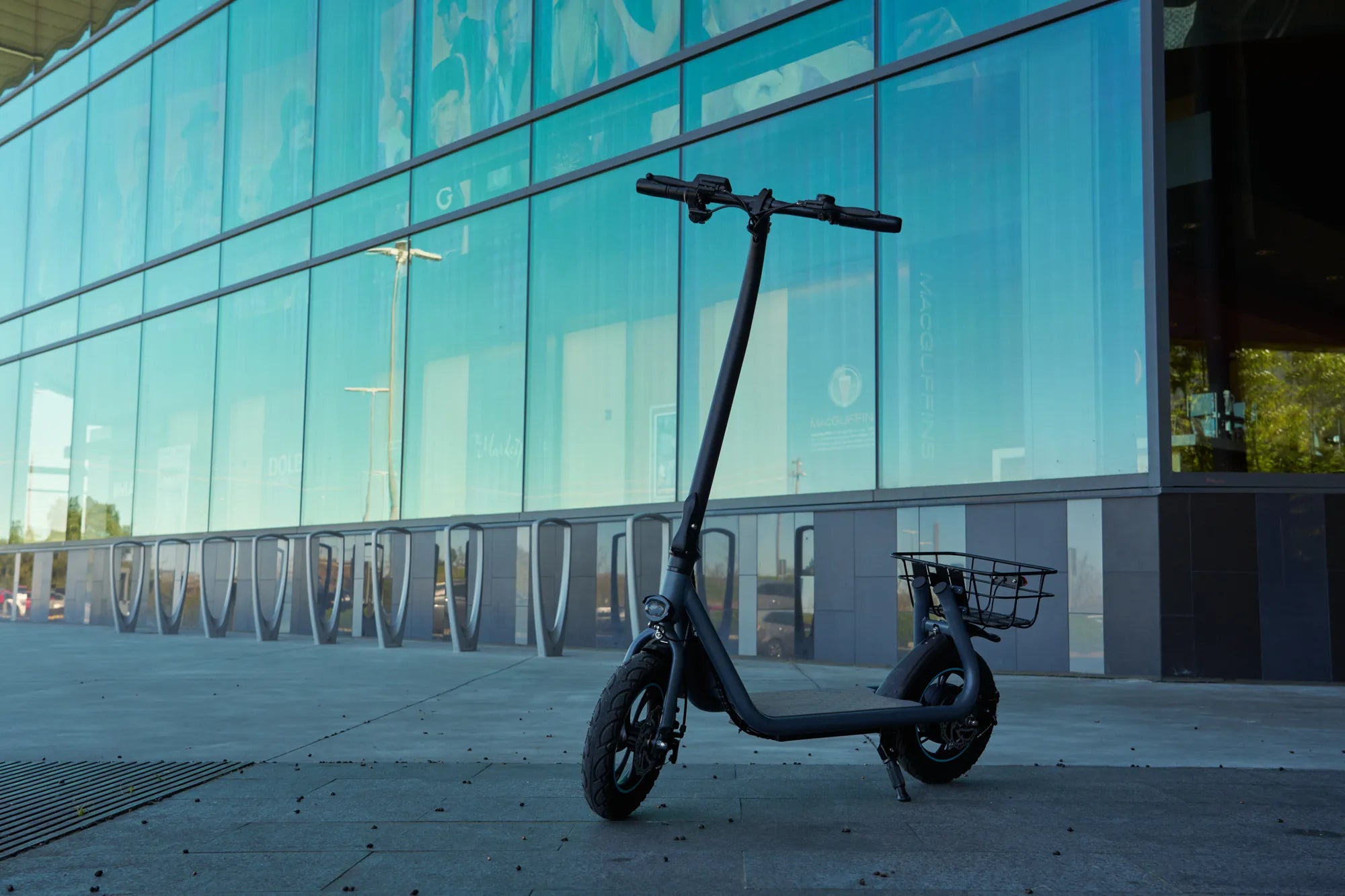
The modern electric scooter is defined by portability and convenience. Most models, including Gyroor's lineup, feature a lightweight, foldable aluminum frame. This design allows for easy carrying and storage in tight spaces like under a desk or in a car trunk.
Key attributes include an always-available electric motor, requiring minimal physical effort. Brands like Gyroor enhance reliability with UL-certified battery packs and IPX5 water-resistant construction. This combination offers a practical, low-maintenance solution for short urban trips.
The Bicycle Profile
The traditional bicycle offers proven benefits of physical exercise and mechanical simplicity. With no battery to charge, it provides unlimited range constrained only by rider stamina. Basic maintenance is often straightforward for common issues like flat tires.
The electric bicycle (e-bike) merges traditional cycling with pedal-assist technology. It reduces effort on hills and over long distances but adds significant cost, weight, and complexity. E-bikes are less portable than scooters and often require dedicated parking.
Head-to-Head Comparison: Key Decision Factors
This structured analysis breaks down the critical variables for your decision. We will examine real-world performance metrics, practical usability, and long-term considerations to provide a clear picture.
Commute Efficiency & Range
For pure point-to-point speed in dense urban cores, electric scooters often have an edge. Their compact size allows for nimble navigation through traffic and shorter stopping distances. The average commuter electric scooter travels at 15-20 mph, matching city traffic flow.
Bicycle speed is highly dependent on rider fitness. An average cyclist might maintain 10-14 mph. E-bikes can match scooter speeds but are bulkier in traffic. Range is a key differentiator: most commuter scooters offer 15-25 miles per charge, while a cyclist's range is unlimited, and e-bikes can achieve 30-60 miles.
Portability & Storage
This category is a decisive win for the electric scooter. The ability to fold and carry a 30-40 lb vehicle transforms multi-modal commuting. You can seamlessly take it on a bus, train, or into an elevator without issue.
Bicycles, even lightweight ones, require bike racks, locks, and dedicated storage. Bringing a bicycle into an office or apartment is often impractical. This makes the scooter the superior choice for apartment dwellers, students, and anyone combining transit modes.
Physical Effort & Practicality
An electric scooter requires almost no physical exertion. You stand, accelerate, and brake. This means you can commute in work clothes or formal attire without breaking a sweat. It's a tool for effortless transportation.
A bicycle, even an e-bike, requires pedaling and engages core muscles. This provides excellent exercise but often leads to sweating, requiring a change of clothes or shower facilities at your destination. The practical difference for daily commuting is substantial.
Safety & Terrain Handling
Safety is multifaceted. Bicycles, with larger wheels (typically 26-29 inches), offer greater stability and smoother handling over potholes and uneven pavement. Their riding position is also generally more stable.
Electric scooters have smaller wheels (8-10 inches), making them more sensitive to road imperfections. However, quality models from trusted brands feature dual braking systems, bright headlights, and taillights. The most critical safety factor for both is always rider behavior: wearing a helmet, obeying traffic laws, and staying alert.
Direct Comparison Table: Scooter vs Bicycle
| Factor | Electric Scooter | Traditional Bicycle | E-Bike |
|---|---|---|---|
| Avg. Upfront Cost | $300 - $1,200 | $200 - $800 | $1,000 - $3,000+ |
| Commute Speed | 15-20 mph | 10-14 mph | 15-28 mph (assist) |
| Effective Range | 15-25 miles | Unlimited (rider fitness) | 30-60 miles |
| Portability (Weight) | High (25-45 lbs, foldable) | Low (20-30 lbs, not foldable) | Very Low (45-70 lbs) |
| Physical Effort | Very Low (Stand & Go) | High (Full Pedaling) | Moderate (Pedal Assist) |
| Maintenance Level | Low (Few moving parts) | Moderate (Chain, gears, tires) | High (Battery, motor, drivetrain) |
| Primary Use Case | Last-mile, multi-modal, errands | Exercise, recreation, local trips | Longer commutes, hilly terrain, cargo |
Making Your Choice: Which Rider Are You?
The best vehicle is the one that aligns with your personal circumstances. Use these rider profiles to identify which category most closely matches your lifestyle and needs for the scooter vs bicycle decision.
The Urban Apartment Dweller & Multi-Modal Commuter
If you live in a small apartment, rely on buses or trains, and need to store your vehicle indoors, the electric scooter is your ideal match. Its foldable design solves storage nightmares. You can carry it onto public transit for the main leg of your journey, then unfold it for the final mile. This seamless integration is unmatched by a bicycle.
The Fitness-Oriented Rider or Errand Runner
If your primary goal is exercise, cardiovascular health, or you run local errands without combining transit, a traditional bicycle is a perfect fit. It provides a full-body workout, has virtually no range anxiety, and is simple to maintain. For those who want assistance on hills or longer recreational rides but still want to pedal, a quality e-bike is a worthy investment.
The Value-Conscious & Low-Maintenance Seeker
For those prioritizing predictable costs and minimal upkeep, a well-built electric scooter presents a strong case. While the initial cost is higher than a basic bike, maintenance is often lower—no chain to lube, no derailleurs to adjust. Brands like Gyroor support this with a comprehensive 1-year warranty and UL-certified components designed for durability, offering long-term value and peace of mind.
Frequently Asked Questions (FAQ)
Q1: Are electric scooters legal in my city?
Laws vary greatly by municipality. Always check local ordinances regarding where you can ride (bike lanes, roads, sidewalks), speed limits, age requirements, and helmet laws. Most cities have specific rules for motorized scooters.
Q2: Can an electric scooter handle hills?
Yes, but capability depends on motor power and torque. A scooter with a 350W-500W motor, like many in Gyroor's range, can comfortably handle moderate hills (10-15% grade). Higher wattage motors provide even better hill-climbing performance.
Q3: What about weather? Is the scooter water-resistant?
Many modern scooters have water-resistance ratings. For example, an IPX5 rating, like on Gyroor models, means the scooter is protected against water jets from any direction. This makes it safe to ride in light rain or on wet roads, but it is not waterproof and should not be submerged or ridden through deep puddles.
Q4: How does the warranty and support compare?
Bicycle support is typically handled through local bike shops, with warranty terms varying by manufacturer. Electric scooter companies like Gyroor often provide direct, structured support with a clear 1-year comprehensive warranty covering the battery, motor, and frame, backed by US-based customer service teams.
Q5: Which is safer in traffic?
Both can be safe with proper riding. Bicycles are more visible due to size and rider height. Scooters are more maneuverable. The key to safety for both is being predictable, using lights and reflectors, wearing a helmet, and following all traffic laws. Defensive riding is paramount regardless of vehicle.
Conclusion: The Smart Choice for Your Journey
The scooter vs bicycle debate resolves into a question of personal priority. For unmatched portability, seamless multi-modal travel, and effortless commuting, the electric scooter stands out. For dedicated exercise, simpler mechanics, and unlimited range, the traditional bicycle excels. The e-bike bridges the gap for those needing assistance over longer or hillier distances.
Your daily routine, storage situation, and fitness goals should guide your choice. If the electric scooter's profile aligns with your urban life, choosing a reliable brand with certified safety features is crucial. Explore the engineering and rider-focused design of the Gyroor collection, trusted by over 100,000 riders for its UL-certified batteries and robust warranty. Find the model that powers your commute.
Browse the full Gyroor collection at gyroorboard.com
What Does a Dirt Bike Look Like: Anatomy of an Off-Road Machine
Reputable E-Bike Brands: A Guide to Safety, Quality, and Trust