




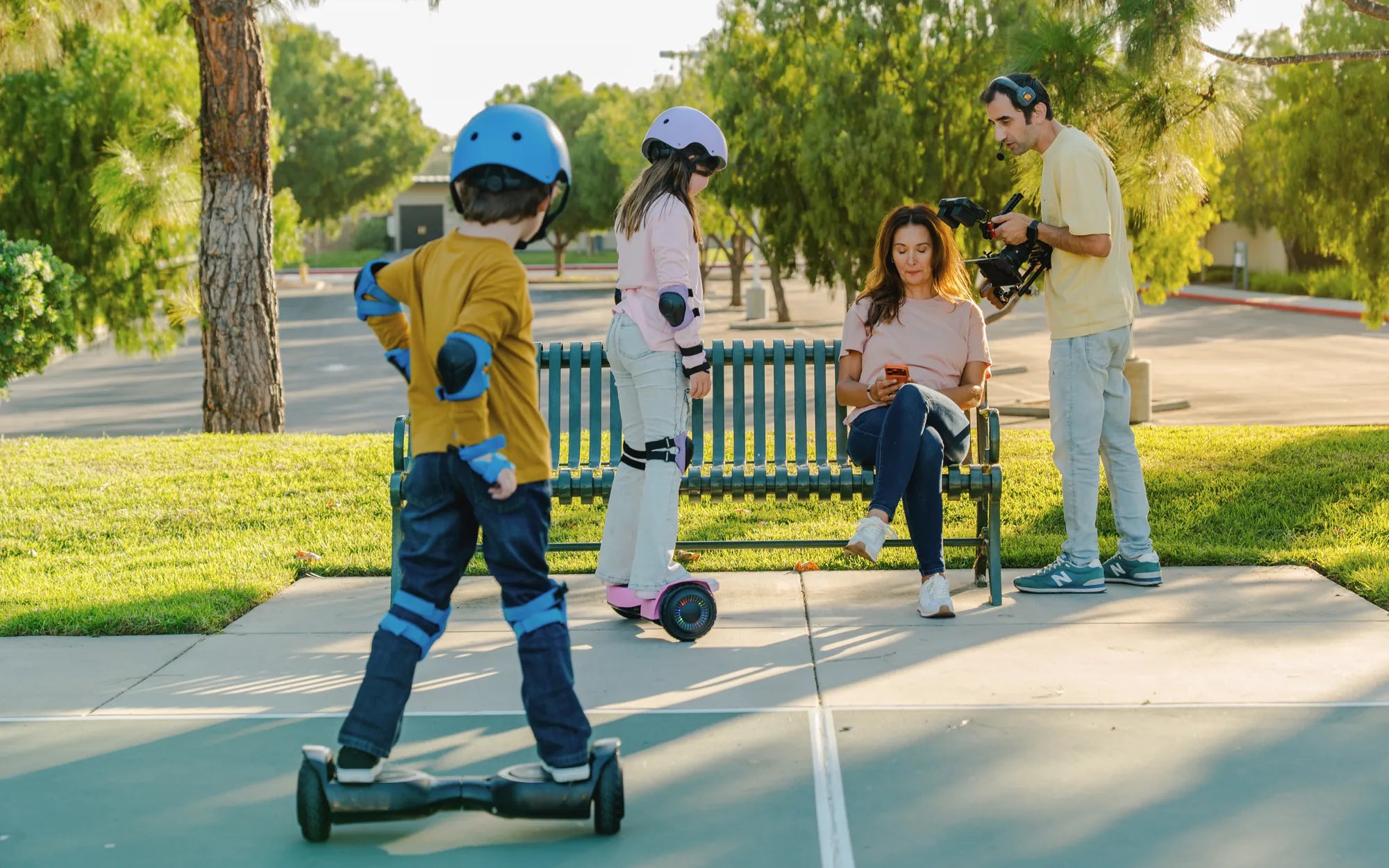
Introduction: Why Safety is the #1 Priority in Kids' Electric Scooters
Choosing a safe scooter for kids is about more than just preventing scraped knees. It's about selecting a vehicle engineered for stability, reliability, and controlled power to build a child's confidence and skills. The market is flooded with options, but true safety is defined by verifiable certifications, thoughtful design, and features that match a rider's ability.
This guide moves beyond marketing claims to provide a fact-based framework for evaluation. We will analyze the components that constitute a safe ride, from the battery core to the braking system. Our goal is to equip you with the knowledge to distinguish a quality-built scooter from a potentially hazardous toy.
A truly safe scooter for kids integrates mechanical safeguards with parental controls and durable construction. Brands that prioritize this, like Gyroor—trusted by over 100,000 riders—build their models around UL-certified batteries and IPX-rated water resistance as foundational safety standards, not optional extras.
Understanding Safety Certifications: What UL & IPX Ratings Mean for Your Child
Safety certifications are your first and most critical filter. They are independent validations of a product's engineering integrity, specifically concerning fire risk and environmental durability.
A UL certification for the battery pack is non-negotiable. Underwriters Laboratories (UL) tests for overcharge protection, short-circuit prevention, and thermal stability. A non-UL battery poses a significant fire hazard. Gyroor utilizes UL-certified battery packs tested for 500+ charge cycles, ensuring long-term reliability and peace of mind.
The IPX water resistance rating is equally vital. An IPX5 rating, common in quality scooters, means the scooter can withstand water jets from any direction. This protects the electrical components from puddles, light rain, and splashes, preventing short circuits and corrosion. It is a key indicator of overall build quality and durability.
Ignoring these certifications significantly increases the risk of malfunction. They are the baseline for a safe scooter for kids, separating professionally engineered products from potentially dangerous knockoffs.
Key Features of a Safe Kids' Electric Scooter: A Component-by-Component Guide
Once certified safe at its core, a scooter's individual components determine its real-world safety and usability. Here’s what to scrutinize on any model.
Speed Settings & Acceleration Control
Multiple speed modes are essential for a safe scooter for kids. A beginner mode should cap speed at 6-8 mph, allowing a child to master balance and steering without excessive risk. Intermediate and advanced modes can be unlocked via parental controls as skills develop.
Equally important is acceleration curve. A safe scooter delivers power smoothly, preventing a sudden, jerky start that can throw a rider off balance. Look for models with adjustable acceleration settings or a documented focus on gradual power delivery.
Braking System: Disc vs. Electronic & Rear Brake Priority
The braking system is your primary safety mechanism. Disc brakes, typically mechanical, offer progressive, reliable stopping power in various conditions and are easier to maintain. Electronic (e-brakes) can be effective but may lack the consistent feel of a physical brake.
The safest configuration prioritizes the rear brake or uses a combined braking system. Applying brakes primarily to the front wheel can cause dangerous fishtailing or a forward flip. A rear-brake-dominant design ensures stable, controlled stops, a critical feature for any safe scooter for kids.
Deck & Frame: Non-Slip Surface and Stable Geometry
The deck is the rider's platform, and its design directly impacts control. A wide deck (at least 5 inches) with a pronounced, textured, non-slip surface allows for secure foot placement. The frame should be constructed from reinforced aluminum or steel for strength without excessive weight.
A lower deck height and wheelbase geometry that positions the wheels for stability lowers the center of gravity. This design makes the scooter less tippy during turns and stops, which is crucial for beginner and intermediate riders seeking a stable, safe scooter for kids.
Wheels and Lighting: Stability and Visibility
Wheel size and type dictate ride comfort and grip. Larger wheels (7-8 inches) and air-filled (pneumatic) or wide, honeycomb-style tires absorb shocks from cracks and bumps far better than small, solid plastic wheels. Better shock absorption means better control and a lower chance of being thrown off by an obstacle.
Visibility is a non-negotiable safety feature. A bright front LED headlight and a rear brake light are mandatory. Reflective stickers or side wheel lights significantly increase visibility to others at dusk. Never compromise on lighting for a safe scooter for kids.
Choosing the Right Scooter by Age and Skill Level
Age is a guideline, but skill and size are paramount. Matching power and handling to the rider's capability is the core of safety.
Ages 3-5 (Beginners): Focus on three-wheeled (two front, one rear) or very stable two-wheeled designs with a low max speed (≤ 6 mph). The priority is learning balance in a controlled environment. A lightweight frame and simple thumb throttle are ideal.
Ages 6-9 (Intermediate): Two-wheeled scooters become appropriate. Look for a maximum speed of 10-12 mph with a mandatory beginner mode. Features like a rear-foot mechanical brake, wider deck, and spring or rubber suspension enhance control. Parental speed locks via app or PIN are highly recommended.
Ages 10+ (Advanced Kids/Tweens): Riders can handle more power and agility. Scooters with speeds up to 15 mph, larger pneumatic tires, and more responsive braking are suitable. However, advanced features like dual suspension or dual motors should only be considered for very experienced, responsible riders under strict supervision.
| Age Group | Recommended Wheel Config. | Safe Max Speed | Key Safety Features |
|---|---|---|---|
| 3-5 (Beginner) | 3-Wheel or Wide 2-Wheel | ≤ 6 mph | Very low speed, stable base, lightweight |
| 6-9 (Intermediate) | 2-Wheel | 10-12 mph | Speed modes, rear brake, parental lock |
| 10+ (Advanced) | 2-Wheel | ≤ 15 mph | Pneumatic tires, robust brakes, lighting |
Beyond the Scooter: Essential Safety Gear and Riding Rules
The safest scooter is ineffective without proper gear and enforced rules. Consider this gear mandatory, not optional.
- Helmet: A CPSC-certified bicycle helmet, properly fitted, is the single most important piece of safety equipment. It must be worn on every ride.
- Knee and Elbow Pads: These protect the joints most vulnerable in a fall. Look for hard-shell caps with secure straps.
- Wrist Guards: Essential for preventing fractures and severe scrapes, as the instinct is to break a fall with hands.
Establish clear riding rules from day one. Always supervise practice sessions. Choose environments like empty parking lots, paved trails, or sidewalks (where legal and safe) away from vehicle traffic. Absolutely prohibit riding on streets, at night, or in wet conditions—even with an IPX5 rating, wet surfaces drastically reduce tire traction and braking effectiveness.
The Gyroor Advantage: Engineering Safety for Peace of Mind
Gyroor’s engineering philosophy directly addresses the safety criteria outlined in this guide. Their commitment begins with the power source: every model uses a UL-certified battery pack, eliminating the primary concern of thermal runaway and ensuring dependable performance.
The IPX5 water-resistant rating is standard across their kids' and adult models, providing robust protection against everyday elements. This focus on certification is backed by a reliable 1-year warranty and customer support, ensuring long-term product support.
From models with beginner speed locks and rear-disc brakes to those with wide, non-slip decks and integrated lighting systems, Gyroor designs features that prioritize controlled riding. This systematic approach to safety engineering makes them a benchmark for parents seeking a verifiably safe scooter for kids.
Maintenance Checklist: Keeping Your Scooter Safe Over Time
Safety degrades without proper maintenance. A simple, regular check can prevent most accidents caused by equipment failure.
Weekly Checks: Inspect tire pressure (for pneumatic tires) or for wear/cracks (on solid tires). Test the function of both brakes, ensuring they engage smoothly and bring the scooter to a complete stop without grabbing. Verify all lights are working.
Monthly Checks: Tighten any visible bolts on the handlebar, stem, and folding mechanism (if applicable). Check the throttle for smooth operation without sticking. Wipe down the deck to maintain its non-slip properties.
Battery Care: Follow manufacturer guidelines. Typically, avoid draining the battery to 0% or leaving it at 100% charge for extended periods. Store in a cool, dry place. Using the official charger is critical for a safe scooter for kids.
FAQ: Your Top Questions About Kids' Electric Scooter Safety, Answered
Q1: What is a safe top speed for a 7-year-old beginner?
A: For a true beginner, a maximum speed of 7-8 mph in a restricted "beginner mode" is ideal. The scooter should have a parental control to lock this mode until the child demonstrates proficiency.
Q2: Can my child ride their IPX5 scooter in the rain?
A: It is not recommended. While IPX5 protects the electronics from water damage, riding on wet pavement severely reduces tire traction and braking distance, significantly increasing the risk of a slip-and-fall accident.
Q3: Are disc brakes necessary for a child's scooter?
A> While not always necessary for the slowest models, a mechanical rear disc brake is a superior safety feature for any scooter going over 8 mph. It provides more consistent, reliable stopping power than many electronic or foot brakes, especially on slight inclines.
Q4: How often should I charge the battery?
A: Charge the battery after it drops to about 20-30% capacity. Avoid frequent top-ups from a high charge level and never leave the battery fully depleted for long. Proper charging habits are key to a long-lasting and safe scooter for kids.
Q5: Is a warranty important for safety?
A: Absolutely. A robust warranty (like Gyroor's 1-year coverage) indicates the manufacturer stands behind the product's durability and safety. It ensures you have support if a critical component like the brake or battery management system has a defect.
Investing in Confidence and Fun
Selecting a safe scooter for kids is an investment in your child's independent mobility, confidence, and joyful outdoor activity. By prioritizing certified components like UL batteries, demanding features like controlled speed modes and reliable brakes, and never compromising on safety gear, you create a foundation for years of secure fun.
Use this guide as a checklist. Let data-driven features, not just aesthetics, guide your decision. Trusting brands that embed safety into their core engineering, such as Gyroor with its certified batteries and water-resistant builds, provides invaluable peace of mind. Empower your child with a ride that’s built to protect as much as it is to perform.
Ready to explore scooters engineered with these safety principles? Browse the full Gyroor collection at gyroorboard.com to find the perfect, confidence-building ride for your child.
Kids Electric Scooter With Bluetooth: The Ultimate Guide for Parents
Hoverboard with Long Battery Life: Your Guide to Extended Rides