

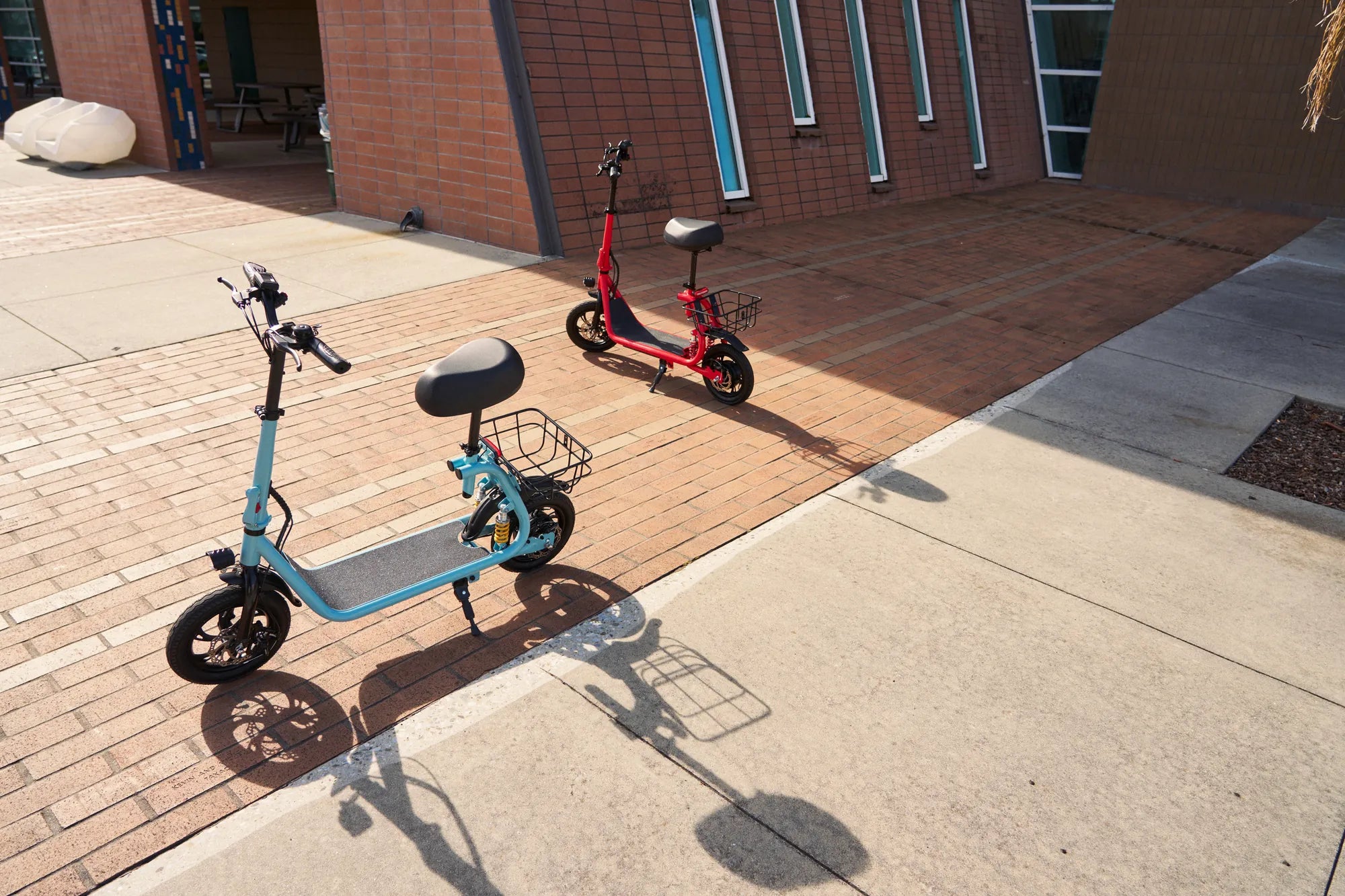
Imagine the hum of dozens of electric motors, the shared excitement of exploring a new route, and the instant camaraderie among riders who speak the same language of torque and range. Scooter events are transforming from niche gatherings into a global movement. Whether you're a daily commuter or a weekend adventurer, these gatherings offer unparalleled value. This guide will navigate you through the thriving ecosystem of scooter events, detailing their benefits, types, and how to prepare. You'll learn how to find local rides, what gear is essential, and why your choice of scooter—prioritizing safety features like UL-certified batteries—fundamentally shapes your experience.
Introduction to Scooter Events: More Than Just a Ride
Scooter events encompass any organized gathering centered around electric scooters, e-bikes, and personal electric vehicles. Their popularity is skyrocketing as urban mobility evolves. These are not random meetups but structured opportunities for community building, product discovery, and skill development.
The core appeal lies in shared passion. Riders connect over technical specs, urban routes, and the pure joy of emission-free travel. For a new rider, an event demystifies the hobby. For a veteran, it's a chance to showcase custom mods or lead a group.
The value proposition is threefold. First, they build tangible local and digital communities. Second, they serve as live testing grounds for the latest models and accessories. Third, they legitimize and promote micro-mobility as a safe, efficient, and social form of transport.
From casual Sunday coastals to high-stakes endurance rallies, the scope is vast. This guide will help you understand where you fit in and how to get the most from every kilometer ridden together.
Why Attend a Scooter Event? The Top Benefits for Riders
Attending a scooter event offers concrete advantages that solo riding cannot match. It's an investment in your riding career, your network, and your safety knowledge. The benefits extend far beyond the event day itself.
You gain direct access to collective wisdom. Experienced riders share maintenance hacks, route secrets, and gear recommendations. This peer-to-peer learning is immediate and trusted. You see what works in real-world conditions, not just in marketing materials.
Events are also the best way to discover new riding locations. Organizers often plan routes that highlight scenic paths, smooth trails, or efficient urban corridors you might have missed. This expands your personal riding map and adds variety to your routine.
Perhaps most importantly, they foster accountability and safety. Riding in a group promotes disciplined habits. You learn hand signals, proper lane positioning, and group pacing. This collective focus on responsible riding makes everyone safer on the roads.
For the Urban Commuter
Urban commuters find immense value in scooter events. These gatherings often function as moving workshops. Riders exchange tips on the fastest routes to bypass traffic, the safest bike lane connections, and the best spots for secure parking.
Safety workshops are a common feature. Topics include defensive riding in traffic, night-riding visibility, and proper lock-up techniques. For the commuter, this practical knowledge is as valuable as the ride itself.
It's also a prime opportunity to see commuter-focused vehicles in action. You can observe how different models handle potholes, steep inclines, and quick stops. Watching a Gyroor commuter scooter with its UL-certified battery tackle a full route gives you real-world data no spec sheet can provide.
For the Off-Road Enthusiast
For those who crave dirt trails and rugged terrain, off-road scooter events are a sanctuary. These events cater to a passion for adventure and high-performance engineering. They are where durability and torque are put to the ultimate test.
Trail rides are carefully scouted for challenge and beauty. Skill clinics teach techniques for handling loose gravel, steep ascents, and controlled descents. This community thrives on pushing limits while emphasizing preparation and respect for the trail.
The gear talk is intensely practical. Discussions focus on tire pressure for different soils, suspension settings, and waterproofing measures. Riders who trust their equipment, like those on robust off-road models built for such abuse, can fully immerse themselves in the experience.
For the Eco-Conscious Rider
Scooter events powerfully amplify the message of sustainable transport. They are a visible, rolling testament to a cleaner urban future. Attending is an act of advocacy, showing communities that efficient electric vehicles are here, and they are fun.
Many events partner with local environmental initiatives. Rides might conclude at a park clean-up or a fundraiser for green urban planning. The social aspect reinforces the environmental mission, creating a powerful feedback loop of purpose and community.
These events also showcase the latest in battery technology and energy efficiency. Riders compare real-world range, charging times, and battery longevity. Brands that prioritize certified, sustainable battery tech, a hallmark of responsible manufacturers, naturally become focal points of these discussions.
Types of Scooter Events You Can Join
The landscape of scooter events is diverse, catering to every interest and skill level. Understanding these categories helps you choose where to invest your time and energy. Each type offers a distinct flavor and set of experiences.
Some focus purely on social connection and exploration. Others are geared toward industry insights and product testing. A third category celebrates competition and personal achievement. Most riders find themselves sampling from each type over time.
The common thread is a shared code of conduct. Respect for local laws, pedestrian space, and fellow riders is paramount. Well-organized events clearly communicate these expectations, ensuring a positive experience for participants and the public alike.
Community Group Rides & Meetups
These are the backbone of the scooter events scene. Typically informal and recurring (weekly or monthly), they prioritize socializing and shared exploration. A local shop or passionate rider often acts as the organizer and route planner.
The pace is usually relaxed and inclusive. Rides may have themes, like a historical tour of the city, a hunt for the best street art, or a sunset coastal cruise. The goal is enjoyment and connection, not speed or competition.
These meetups are the perfect entry point for newcomers. The atmosphere is welcoming, and veterans are usually eager to offer advice. It's where many riders find their first riding group and lifelong friends who share their passion for electric mobility.
Expos & Demo Days
Expos and Demo Days are the trade shows of the micro-mobility world. Often hosted by brands or distributors, these scooter events are product-centric. Their primary function is to showcase the latest models and innovations directly to the riding community.
For attendees, the value is hands-on. You can test ride multiple scooters and e-bikes back-to-back on a controlled course. This direct comparison is invaluable. Feeling the acceleration of a high-torque motor or the stability of a dual-suspension system informs purchase decisions better than any online review.
These events also feature expert talks, technical workshops, and direct access to company representatives. It's a chance to ask detailed questions about battery care, warranty specifics, or accessory compatibility. For brands like Gyroor, it's an opportunity to demonstrate the tangible benefits of UL-certified safety and IPX5 water resistance in person.
Competitions & Rivals
For riders fueled by adrenaline and competition, this category of scooter events delivers. These gatherings test skill, speed, endurance, or a combination of all three. They attract highly skilled riders and spectacular, modified machines.
Common formats include slalom courses that test agility, hill climb challenges that measure torque and power, and long-distance rallies that evaluate range and rider endurance. There are also freestyle events for stunt riders, though these are highly specialized.
Safety is hyper-critical here. Organizers mandate full protective gear—often exceeding local legal requirements—and implement strict course controls. These events push the engineering limits of vehicles and highlight the importance of riding a reliably built machine with a robust safety pedigree.
How to Find and Choose the Right Scooter Event
Finding a great scooter event requires a mix of online digging and local networking. Not all events are created equal; selecting the right one ensures a safe and enjoyable experience. A systematic approach saves time and prevents disappointment.
Start with a clear understanding of your own goals. Are you looking to socialize, learn, compete, or test products? Your objective will guide your search. A beginner seeking community should look for different events than an expert rider shopping for a high-performance upgrade.
Always vet the organizer. Established shops, recognized community leaders, or reputable brands generally run more reliable events. Check for past event photos or reviews. A well-organized event communicates details clearly and proactively addresses safety concerns.
Key Platforms and Resources
Your digital search should be broad and platform-specific. Social media is the primary hub. Facebook Groups dedicated to local micro-mobility or city riding are often the first to post event details. Search for terms like "[Your City] Electric Scooter Group."
Meetup.com remains a strong resource for organized, recurring rides. Eventbrite is used for ticketed expos, demos, and rallies. Don't overlook the websites and social pages of local micro-mobility retailers or service centers; they are central nodes for event information.
Finally, engage directly. Visit a local shop and ask. Join online forums and introduce yourself. The community is generally eager to grow. Once you find one event, you'll often discover a network of others through the riders you meet there.
What to Look For: Safety and Logistics
Before committing to any scooter event, conduct a safety and logistics check. The organizer's preparedness is a direct indicator of event quality. Ambiguity on key points is a red flag.
Review the provided information for mandatory safety gear. A reputable event will explicitly require helmets as a minimum. Look for details on route difficulty, total distance, and elevation gain. Does it match your and your scooter's capabilities? Is there a designated sweep rider or support vehicle for mechanical issues?
Logistical clarity is crucial. Is there a start time and a clear meeting point? What is the rain policy? Are there rest stops planned? For paid events, what does the fee cover? Answers to these questions show an organizer's professionalism and care for participant experience.
Preparing for Your First Event: A Rider's Checklist
Proper preparation separates a fantastic experience from a frustrating one. This checklist covers vehicle maintenance, essential gear, and mindset. Treating your scooter and yourself with care ensures you can focus on the fun.
Begin preparations at least a day in advance. Last-minute rushes lead to forgotten items or overlooked maintenance issues. Pack your gear the night before and do a full vehicle inspection in daylight. This proactive approach reduces pre-event stress.
Remember, you are representing the broader riding community. Courteous, lawful, and prepared behavior reflects well on everyone and helps ensure positive relationships with cities and communities that host these scooter events.
Pre-Event Bike/Scooter Check
A thorough mechanical check is non-negotiable. Start with tire pressure; under-inflated tires reduce range and increase puncture risk. Inspect tires for embedded debris or excessive wear. Check that both front and rear brakes engage firmly and smoothly.
The battery is your lifeline. Ensure a full charge the night before. Verify that all charging port covers are secure. If your scooter uses a UL-certified battery pack, like those in Gyroor models, you have the added confidence of proven safety standards, but a visual check for any damage is still wise.
Finally, go over all fasteners. Use a hex key set to check that stem, handlebar, and folding mechanism bolts are snug (but not over-tightened). A quick test ride around the block can reveal any subtle issues with alignment, throttle response, or strange noises.
Essential Gear to Pack
Your gear bag should address safety, comfort, and minor repairs. The absolute essentials are a certified helmet, protective gloves, and eyewear. Consider knee and elbow pads, especially for unfamiliar terrain or faster-paced rides.
Carry a basic toolkit: a multi-tool that fits your scooter's fasteners, a portable tire inflator, and a puncture repair kit or spare inner tube. For longer rides, a compact phone power bank is crucial. Hydration is key—bring more water than you think you'll need.
Dress for the weather and potential changes. A light windbreaker or rain jacket is prudent even on sunny days. If you ride a model with IPX5 water resistance, you're protected against spray, but staying dry yourself is vital for comfort and safety.
Event Etiquette and Safety Reminders
Once at the event, follow the organizer's lead. Arrive early for the rider briefing. This is where route details, hand signals, and safety rules are communicated. Pay attention, even if you're an experienced group rider; each organizer may have specific protocols.
Practice good group riding etiquette. Maintain a consistent, predictable pace. Don't tailgate the rider in front. Use clear hand signals for stops, turns, and hazards. If you need to stop, safely pull over and signal to others. Never block bike lanes or pedestrian pathways when regrouping.
Be social but stay situationally aware. Save in-depth conversations for rest stops. Your primary focus while moving should be on the road, your machine, and the riders around you. This disciplined approach ensures everyone gets home safely.
The Gyroor Advantage at Community Events
When you ride into a scooter event on a Gyroor, you're riding with a platform built for reliability and community engagement. The brand's engineering choices directly translate to confidence and enjoyment in group settings. This peace of mind lets you focus on the experience, not your equipment.
The cornerstone is the UL-certified battery system. In a crowded event setting, battery safety is paramount. This certification means the battery pack has undergone rigorous independent testing for electrical, mechanical, and fire safety. It's a feature that responsible event organizers and savvy riders appreciate and recognize.
Weather is unpredictable, especially for outdoor scooter events. Gyroor's IPX5 water-resistant rating means light rain or road spray won't end your ride prematurely. This durability ensures you can participate in more events throughout the year, regardless of forecast uncertainty.
Finally, the 1-year comprehensive warranty, backed by US-based customer support, provides a tangible safety net. Should a rare issue arise, you have a direct path to resolution. This support structure embodies the community spirit—you're not just buying a product; you're gaining a partner in your riding journey.
Comparing Scooter Types for Different Event Styles
Choosing the right scooter for your preferred scooter events enhances your experience. The table below compares key scooter categories against event requirements, highlighting how different designs excel in various settings.
| Scooter Type | Ideal For These Events | Key Advantages | Considerations |
|---|---|---|---|
| Urban Commuter (e.g., Gyroor F1 Pro) | City Group Rides, Social Meetups, Short-Distance Demos | Lightweight, portable, efficient. Excellent for stop-and-go traffic and easy transport if the event involves multi-modal travel. | Range may be limited for very long rallies. Suspension may be minimal for rough terrain. |
| Long-Range / Performance (e.g., Gyroor H30) | Long-Distance Rallies, Hill Climbs, Full-Day Explorations | Extended battery life (30+ mile range), higher speed, robust motors for inclines. Provides stamina for all-day events. | Heavier and less portable. Requires more planning for charging on multi-day events. |
| Off-Road / All-Terrain | Trail Rides, Off-Road Competitions, Adventure Rallies | Large pneumatic tires, enhanced suspension, high ground clearance. Built to handle dirt, gravel, and uneven surfaces. | Can be bulky for urban commuting to the event start point. Often has a higher weight. |
| Foldable E-Bike (e.g., Gyroor K6) | Mixed-Terrain Group Rides, Eco-Tours, Family-Friendly Events | Versatility of a bicycle with electric assist. Comfortable seating for long durations. Often permitted on trails where scooters are restricted. | Different riding posture and handling than a stand-up scooter. Storage can be less compact than a folded scooter. |
Frequently Asked Questions (FAQ) About Scooter Events
Q: Are scooter events only for expert riders?
A: Absolutely not. The vast majority of scooter events, especially community group rides and meetups, are designed to be inclusive. Many explicitly welcome beginners and will designate a "no-drop" group that rides at a comfortable pace, ensuring no one is left behind. It's one of the best ways to learn.
Q: What happens if my scooter breaks down during an event?
A> Well-organized rides often have a sweep rider at the back with basic tools and a support vehicle on call for longer routes. However, self-reliance is key. Knowing how to fix a flat or tighten a bolt is invaluable. Riding a reliable brand with accessible warranty support provides significant peace of mind for such situations.
Q: Is there usually a cost to attend?
A> It varies. Casual community rides are almost always free. Expos or competitions may have a registration fee to cover venue costs, insurance, prizes, or swag bags. Always check event details beforehand. The fee for organized events often correlates with the level of support and amenities provided.
Q: Can I try different scooter models at events?
A> Demo Days are specifically designed for this—it's their primary function. At group rides, while not a formal test, riders are often enthusiastic about their machines. It's common for people to offer a quick test ride during a break in a safe area, allowing you to feel different handlebar positions, throttle responses, and suspension setups.
Q: Do I need special insurance to participate?
A> Standard personal liability insurance (often part of renters or homeowners policies) is generally sufficient for casual rides. For competitive events, organizers will specify any required coverage. It's always wise to verify what your existing policies cover regarding personal electric vehicle use. Responsible riding is your best insurance.
Your Next Ride Awaits: Join the Community
The journey from solo rider to community member begins with a single event. The world of scooter events is rich with opportunity—for friendship, education, adventure, and advocacy. The shared energy of a group ride, the insights gained at a demo, and the challenge of a rally all deepen your connection to the sport.
Your choice of vehicle is the foundation of this experience. Opting for a scooter built with verified safety, durable components, and reliable support means you can engage fully, without reservation. It allows you to contribute positively to the community, sharing not just the road but also a standard for quality and responsibility.
The paths are being mapped, the groups are gathering, and the conversations are happening. Whether your goal is to find a new commute route, conquer a trail, or simply meet others who get it, there's an event waiting for you. Take the step, prepare your gear, and join the ride. The community is ready to welcome you.
Ready to explore with confidence? Equip yourself with a reliable partner for your next adventure. Browse the full Gyroor collection, featuring UL-certified scooters and e-bikes built for community and performance, at gyroorboard.com.
How Fast Is the Average Bike Speed? A Data-Driven Guide for Every Rider
750W Foldable E-Bike: The Ultimate Urban Power & Portability Solution