



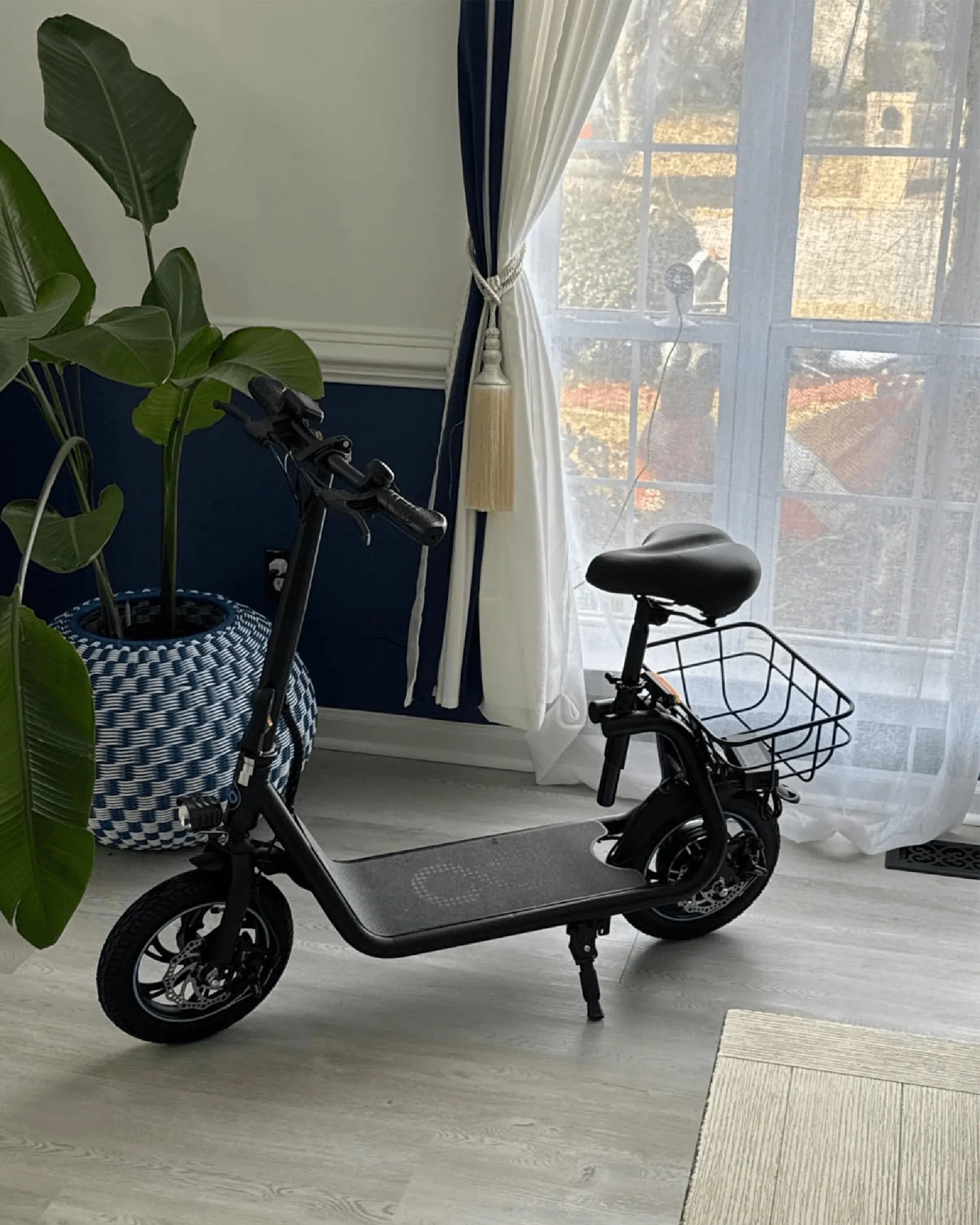
Introduction: The Rise of Kid-Friendly Electric Mobility
Small electric scooters for kids have transformed from niche toys into a mainstream mode of youthful adventure and short-range travel. They represent more than just a thrilling ride; they are tools that foster independence, encourage outdoor activity, and develop coordination and responsibility. This surge in popularity demands a shift in perspective—viewing these scooters not as mere playthings but as skill-building vehicles where safety and quality are paramount.
The market is filled with options, making it crucial for parents to discern between basic toys and well-engineered personal mobility devices. A superior model combines controlled fun with rigorous safety standards, durable construction, and reliable performance. This is where expertise matters. Brands like Gyroor, trusted by over 100,000 riders across North America and Europe for their adult e-scooters and e-bikes, apply the same engineering principles to their youth offerings.
This article will serve as your definitive guide. We will dissect the key features that define a great scooter, provide a detailed parent's guide by age and skill level, and outline essential safety protocols. By the end, you'll be equipped to choose a scooter that delivers endless fun while prioritizing your child's safety above all else.
What Makes a Great Electric Scooter for Kids? Key Features Explained
Selecting the right electric scooter requires looking beyond flashy colors and focusing on core engineering and safety features. The ideal scooter balances performance with protection, ensuring the ride is exciting yet securely within boundaries appropriate for a young rider. Durability, battery safety, and controlled speed are the pillars of a worthwhile investment.
Parents should prioritize components that guarantee longevity and safe operation in real-world conditions. This means evaluating the motor's power in context, the battery's certification and range, the sturdiness of the frame and wheels, and the effectiveness of the braking system. Each element plays a critical role in the overall experience and safety profile of the scooter.
Motor Power & Speed: Finding the Right Balance
Motor wattage in kids' scooters typically ranges from 100W to 250W. This is not about raw power for high speeds but about providing adequate torque for a smooth start and the ability to handle slight inclines. A 120W-150W motor is often perfect for younger riders, offering a stable and manageable power delivery that won't be intimidating.
Speed is the most critical factor to control. Most quality scooters for children have a maximum speed capped between 10 mph (16 km/h) and 15 mph (24 km/h). Crucially, many models feature multiple speed modes (e.g., Beginner: 5 mph, Intermediate: 8 mph, Advanced: 12 mph). These programmable modes allow parents to limit top speed initially, gradually unlocking more power as the child's skill and confidence grow safely.
Battery Life & Range: Planning for Adventure
Battery capacity, measured in Watt-hours (Wh) or Amp-hours (Ah), directly determines how far your child can ride on a single charge. For most kids' models, a realistic range is between 6 and 12 miles (10-19 km). This translates to 1-2 hours of continuous ride time, which is ample for neighborhood adventures or park visits.
Charge times typically vary from 3 to 5 hours. However, the battery's safety certification is infinitely more important than a slightly longer range. This is a non-negotiable feature. Gyroor, for instance, uses UL-certified battery packs tested for over 500 charge cycles. This certification means the battery has undergone rigorous independent testing for risks like overheating, short-circuiting, and fire, providing essential peace of mind.
Build Quality & Durability: Withstanding the Test of Play
A scooter's frame must withstand jumps off curbs, occasional bumps, and general rough treatment. Aircraft-grade aluminum alloys are the standard for quality frames, offering an excellent strength-to-weight ratio. The deck should be wide and covered with a non-slip grip tape to ensure stable footing.
Tire choice significantly impacts ride comfort and safety. Air-filled (pneumatic) tires offer superior shock absorption on uneven surfaces, providing a smoother ride. Solid or honeycomb tires never go flat but offer a firmer ride. A reliable braking system is vital; options include electronic (e-brakes) that engage when the throttle is released, rear foot brakes, or disc brakes for more confident stopping power.
Safety Features You Shouldn't Compromise On
Beyond the core components, specific safety features are essential. Bright LED headlights and taillights are crucial for visibility during dusk rides. A robust kickstand prevents the scooter from tipping over when parked. The handlebars should have ergonomic grips and a design that prevents hands from slipping off.
Perhaps the most important safety feature is a comprehensive warranty. A strong warranty, like Gyroor's 1-year coverage, is a manufacturer's vote of confidence in its product's durability. It protects your investment and ensures support is available if any component fails under normal use, covering critical parts like the motor, battery, and controller.
The Gyroor Advantage: Engineered for Young Riders
Gyroor's approach to kids' electric scooters is defined by transferring the proven technology and safety standards from their adult-oriented products to the youth market. This results in scooters that are not just fun toys but responsibly engineered vehicles. The brand's core principles—battery safety, environmental resilience, and customer support—directly address the top concerns of every parent.
Choosing a scooter from a brand with a track record in personal electric mobility means benefiting from refined engineering. Gyroor's designs incorporate lessons learned from thousands of miles ridden by adults, focusing on reliability, intuitive controls, and built-in safety measures that are often absent in generic toy brands.
UL-Certified Batteries: Our Commitment to Safety First
The lithium-ion battery is the heart of any electric scooter, and its safety cannot be an afterthought. UL (Underwriters Laboratories) certification is the gold standard in North America. For a battery to receive this mark, it must pass a series of extreme tests simulating abuse conditions like overcharging, short circuits, and exposure to high temperatures.
Gyroor's use of UL-certified battery packs means each power unit has been independently verified to meet stringent safety protocols. This certification drastically reduces the risk of battery-related incidents, ensuring the energy source powering your child's scooter is as safe as modern technology can make it. It's a fundamental feature that defines a trustworthy product.
Built to Last: IPX5 Water Resistance and Rugged Design
Kids will ride through puddles, on damp pavement, or in light drizzle. An IPX5 water-resistance rating means the scooter's electrical components are protected against water jets from any direction. This level of ingress protection safeguards the motor, battery compartment, and wiring from water damage caused by wet roads or accidental splashes.
This feature is a cornerstone of durability. It prevents corrosion and electrical faults, extending the scooter's lifespan and reducing maintenance headaches. Combined with a rust-resistant aluminum frame and sealed bearings, an IPX5 rating ensures the scooter is built for real-world play, not just fair-weather use on perfectly smooth driveways.
Support You Can Trust: The 1-Year Warranty Promise
A warranty is a safety net for your purchase. Gyroor's 1-year warranty provides comprehensive coverage for manufacturing defects in the motor, battery, frame, and electronic controls. This commitment reflects the brand's confidence in the quality and durability of its materials and assembly.
This warranty is backed by accessible customer support. Having a responsive team to answer technical questions or guide you through a warranty claim process is invaluable. It transforms the scooter from a disposable item into a supported product, ensuring your family can enjoy it for years to come.
Choosing the Right Model: A Parent's Guide by Age & Skill Level
Matching the scooter to your child's age, size, and riding ability is the single most important step in ensuring a safe and enjoyable experience. A scooter that is too powerful or too large can be dangerous, while one that is underpowered will quickly be outgrown. This guide breaks down recommendations into clear categories.
Always check the manufacturer's recommended age and weight limit. The weight limit ensures the scooter's motor and frame can handle the load safely, while the age recommendation aligns with expected motor skills and judgment. A proper fit means the child can comfortably stand on the deck with feet shoulder-width apart and reach the handlebars without straining.
Ages 6-8: First-Time Riders (Beginner Models)
For this age group, stability and simplicity are key. Look for scooters with a maximum speed of no more than 10 mph (16 km/h), and preferably with a beginner mode as low as 5 mph (8 km/h). A lower deck height makes it easier to step on and off, boosting confidence. The scooter should be lightweight enough for the child to maneuver and for a parent to carry if needed.
Features like a wide wheelbase, a simple thumb throttle, and a single braking system (like an easy-to-press foot brake) are ideal. The focus is on learning balance, throttle control, and basic steering. Bright colors and fun LED lights add to the excitement while increasing visibility.
Ages 9-12: Confident Cruisers (Intermediate Models)
Older, more experienced kids can handle more features and performance. Scooters in this category may offer top speeds up to 15 mph (24 km/h) with multiple speed modes. They often have longer range (up to 12 miles) for extended adventures and more powerful motors (up to 200W) to tackle gentle hills.
Enhanced features become important. Front and/or rear suspension improves comfort on varied terrain. A combination brake system (e.g., electronic plus disc or foot brake) provides more controlled stopping. The design may be more streamlined, and additional features like a digital display showing speed and battery level can appeal to tech-savvy riders.
Key Comparison Table: Gyroor Youth Models at a Glance
| Model Type | Age Range | Max Speed | Max Range | Key Features | Weight Limit |
|---|---|---|---|---|---|
| Beginner (e.g., Gyroor Zippy) | 6-9 years | 10 mph | 6.5 miles | 2 Speed Modes, LED Lights, Kick Start, UL Battery | 120 lbs |
| Intermediate (e.g., Gyroor Ranger) | 9-12 years | 15 mph | 10 miles | 3 Speed Modes, Front Suspension, Dual Brakes, IPX5, Display | 160 lbs |
This table illustrates how specifications evolve with the intended rider. The beginner model emphasizes controlled speed and simplicity, while the intermediate model offers more performance, comfort, and advanced features like suspension and a comprehensive display, all while maintaining core safety standards.
Safety & Riding Tips: Ensuring Every Ride is a Safe One
Owning an electric scooter comes with the responsibility of establishing and enforcing safe riding practices. No matter how well-built the scooter is, proper gear, supervision, and rules are essential to prevent accidents. This section outlines the non-negotiable elements of safe scooter ownership.
Safety is a shared responsibility between the parent and the child. Setting clear expectations before the first ride and consistently reinforcing them creates a culture of safe habits. The goal is to make safety procedures as automatic as putting on a helmet.
Essential Safety Gear: Helmet, Kneepads, and More
A properly fitted helmet is an absolute mandate for every single ride. It should be a bicycle or multi-sport helmet certified by safety organizations like the CPSC (U.S.). Elbow pads and knee pads are highly recommended, especially for beginners. They protect against scrapes and bruises during the inevitable learning-curve falls.
Closed-toe, sturdy shoes (like sneakers) are required—no sandals or flip-flops. Bright or reflective clothing increases visibility to drivers and others, particularly in the early evening. Making this gear a non-negotiable part of the "riding uniform" instills its importance from day one.
Pre-Ride Checklist and Riding Rules
Before each ride, perform a quick inspection. Check that the battery has sufficient charge. Test the brakes to ensure they engage properly. Inspect tires for wear or proper inflation. Ensure the folding mechanism (if present) is fully locked and all bolts are tight. This 60-second routine can prevent malfunctions.
Establish clear family riding rules:
- Supervision: Young or inexperienced riders must be actively supervised.
- Location: Ride only on smooth, paved surfaces like sidewalks (where legal), bike paths, parks, or empty parking lots. Avoid roads with traffic.
- Conditions: No riding at night, in heavy rain, or on wet leaves/gravel.
- Awareness: Be alert for pedestrians, cyclists, and obstacles. Always yield.
- Passengers: Electric scooters are designed for one rider only.
Maintenance Basics for Longevity
Regular maintenance keeps the scooter safe and extends its life. Wipe down the scooter with a damp cloth to remove dirt and debris. Periodically check and tighten bolts and screws, as vibrations can loosen them over time. For scooters with pneumatic tires, maintain the recommended air pressure.
Battery care is crucial. Follow the manufacturer's charging instructions—typically, avoid draining the battery completely and don't leave it plugged in for days after it's fully charged. Store the scooter in a dry, cool place, away from direct sunlight or extreme temperatures. Proper storage during off-seasons will preserve battery health.
Frequently Asked Questions (FAQs)
1. What is the right age for a child's electric scooter?
Most manufacturers design scooters for children aged 6 and up. The right age depends less on a number and more on the individual child's coordination, balance, maturity, and ability to understand and follow safety rules. A responsible 8-year-old beginner is a better candidate than a careless 10-year-old.
2. How fast do kids' electric scooters go?
Speed varies by model. Beginner scooters typically max out at 10 mph (16 km/h), while intermediate models for older kids may reach 15 mph (24 km/h). The most important feature is adjustable speed modes, allowing parents to set a lower limit (like 5-7 mph) while the child is learning.
3. Are electric scooters for kids safe?
They can be very safe when key factors align: a quality scooter with good brakes and a stable design, proper safety gear (especially a helmet), parental supervision appropriate to the child's skill level, and adherence to riding rules in safe environments. Safety is an active process, not a feature.
4. How long does the battery last on a single charge, and how long until it needs replacement?
Ride time per charge is usually 1-2 hours, covering 6-12 miles depending on rider weight, terrain, and speed. The battery itself is designed for hundreds of charge cycles. A quality UL-certified battery, like those from Gyroor tested for 500+ cycles, can last for several years of regular use before its capacity noticeably diminishes.
5. Why choose a Gyroor scooter over other brands?
Gyroor brings adult-grade engineering to the kids' market. This translates to verified safety with UL-certified batteries, real durability with IPX5 water resistance, and reliable support with a 1-year warranty. You're investing in a scooter built to rigorous standards for performance and safety, not just a toy with a motor.
Conclusion: Empowering Independence with Confidence
Small electric scooters for kids offer a unique blend of fun, freedom, and developmental benefits. They encourage outdoor play, improve balance and coordination, and provide a sense of responsible independence. The key to unlocking this positive experience lies in informed selection and a steadfast commitment to safety.
Choosing the right scooter means prioritizing certified battery safety, age-appropriate speed and power, durable and water-resistant construction, and the backing of a strong warranty and customer support. These factors transform a potential hazard into a source of joyful adventure and growth.
Brands that apply serious engineering principles, like Gyroor, offer parents a trustworthy pathway. By combining fun designs with non-negotiable safety features such as UL-certified battery packs and IPX5-rated builds, they deliver peace of mind alongside the thrill of the ride. It’s about gifting adventure without compromise.
Ready to find the perfect electric scooter for your young rider? Explore a range designed with safety and fun in perfect balance. Browse the full Gyroor collection at gyroorboard.com and equip your child for their next great adventure.
Electric Scooters for Beginners: The Ultimate Guide to Getting Started
Good Quality Electric Scooters: Your Guide to the Best Ride