

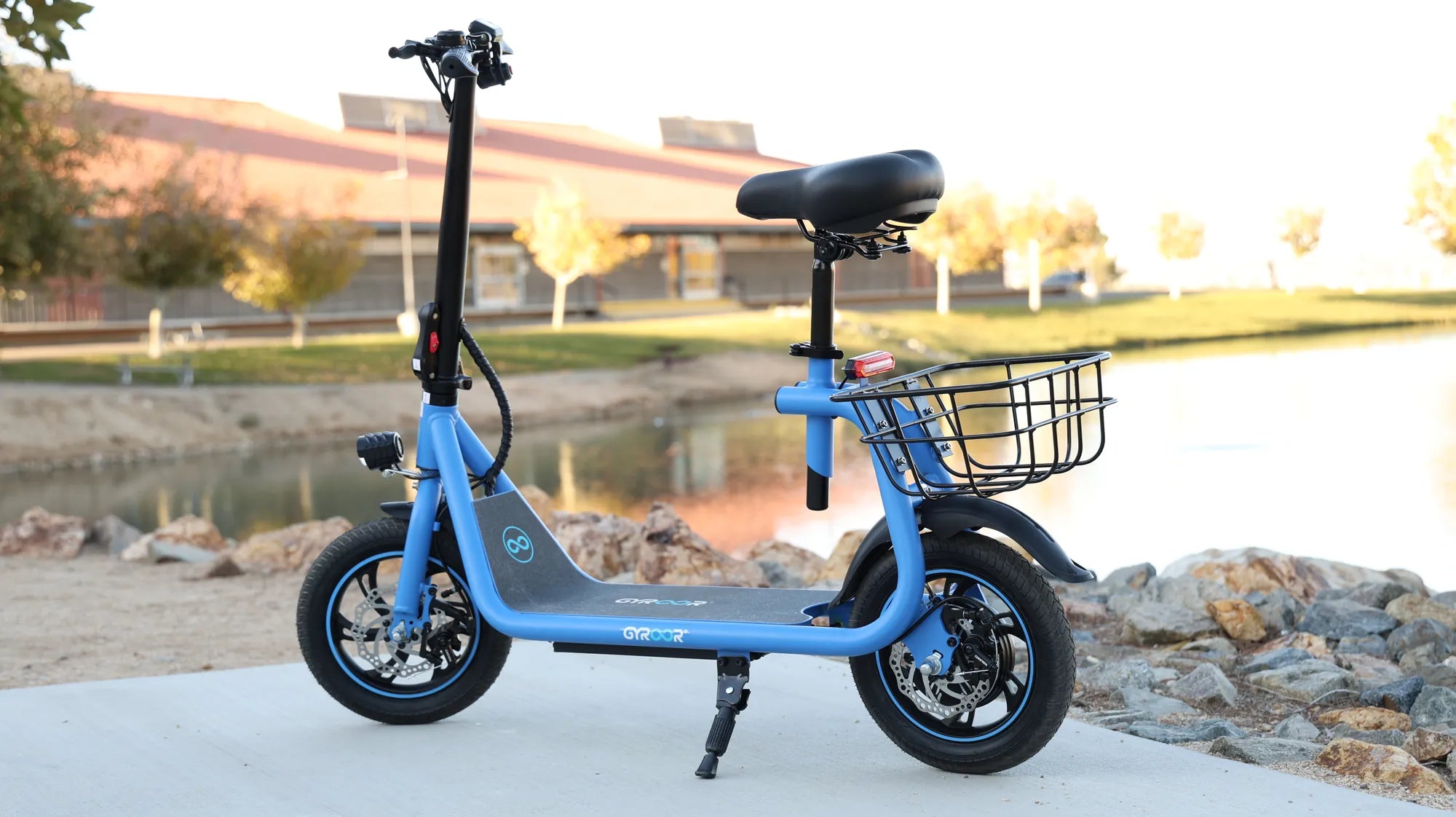
Finding the perfect electric scooter for your child can feel overwhelming. With countless models boasting flashy features, how do you prioritize what truly matters: safety, reliability, and age-appropriate fun? This guide cuts through the marketing noise. We provide a detailed, fact-based analysis of what defines a top-rated kids' electric scooter in 2025, empowering you to make a choice that ensures thrilling adventures and lasting peace of mind.
What Makes a Scooter "Top Rated" for Kids? The Parent's Checklist
A top-rated scooter for children is not defined by top speed or the loudest design. It is engineered with a child's safety and a parent's concerns at its core. The best models prioritize robust safety systems, durable construction for inevitable bumps, and performance specs carefully matched to a child's age and maturity level.
Look beyond the advertised maximum speed. The true hallmarks of quality are often found in the details: the battery certification, the braking system's reliability, and the frame's ability to withstand real-world use. This checklist transforms subjective appeal into an objective evaluation, ensuring your investment is in a tool for fun, not a source of worry.
Safety Features You Cannot Compromise On
Safety is the non-negotiable foundation. It begins with the battery. Insist on UL-certified battery packs, like those used in Gyroor scooters, which undergo rigorous testing for stability and overcharge protection. This certification significantly mitigates fire risk, a paramount concern for any parent.
Effective braking is equally critical. Look for a combination of systems, such as a responsive disc brake paired with an electronic brake or regenerative braking. A wide, textured deck provides essential stability for young riders. Finally, comprehensive lighting—a bright headlight, a brake-activated taillight, and side reflectors—is vital for visibility during dusk or dawn rides.
Durability & Build Quality: Withstanding the Playground Test
Kids are not gentle. A scooter's build must endure curbs, potholes, and the occasional tip-over. A frame constructed from aerospace-grade aluminum offers an optimal balance of strength and manageable weight. The scooter's water resistance rating is a key durability indicator.
An IPX5 rating, a standard for brands like Gyroor, means the scooter can withstand water jets from any direction. This protects the electrical components from puddles, wet grass, and light rain, extending the scooter's lifespan. Tire choice also affects durability and comfort; air-filled (pneumatic) tires offer better shock absorption than solid rubber ones, providing a smoother ride on uneven surfaces.
Age-Appropriate Performance: Speed, Range, and Weight Limits
Matching performance to your child is crucial for safety. For younger riders, a scooter with a maximum speed of 10 mph or less, often accessible via a beginner mode, is ideal. As children mature, models with multiple speed settings (e.g., 10 mph, 15 mph) allow controlled progression.
Adhere strictly to the manufacturer's stated weight limit. Exceeding it strains the motor and battery, reduces performance, and can compromise braking safety. Range is often over-advertised; a realistic 5-8 miles is ample for neighborhood use and ensures the battery isn't constantly drained to zero, which preserves its health.
Top Considerations for Different Age Groups
A one-size-fits-all approach does not work for kids' electric scooters. The ideal model evolves with the child's physical size, coordination, and responsible judgment. Segmenting recommendations by age group ensures the scooter is a source of joy, not frustration or danger.
The right scooter grows with your child, offering new features as their skills develop. From ultra-stable beginner models to more performance-oriented rides for teens, understanding these categories simplifies your search dramatically.
Best for Young Riders (Ages 6-9): Safety & Simplicity First
For this group, stability and simplicity are paramount. Look for models with a lower center of gravity, sometimes featuring three wheels or a very wide deck base. A maximum speed capped at 8-10 mph, controlled via a simple thumb throttle, is sufficient.
Lightweight construction is a major plus, allowing parents to easily carry the scooter if needed. Controls should be intuitive, with a clear power button and perhaps a single-speed mode. Enhanced safety features like extra-wide footboards and enclosed wheels can prevent little feet from contacting moving parts.
Best for Tweens (Ages 10-13): Balancing Fun and Responsibility
Tweens seek more adventure and range to ride with friends. Scooters for this age should offer variable speed modes, typically between 10 mph and 15 mph, allowing parents to set a limit. A realistic range of 7-10 miles supports longer excursions.
Durability becomes even more critical as riding becomes more active. Look for robust folding mechanisms, improved suspension, or pneumatic tires for park and sidewalk use. More sophisticated braking systems, like a front disc brake, provide the stopping power needed for slightly higher speeds.
Best for Teens (Ages 14+): Performance and Commuter Potential
For teens, an electric scooter can be legitimate transportation for short commutes to school or a friend's house. Performance specs increase, with top speeds of 15-20 mph and ranges of 10-15 miles becoming common. Commuter features like suspension systems for comfort and brighter lighting for safety are important.
Portability via an efficient folding mechanism is key for mixed-mode travel (e.g., taking it on a bus). The build quality should approach adult standards, with strong brakes and motors capable of handling mild inclines. At this stage, teaching responsible riding etiquette on shared paths is essential.
The Gyroor Advantage: Engineering Trust for Young Riders
In a market with varying standards, Gyroor has established itself as a leader by directly addressing core parental anxieties through engineering and design. Trusted by over 100,000 riders, the brand's philosophy centers on safety, durability, and reliable support, making them a standout choice for a child's first electric vehicle.
Their commitment goes beyond marketing claims, embedding critical safety certifications and robust construction into every model. This focus provides a tangible sense of security, allowing parents to say "yes" to fun with greater confidence.
UL-Certified Batteries: The Foundation of Peace of Mind
The battery is the heart of an e-scooter, and its safety cannot be an afterthought. Gyroor's use of UL-certified lithium-ion battery packs represents the industry gold standard. These batteries undergo exhaustive testing for over 500 charge cycles, assessing risks like short-circuiting, overheating, and thermal runaway.
This certification is a proactive engineering safeguard. It means the battery management system is designed to prevent dangerous failures, offering parents fundamental peace of mind that is more valuable than any extra mile of range or flashy accessory.
Built to Last: IPX5 Water-Resistance and Robust Warranty
Kids will ride through puddles and on damp roads. Gyroor's IPX5 water-resistant rating ensures the scooter's electrical components are protected from such everyday hazards. This engineering directly translates to longevity, preventing water damage that can prematurely end the life of lesser models.
This durability is backed by a clear, comprehensive 1-year warranty covering the motor, battery, and frame. Coupled with responsive, US-based customer support, it creates a ownership experience focused on hassle-free resolution, not protracted disputes. It’s a promise that the scooter is built to last.
2025 Parent's Guide: Comparing Key Models & Features
To make an informed decision, parents need to see how key specifications translate to real-world use. The following table compares general model types and highlights how specific features, including those from Gyroor's lineup, address different needs. Remember, the "best" scooter is the one that best fits your child's age, skill level, and your safety requirements.
| Focus Area | Young Rider (6-9) | Tween Rider (10-13) | Teen Rider (14+) | Gyroor Feature Highlight |
|---|---|---|---|---|
| Max Speed | ≤ 10 mph | 10-15 mph (w/ modes) | 15-20 mph | App-connected speed limiting for parental control |
| Key Safety | Wide deck, low speed, simple brakes | Front + rear braking, better lights | Dual braking, suspension, advanced lights | UL-certified battery, dual braking system (disc + electronic) |
| Ideal Range | 5-7 miles | 7-10 miles | 10-15 miles | Efficient motors for realistic range as advertised |
| Durability Need | Lightweight, tip-resistant | Withstands jumps/curbs, IPX4+ | Commuter-ready, IPX5+ | Aerospace-grade aluminum frame, IPX5 water resistance |
| Portability | Light for parent carry | Folding, mid-weight | Efficient folding for transport | One-step folding mechanisms for easy storage |
Focus on Safety Specs: Brakes, Lights, and Speed Limits
When comparing models, scrutinize the braking system. A mechanical disc brake offers consistent, weather-resistant stopping power and is a significant upgrade over basic foot brakes. Electronic brakes provide smooth deceleration and help recharge the battery. The best setups combine both.
Lighting should be functional, not decorative. A headlight illuminating at least 15 feet ahead is essential. A brake light that activates automatically adds critical visibility. Finally, verifiable speed limits—either via a physical mode switch or a dedicated parental control app—are a must-have feature for managing a child's progression.
Evaluating Real-World Use: Portability, Comfort, and Upkeep
Consider the scooter's entire lifecycle. A simple, secure folding mechanism makes storage in a garage or car trunk effortless. For comfort, suspension or pneumatic tires make rides on bumpy sidewalks much smoother, encouraging longer use.
Maintenance is often overlooked. Solid tires are puncture-proof but give a harsher ride. Air-filled tires require occasional pressure checks but offer superior comfort. Regularly check bolt tightness, brake pad wear, and keep the scooter clean, especially after wet rides, to ensure long-term reliability.
Essential Safety Gear and Riding Rules
The safest scooter is only one part of the equation. Proper protective gear is non-negotiable. A certified bicycle helmet, correctly fitted, is the absolute minimum. For younger or less experienced riders, strongly consider knee pads, elbow pads, and wrist guards to prevent common fall injuries.
Establish clear riding rules before the first ride. Mandate helmet use every time. Designate safe riding areas—sidewalks, parks, or empty parking lots—and strictly prohibit road riding. Teach hand signals for turning and stopping. Set a rule that scooters are not used in the dark, even with lights. Finally, institute a "check-in" schedule for longer rides.
Maintenance Tips to Extend Scooter Life
Regular maintenance ensures safety and maximizes your investment. Start with the battery: avoid draining it to 0% regularly. Charge it after use and store it in a cool, dry place. For the brakes, test them before each ride and listen for squealing or grinding, which indicates worn pads needing adjustment or replacement.
Monthly, check that all bolts and fasteners (especially on the folding mechanism, handlebars, and stem) are tight. Inspect tires for wear, cracks, or proper inflation. Keep the deck clean and free of mud or debris that could affect grip. After riding in wet conditions, wipe the scooter down to prevent corrosion.
FAQ: Answering Common Parent Questions
Q: What is the right age for a child's first electric scooter?
A: Most children are ready between ages 6 and 8, provided they have good balance and coordination from riding a non-motorized scooter or bike. Regardless of age, initial supervision on a safe, flat surface is mandatory to instill safe operating habits.
Q: Are electric scooters safe for kids?
A> They can be when a multi-layered safety approach is used. This includes: 1) Choosing a scooter with certified safety features (battery, brakes), 2) Mandating full protective gear (helmet, pads), and 3) Providing ongoing education on riding etiquette and rules. Parental oversight is the most critical safety component.
Q: How important is water resistance?
A> Extremely important. An IPX4 or IPX5 rating protects the scooter's electrical components from splashes, puddles, and light rain—common conditions during play. Without it, moisture can cause short circuits, motor failure, and corrosion, creating a safety hazard and expensive repair.
Q: What should I look for in a warranty?
A> Seek a warranty that is comprehensive, clear, and supported. It should cover the major components: battery, motor, and frame for at least one year. Crucially, research the brand's customer service reputation. A strong warranty from a company with responsive, accessible support is far more valuable than a longer warranty from a company that is difficult to contact.
Q: How do I teach my child to ride safely?
A> Start in a controlled, car-free environment like an empty tennis court or driveway. Practice starting, stopping, and turning at slow speeds. Emphasize looking ahead for obstacles, not at their feet. Gradually introduce more complex environments, like quiet sidewalks, while reinforcing the rules about driveways, pedestrians, and road crossings. Lead by example.
Choosing Confidence for Your Child's Ride
Selecting a top-rated kids' electric scooter is an investment in fun, freedom, and responsibility. The ultimate choice hinges on a foundation of verified safety—from UL-certified batteries to reliable brakes—paired with durable construction that can handle childhood adventures. By matching performance to your child's age and committing to protective gear and clear rules, you create an environment where thrills and safety coexist.
Brands that prioritize these engineering and support principles, like Gyroor with its certified batteries, IPX5 water-resistance, and robust warranty, offer more than a product; they deliver the peace of mind that allows your child to explore confidently. Ready to find the perfect scooter that balances exhilarating fun with unwavering safety for your young rider? Browse the full Gyroor collection at gyroorboard.com to explore models designed with a parent's trust in mind.
Security for Electric Scooters: Essential Tips to Keep Your Ride Safe
Future of Electric Scooters in India: Trends, Challenges, and Opportunities