


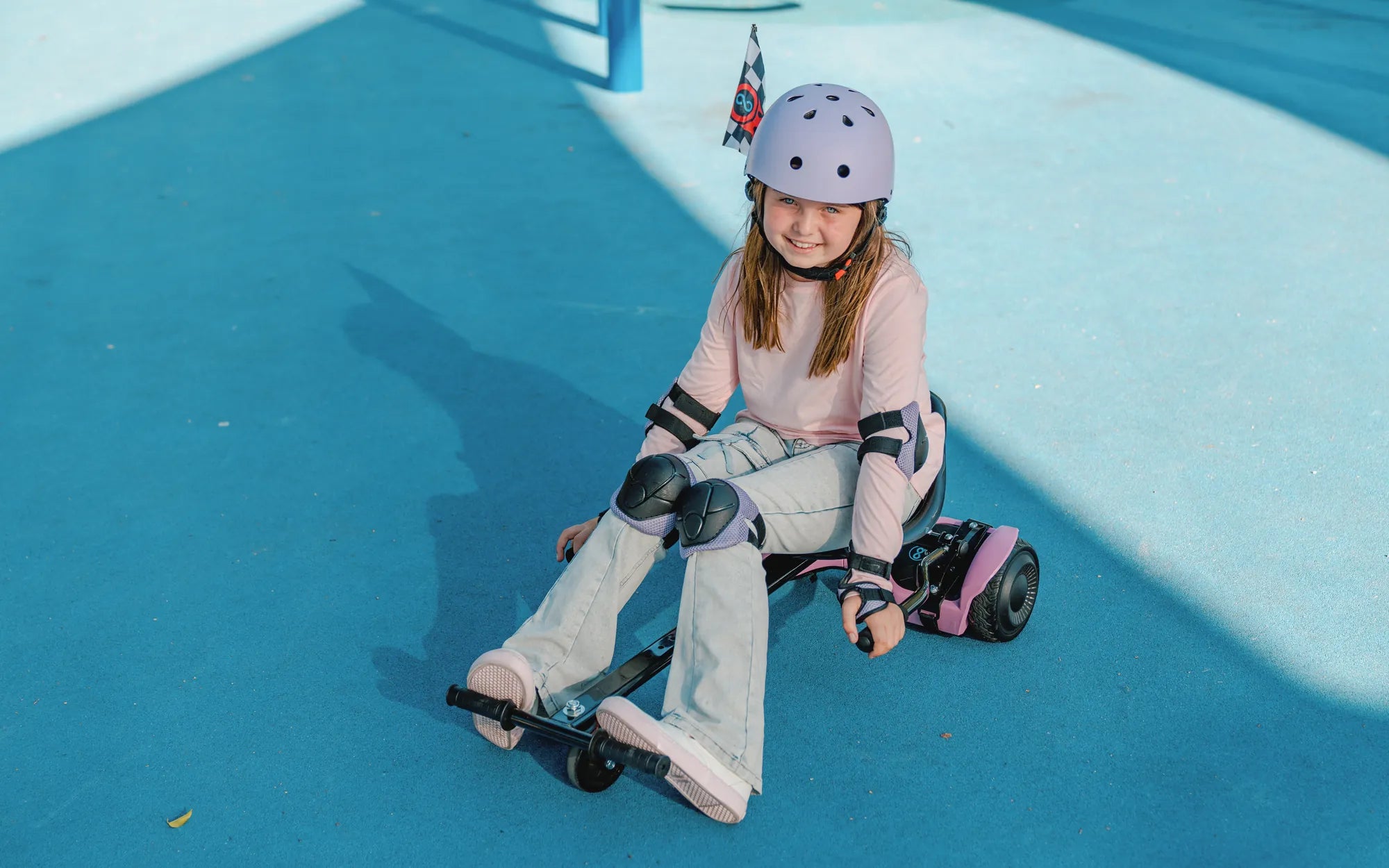
Searching for the 'official' hoverboard brand leads to a surprising truth: the term 'hoverboard' describes a category, not a single proprietary product. The self-balancing electric scooter market evolved rapidly from early safety controversies to a mature industry where trust is earned through certification and transparency, not marketing claims. This guide cuts through the confusion, providing the data-driven framework you need to identify legitimate manufacturers, understand non-negotiable safety standards, and make an informed purchase that prioritizes safety and performance.
The Hoverboard Landscape: From Viral Phenomenon to Regulated Market
The device popularly called a hoverboard is technically a self-balancing electric scooter. Its rise to fame in the mid-2010s was marred by widespread safety issues, primarily lithium-ion battery fires. This crisis triggered a fundamental industry reset led not by marketing, but by rigorous safety engineering.
Today's market is segmented. It ranges from established personal transport companies to performance-focused brands and a risky landscape of generic imitators. Understanding this segmentation is the first step in answering 'What Is the Official Hoverboard Brand?'—it's about identifying which brands operate with legitimacy and which cut dangerous corners.
The evolution created clear winners: brands that invested in certified safety, robust customer support, and product durability. These manufacturers transformed the hoverboard from a novelty into a reliable form of micro-mobility. Their business practices offer the clearest definition of what makes a brand 'official' in a decentralized market.
Defining an "Official" Brand: Safety, Certification, and Legitimacy
An official or legitimate hoverboard brand is defined by verifiable proof points that extend far beyond a slick website. The cornerstone is a demonstrable commitment to user safety through independent certification. Legitimacy is also shown through transparent business operations, adherence to import and consumer regulations, and accessible post-purchase support.
Consumers should look for a physical business address, clear contact information, and detailed warranty terms. Brands that hide behind only an email address or operate solely through third-party marketplace storefronts present higher risk. Official brands stand behind their products with identifiable corporate accountability.
The UL 2272 Certification: The Non-Negotiable Safety Checklist
UL 2272 is the definitive safety standard for electrical systems in self-balancing scooters, developed by Underwriters Laboratories in response to the fire hazards of early models. This certification is not a suggestion; it is a mandatory baseline for any legitimate product. It involves rigorous testing of the entire electrical drive train.
The standard tests over 20 hazard categories, including overcharge, short circuit, temperature, and mechanical integrity of the battery pack. A hoverboard with a genuine UL 2272 certification has passed tests that simulate extreme conditions, ensuring the battery management system will prevent thermal runaway—the cause of fires.
When evaluating a brand, you must verify this certification actively. Look for the official UL Mark on the product and its packaging, and cross-reference the brand's name on UL's online certification directory. This step is crucial because counterfeit UL stickers exist. A legitimate brand will proudly and transparently display its certification details.
Beyond the Label: Warranty, Support, and Company Transparency
A comprehensive warranty is a hallmark of a legitimate brand. Look for a minimum of a 6-month to 1-year warranty that covers major components like the battery, motor, and control board. The warranty terms should be easily accessible and clearly state what is covered, the process for claims, and any limitations.
Customer support channels are equally telling. Official brands provide multiple contact methods—such as phone, email, and live chat—and have knowledgeable support staff. They offer accessible documentation like user manuals, firmware updates, and troubleshooting guides. This infrastructure represents a long-term investment in the customer relationship.
Transparency extends to product specifications. Legitimate brands provide accurate, detailed specs for motor power, battery capacity, weight limits, and charge times. They avoid exaggerated claims about range or speed. This honesty builds trust and ensures your expectations align with the product's actual performance.
A Look at Leading Brands in the Self-Balancing Scooter Market
The current market features several reputable brands that have earned consumer trust through consistent quality and safety. These brands generally fall into distinct categories based on their market approach, technological focus, and price positioning. Recognizing these categories helps you align a brand's strengths with your specific needs.
It's important to note that brand reputation is dynamic. A brand's standing is built over years through product reliability, responsive customer service, and adherence to safety protocols. Reviews from long-term owners (6-12 months of use) are often more valuable than initial impressions, as they speak to durability.
Established Personal Transport Brands
This category includes companies with deep roots in electric personal transportation. They often leverage advanced R&D, offering features like sophisticated app integration, customizable riding modes, and proprietary balancing technology. Their products are typically positioned at a premium price point, reflecting investment in design and connected ecosystems.
These brands frequently emphasize technological innovation, such as enhanced stability algorithms, regenerative braking, and integration with other smart devices. Their focus is often on the urban commuter or tech enthusiast who values a seamless, feature-rich riding experience and is willing to pay for cutting-edge development and brand heritage.
Performance and Value-Focused Brands
Brands in this category, such as Gyroor, have built strong reputations by delivering reliable performance, certified safety, and excellent customer value. They prioritize core functionality—power, range, durability, and safety—often at a more accessible price point than ultra-premium brands. Their value proposition is clear: no-frills, dependable quality.
For example, Gyroor emphasizes fundamentals like UL 2272 certified battery packs, IPX5 water-resistant designs for all-weather capability, and robust motors capable of handling varied terrain. As a leading electric scooter and e-bike brand trusted by over 100,000 riders across North America and Europe, they back their products with a reliable 1-year warranty. This focus on essential, verifiable quality makes them a prime example of a legitimate, trustworthy manufacturer in the space.
The Marketplace Minefield: Generic and No-Name Brands
This is the highest-risk category. Generic hoverboards are typically sold under ever-changing brand names on major online marketplaces, discount websites, or by anonymous sellers. They are characterized by extremely low prices, vague or copied specifications, and marketing that heavily uses stock photos.
The dangers are significant. These products may use uncertified, low-quality lithium-ion battery cells with inadequate protection circuits. They often feature counterfeit safety certification stickers. Post-purchase support is virtually non-existent; if the unit fails or has an issue, the seller may have disappeared. Purchasing from this category is a gamble with safety.
Key Features to Compare When Choosing Your Hoverboard
Beyond brand legitimacy, comparing technical specifications is essential to find a hoverboard that matches your intended use. These features directly impact performance, safety, and longevity. A data-driven comparison separates marketing hype from tangible capability.
| Feature | What It Means | What to Look For |
|---|---|---|
| Motor Power | Total wattage (e.g., 300W x2). Determines torque, acceleration, and hill-climbing ability. | Dual motors of 300W each or higher for adults or hilly areas. 250W sufficient for flat surfaces and younger riders. |
| Battery & Range | Capacity (Ah) and chemistry. Advertised range is under ideal conditions. | UL 2272 certified Lithium-ion. Expect real-world range to be 20-30% less than advertised. 4.4Ah battery for ~7-10 miles. |
| Wheel Size & Type | Diameter and tire material. Affects stability, comfort, and terrain handling. | 6.5" for smooth surfaces; 8.5" or 10" for better bump absorption and mild off-road. Air-filled (pneumatic) tires offer the best ride. |
| Weight Limit | Maximum rider weight the frame and motors are designed to support. | Standard: 220 lbs. Premium/Adult models: 260 lbs or higher. Never exceed the limit. |
| IP Rating | Ingress Protection against dust and water. | IPX4 for light splashes. IPX5 (like Gyroor models) for resistance to water jets, enabling use on wet pavement. |
Motor Power, Range, and Speed: Matching Performance to Your Needs
Motor power, measured in watts (W), is typically listed per motor. A standard configuration is 300W x2, providing 600W of total power. Higher wattage translates to better acceleration, the ability to climb steeper inclines (often up to a 15-30 degree grade), and more stable performance for heavier riders. For casual use on flat ground, 250W motors may suffice.
Advertised range is a key marketing point but is calculated under optimal conditions: a lightweight rider on perfectly flat, smooth terrain at a slow, constant speed. Real-world factors like rider weight, hills, frequent acceleration, and temperature can reduce range by 20-40%. A 10-mile advertised range often translates to 6-8 miles in practice.
Speed is usually capped between 7-12 mph for safety and regulatory reasons. Some models feature different speed modes (e.g., beginner under 6 mph, advanced up to 10 mph) accessible via an app. The top speed should be appropriate for the rider's skill level and local regulations.
Build Quality, Weight Limit, and Terrain Capability
Build quality is felt in the rigidity of the footpad deck, the responsiveness of the pressure pads, and the finish of materials. A sturdy, often aluminum-alloy frame resists flexing and withstands impacts. High-quality footpads use durable, non-slip rubber or textured surfaces for secure footing.
The manufacturer's stated weight limit is a critical safety and performance specification. Exceeding it can strain motors, drain the battery rapidly, and potentially damage the frame. Adults should specifically seek models with a limit of 220 lbs or more. The hoverboard's own weight (usually 20-30 lbs) also affects portability.
Terrain capability is determined by wheel size and tire type. Larger wheels (8.5" or 10") roll over cracks, pebbles, and minor obstacles more easily than standard 6.5" wheels. Air-filled (pneumatic) tires provide significant shock absorption compared to solid rubber tires, making for a smoother ride on sidewalks and paved paths.
Smart Features and Additional Safety Considerations
Smart features enhance the experience but should be secondary to core safety. Bluetooth connectivity for speakers or mobile apps is common. Useful app functions include battery level monitoring, speed mode selection, firmware updates, and diagnostic checks. LED lighting is both a style feature and a critical safety element for visibility in low-light conditions.
Additional safety hardware includes a reliable, UL-certified charger with automatic shut-off to prevent overcharging. Some models have a 'beginner mode' that limits speed and increases stabilization sensitivity. Regardless of features, the foundational safety requirement remains the UL 2272 certification for the electrical system.
Making an Informed Purchase: A Step-by-Step Guide
Armed with knowledge of brands and features, you can execute a confident purchase. This process involves proactive verification and choosing the right retail channel. Taking these steps minimizes risk and ensures you receive a product that is safe, supported, and fit for purpose.
Your Pre-Purchase Verification Checklist
Follow this checklist before clicking 'buy':
- 1. Verify UL 2272: Confirm on the brand's official website. Check for the UL Mark in product photos and cross-reference in UL's online database if possible.
- 2. Scrutinize Warranty & Support: Read the full warranty document. Ensure support contact info is clear and the brand has a track record of responding to customer queries.
- 3. Analyze Verified Reviews: On retailer sites, filter for 'verified purchase' reviews. Pay special attention to comments about battery life after several months, motor durability, and customer service experiences.
- 4. Choose Your Retailer Wisely: Purchase from the brand's official website or their authorized retailers (often listed on the brand's site). This guarantees you receive a genuine product with a valid warranty.
The Importance of Proper Use and Maintenance
Once you own a quality hoverboard, proper use and maintenance ensure its safety and longevity. Always use the manufacturer-provided charger. Avoid leaving the unit plugged in for extended periods after it reaches 100%. Store it in a cool, dry place away from direct sunlight or extreme temperatures.
Regularly inspect the hoverboard for any physical damage, especially to the wheel rims, tire inflation (if applicable), and the integrity of the charging port. Keep it clean from debris. Following these practices, along with adhering to the weight limit and recommended riding environments, will maximize the lifespan of your investment.
Conclusion: Trust is Built on Standards, Not Just Brand Names
The search for the single 'official' hoverboard brand reveals a more important truth: trust in this industry is built on verifiable safety standards, transparent business practices, and reliable performance. The official brand for you is the one that provides clear proof of UL 2272 certification, backs its product with accessible support, and meets your specific performance needs. By prioritizing certified safety and legitimate manufacturers, you invest in a safe, enjoyable, and durable riding experience. For a range of UL-certified, performance-focused self-balancing scooters built with transparency and backed by a strong warranty, browse the full Gyroor collection at gyroorboard.com.
FAQ: Quick Answers to Common Hoverboard Brand Questions
Q: Is there one single "official" hoverboard brand?
A: No. 'Hoverboard' is a genericized term for self-balancing scooters. Many brands manufacture them. 'Official' status is defined by a brand's adherence to safety certifications like UL 2272 and legitimate business operations, not by a single trademark.
Q: Are all hoverboards on Amazon safe if they say 'UL Certified'?
A> Not automatically. You must verify. Some sellers use counterfeit stickers. Purchase from the brand's official storefront on Amazon or, better yet, check the brand's own website for certification proof. Reputable brands like Gyroor make this information easily accessible.
Q: What is the single most important feature to look for?
A: The UL 2272 certification is the non-negotiable, most critical feature. It ensures fundamental electrical and battery safety. All other features—speed, lights, Bluetooth—are secondary to this foundational requirement.
Q: Can adults use the same hoverboards as kids?
A> They can, but they should choose carefully. Adults must select a model with a weight limit that accommodates them (typically 220 lbs+). They will also benefit from higher-wattage motors (300W x2) and larger wheel sizes for better stability and performance.
Q: How long should a quality hoverboard battery last?
A> A battery from a reputable brand using UL-certified cells should retain good capacity for 300-500 full charge cycles. With typical use, this translates to 2-3 years before noticeable range reduction. Proper charging and storage habits significantly extend battery life.
Hoverboard Won't Stop Beeping: Causes and Solutions to Fix the Annoying Sound
China Scooters for Kids Toddler Scooter: The Ultimate Guide for Parents