



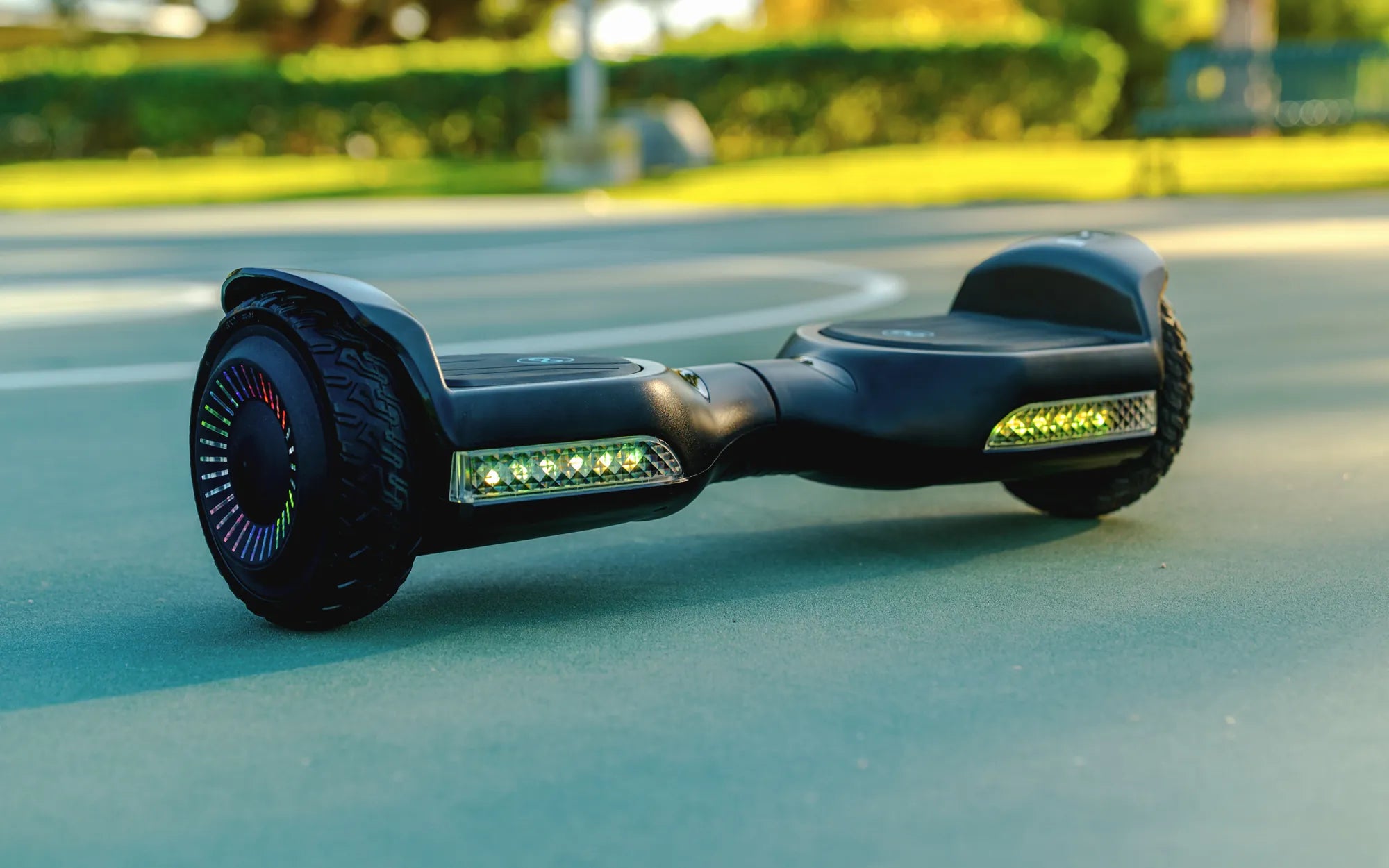
Ever wondered what keeps your hoverboard gliding smoothly? The answer lies in its battery—the powerhouse that determines speed, range, and safety. Whether you're a curious buyer or a tech enthusiast, understanding the battery inside a hoverboard is crucial for making informed decisions. Let's explore the different types, their features, and what makes them tick.
Lithium-Ion Batteries: The Standard Choice
Most modern hoverboards rely on lithium-ion (Li-ion) batteries due to their high energy density and lightweight design. These batteries pack a punch, offering longer ride times and faster charging compared to older technologies. Li-ion batteries are also rechargeable, making them cost-effective over time.
Advantages of Lithium-Ion Batteries
- Lightweight: Easy to carry and doesn't add unnecessary bulk.
- High Energy Density: Provides more power in a compact size.
- Low Self-Discharge: Holds charge longer when not in use.
Disadvantages of Lithium-Ion Batteries
- Heat Sensitivity: Overheating can lead to safety risks.
- Degradation Over Time: Loses capacity after hundreds of charge cycles.
Lithium Polymer Batteries: The Flexible Alternative
Another popular option is the lithium polymer (LiPo) battery, known for its flexible, slim design. These batteries are often used in premium hoverboards for their improved safety features and stability. Unlike Li-ion, LiPo batteries use a gel-like electrolyte, reducing the risk of leaks.
Why Choose Lithium Polymer?
- Custom Shapes: Can be molded to fit unique hoverboard designs.
- Enhanced Safety: Less prone to swelling or combustion.
- Stable Performance: Delivers consistent power output.
Drawbacks of Lithium Polymer
- Higher Cost: More expensive to manufacture.
- Shorter Lifespan: May degrade faster than Li-ion.
Lead-Acid Batteries: The Outdated Option
Older or budget hoverboards might still use lead-acid batteries, though they're becoming rare. These batteries are bulky, heavy, and less efficient, but they're cheaper upfront. However, their poor energy-to-weight ratio makes them impractical for modern hoverboards.
Pros and Cons of Lead-Acid
- Affordable: Low initial cost.
- Durable: Handles rough conditions well.
- Heavy: Adds significant weight to the hoverboard.
- Slow Charging: Takes longer to recharge.
Battery Safety and Maintenance Tips
No matter the type, proper care extends your hoverboard battery's life. Avoid overcharging, store in a cool place, and use only certified chargers. Regularly inspect for damage or swelling, as these can signal potential hazards.
Key Safety Practices
- Never leave the battery charging unattended.
- Avoid extreme temperatures.
- Replace damaged batteries immediately.
Future of Hoverboard Batteries
Emerging technologies like solid-state batteries promise even greater efficiency and safety. These innovations could revolutionize hoverboards, offering longer ranges and instant charging. Keep an eye on advancements—your next hoverboard might be powered by something even better!
Ready to upgrade your ride? Knowing what kind of battery is in a hoverboard helps you choose wisely, ensuring peak performance and safety. Whether it's Li-ion, LiPo, or the next big thing, the right battery makes all the difference in your hoverboarding experience.
6.5 Hoverboard Bluetooth: The Ultimate Guide to Smart Riding
Hoverboard Fully Charged: The Ultimate Guide to Safe and Efficient Riding