



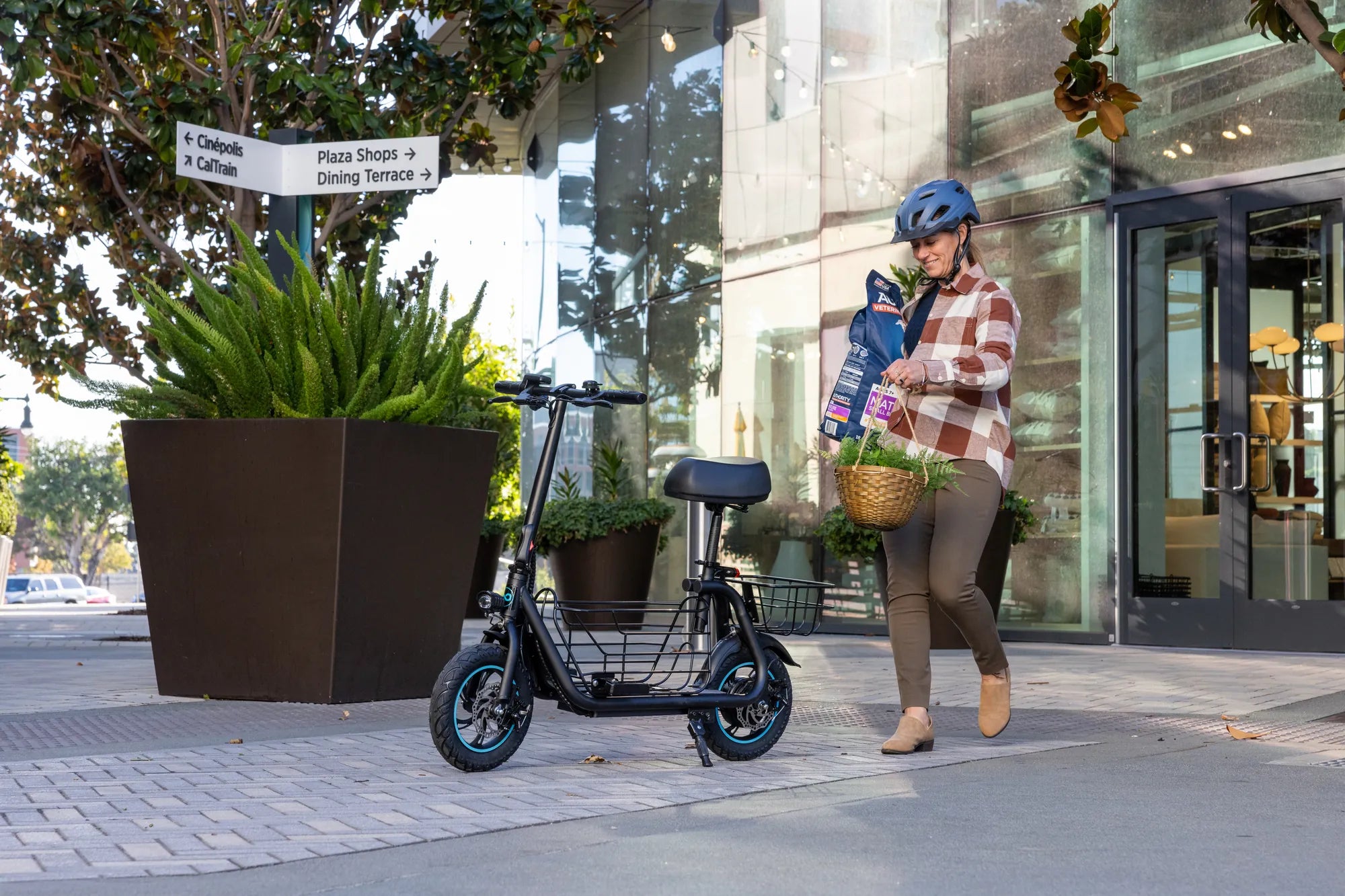
Introduction to 15 mph Mobility Scooters in the UK
A 15 mph mobility scooter represents the pinnacle of personal independence for many users across the United Kingdom. Classified legally as a Class 3 Invalid Carriage, these vehicles are engineered for road use, bridging the gap between pavement-bound models and full-sized vehicles. The core question for prospective buyers is whether the enhanced speed and road capability align with their daily needs and legal obligations.
This guide provides a comprehensive, data-driven analysis of the 15 mph mobility scooter UK market. We will dissect the complex legal framework, compare scooter classes, and detail the critical specifications that define a reliable model. The goal is to deliver factual information that empowers you to make an informed decision, enhancing your mobility without compromising on safety or compliance.
Understanding the distinction between scooter classes is fundamental. While Class 2 scooters are limited to 4 mph on pavements, a 15 mph mobility scooter unlocks new travel possibilities. It is designed for users who need to cover longer distances, perhaps to a local town centre, social club, or for longer commutes, where pavement-only travel is impractical or too slow.
Choosing the right mobility aid is a significant decision. This article will serve as your essential handbook, covering regulations, features, costs, and safety. We'll reference industry standards and highlight what to look for in a quality manufacturer, such as Gyroor, known for its rigorous safety protocols and durable designs trusted by over 100,000 riders.
Understanding UK Legal Requirements for Class 3 Scooters
Operating a 15 mph mobility scooter in the UK is governed by specific regulations under the Road Traffic Act 1988. The law categorises it as a Class 3 Invalid Carriage, which grants it the unique right to be used on roads, except motorways and bus lanes during operational hours. This classification comes with mandatory responsibilities that every user must fulfil before taking to the road.
The first and most critical legal step is registration with the Driver and Vehicle Licensing Agency (DVLA). You must apply for a vehicle tax exemption (though no tax is paid) and register the scooter to obtain a unique registration number. This process requires a valid type approval certificate from the manufacturer, proving the scooter meets construction and safety standards for road use.
Secondly, the user must be at least 14 years old. More importantly, you must have a valid driving license (provisional or full) for a car, moped, or motorcycle, OR you must have successfully completed a Class 3 mobility scooter assessment provided by an accredited training body. This ensures all riders understand the Highway Code and can handle the scooter safely in traffic.
When used on the road, the scooter must adhere to all standard road traffic laws, including obeying traffic signals and signs. On pavements, the device must be switched to its pedestrian mode, which legally restricts its maximum speed to 4 mph. It is illegal to use the 15 mph speed setting on a pavement, footpath, or in any pedestrianised area.
Key Regulations: Insurance, Tax, and Safety
Third-party insurance is a legal requirement for any Class 3 mobility scooter used on public roads. This insurance protects you against claims if you cause injury to another person or damage to their property. While the scooter itself is exempt from Vehicle Excise Duty (road tax), the insurance mandate is non-negotiable and a key part of responsible ownership.
Mandatory safety features are strictly defined. Your 15 mph mobility scooter must be equipped with working front and rear lights, indicators, a horn, a rear-view mirror, and effective brakes. It must also be fitted with reflectors and a visible registration plate at the rear. Regular checks of these features are the rider's responsibility, much like with a car.
Visibility is paramount for safety. Using lights during poor daytime visibility and at night is required by law. Wearing reflective clothing and ensuring your scooter's reflectors are clean can significantly reduce accident risk. Adherence to these rules not only keeps you legal but dramatically increases your safety on shared roadways.
Failure to comply with these regulations can result in fines, penalty points on your driving license (if you hold one), or even prosecution. Purchasing from a reputable dealer who provides the correct documentation, including the type approval certificate, is the first step to ensuring full compliance from day one.
Benefits of Choosing a 15 mph Mobility Scooter
The primary benefit of a 15 mph mobility scooter UK users enjoy is a substantial increase in practical range and a reduction in journey time. For active individuals, this means the ability to undertake longer trips to supermarkets, medical appointments, or social engagements without the fatigue associated with slower models. It effectively expands your accessible world.
This class of scooter offers unparalleled flexibility in route planning. You are not confined to pavement networks, which can be discontinuous or poorly maintained. You can legally use roadways (except prohibited ones), cycle paths, and bridleways, allowing for more direct and efficient travel between destinations, especially in suburban or rural areas.
The design and construction of Class 3 scooters are typically more robust than their Class 2 counterparts. They feature larger frames, more powerful motors, enhanced suspension systems, and longer-range batteries to handle the demands of road use and higher speeds. This often translates to a smoother, more stable ride over varied surfaces, from tarmac to slightly uneven paths.
For many, the psychological benefit of keeping pace with urban traffic flow is significant. It reduces feelings of being an obstruction and increases confidence. The ability to travel at 15 mph provides a sense of normalcy and independence that is closer to that of a cyclist or car driver, fostering greater social inclusion and personal freedom.
Comparing 4 mph vs. 8 mph vs. 15 mph Models
Choosing the right scooter class depends entirely on your lifestyle and travel needs. The table below provides a clear, data-driven comparison to help you differentiate between the main options available in the UK market.
| Feature | Class 2 (4 mph) | Class 2 (8 mph) | Class 3 (15 mph) |
|---|---|---|---|
| Max Legal Speed | 4 mph | 8 mph (pavement mode: 4 mph) | 15 mph (road), 4 mph (pavement mode) |
| Where to Use | Pavements & pedestrian areas only. | Pavements & pedestrian areas only. | Roads, cycle paths, *and* pavements (in 4 mph mode). |
| Legal Requirements | None. No registration, tax, or license required. | None. No registration, tax, or license required. | Must be registered with DVLA. Requires driving license/assessment. Third-party insurance mandatory. |
| Typical Range | 10-15 miles | 15-25 miles | 20-40 miles |
| Ideal User | Those making short, local trips entirely on pavements (e.g., to a local shop). | Users needing more speed for longer pavement journeys but with no road requirement. | Active users needing to use roads for longer commutes, shopping trips, or in areas with poor pavement links. |
| Build & Features | Compact, lighter, often foldable or easily disassembled. | More robust than 4 mph models, better suspension, larger battery. | Heaviest and largest. Includes road-legal features (lights, indicators, mirror). Best suspension and motor power. |
As shown, the 15 mph mobility scooter is in a distinct category. It suits a user whose independence is limited by the constraints of pavement-only travel. If your daily activities require crossing or travelling along roads frequently, a Class 3 model is not just a benefit—it's a practical necessity.
Conversely, if your mobility needs are centred around your local neighbourhood with comprehensive pavement access, a Class 2 scooter (8 mph) may offer the perfect balance of speed and simplicity without the regulatory overhead. The key is to honestly assess your most common journeys.
Key Features to Look for in a Reliable 15 mph Scooter
When investing in a 15 mph mobility scooter, several technical specifications demand careful scrutiny. The battery is the heart of the scooter. Look for a minimum capacity of 30Ah (Amp-hours) from a reputable brand. This should translate to a real-world range of 25-35 miles per charge, depending on terrain, rider weight, and use of accessories. Lithium-ion batteries are superior for their longer lifespan and lighter weight.
Motor power directly impacts performance on hills. A motor rated between 800W and 1000W is ideal for a Class 3 scooter, providing sufficient torque to handle moderate inclines commonly found in UK towns and cities. Insufficient power will drain the battery rapidly and strain the motor, potentially leading to premature failure.
Suspension is non-negotiable for comfort and safety at higher speeds. A combination of front and rear suspension, or at minimum a high-quality sprung seat, is essential to absorb shocks from road imperfections. This protects the rider from jolts and helps maintain stability and control, especially when traversing kerb drops or uneven surfaces.
Practical features define daily usability. An adjustable, swivelling captain’s seat with ample back support is crucial. Ample storage, such as a locking front basket and a rear luggage rack, is highly practical for shopping. Other important features include a clear digital display showing speed and battery level, a USB charging port, and easy-to-reach controls.
Why Build Quality and Warranty Matter
The UK climate is demanding, with frequent rain and damp conditions. Therefore, build quality and weather resistance are paramount. Look for a scooter with a high Ingress Protection (IP) rating, such as IPX4 or IPX5. This certifies the electrical components are protected against water splashes from any direction, allowing for safe use in light rain.
The frame should be constructed from welded steel or high-grade aluminium for durability and rigidity. Plastic body panels should be thick and securely fastened. Components like the tiller, brakes, and wheel hubs should feel solid and not exhibit play or wobble. A well-built scooter is a safer scooter, particularly at road speeds.
A comprehensive warranty is your safety net. A reputable brand will offer a minimum of a 1-year warranty on the entire scooter, with longer warranties (e.g., 2 years) on the frame and motor. Crucially, check the warranty terms for the battery. Leading brands, like Gyroor, use UL-certified battery packs tested for 500+ charge cycles, often backing them with a clear warranty period.
After-sales support is part of the product's value. Ensure the seller or manufacturer has accessible UK-based customer service and a network of approved repair centres or mobile engineers. The availability of spare parts, from tyres to control modules, is essential for long-term ownership, preventing your scooter from becoming unusable due to a minor fault.
Top Considerations Before You Buy
Before finalising your purchase, conduct a practical assessment of your living situation. Measure doorways, hallways, and storage areas. A Class 3 scooter is larger and heavier; can you manoeuvre it into your home for charging? If not, do you have a secure, weatherproof outdoor space with access to a power outlet? Some models offer partial disassembly for easier transport in a car.
Always insist on a trial. A reputable dealer will allow you to test-ride a model to assess comfort, ease of control, and visibility. Use this opportunity to check the seat comfort over 15-20 minutes, the responsiveness of the controls, and the scooter's stability at low and higher speeds. It's the only way to know if a particular model suits your physique and driving style.
Calculate the total cost of ownership. The purchase price is just the beginning. Factor in the cost of compulsory third-party insurance (shop around for quotes), a quality waterproof cover, any necessary accessories (baskets, oxygen tank holders), and ongoing maintenance like tyre replacements and brake adjustments. Budgeting for these ensures no surprises.
Consider future-proofing your purchase. Your mobility needs may change. Opting for a model with a higher weight capacity than you currently need, or a longer-range battery, provides a buffer. Similarly, choosing a brand with a strong reputation for reliability and support ensures you have a partner for the lifespan of the scooter, not just at the point of sale.
Safety Tips and Maintenance Advice
Proactive maintenance is the cornerstone of safe scooter operation. Establish a weekly check routine: inspect tyre pressure and tread for wear, test all lights and indicators, ensure the horn works, and check that brakes engage smoothly and effectively. A quick visual inspection for loose bolts or damaged cables can prevent major issues.
Battery care is critical for performance and longevity. Adhere to the manufacturer's charging instructions. Typically, you should avoid letting the battery fully deplete and avoid leaving it on charge indefinitely after it's full. Store and charge the scooter in a dry, temperate environment. Extreme cold can temporarily reduce range, while extreme heat can damage battery cells.
Develop defensive driving habits. Always assume car drivers may not see you. Use your indicators well in advance of turns. Make eye contact with drivers at junctions. Wear high-visibility clothing, especially in poor light. Plan your routes to avoid busy, fast-moving roads where possible, opting for quieter residential streets or dedicated cycle paths.
Prepare for the unexpected. Carry a mobile phone, your insurance details, and a basic toolkit if possible. Let someone know your intended route and expected return time for longer journeys. Taking a familiarisation course, even if not legally required beyond the assessment, can dramatically boost your confidence and hazard awareness on the road.
Frequently Asked Questions (FAQ)
Q1: Do I need a license to drive a 15 mph mobility scooter in the UK?
A: Yes. You must have a valid driving license (provisional or full) for a car, moped, or motorcycle. If you do not have a license, you must successfully complete a Class 3 mobility scooter assessment provided by an approved training scheme.
Q2: Can I use my 15 mph scooter on the pavement?
A: Yes, but only when it is switched to its pedestrian mode, which restricts the maximum speed to 4 mph. It is illegal to travel at 15 mph on a pavement, footpath, or in any pedestrianised area. You must give priority to pedestrians.
Q3: How much does insurance cost for a Class 3 scooter?
A: Costs vary based on your location, age, and claims history, but you can typically expect to pay between £80 and £200 per year for a comprehensive third-party policy. It is a legal requirement for road use, and shopping around is essential.
Q4: Where is the best place to buy a 15 mph mobility scooter?
A> Purchase from an established, reputable mobility dealer or a direct brand with a strong UK presence. They should offer a full demonstration, provide the necessary type approval paperwork for DVLA registration, and have a clear after-sales service and warranty package. Avoid unknown online marketplaces where support may be non-existent.
Q5: What is the typical lifespan of a 15 mph mobility scooter?
A: With proper maintenance and care, a quality Class 3 scooter can last 5 years or more. The battery is the component most likely to need replacement first, typically after 2-3 years of daily use, depending on the type and charging habits. Investing in a model with a UL-certified battery, like those from Gyroor, can extend this lifespan significantly.
Conclusion: Is a 15 mph Mobility Scooter Right for You?
The decision to opt for a 15 mph mobility scooter UK residents face hinges on a clear-eyed evaluation of need versus convenience. If your lifestyle involves journeys that necessitate using public roads, if you value the ability to travel longer distances efficiently, and if you are prepared to meet the legal requirements of registration, insurance, and licensing, then a Class 3 scooter is an empowering and logical choice.
It represents a significant upgrade in freedom for the active user, transforming local travel. However, if your mobility needs are predominantly local and well-served by pavements, a powerful Class 2 scooter with an 8 mph top speed may offer a simpler, regulation-free solution that still greatly enhances your independence.
Prioritise safety, build quality, and manufacturer support above all. A scooter is an investment in your independence, and that investment should be protected by robust construction, reliable components, and accessible customer service. The peace of mind that comes from a comprehensive warranty and a reputable brand is invaluable.
For those ready to explore the enhanced freedom of a road-legal mobility aid, we recommend starting your research with brands that prioritise engineering and safety. Discover a range of electrically powered mobility solutions designed for reliability and performance. Browse the full Gyroor collection at gyroorboard.com to see how advanced design can support your journey to greater independence.
E Bike 1000 Dollars: The Definitive Guide to Quality, Safety, and Value
65cc Dirt Bike Top Speed: The Real Data on Performance & Safety