



Introduction: Understanding the 65cc Dirt Bike and Its Top Speed
The 65cc dirt bike represents a pivotal step in the motocross and off-road progression ladder. Designed for young riders, typically aged 7 to 12, it serves as the bridge from beginner mini-bikes to more powerful junior machines. A common and pressing question from parents and new enthusiasts is about the 65cc dirt bike top speed.
This article will provide a clear, data-driven answer, but more importantly, it will contextualize that number within the bike's true purpose. The 65cc dirt bike top speed is a variable figure, heavily influenced by rider weight, gearing, terrain, and engine condition. Understanding this nuance is key to fostering safe and skilled riding.
We will explore the engineering behind these high-performance machines, compare their acceleration to top speed, and emphasize the critical role of safety and maintenance. By the end, you'll see that chasing a maximum speed figure is less important than mastering the bike's capabilities in a controlled environment.
What is a 65cc Dirt Bike? Defining the Junior MX Class
A 65cc dirt bike is a purpose-built, competition-oriented off-road motorcycle. The "65cc" refers to the engine's displacement, which is almost exclusively a two-stroke design in this class. This engine type is known for its high power-to-weight ratio and quick-revving nature, making it ideal for developing throttle control and clutch skills.
These are not toys or generic pit bikes; they are sophisticated machines with adjustable suspension, manual clutches, and multi-speed transmissions (often 5 or 6 gears). The 65cc dirt bike top speed potential is a byproduct of this performance-focused design, but the primary engineering goal is agility, explosive acceleration out of corners, and precise handling on motocross tracks and trails.
The target demographic is young riders who have outgrown 50cc automatic bikes. The 65cc class teaches the fundamentals of gear shifting, clutch modulation, and managing a powerband—skills essential for advancing to 85cc and 125cc bikes. Their lightweight frames and reduced seat height are specifically tailored for this age group's physical size and developing strength.
Key Features of a Modern 65cc Dirt Bike
Modern 65cc dirt bikes share several high-performance components. A lightweight chromoly or aluminum frame provides a rigid yet nimble chassis. Long-travel, adjustable front forks and a rear shock absorber allow the bike to handle jumps and rough terrain safely.
The heart is the liquid-cooled two-stroke engine, which requires a pre-mixed fuel and oil combination. This engine is paired with a manual clutch and a close-ratio transmission, allowing riders to learn precise control. Performance tires, hydraulic disc brakes, and high-mounted exhausts are standard, underscoring their off-road-only, closed-course intent.
The Real Numbers: What is the Actual 65cc Dirt Bike Top Speed?
Under ideal, flat conditions with an average-weight rider (approximately 70-90 lbs), a stock 65cc dirt bike can achieve a theoretical top speed of 45 to 55 mph (72 to 88 km/h). It is crucial to understand that this is a wide-open throttle maximum reached in a straight line on a smooth surface, not a typical riding scenario.
On an actual motocross track or trail, riders will rarely, if ever, reach this velocity. Tracks are designed with tight corners, jumps, and rhythm sections where acceleration and handling are paramount. Reaching the absolute 65cc dirt bike top speed is neither safe nor the point of riding one. The power delivery is tuned for quick bursts of speed and rapid recovery from low RPMs, not sustained high-speed runs.
Manufacturers design these bikes with a specific powerband and final gearing that optimizes acceleration for track use. A bike geared purely for a higher top speed would suffer dramatically in low-end pull and would be ill-suited for its intended competitive environment. Therefore, the published top speed is more of a technical specification than a practical riding target.
Factors That Drastically Affect Top Speed
The 65cc dirt bike top speed is not a fixed number. Several variables cause significant fluctuations in real-world performance.
Rider Weight and Skill: A heavier rider creates more load, reducing acceleration and maximum speed. Conversely, a skilled rider who maintains momentum and uses gears effectively can maximize the bike's potential. Poor technique, like staying in a low gear, will limit speed.
Terrain and Gearing: Uphill sections, mud, sand, or tall grass will drastically reduce speed. Furthermore, changing the final drive sprockets is a common adjustment. A larger rear sprocket increases acceleration but lowers top speed, while a smaller one can increase top speed at the expense of low-end power.
Bike Condition and Tuning: A well-maintained engine with a fresh top-end, clean air filter, and correctly jetted carburetor will produce optimal power. A worn engine, clogged filter, or improper fuel mixture will sap performance and lower the achievable top speed.
Environmental Factors: Two-stroke engines are sensitive to altitude and temperature. Higher altitudes with thinner air can reduce power output, as can extremely hot or humid conditions, affecting the 65cc dirt bike top speed.
Performance Comparison: Acceleration vs. Top Speed
The engineering philosophy behind a 65cc dirt bike prioritizes explosive acceleration over outright top speed. This is a critical distinction for parents and riders to understand. The bike's value lies in its ability to exit corners quickly, clear jumps, and navigate technical sections where instantaneous power is key.
The two-stroke engine delivers its power in a characteristic "hit" within a specific RPM range (the powerband). This sudden surge of power provides the rapid acceleration needed for motocross. Chasing a higher top speed often requires gearing or modifications that can flatten this powerband, making the bike less responsive and more difficult for a young rider to control effectively.
When compared to a four-stroke bike of a larger displacement, like a 110cc, the dynamic is interesting. A 65cc two-stroke will often have higher peak horsepower and faster acceleration, but the 110cc four-stroke will typically have more low-end torque and a smoother, more linear power delivery. The following table illustrates key performance and characteristic differences.
| Feature | 65cc Two-Stroke Dirt Bike | 110cc Four-Stroke Dirt Bike |
|---|---|---|
| Primary Strength | Explosive mid-to-high RPM acceleration | Predictable low-end torque & smooth power |
| Power Delivery | Peaky "powerband" hit | Linear and broad |
| Typical Top Speed | 45-55 mph | 40-50 mph |
| Maintenance Intensity | Higher (requires regular top-end rebuilds) | Lower (valve adjustments, less frequent) |
| Skill Development Focus | Clutch/Throttle control, managing powerband | Throttle control, braking, cornering |
Safety and Responsibility: Why Chasing Top Speed is Misguided
An obsessive focus on the 65cc dirt bike top speed is not only dangerous but fundamentally misunderstands the machine's purpose. These are high-performance vehicles that demand respect. For young riders, the goal should be skill acquisition, not velocity.
Comprehensive safety gear is non-negotiable. This includes a DOT/Snell-certified full-face helmet, goggles, motocross boots, gloves, knee/shin guards, and a chest protector. This gear is designed to protect during falls and impacts at the speeds these bikes can travel.
Adult supervision and proper training are paramount. Enrolling a young rider in a certified motocross school provides professional instruction on fundamentals like body position, braking, and crash avoidance. Riding should begin in a controlled, open area free of obstacles before progressing to more complex terrain.
Ultimately, the bike's speed should be managed by the rider's skill level, not the other way around. Pushing a young rider to explore the bike's maximum speed before they have mastered low-speed control and emergency maneuvers is a recipe for injury. Responsible riding ensures a long, enjoyable experience in the sport.
The Role of Parental Supervision and Training
Parents must be actively involved. This means understanding the bike's maintenance needs, ensuring proper gear is always worn, and selecting age-appropriate riding areas. Setting clear rules about riding boundaries and having a first-aid kit readily available are essential responsibilities.
Formal training instills good habits from the start. It teaches riders to read terrain, use the brakes effectively, and understand how the bike reacts in different situations. This foundation of skill is far more valuable than any top speed statistic and is the best form of risk mitigation.
Maintenance for Maximum (and Safe) Performance
Consistent, meticulous maintenance is what allows a 65cc dirt bike to perform reliably and safely. A poorly maintained bike is not just slow—it can be unpredictable and dangerous. Following a strict maintenance schedule is part of the ownership commitment.
Fuel and Lubrication: Always use high-octane gasoline mixed with high-quality two-stroke oil at the manufacturer's specified ratio (e.g., 32:1 or 40:1). An incorrect mixture can cause engine seizure or excessive carbon buildup.
Air Filter Service: The air filter should be cleaned and re-oiled after every ride or two in dusty conditions. A dirty filter restricts airflow, robbing the engine of power and potentially allowing dirt into the cylinder, causing severe damage.
Top-End Rebuilds: Two-stroke engines require regular piston and ring replacement. The interval depends on riding intensity but is often recommended every 20-40 hours of operation for a competition bike. A fresh top-end ensures consistent compression and power.
Drive and Chassis: Regularly clean, lubricate, and adjust the chain tension. Check sprockets for wear. Inspect brake pads, fluid levels, and tire pressure before every ride. Ensure all suspension linkages and bearings are greased and free of play.
FAQ: 65cc Dirt Bike Top Speed and Performance
Q1: Can I modify my 65cc dirt bike to go faster?
A: Yes, common modifications include aftermarket exhaust systems, cylinder porting, and head milling. However, these increase power at the cost of reliability and maintenance frequency. They also make the power delivery more aggressive, which can be harder for a young rider to manage. The increased stress on components can lead to premature failure. It is generally advised to master the bike in stock form first.
Q2: Is a 65cc faster than a 110cc four-stroke?
A: In terms of peak horsepower and acceleration, a 65cc two-stroke is often faster than a 110cc four-stroke. However, the 110cc will typically have more usable low-end torque, making it feel easier to ride in some situations, like climbing hills from low RPMs. The "faster" bike depends on the context (drag race vs. technical trail).
Q3: Where is it legal to ride a 65cc dirt bike at top speed?
A> 65cc dirt bikes are designed for closed-course competition and private property with explicit permission. It is illegal to operate them on public roads, sidewalks, parks, or most public trails. To safely explore performance, use designated motocross tracks, off-road parks, or large, secure private areas.
Q4: How often does the top speed need to be checked or maintained?
A: Top speed isn't something you "maintain." It is an output of the engine's health and the bike's gearing. By adhering to the maintenance schedule outlined above—especially top-end rebuilds, air filter service, and proper jetting—you ensure the engine produces its maximum designed power, which translates to its potential top speed.
Q5: What is the single most important factor for a safe top speed?
A> The rider's skill and judgment. A skilled rider in full protective gear on a well-maintained bike in an appropriate, open area is the foundation of safety. The bike's mechanical top speed is irrelevant if the rider cannot control it or is in an unsafe environment.
Conclusion: The Right Mindset for 65cc Riding
The true measure of a 65cc dirt bike's success is not found on a speedometer, but in the developing skills and confidence of its young rider. While the 65cc dirt bike top speed falls within a 45-55 mph range, fixating on this number misses the point. These machines are masterfully engineered tools for learning agility, control, and respect for power.
Prioritize proper safety gear, professional training, and diligent maintenance. Focus on building fundamental techniques in controlled settings. This approach transforms the raw potential of the bike into a rewarding, progressive, and safe sporting experience that can last a lifetime. The speed will come naturally with skill, but skill must never be sacrificed for speed.
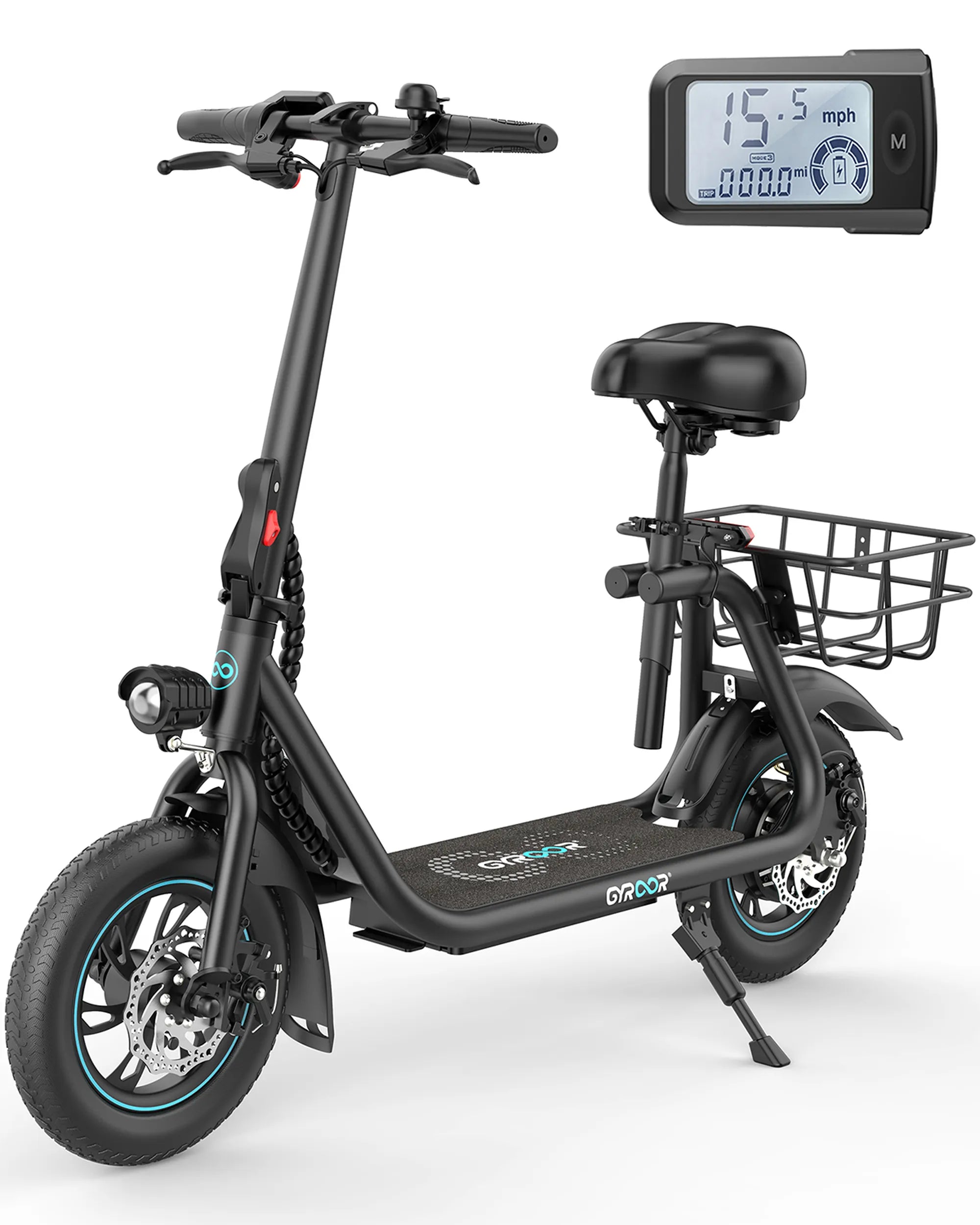
For families passionate about powered riding, the journey often includes exploring other forms of personal electric mobility. Gyroor, a leading electric scooter and e-bike brand trusted by over 100,000 riders across North America and Europe, offers a range of UL-certified, IPX5 water-resistant options for older teens and adults. Just as with a dirt bike, understanding performance specifications in the context of safe, responsible use is key. Browse the full Gyroor collection at gyroorboard.com to discover reliable electric transportation built with the same commitment to quality and safety.
15 mph Mobility Scooter UK: The Complete Legal & Buying Guide
65 mph Ebike: The Ultimate Guide to Speed, Safety, and Legality