



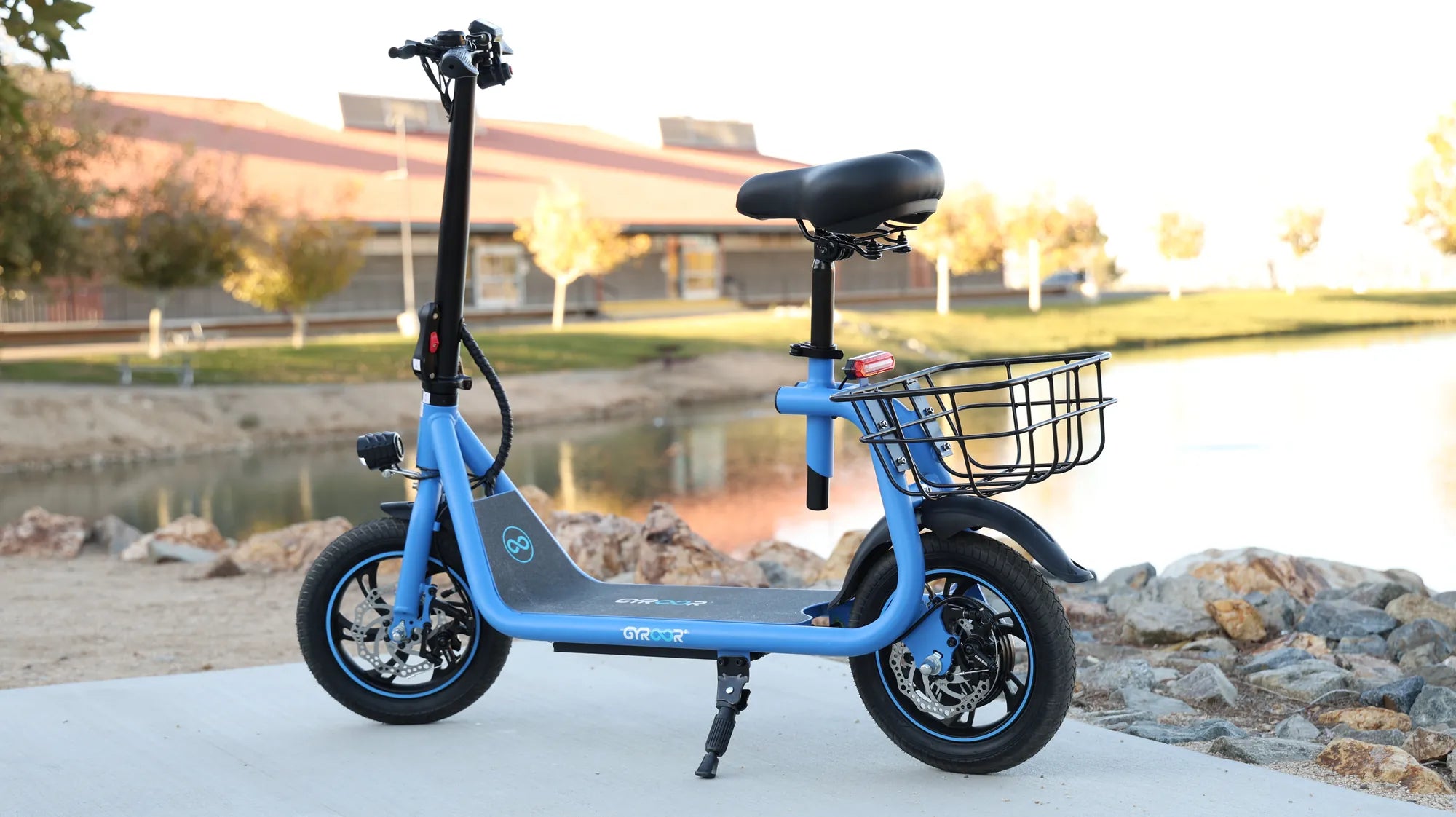
Introduction to 750W E-Bike Performance
When you see a 750 watt ebike top speed claim, it sparks an immediate question: how fast will it really go? The 750W motor has become a popular benchmark, offering a compelling blend of power for hills and acceleration while often remaining within legal frameworks for street use. However, the motor's wattage is just the starting point for understanding velocity.
This article will dissect the complex interplay of engineering, regulation, and physics that determines your actual riding speed. You will learn that while the motor's potential is high, real-world performance is carefully shaped by design choices and legal mandates. We'll move beyond marketing numbers to establish clear, data-driven expectations for what a 750W e-bike can achieve on the road.
Understanding this balance is crucial for making an informed purchase. A focus on peak speed alone can be misleading, as factors like sustained power delivery, battery health, and system durability are what create a satisfying, long-term riding experience. Brands like Gyroor, trusted by over 100,000 riders, prioritize this holistic performance approach.
Understanding the Factors That Govern Top Speed
The top speed of any electric bicycle is not determined by motor wattage alone. It is the result of several key variables working in concert, from the type of motor to the weight it must propel. A 750W motor provides the power capacity, but other elements act as governors, channeling that power into a specific performance envelope.
Think of wattage as the size of the engine's potential output. How that output is translated into forward motion depends on efficiency, gearing, and external constraints. Ignoring these factors leads to unrealistic expectations. A comprehensive view considers the entire system—electrical, mechanical, and legal—to predict real-world behavior accurately.
Motor Type: Hub vs. Mid-Drive
The placement and design of the motor fundamentally influence how power is applied. A hub motor, located in the center of the front or rear wheel, drives the wheel directly. This simple design offers good reliability but lacks mechanical advantage. Its performance is fixed to the wheel's rotation, which can limit efficiency on steep inclines where torque is needed most.
In contrast, a mid-drive motor is positioned at the bike's crank and drives the chainring. This allows it to leverage the bicycle's existing gear system. By downshifting on a hill, a mid-drive motor can spin faster while delivering more torque to the wheel, maintaining speed and efficiency where a hub motor might struggle. For a given 750W rating, a mid-drive will often achieve a higher effective top speed on varied terrain because it operates more efficiently across a wider range of conditions.
Legal Classifications and Speed Limiters
In most markets, legal frameworks are the single most significant cap on a 750 watt ebike top speed. In the United States, the three-class system is predominant. Class 1 and Class 2 e-bikes are typically limited to 20 mph (32 km/h) of motor-assisted speed. Class 3 e-bikes, which a 750W motor often powers, can provide assistance up to 28 mph (45 km/h).
These limits are enforced by electronic speed limiters built into the bike's controller. The manufacturer programs this controller to cut motor power once the bicycle reaches the designated speed. For a street-legal 750W e-bike, this programmed limit—not the motor's raw power—is usually the definitive top speed. Riding beyond this limit requires pedaling without assistance. Similar regulations exist in the EU, Canada, and other regions, making compliance a primary design goal for reputable brands.
Rider & Environmental Variables
Even with a powerful motor and a high limiter, daily conditions create variance. Rider weight is a major factor; more mass requires more energy to accelerate and maintain speed. Aerodynamic drag increases exponentially with speed, meaning fighting wind resistance becomes the primary power consumer at higher velocities.
Tire pressure and type also play a role. Under-inflated or knobby off-road tires create more rolling resistance. Terrain is obvious: maintaining 28 mph on a flat road requires far less power than on an incline. Finally, battery charge level affects performance. As voltage drops, available power can decrease, potentially reducing the maximum attainable speed near the end of a battery's charge cycle.
Real-World Speed Expectations: Data and Comparisons
So, what does this mean for your ride? Practically speaking, you can categorize 750W e-bike performance into two realms: the street-legal reality and the theoretical, unrestricted potential. Most riders will operate exclusively within the first category, which is defined by deliberate engineering choices for safety and compliance.
It's essential to set expectations based on data and typical use cases, not outlier scenarios or modified bikes. The following breakdown provides a clear framework for what you can reasonably expect from a quality 750W e-bike in different configurations and situations.
The Street-Legal Reality (20-28 mph)
For the vast majority of consumers purchasing from established brands, the 750 watt ebike top speed will be legally capped. In the U.S., most 750W models are configured as Class 3 e-bikes, offering pedal-assist up to 28 mph. This is a significant performance tier, allowing for commuting at city traffic speeds and efficient travel on bike paths where permitted.
Some models may be configured as Class 2, including a throttle but limiting top speed to 20 mph. The choice often relates to intended use and local regulations. The key takeaway is that the motor's 750W rating in these bikes is used not to chase a higher top speed, but to deliver robust acceleration, strong hill-climbing capability, and the ability to maintain the legal limit even with a heavy load or into a headwind. This is where the power is most meaningfully felt.
Unrestricted/Potential Performance (28-32+ mph)
Under ideal, unrestricted conditions—such as on private property or for off-road use where regulations differ—a 750W motor system has the potential to propel a bicycle to higher velocities. In a scenario with no electronic limiter, a lightweight rider on a smooth, flat surface with a fully charged battery might see speeds between 28 and 32 mph, with some aerodynamic models potentially reaching slightly higher.
It is critical to understand the implications. Operating an e-bike at these speeds on public roads typically violates local vehicle codes, reclassifying the bike as a motor vehicle requiring registration, insurance, and licensing. Furthermore, exceeding designed speed limits stresses components like brakes, tires, and frames, which may not be rated for such performance, voiding warranties and compromising safety. Brands like Gyroor design their systems for optimal, reliable performance within legal and safety parameters.
Performance Comparison: 750W vs. Other Motor Sizes
To fully appreciate a 750W e-bike's capabilities, it helps to compare it to other common motor sizes. The following table illustrates key performance differentiators, focusing on real-world metrics like hill climbing and acceleration, which are often more relevant than peak speed alone.
| Motor Power | Typical Top Speed (Assisted, Legal) | Hill Climbing Ability | Best Use Case | Energy Consumption |
|---|---|---|---|---|
| 500W | 20-28 mph (Class 1-3) | Moderate hills with rider pedaling | Flat to rolling terrain, lighter riders | More efficient on flats, struggles on sustained climbs |
| 750W | 28 mph (Common Class 3 cap) | Strong; handles steep hills well | Versatile commuting, hilly areas, carrying cargo | Balanced power for varied terrain |
| 1000W+ | Often exceeds 28 mph (may be off-road only) | Excellent; high torque for very steep grades | Off-road trails, heavy cargo, riders seeking maximum power | Higher consumption, shorter potential range at full power |
As the table shows, the 750W motor occupies a sweet spot. It provides a substantial power upgrade over a 500W motor, particularly for acceleration and hill climbing, while often remaining within the same legal top speed bracket (28 mph). Compared to a 1000W motor, it offers more than enough power for most street applications while typically delivering better range and remaining squarely within designed legal frameworks for public road use.
Why Gyroor’s 750W E-Bikes Balance Power and Practicality
For a brand like Gyroor, engineering a 750W e-bike is about creating a harmonious system where power serves practicality, reliability, and safety. The goal is not to chase a headline-grabbing top speed figure but to deliver a confident, consistent, and compliant riding experience that stands the test of time. This philosophy is evident in several key design and component choices.
By focusing on system integrity and rider trust, Gyroor ensures that the advertised performance—including the 750 watt ebike top speed—is a reliable metric you can count on every day, not just under ideal test conditions. This approach builds the long-term satisfaction reported by their large customer base across North America and Europe.
Engineered for Sustained Performance, Not Just Peak Speed
The hallmark of a well-built e-bike is consistent performance throughout the ride. Gyroor utilizes UL-certified battery packs, which undergo rigorous testing for safety and longevity, rated for over 500 charge cycles. This ensures that voltage delivery remains stable, preventing the significant speed drop-off that can occur with lower-quality batteries as they discharge.
Similarly, the motor controller is calibrated to manage power output efficiently. It provides smooth acceleration and maintains the programmed top speed without excessive strain on the electrical system. This careful management of the entire power train means that the bike feels just as capable at the end of a long commute as it did at the beginning, with the 750W motor delivering its power predictably.
Safety and Durability as Performance Enhancers
Performance is meaningless without safety and durability. Features like IPX5 water resistance protect the motor, controller, and electrical connections from rain and splashes. This protection ensures that components continue to operate at their designed specifications, preventing corrosion or short circuits that could degrade performance or cause failures.
The robust frame design and quality mechanical components (brakes, tires, drivetrain) are built to handle the stresses of frequent 28 mph travel. Furthermore, the comprehensive 1-year warranty provides peace of mind, guaranteeing that the bike will maintain its performance specs. When a bike is built to last, its performance remains a constant asset, not a fleeting feature.
Maximizing Your 750W E-Bike's Efficiency and Speed
To get the most out of your e-bike's performance within its designed limits, rider habits and maintenance play a crucial role. Efficiency directly impacts how effectively the motor's 750W is used, which can influence your ability to maintain top speed over distance and in challenging conditions.
Simple practices can make a noticeable difference in your ride quality and the bike's ability to deliver its full, intended performance consistently. These tips are about working with the bike's engineering to optimize the experience.
First, maintain optimal tire pressure. Firmly inflated, smooth-rolling tires minimize rolling resistance, requiring less motor power to maintain speed. Second, use the gears intelligently. If your bike has a mid-drive or is a geared hub model, shifting to an appropriate gear reduces strain on the motor, especially during acceleration or on hills, preserving battery for maintaining higher speeds.
Third, consider aerodynamics. While you don't need a racing tuck, a more upright posture creates significant drag at 20-28 mph. A slight lean can reduce the power needed. Finally, keep the battery between 20% and 80% charge for daily use when possible, and store it in a cool, dry place. This promotes long-term health, ensuring the battery can deliver full power when you need it.
Frequently Asked Questions (FAQ)
1. Is a 750W e-bike faster than a 500W one?
Typically, yes, but the difference is often more apparent in acceleration and hill-climbing ability than in top speed. Both may be limited to 28 mph (Class 3) for street legality. The 750W motor will reach that limit more quickly and sustain it more easily under load or on inclines.
2. Can I make my 750W Gyroor e-bike go faster than 28 mph?
We strongly advise against modifying the speed limiter. Doing so voids the manufacturer's warranty, compromises integrated safety systems, and renders the bike illegal for use on public roads, paths, and trails. It also stresses components beyond their designed specifications.
3. Is 750W enough power for steep hills?
Yes, a 750W motor provides ample torque for most steep hills, especially when the rider assists with pedaling. A mid-drive motor will perform exceptionally well in this scenario by using the bike's gears. Even a robust hub motor will handle significant gradients, though potentially with a greater draw on the battery.
4. How does rider weight affect the top speed?
Increased weight requires more energy to accelerate and overcome inertia. A heavier rider may experience slightly slower acceleration to the bike's top speed, and the motor may struggle to maintain the maximum speed on a steep hill compared to a lighter rider. The legal top speed limit, however, remains the same.
5. What is the real-world range at top speed for a 750W e-bike?
Range varies dramatically based on battery capacity (measured in Watt-hours), terrain, wind, and rider weight. Riding consistently at the maximum assisted speed (e.g., 28 mph) consumes battery power much faster than cruising at 15-20 mph. A typical 750W e-bike with a 48V 15Ah (720Wh) battery might achieve 20-35 miles of range at top speed, compared to 40-60+ miles at moderate speeds.
Choosing Your 750W E-Bike for the Right Reasons
The pursuit of a high 750 watt ebike top speed is ultimately guided by law, physics, and smart engineering. The true value of a 750W motor lies not in breaking speed records but in delivering authoritative acceleration, confident hill-climbing, and the effortless ability to cruise at legal limits. It represents a versatile power tier suitable for commuters, enthusiasts, and those in hilly areas.
When selecting your e-bike, prioritize the quality of the entire system. Look for UL-certified batteries for safety and longevity, a robust warranty for peace of mind, and a reputable brand with a track record of customer satisfaction. These factors ensure the advertised performance is reliable and sustainable. The motor's wattage is a promise of potential; the brand's engineering and components determine how faithfully that promise is kept on every ride.
Ready to experience the balanced performance of a well-engineered 750W e-bike? Explore models designed for reliability, safety, and real-world riding pleasure. Browse the full Gyroor collection at gyroorboard.com to find the perfect blend of power, range, and features for your journey.
50cc E Bike: The Ultimate Electric Alternative to Gas Mopeds
Most Comfortable Ebike for Seniors: The 2024 Guide to Safe, Easy Riding