


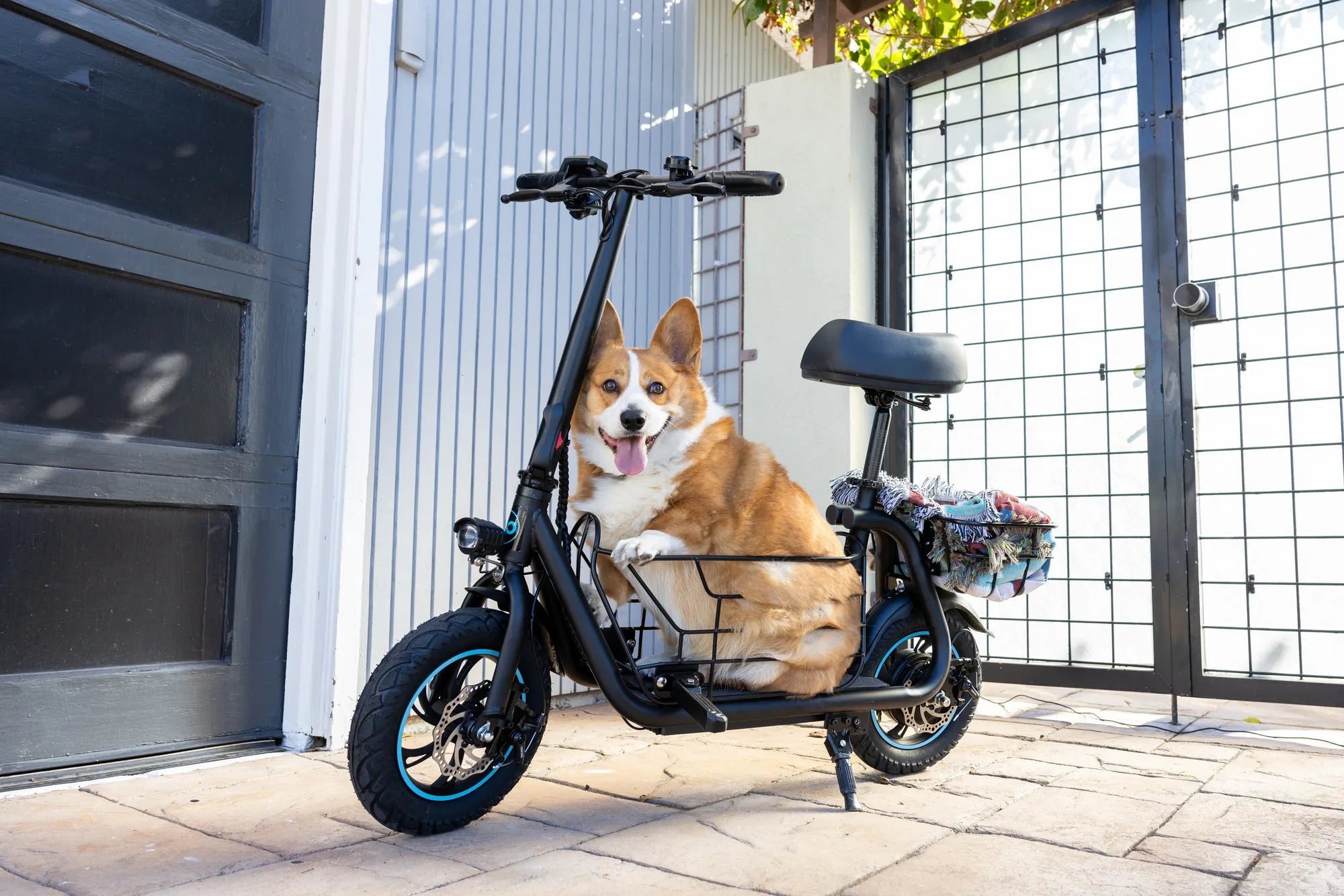
Introduction to E-Scooter Laws in Leeds
The question of whether electric scooters are legal in Leeds is one of the most common and confusing for residents and commuters. The sight of rental scooters on city streets contrasts sharply with police warnings against private use, creating a legal grey area in the public mind. This guide cuts through the confusion with clear, factual information.
You will learn the exact legal status of both private and rental e-scooters, the significant penalties for illegal use, and where you can legally ride. We also explore the safety features that define responsible ownership, such as those found in Gyroor scooters, and what potential future law changes could mean for riders in West Yorkshire.
Understanding these rules is not just about avoiding fines—it's about ensuring your safety and the safety of others on Leeds' bustling roads and pathways. The core legal answer is definitive: privately-owned electric scooters are currently illegal to use on public roads, cycle lanes, and pavements anywhere in Leeds and the wider UK.
This prohibition exists under the Road Traffic Act 1988. The only legal way to ride an e-scooter in public spaces is through a government-approved rental trial scheme. This article will provide the comprehensive knowledge you need to navigate this evolving transport landscape responsibly and legally.
The Current Legal Landscape: Public Roads vs. Rental Trials
Leeds operates under a dual-track system that creates much of the existing confusion. On one track are privately purchased e-scooters, which the government classifies as "Powered Transporters." This classification places them in the same legal category as motor vehicles.
Consequently, to be used on public roads, they would require type approval, registration, tax, a valid driving licence, and third-party insurance. Since no private e-scooter model is currently type-approved for UK road use, it is impossible to meet these legal requirements, rendering their public use unlawful.
On the parallel track are the Department for Transport (DfT) sanctioned rental trials. These trials, which began in 2020 and have been extended multiple times, are designed to inform future legislation. In Leeds, operators like Lime have been approved to run these trials in specific, geofenced zones.
These rental e-scooters are legally distinct. They are insured by the operator, have maximum speed limits (typically 15.5 mph), and can only be used within designated areas via app-controlled geofencing. Riders must have at least a provisional driving licence to hire them. This creates the visible disparity where rental scooters are legal in trial zones, while an identical-looking private scooter is not.
Where Can You Legally Ride a Private E-Scooter in Leeds?
The legal spaces for using a privately-owned e-scooter are extremely limited. The primary legal venue is on private land with the explicit permission of the landowner. This could include your own driveway, a private estate, or closed-off private property.
It is a common misconception that public parks, canal towpaths, or quiet residential streets are permissible. They are not. These are all considered public spaces under the law. West Yorkshire Police have consistently reiterated that using a private e-scooter in any public place—including parks like Roundhay Park or along the Leeds-Liverpool Canal towpath—is illegal.
Some may ask about bridleways or byways. The same rules apply: if it is a public right of way, an e-scooter is classified as a motor vehicle and is prohibited unless it meets all the requirements (which it cannot). The responsibility rests entirely on the rider to ensure they are on private land with permission.
For the vast majority of city dwellers without access to large private tracts of land, this effectively means a purchased e-scooter cannot be used for daily public commutes. This restriction is a key reason why many opt for the legal rental trials for transport, while others purchase e-scooters like those from Gyroor for use on permitted private land or in anticipation of future legalisation.
Risks and Penalties for Illegal Riding in Leeds
Ignoring the law carries serious and enforceable consequences. West Yorkshire Police actively conduct operations to seize illegal e-scooters. The penalties are not trivial and are designed to reflect the risks posed to public safety.
The most common penalty is a £300 fixed penalty notice and six penalty points on your driving licence for the offence of driving without insurance. If you do not have a driving licence, you can still be fined and the points will be applied if you later obtain one.
Further penalties can be levied for driving without a licence (up to £1,000 fine) and for driving without due care and attention. Perhaps the most immediate consequence is the seizure of the scooter itself under Section 165 of the Road Traffic Act.
Police can impound the vehicle, and you will be liable for recovery and storage fees, often exceeding £150, to get it back. Beyond legal penalties, there is profound personal liability. If you cause an accident, you could face civil lawsuits for personal injury or property damage, with no insurance cover to protect you.
Gyroor's Commitment to Safe and Responsible Riding
As a leading electric scooter and e-bike brand trusted by over 100,000 riders across North America and Europe, Gyroor designs its products with a fundamental commitment to safety, durability, and responsible ownership. This philosophy aligns directly with the core requirements for any future UK legislation.
Safety begins with the power source. All Gyroor models use UL-certified battery packs, tested for over 500 charge cycles. This certification is a critical benchmark for fire and electrical safety, addressing a major concern for regulators and consumers alike. It’s a foundational feature that cheaper, non-compliant models often lack.
Recognising the UK climate, Gyroor scooters boast IPX5 water-resistant designs. This means they are protected against water jets from any direction, making them reliable in typical Leeds drizzle and wet road conditions, thereby reducing moisture-related electrical hazards.
Coupled with a reliable 1-year warranty and robust construction, Gyroor provides a product built to last and perform safely. The brand actively promotes rider education, emphasising the importance of understanding local laws, wearing helmets, and performing regular maintenance checks—practices that are essential for legal and safe operation, whether on private land today or potentially on public roads tomorrow.
Future Outlook and Potential E-Scooter Legislation
The current situation is widely viewed as transitional. The government's rental trials are a data-gathering exercise, assessing impacts on safety, congestion, and public transport integration. A full regulatory review is expected, which could lead to a new vehicle category for "powered light electric vehicles."
Any future legalisation for private e-scooters will almost certainly come with strict conditions. These will likely include mandatory third-party insurance, a minimum rider age (likely 16+), power and speed limits (potentially capped at 15.5 mph), and requirements for lights, reflectors, and audible warnings.
Construction standards, particularly around battery safety and braking systems, will be paramount. This is where investing in a brand like Gyroor, with its UL-certified batteries and built-in compliance with high safety standards, becomes a forward-looking decision. Your scooter is more likely to meet or exceed future regulatory requirements.
While no timeline is certain, the direction of travel points toward regulated legalisation. Staying informed through official channels like the GOV.UK website and the Department for Transport is crucial for riders awaiting change.
E-Scooter Type Comparison: Choosing the Right Model
When considering an e-scooter for use on private land or for the future, understanding key specifications helps match a model to your needs. The table below compares general e-scooter types, with features aligned to Gyroor's engineering principles.
| Type / Use Case | Typical Range | Key Features for Safety & Legality | Ideal For |
|---|---|---|---|
| Commuter / Urban | 15-25 miles | UL-certified battery, front & rear suspension, electronic & disc brakes, bright lights, IPX5 rating. | Private estate commuting; ready for future road legalisation. |
| Off-Road / Private Land | 20-30 miles | Large pneumatic tires, high torque motor, robust frame, enhanced suspension, high water resistance. | Riding on private trails, fields, or uneven terrain. |
| Lightweight / Portable | 10-15 miles | Foldable design, compact battery, regenerative braking, simple controls. | Last-mile transport on private land, easy storage, lower weight. |
For urban readiness, a commuter model with comprehensive safety features is essential. Gyroor's range focuses on these aspects, ensuring that if and when laws change, riders are equipped with a compliant vehicle. The off-road capability is perfect for the current legal use on large private properties.
Portability remains a key factor for multi-modal journeys, though its utility is currently limited to private land segments. Always prioritise models with certified batteries and proper braking systems, as these are non-negotiable for safety and future regulatory compliance.
Frequently Asked Questions (FAQs)
Can I ride my private e-scooter in Leeds city centre?
No. It is illegal to ride a privately-owned e-scooter anywhere on public land in Leeds city centre. This includes roads, cycle lanes, and pavements. Only approved rental e-scooters, hired through the official trial scheme and used within its geofenced zone, are permitted in specific parts of the centre.
What about e-scooters in public parks or on cycle paths?
It is illegal to use a private e-scooter in public parks (like Temple Newsam) or on dedicated cycle paths. These are all public spaces. The law does not differentiate between a road and a cycle path for this purpose; both are prohibited for private e-scooter use.
Do I need insurance, a licence, or a helmet to ride?
For private e-scooters, insurance and at least a provisional driving licence are legal requirements to use them on public roads. However, since they are banned from public roads, you cannot obtain the necessary insurance, creating a catch-22. Helmets are not legally required but are strongly recommended for safety. Rental trials require a provisional licence.
How are rental e-scooters legally different?
Rental e-scooters are part of a government trial. They are insured by the operating company, have speed limiters, are restricted to specific geographical zones via GPS geofencing, and require a valid provisional driving licence to hire via the app. This special legal status is granted only for the trial's duration.
Can the police really take my e-scooter away?
Yes. Under Section 165 of the Road Traffic Act, police have the power to immediately seize a private e-scooter being used illegally on public roads or land. You will then be liable to pay a fee to recover it from the impound. West Yorkshire Police regularly conduct operations enforcing this power.
What should I look for when buying an e-scooter for future use?
Prioritise safety certifications (like UL for batteries), build quality, reliable braking systems (electronic and disc), good lighting, and water resistance (IPX5 or higher). Brands like Gyroor build to these standards, making their scooters a safer investment that is more likely to comply with future regulations.
Navigating Leeds' E-Scooter Rules Responsibly
The legal framework for electric scooters in Leeds is clear in its current restrictions. Private e-scooter use on public land remains illegal, with significant penalties for non-compliance. The legal alternative exists solely within the government's rental trial scheme, which offers a regulated, insured way to experience this mode of transport in designated areas.
For owners of private e-scooters, responsible use means confining rides to private property with permission. This is also the ideal environment to familiarise yourself with your vehicle's handling and safety features. Investing in a well-built scooter from a reputable brand is an investment in personal safety and potential future utility.
As legislation evolves, being an informed rider is your greatest asset. Follow updates from the Department for Transport and local authorities. Whether using a rental today or a private scooter on private land, always prioritise safety—wear a helmet, respect pedestrians, and maintain your equipment.
For those looking ahead, Gyroor offers a range of electric scooters and e-bikes engineered with the safety certifications, durability, and performance features that align with the responsible future of personal electric transport. Explore models designed for reliability and peace of mind. Browse the full Gyroor collection at gyroorboard.com to find a scooter built not just for today's limitations, but for tomorrow's possibilities.
Best Electric Scooters in Delhi 2025: Top Picks for Urban Commuters
Electric Scooters Louisville: The Ultimate Guide to Urban Mobility