



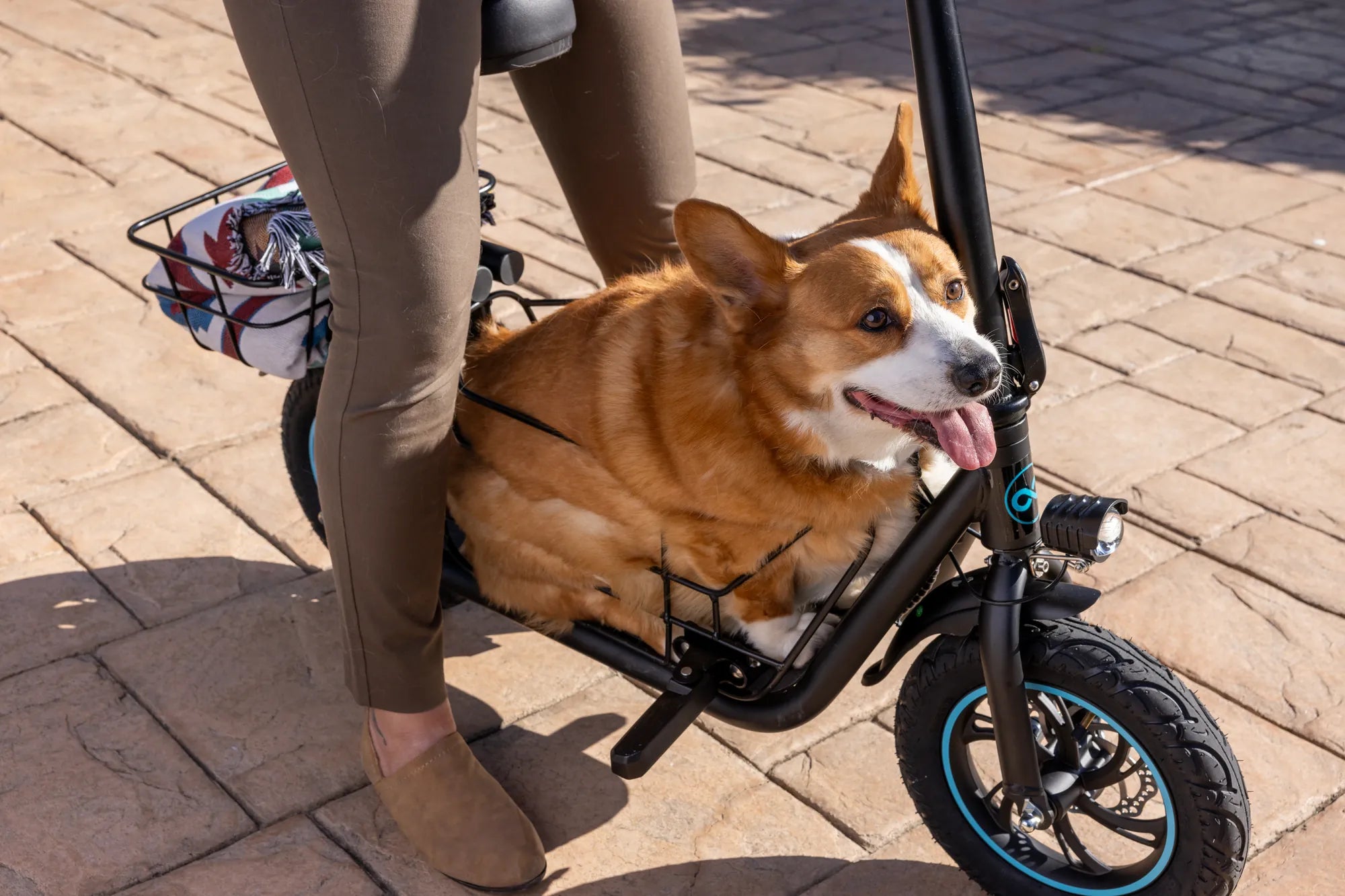
Navigating the Legal Landscape of Electric Scooters
The sudden appearance of electric scooters on city streets has sparked a global conversation about urban mobility, safety, and regulation. For potential riders and commuters, the most pressing question is straightforward: Are pure electric scooters legal? The answer is not a simple yes or no. It's a complex, evolving patchwork of laws that vary dramatically by country, state, province, and even individual city blocks.
This guide will provide a comprehensive exploration of the rules and regulations governing stand-up electric scooters. We'll decode the legal classifications, explain the critical factors that determine legality, and provide a clear-eyed look at regional differences. Understanding these laws is not just about avoiding fines—it's about ensuring your safety and the safety of those around you while enjoying this efficient form of personal transport.
Understanding the Legal Classification: What is a "Pure Electric Scooter"?
Legally, a "pure electric scooter" typically refers to a stand-up, two-wheeled vehicle controlled by handlebars, powered solely by an electric motor without pedals. This distinct classification separates it from e-bikes (which have functional pedals), mopeds, and motorcycles. This distinction is crucial because most transportation laws were written long before these devices existed.
Regulators categorize vehicles based on key metrics: maximum speed, motor wattage (power), weight, and whether they have a seat or pedals. A pure electric scooter, like many models from Gyroor, usually falls into a new category often termed "Personal Light Electric Vehicle" (PLEV) or "Low-Speed Electric Vehicle." How it is defined in your local law book dictates everything—from where you can ride to whether you need a helmet, license, or insurance.
Misunderstanding this classification is a common pitfall. Riding a device classified as a motor vehicle on a sidewalk can lead to significant penalties. Therefore, the first step in answering "Are pure electric scooters legal?" is to understand how your local jurisdiction defines the machine you're riding.
Key Regulations That Determine Legality: A Three-Factor Framework
Lawmakers and city planners use a consistent framework to regulate electric scooters, primarily focusing on three technical and operational factors. These form the bedrock of almost all legislation worldwide.
Speed Limit Restrictions
Maximum speed is the most common regulatory lever. Jurisdictions set speed caps that often dictate where the scooter can be operated. A common threshold is 15-20 mph (25-32 km/h). Scooters limited to these speeds are frequently permitted in bike lanes and on roads. Higher speeds may push the device into a moped or motorcycle class, requiring registration and licensing.
Many responsible manufacturers build compliance into their products. Gyroor electric scooters, for example, often feature multiple speed modes (e.g., Eco, Normal, Sport). This allows a rider to select a mode that complies with local bike lane speed limits (often 15 mph) while having the option for higher speeds on private property or in more permissive areas, putting control and responsibility in the rider's hands.
Motor Power and Wattage
Motor wattage is a direct measure of power and acceleration. Common legal limits for PLEVs are 250W, 500W, or 750W. The European EN17128 standard, for instance, specifies a maximum continuous rated power of 500W. Exceeding these limits can reclassify the scooter as a motor vehicle.
Transparency is key for compliance. Riders should always check their scooter's motor specification. Brands that prioritize legal operation, like Gyroor, clearly state motor wattage and design their systems to align with common international thresholds, using UL-certified components for verified safety and performance.
Age, Helmet, and Licensing Requirements
These operational rules are highly variable. Minimum age requirements commonly range from 14 to 18 years old. Helmet laws are almost universal for minors and are increasingly required for all riders, especially when operating on roads.
The need for a driver's license often hinges on the scooter's classification. If it's considered a PLEV for use on bike paths, a license may not be required. If it's classed for road use, a valid license is typically mandatory. Some regions, like certain UK and EU jurisdictions, are creating new categories that do not require a car license but may require a provisional permit. Always check your local Department of Motor Vehicles or transportation authority website.
Where Can You Ride? Rules of the Road, Path, and Sidewalk
Permission to operate is one thing; permission to operate in a specific location is another. This is where local ordinances have the most significant—and sometimes confusing—impact.
Road and Bike Lane Usage
In regions where e-scooters are legal, they are most commonly permitted on roads with speed limits at or below 25-35 mph and in designated bike lanes. When on the road, riders are generally expected to follow all standard traffic laws: obeying signals, riding in the direction of traffic, and using hand signals for turns. Proper lighting (front white light, rear red light) is often a legal requirement for road use after dusk.
Sidewalk Riding Bans and Local Ordinances
Sidewalk riding is frequently prohibited in dense urban areas due to pedestrian safety concerns. Fines for sidewalk riding can be substantial. The rationale is clear: sidewalks are for walking, and scooters traveling at 15 mph pose a serious risk to pedestrians. Always assume sidewalk riding is illegal unless explicit signage or local law states otherwise. University campuses and private communities may have their own distinct rules that override city ordinances.
Public Transit and Parking Etiquette
Policies on bringing scooters onto buses, trams, and trains vary by transit authority. Many allow folded scooters during off-peak hours. Responsible parking is critical for the long-term acceptance of e-scooters. They should never block sidewalks, ramps, building entrances, or access points. Many cities now designate specific scooter parking corrals. Good etiquette prevents clutter, avoids fines, and maintains positive community relations.
A Comparative Look: Regional Regulations in North America & Europe
The global approach to e-scooter legality is a study in regional adaptation. Below is a high-level comparison of key markets.
| Region | Governing Principle | Typical Speed Limit | Typical Power Limit | Common Riding Location |
|---|---|---|---|---|
| United States | State & City Ordinance | 15-20 mph | 500-750W | Bike Lanes, Roads ≤25 mph |
| European Union | EN17128 Standard (National Implementation) | 25 km/h (15.5 mph) | 500W (continuous) | Bike Paths, Cycle Lanes |
| Canada | Provincial Jurisdiction | 20-32 km/h | 500W | Varies by Province/City |
| United Kingdom | National Law (Road Traffic Act) | 15.5 mph | 500W | Roads, Cycle Lanes (Not Sidewalks) |
United States: A State-by-State and City-by-City Patchwork
There is no federal law for e-scooters in the U.S. States like California and Texas have passed permissive state laws, but major cities retain the authority to impose stricter rules. For example, San Francisco requires scooter companies to have a permit and strictly enforces parking and riding zones. New York City legalized e-scooters in 2020 but with a speed limit of 15 mph and a prohibition on sidewalk riding. Riders must research both state law and municipal code.
European Union: The EN17128 Standard and National Adaptations
The EU provides a framework with the EN17128:2020 standard for "Powered Light Electric Vehicles." This classifies scooters with a max speed of 25 km/h and a 500W motor. Member states then transpose this into national law. Germany, France, and Italy all permit such scooters on bike paths and roads, but helmet and insurance requirements differ. This standardized approach makes compliance clearer for manufacturers like Gyroor, who design for these parameters.
Canada and the UK: Provincial and Devolved Approaches
In Canada, transportation is a provincial responsibility. Ontario, British Columbia, and Quebec have established pilot programs or permanent rules, generally aligning with speed limits of 20-32 km/h. In the UK, e-scooters were legalized for use on public roads and cycle lanes in 2022, but only for rental scooters in government-approved trials. Privately owned scooters remain legal only on private land, though this law is under review. This highlights how legality can differ even between owned and rented devices.
How Gyroor Ensures Compliance and Safe Riding
Navigating this complex legal landscape is easier with a scooter designed for compliance. Responsible brands engineer their products not just for performance, but to meet common regulatory standards, empowering riders to operate within the law.
Built to Common Legal Standards: Speed Modes and Wattage
Gyroor designs its electric scooters with global regulations in mind. Key models feature programmable speed modes that allow riders to limit their top speed to match local bike lane or path regulations (e.g., 15 mph mode). Furthermore, Gyroor provides clear, honest specifications on motor wattage (e.g., 500W peak), ensuring riders know their vehicle's classification and can avoid inadvertently purchasing an overpowered, non-compliant model.
Safety Features That Support Legal Operation: Lights, Brakes, and IP Rating
Legal operation is safe operation. Many laws require functional front and rear lights for road use; Gyroor scooters integrate bright LED lighting systems. Reliable braking systems—whether electronic, disc, or drum—are essential for safe stopping and are a key component of vehicle safety standards. An IPX5 water-resistance rating, common on Gyroor models, ensures the scooter can handle wet conditions, promoting durability and safe operation in various weather conditions, which is an implicit expectation for any road-legal vehicle.
The Importance of Warranty and Certified Components
Compliance isn't just about initial specs; it's about long-term reliability. Gyroor's comprehensive 1-year warranty and use of UL-certified battery packs provide critical assurance. These certified components are tested for safety, performance, and hundreds of charge cycles, reducing the risk of malfunction that could lead to an accident or violation. This commitment to quality means the scooter is built to a consistent, verifiable standard that aligns with the intent of safety regulations worldwide.
Frequently Asked Questions (FAQ) on E-Scooter Legality
Q1: Do I need a license, insurance, or registration for my electric scooter?
A: It depends entirely on local law. In most areas where scooters are classified as PLEVs for bike lanes, no license, insurance, or registration is required. If the scooter is classified for road use (often due to higher speed/power), a license and registration may be needed. Insurance is rarely mandatory for private scooters but is highly recommended. Always check with local authorities.
Q2: Can I get a DUI on an electric scooter?
A: Yes, absolutely. Electric scooters are generally considered "vehicles" under traffic laws. Operating any vehicle while under the influence of alcohol or drugs is illegal and can result in a DUI/DWI charge, with the same severe penalties as driving a car, including fines, license suspension, and jail time.
Q3: Are electric scooters legal in national or state parks?
A: This is highly specific to the park. Many natural parks restrict motorized vehicles on trails. Some may allow them on paved roads or specific multi-use paths. You must check the official rules of the individual park before riding. Assume they are prohibited on natural surface trails unless explicitly stated otherwise.
Q4: What happens if I'm caught riding an illegal scooter or breaking local rules?
A: Consequences can range from a warning and educational pamphlet to significant fines, impoundment of the scooter, and even points on your driver's license (if applicable). In severe cases involving reckless operation or injury, criminal charges are possible. Enforcement is increasing as cities formalize their rules.
Q5: How can I find the specific laws for my city?
A> Start with your city's official website, searching for "electric scooter" or "micromobility" ordinances. Your state or province's Department of Transportation website is another key resource. Local bike advocacy groups often have up-to-date summaries. When in doubt, a call to your local non-emergency police line can provide clarity.
The Final Verdict: Knowledge is Your Permit to Ride
The question, "Are pure electric scooters legal?" has a definitive answer: It depends on your specific location and the specifications of your scooter. Legality is not a universal constant but a local variable defined by speed limits, motor power, and municipal code. The responsibility for lawful operation rests firmly with the rider. Ignorance of the law is rarely accepted as an excuse.
The path to confident, legal riding starts with research. Check your local regulations, understand your scooter's capabilities, and always prioritize safety with a helmet and defensive riding habits. Choosing a scooter from a reputable brand that prioritizes compliance, like Gyroor with its UL-certified batteries, clear specifications, and safety-focused design, provides a strong foundation for staying within legal bounds.
Electric scooters offer a fantastic, sustainable mode of transport for modern cities. By riding informed and riding responsibly, you contribute to their positive integration into our urban fabric. Explore a range of models engineered for performance, safety, and sensible compliance. Browse the full Gyroor collection at gyroorboard.com to find a scooter that matches both your riding needs and your local legal landscape.
Electric Scooters With Highest Weight Limit: The Ultimate Guide for Heavy Riders
Cheap Electric Scooters Online: The Ultimate Guide to Affordable Commuting