



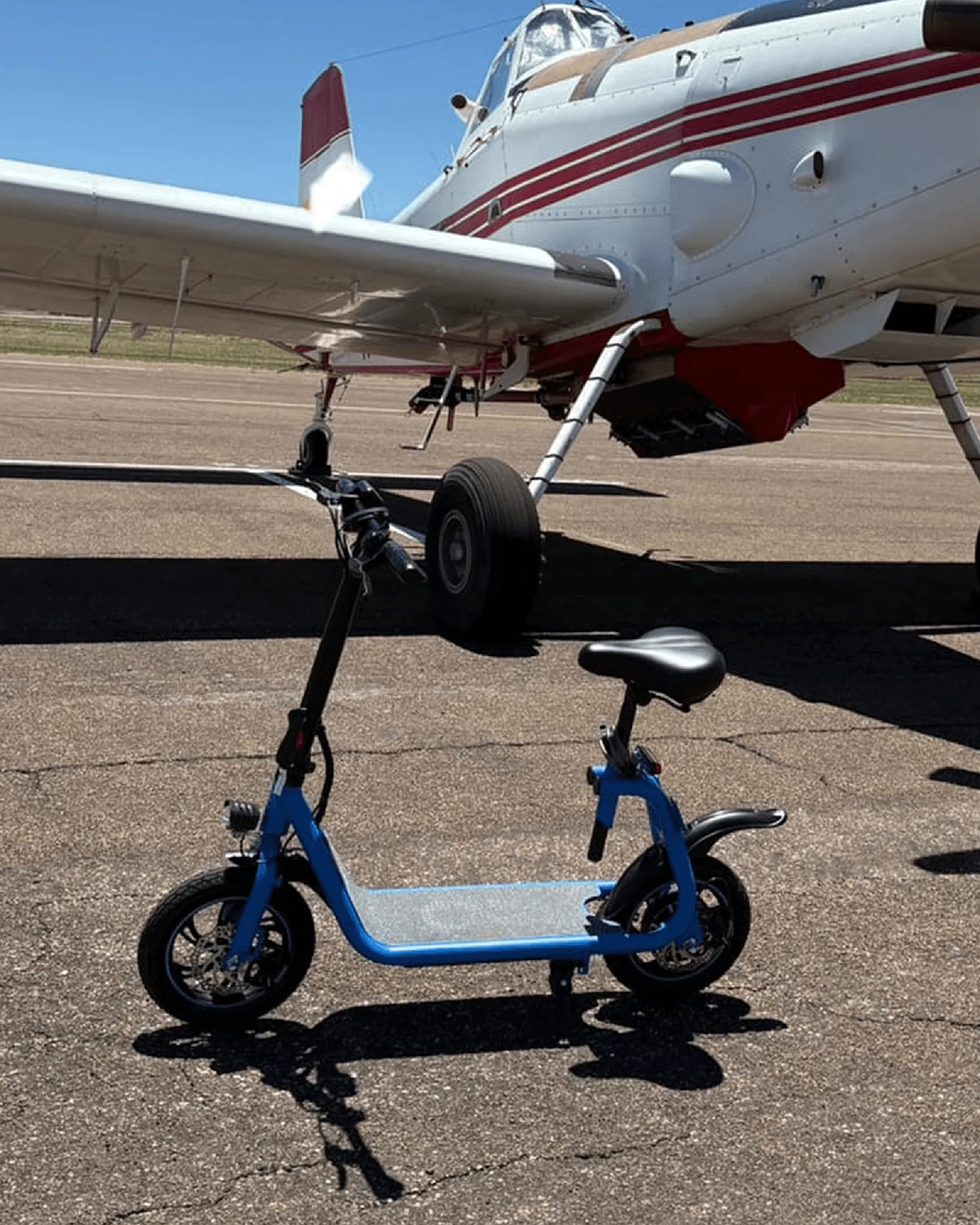
Why Big Wheels Are a Game-Changer for Electric Scooters
Choosing the best big wheel scooter fundamentally transforms your riding experience from a compromise to a confident journey. Defined by tires measuring 10 inches or more in diameter, these scooters move beyond the limitations of compact, small-wheeled models. The core proposition is simple: larger wheels provide a dramatically more stable platform, absorb road imperfections with ease, and instill a level of safety that makes urban commuting and light recreational riding genuinely enjoyable.
For riders navigating city streets filled with potholes, cracks, and uneven surfaces, the upgrade is not merely incremental; it's essential. The best big wheel scooter blends this enhanced hardware with robust electrical systems and durable construction. Brands like Gyroor have focused on this category, integrating large wheels with certified battery technology and water-resistant designs to create vehicles built for real-world conditions, trusted by over 100,000 riders globally.
This guide will dissect the advantages, provide a detailed buyer's checklist, and offer objective comparisons. You will learn how to identify a scooter that doesn't just have large wheels, but is engineered to leverage them fully for a smoother, safer, and more capable ride.
Key Advantages of Choosing a Big Wheel Electric Scooter
The decision to prioritize wheel size is driven by tangible, rider-focused benefits. The best big wheel scooter addresses the most common pain points of standard models directly, turning potential obstacles into non-issues.
Enhanced Stability and Control
Larger wheels increase the tire's contact patch with the ground and often lower the scooter's effective center of gravity. This physics translates directly to rider feel. You experience significantly less wobble at higher speeds, especially when cruising at 20+ MPH. Cornering becomes more planted and predictable, as the scooter is less prone to slipping or feeling tippy during turns.
This stability is crucial for both new and experienced riders. It builds confidence, reduces fatigue from constantly making micro-corrections, and provides a safer platform for navigating mixed traffic. The best big wheel scooter uses this inherent stability as a foundation for its overall performance envelope.
Superior Comfort and Shock Absorption
This is the most immediately noticeable benefit. Small, solid tires transmit every pebble and pavement seam directly to the deck and your body. Bigger wheels, particularly pneumatic (air-filled) tires, act as a primary suspension system.
They compress and deform over bumps, absorbing impacts before they reach the frame. The result is a ride that glides over cracks, cobblestones, and rough asphalt instead of jolting over them. This reduces physical strain on your joints and makes longer commutes not just possible, but pleasant. Comfort is no longer a luxury; it's engineered into the design.
Increased Safety and Versatility
Safety is enhanced through multiple avenues. The improved traction from a larger contact area provides better grip on wet roads, painted lines, and loose surfaces, reducing the risk of skidding. Greater wheel diameter also offers higher obstacle clearance, allowing you to roll over raised pavement joints, small potholes, and even moderate curbs without fear of a sudden stop.
This capability expands the scooter's usable terrain. The best big wheel scooter is no longer confined to pristine bike paths. It becomes a viable tool for urban exploration, park trails, and gravel paths—scenarios where a standard scooter would struggle or become unsafe. This versatility makes it a more practical and valuable personal transportation device.
What to Look for in the Best Big Wheel Scooter: A Buyer's Guide
Wheel size is the starting point, but the overall quality determines if you've found a true performer. Use this checklist to evaluate specifications and features critically.
Motor Power and Hill Climb Ability
Larger wheels require more torque to accelerate and maintain speed. A robust motor is non-negotiable. Look for a continuous power rating of at least 500W for a single motor or 500W+ in dual-motor configurations. This ensures the scooter has the grunt to handle moderate inclines (15-20% grades) even with a rider at or near the weight limit.
A weak motor paired with big wheels results in sluggish acceleration and an inability to climb hills, negating the performance benefits. The best big wheel scooter pairs its wheel size with a motor powerful enough to exploit the stability at higher speeds and conquer common urban slopes confidently.
Battery Range and Reliability
Bigger wheels can sometimes marginally increase rolling resistance. More importantly, the ability to ride faster and on varied terrain means you'll use more power. Therefore, a high-capacity battery is crucial to achieving a practical real-world range. Look for batteries rated at 10Ah (360Wh) or higher for commutes of 10-15 miles.
Beyond capacity, battery quality and safety are paramount. Insist on UL-certified battery packs, like those used by Gyroor. This certification means the cells and battery management system have undergone rigorous independent testing for safety, reliability, and longevity (typically 500+ charge cycles), protecting against fire risk and premature failure.
Build Quality and Durability Features
The frame must be engineered to handle the additional stresses of a larger wheelbase and rougher terrain. Look for frames made from reinforced aluminum or aircraft-grade alloys. Braking systems are critical; hydraulic or high-quality mechanical disc brakes provide the consistent, strong stopping power needed for a heavier, faster scooter.
For all-weather capability, a water resistance rating is essential. An IPX5 rating indicates the scooter can withstand water jets from any direction, making it safe to ride in rain and through wet streets. This, combined with durable wiring and sealed connectors, ensures long-term reliability.
Portability and Weight Considerations
This is the primary trade-off. The best big wheel scooter will be heavier and often larger when folded than its small-wheeled counterparts due to its sturdier frame and components. Weights often range from 40 to 70+ pounds.
Evaluate the folding mechanism for ease of use and security. Consider if you need to carry it up stairs or onto public transport frequently. If ultimate portability is your top priority, a big-wheel model may require compromise. However, for riders who primarily need to fold for storage (at work, under a desk, in a trunk), the weight is a worthwhile trade for the on-road benefits.
Gyroor's Approach to Big Wheel Performance: Engineering for Trust
Gyroor has built its reputation by addressing the core engineering challenges of personal electric vehicles with a focus on safety and durability, making their approach to big wheel scooters particularly relevant.
UL-Certified Battery Packs for Peace of Mind
In a market where battery safety is the foremost concern, Gyroor's commitment to UL certification is a key differentiator. This isn't just a marketing claim; it's a verifiable standard. Each battery pack undergoes tests for electrical, mechanical, and environmental safety, drastically reducing risks of overheating, fire, or failure. For a rider investing in a high-performance scooter, this provides fundamental peace of mind that the most critical component is built to the highest safety standards.
IPX5 Water-Resistant Design for Real-World Use
An IPX5 rating defines a scooter built for reality, not just ideal conditions. It means the entire electrical system is protected against sustained, low-pressure water jets from any angle. Practically, this allows you to commute home in a downpour, navigate freshly washed streets, or accidentally ride through a deep puddle without immediate fear of damage or short-circuiting. This engineering consideration directly extends the scooter's lifespan and usability, ensuring it's a reliable tool, not a fair-weather toy.
Warranty and Support: Riding with Confidence
A comprehensive 1-year warranty on the scooter underscores a brand's confidence in its build quality. Gyroor backs its vehicles with this coverage, supported by service networks in North America and Europe. This commitment signals that the brand is invested in the long-term ownership experience, not just the initial sale. For a significant purchase like the best big wheel scooter, strong warranty support is as important as any hardware specification, protecting your investment.
Big Wheel Scooters vs. Standard Models: Making the Right Choice
To make an informed decision, a direct comparison of attributes is essential. The table below highlights the key differences to help you match a scooter type to your primary needs.
| Attribute | Best Big Wheel Scooter | Standard Scooter (8.5" or smaller wheels) |
|---|---|---|
| Ride Comfort | Excellent. Superior shock absorption from large, often pneumatic tires. | Fair to Good. More vibration and impact felt from small, often solid tires. |
| Terrain Handling | High. Confident on urban streets, light trails, gravel, and over obstacles. | Low. Best on very smooth pavement, bike paths. Struggles with rough surfaces. |
| Stability at Speed | Very High. Planted, secure feeling, minimal speed wobble. | Moderate. Can feel less stable, especially near top speed. |
| Portability (Weight/Size) | Lower. Typically heavier (45-70 lbs) and bulkier when folded. | Higher. Typically lighter (25-40 lbs) and more compact. |
| Typical Motor Power | Higher (500W+). Needed to drive larger wheels effectively. | Variable (250W-500W). Often adequate for smaller wheels. |
| Ideal User Profile | Commuters prioritizing comfort & stability, riders on rough roads, those seeking light off-road capability. | Riders prioritizing ultra-portability, those with mostly smooth, short routes, or strict weight limits. |
Your choice hinges on your dominant use case. If your route is rough or you value a car-like feeling of stability, the best big wheel scooter is the clear winner. If you must carry it up a flight of stairs daily, a standard model may be more practical.
Frequently Asked Questions About Big Wheel Electric Scooters
1. Are big wheel scooters significantly slower or less efficient?
Not necessarily. While larger wheels can require more initial torque to accelerate, a properly matched motor compensates fully. Top speed is often higher due to increased stability. Efficiency (range per charge) can be slightly lower due to increased weight and potential rolling resistance, but this is offset by using a larger capacity battery. The overall performance package is superior.
2. Can they handle hills and off-road trails?
They excel at hills compared to standard scooters, provided they have a sufficiently powerful motor (500W+). The increased torque application from the larger wheel radius also helps. For off-road, they are best described as "light trail" capable. They can handle packed dirt, gravel, grass, and uneven pavement confidently, but are not designed for aggressive mountain biking terrain.
3. How does the IPX5 rating protect my scooter?
An IPX5 rating ensures all electrical compartments are sealed against water projected by a nozzle (6.3mm) from any direction. In practice, this means riding in steady rain, through puddles, or after the streets have been cleaned will not damage the scooter's core electronics. It is a crucial feature for a vehicle designed for daily, all-weather transportation.
4. Is the extra weight of a big wheel scooter a major drawback?
It depends on your usage. If you need to carry it for extended periods (e.g., long walks, up multiple flights of stairs), the weight (often 50+ lbs) is a serious consideration. However, if you primarily ride point-to-point and only fold it for storage in a trunk or beside your desk, the weight is a minor trade-off for the substantial gains in ride quality and safety.
5. Is the 1-year warranty standard for all components?
A reputable 1-year warranty typically covers manufacturing defects in the frame, motor, battery, and controller. Wear items like tires, brake pads, and the deck grip tape are usually excluded. Always review the manufacturer's specific warranty terms for full details. Gyroor, for instance, offers a 1-year warranty on the scooter, with a 6-month warranty on the battery, highlighting their focus on core component reliability.
Investing in a Smoother, More Capable Ride
The pursuit of the best big wheel scooter is a pursuit of a fundamentally better riding experience. It moves you from enduring your commute to enjoying it, transforming urban navigation from a chore into an adventure. The core value proposition—unmatched stability, exceptional comfort, and expanded versatility—is proven and tangible.
This guide demonstrates that the final choice should balance the obvious benefits of large wheels with non-negotiable foundations: potent motor performance, safe and long-range battery technology, durable and water-resistant construction, and dependable manufacturer support. When these elements converge, you don't just get a scooter with big wheels; you get a reliable, high-performance personal electric vehicle engineered for the demands of real-world travel.
For riders ready to prioritize confidence and capability on every journey, exploring a brand that specializes in this balance is the logical next step. Discover how Gyroor's lineup integrates these principles, from UL-certified safety to all-weather durability, by browsing the full Gyroor collection at gyroorboard.com.
Scooter for Youngster: The Ultimate Parent's Guide to Safe, Fun Electric Mobility
How Fast Does a 90cc Dirt Bike Go? A Complete Performance Guide