



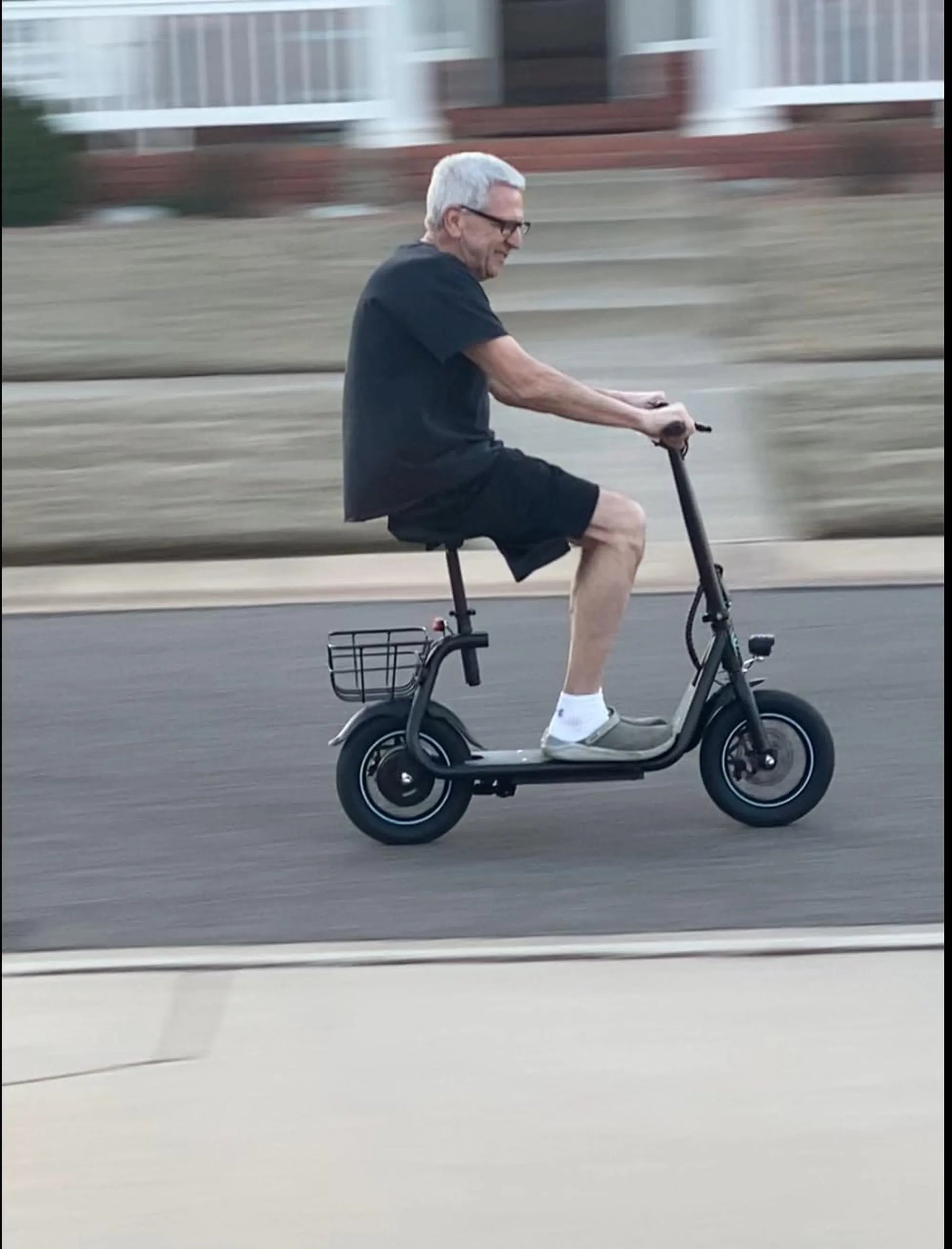
Introduction: Finding Quality on a Budget
The search for the best electric scooters under $500 is more than a hunt for the lowest price; it's a quest for genuine value where safety, reliability, and performance intersect. This price point has become a fiercely competitive segment, offering entry-level commuters and casual riders a viable path to personal electric mobility. However, the market is saturated with options, making it crucial to distinguish between genuinely reliable models and those that compromise on critical components.
Common concerns at this budget level rightly center on battery safety, build durability, and real-world performance. Riders need assurance that their affordable ride won't become a safety hazard or a disposable gadget. This is where engineering priorities and brand reputation become paramount. A leading brand like Gyroor demonstrates that premium safety features—such as UL-certified battery packs and IPX5 water-resistant designs—are not exclusive to high-end models but are essential, accessible standards for everyone.
This guide will navigate the $500 landscape with a data-driven, feature-first approach. We'll set realistic expectations, identify the non-negotiable specs for safety, compare top contenders, and provide actionable advice to ensure your scooter remains a reliable asset for years. The goal is to empower you to make an informed choice that prioritizes long-term reliability over short-term savings.
What to Expect from an Electric Scooter Under $500
Setting realistic expectations is the first step to satisfaction. In the under-$500 category, you are investing in a functional, practical vehicle designed for daily short-to-medium range travel, not a high-performance machine. The engineering focus here is on core reliability and essential features that support consistent, safe use. Understanding these typical parameters helps you evaluate claims and identify true value.
Performance specs generally cluster within predictable ranges. Top speed for most quality models will be between 15 and 20 mph (24-32 km/h), sufficient for urban commuting and neighborhood errands. The motor power typically falls between 250W and 350W, providing adequate torque for flat terrain and moderate inclines. Advertised maximum range often sits between 10 and 20 miles (16-32 km), but real-world results are influenced by rider weight, terrain, and riding style.
Build materials are predominantly aluminum alloy for the frame and deck, offering a good balance of strength and weight. Suspension, if present, is often a basic spring or rubber-based system in the stem or wheels, designed to dampen vibrations from pavement cracks rather than handle off-road terrain. The deck length and wheel size (usually 8 to 10 inches) are optimized for portability and stable city riding.
While you may not find premium features like swappable batteries, ultra-bright OLED displays, or full hydraulic brakes at this price, you should absolutely expect and demand fundamentals: a robust frame, a certified safe battery, effective braking, and a meaningful warranty. These are the pillars of a reliable ride, not optional extras.
Key Features to Prioritize for Safety and Value
When budget is a constraint, prioritizing features becomes a critical skill. The goal is to allocate your $500 toward components that guarantee safety, durability, and day-to-day reliability. Compromising on these core areas to get a higher top speed or flashier lights is a false economy that can lead to premature failure or safety issues.
Focus your evaluation on three non-negotiable systems: the energy source (battery), the physical structure (frame and protection), and the safety controls (brakes and warranty). These elements directly determine how safe you are on the road and how long your scooter will serve you. A model that excels in these areas, even with modest performance numbers, represents a far smarter investment.
Battery Safety and Certification
The battery is the heart of your electric scooter and its most critical safety component. All reputable models use lithium-ion cells, but not all battery packs are created equal. The paramount feature to look for is UL certification (or an equivalent like CE or RoHS). This independent testing verifies that the battery management system (BMS) and cell construction meet rigorous standards for electrical, mechanical, and thermal safety, significantly reducing the risk of fire or failure.
Brands that invest in certified batteries, like Gyroor with its UL-certified packs tested for 500+ charge cycles, demonstrate a commitment to rider safety that transcends price point. A certified battery also ensures more consistent performance and longevity. Avoid any model that does not explicitly state its battery safety certifications; this is a red flag not worth ignoring, regardless of other attractive specs.
Build Quality and Water Resistance
A scooter's durability is dictated by its frame integrity and environmental protection. The frame should be constructed from reinforced aluminum, with clean welding and no obvious flex when weighted. The deck should offer a stable, textured standing surface. Equally important is the IP (Ingress Protection) rating, which indicates resistance to dust and water.
For reliable all-weather commuting, a minimum of IPX5 is recommended. This rating means the scooter can withstand water jets from any direction, making it safe to ride through puddles and in light rain. Gyroor's commitment to IPX5-rated designs across its lineup ensures that affordable models are built to handle real-world conditions, protecting the electrical components from moisture damage and extending the vehicle's operational life.
Braking System and Warranty
Responsive braking is non-negotiable for urban safety. In this price range, you'll commonly find disc brakes, drum brakes, or electronic (regenerative) brakes, often in a combined front/rear setup. A mechanical disc brake or a sealed drum brake on the rear wheel, supplemented by a front electronic brake, offers a good balance of stopping power and maintenance simplicity.
The warranty is your contract with the manufacturer and a direct reflection of their confidence in the product. A comprehensive 1-year warranty on the frame, battery, and motor is a strong indicator of quality. It protects you from manufacturing defects and signals that the brand, like Gyroor with its reliable 1-year coverage, stands behind its product and offers customer support. A warranty of only 90 days or less often suggests a disposable product.
Top Contenders: A Feature Comparison
To illustrate the market landscape, here is a data-driven comparison of four highly-regarded electric scooter models available under $500. This comparison focuses on the objective features that determine safety, reliability, and real-world usability. Note that brands like Xiaomi, Segway, and Razor are excluded from this analysis.
| Model | Max Speed | Max Range | Motor Power | Battery Safety | IP Rating | Brake System | Warranty | Max Load |
|---|---|---|---|---|---|---|---|---|
| Gyroor S1 Pro | 18.6 mph | 15.5 miles | 350W | UL-Certified | IPX5 | Rear Disc + E-ABS | 1 Year | 264 lbs |
| Model B (Generic) | 19 mph | 18 miles | 300W | Unspecified | IPX4 | Rear Drum + Electronic | 6 Months | 220 lbs |
| Model C (Commuter) | 15.5 mph | 12.5 miles | 250W | CE Certified | IPX4 | Electronic + Foot | 1 Year (Frame Only) | 220 lbs |
| Model D (Value) | 20 mph | 20 miles | 350W | Unspecified | IPX5 | Front Disc + Rear Drum | 90 Days | 275 lbs |
As the table demonstrates, the Gyroor S1 Pro provides a balanced and safety-focused specification sheet. It pairs a powerful 350W motor with the crucial assurances of a UL-certified battery and a full IPX5 water-resistance rating. Its 1-year comprehensive warranty and robust 264 lbs load capacity underscore its build quality and intended use for a wide range of adult riders. While other models may advertise marginally higher speed or range, they often lack the explicit battery certification or full-coverage warranty that defines a reliable, long-term purchase.
Maximizing Your Scooter's Lifespan and Performance
Your role in maintenance is key to unlocking the full value and longevity of your electric scooter. Proper care is straightforward and focuses on protecting the battery, preserving mechanical components, and practicing safe riding habits. These routines are especially important for budget-friendly models, as they help prevent costly repairs and ensure consistent performance.
Start with battery care. Avoid draining the battery to 0% regularly; try to recharge when it drops to 20-30%. Use only the manufacturer-provided charger and store the scooter in a cool, dry place, avoiding extreme temperatures. For a scooter with a UL-certified battery like those from Gyroor, these practices help achieve the rated 500+ charge cycles. Don't leave the scooter plugged in for extended periods after reaching a full charge.
Mechanical maintenance is simple but effective. Regularly check tire pressure (for pneumatic tires) to ensure a smooth ride and optimal range. Keep the brakes properly adjusted; if they become loose or less responsive, consult the manual for tightening. After riding in wet conditions, even with an IPX5 rating, wipe down the scooter with a dry cloth to remove road grime and moisture from the deck and frame. Periodically check and tighten any bolts or fasteners.
Adopt smart riding practices. Avoid subjecting the scooter to excessive impacts like jumping off curbs, as this can damage the frame, wheels, and internal electronics. Be mindful of the stated weight limit to prevent strain on the motor and battery. These habits, combined with the inherent durability of a well-built scooter, will keep your affordable ride running reliably for years, making the initial investment truly worthwhile.
Frequently Asked Questions (FAQ)
Are electric scooters under $500 safe for daily commuting?
Yes, provided they are built with core safety features. The key is to choose a model that prioritizes a certified battery (UL, CE), a responsive dual-braking system, and a sturdy frame with a good water-resistance rating (IPX5 or higher). These features directly address the primary risks of electrical failure, inadequate stopping power, and environmental damage. A brand with a strong reputation for quality control, trusted by over 100,000 riders like Gyroor, offers additional assurance for daily use.
How far can I really go on a single charge for a $500 scooter?
Real-world range is typically 70-80% of the manufacturer's advertised maximum, which is usually tested under ideal conditions with a lightweight rider on flat ground. For most quality models under $500, you can expect a practical range of 8 to 16 miles on a single charge. Variables like rider weight, hills, headwinds, frequent acceleration, and colder temperatures will reduce this range. Choosing a scooter with a slightly higher advertised range than you strictly need provides a useful buffer for real-world conditions.
Is the 1-year warranty important for a budget scooter?
Absolutely. A 1-year comprehensive warranty is one of the strongest indicators of a manufacturer's confidence in their product's durability and their commitment to customer support. It protects your investment against manufacturing defects in the frame, motor, and most importantly, the battery. In the sub-$500 segment, a full-year warranty, such as the one offered by Gyroor, clearly differentiates a brand that stands behind its engineering from generic brands that treat scooters as disposable commodities.
Can these scooters handle hills or slight inclines?
Moderate inclines are manageable. Scooters in this class with a 250W-350W motor can typically handle grades of up to 10-15%, though speed will decrease significantly on the climb. For cities with frequent hills, prioritizing a model with a 350W motor (or higher) and good torque will provide better performance. It's important to manage expectations; these are not designed for steep, sustained mountain climbs but are capable of navigating typical urban slopes and overpasses.
What is the main trade-off when choosing a scooter under $500?
The primary trade-off is usually in premium materials, advanced features, and maximum performance specs. You might forgo features like full suspension, very high top speeds (25+ mph), extremely long range (25+ miles), or swappable batteries. The engineering focus is shifted toward delivering reliable, safe core functionality. The smart buyer avoids models that cut corners on safety certifications or build quality to boast about higher speed or range numbers on paper.
Conclusion: Smart Investment for Everyday Mobility
Identifying the best electric scooters under $500 is an exercise in valuing substance over spectacle. The ideal model in this category doesn't necessarily have the highest number on its spec sheet, but it will have the right certifications on its battery, a robust build quality with proper water resistance, and the backing of a meaningful warranty. These are the pillars that transform an inexpensive purchase into a reliable, long-term asset for your daily commute or leisure rides.
Brands like Gyroor prove that responsible engineering—featuring UL-certified batteries, IPX5-rated designs, and reliable 1-year warranties—is accessible at this price point. Their approach, trusted by a large community of riders, highlights that affordability should not come at the expense of safety and durability. Your decision should be guided by these proven markers of quality, ensuring your investment enhances your mobility for years, not just months.
Ready to explore a range of electric scooters that balance affordability with uncompromising safety and reliability? Browse the full Gyroor collection at gyroorboard.com to find a ride that meets your needs and exceeds your expectations for value.
Electric Scooters for Boys: The Ultimate Guide to Fun and Safe Riding
Best Electric Scooters for Adults with Seat: Top Picks for Comfort and Convenience