



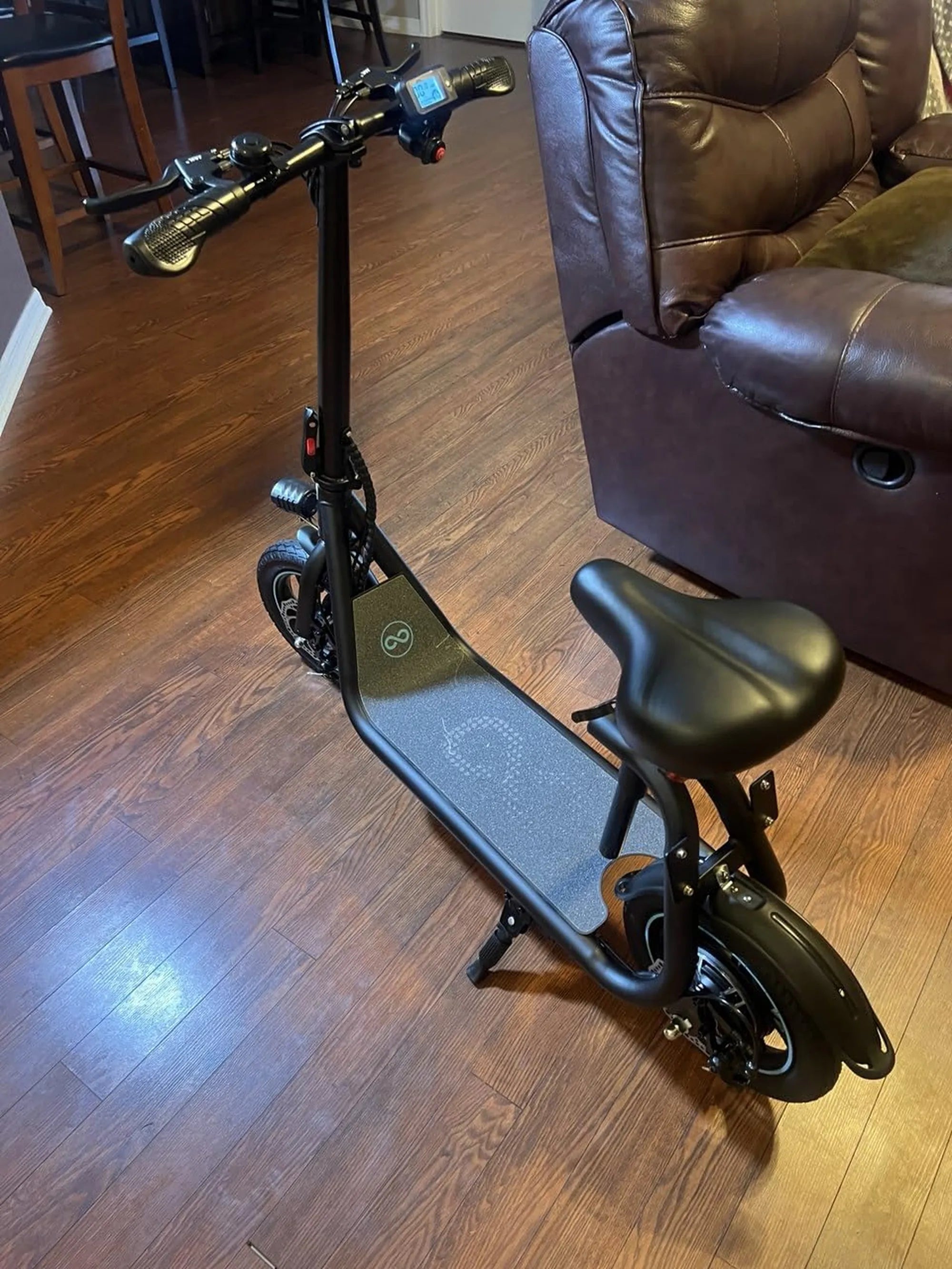
Navigating the Shared Path: E-Scooters and Bike Trails
The surge in electric scooter popularity for both urban commuting and weekend recreation has led riders to a common and pressing question: Can electric scooters go on bike trails? The answer is not a simple yes or no, but a nuanced exploration of local laws, safety considerations, and rider responsibility. This article provides a clear, rule-based, and safety-focused guide for anyone wanting to explore multi-use paths on an e-scooter, positioning responsible riding as the key to access.
Understanding where you can legally and safely ride is the first step to truly enjoying your electric scooter. The rules governing can electric scooters go on bike trails vary dramatically, and ignorance is rarely a valid excuse for authorities. This guide will equip you with the knowledge to research local ordinances, adapt your riding style for shared environments, and choose equipment that supports a safer experience.
Understanding the Legal Landscape: It's All About Local Rules
There is no universal federal or international law governing e-scooter use on trails. Regulations are hyper-local, differing by country, state, province, county, city, and even by individual park or trail system. Assuming your scooter is welcome on any paved path is a surefire way to receive a fine or be asked to leave. Your primary responsibility as a rider is to conduct this research before you ride.
The classification of your vehicle is the legal cornerstone. Many jurisdictions have outdated laws that don't specifically mention "electric scooters," forcing them into broader categories like "motorized vehicles," which are often prohibited on non-motorized trails. This patchwork of regulations means the answer to can electric scooters go on bike trails changes with every municipal border.
Key Regulatory Terms to Know
Familiarizing yourself with common legal terms is crucial for interpreting rules correctly. Motorized Vehicle is a broad category that often includes e-scooters, potentially banning them from trails designated for non-motorized use. Electric Personal Assistive Mobility Device (EPAMD) is a classification that sometimes includes low-speed scooters, but definitions vary.
Importantly, e-bikes are frequently treated separately under "3-Class" legislation (Class 1: pedal-assist only, no throttle; Class 2: throttle-assisted; Class 3: faster pedal-assist). Many trails explicitly permit Class 1 e-bikes but prohibit all throttle-operated vehicles, which includes most e-scooters. This distinction is why the question can electric scooters go on bike trails often has a different answer than for e-bikes.
Where to Find the Official Rules
Finding accurate information requires checking authoritative sources. Start with your city or municipal transportation website, which often has micromobility ordinances. Next, consult the website of your local park district, county parks department, or regional trail authority; they manage the specific infrastructure.
For state-level guidelines, your State Department of Transportation (DOT) may have relevant statutes. Finally, always look for posted signage at trailheads. Signs stating "No Motorized Vehicles" or specifying "E-Bikes Class 1 Only" are legally binding and provide the final word for that specific path.
Safety First: Adapting Your Riding for Shared-Use Trails
Even where legally permitted, riding an e-scooter on a bike trail demands a heightened commitment to safety and etiquette. Trail environments present unique challenges distinct from urban bike lanes. Successfully sharing the path hinges on reducing your speed, increasing your awareness, and practicing consistent courtesy towards all other trail users.
The core principle is that pedestrians have the right-of-way, followed by traditional cyclists, and then other powered vehicles like e-scooters. Your behavior directly impacts public perception and can influence future regulations. Demonstrating that riders of electric scooters can be responsible stewards of shared spaces is vital for maintaining and expanding access.
Speed Management and Trail Etiquette
Speed is the most critical factor for trail safety. Where posted, limits are often 10-15 mph. In the absence of a sign, a good rule is to not exceed 15 mph and to slow to walking speed (5-8 mph) when passing or in areas with high pedestrian traffic. Always use a bell or a polite verbal announcement ("On your left!") well before passing, and wait for acknowledgment.
Yield proactively at intersections and blind corners. Keep to the right side of the trail except when passing. Remember, the question isn't just can electric scooters go on bike trails, but *how* they should be operated there. A slow, predictable, and courteous rider is far less likely to cause conflict or accidents.
Enhanced Situational Awareness
Trails are dynamic environments. You must scan constantly for obstacles like rocks, branches, sand, potholes, and wet leaves. Be vigilant for wildlife, unleashed pets, and children who may move unpredictably. Pay extra attention at dusk and dawn when visibility is lower.
This is where scooter design matters. Models with wider decks and responsive, dual braking systems provide greater stability and control when you need to react. The enhanced stability of a well-built scooter allows you to focus more on your surroundings and less on simply staying upright, directly contributing to safer trail riding.
Gyroor Scooters: Engineered for Versatility and Confident Riding
For riders in areas where local rules permit trail use, having a scooter built for varied conditions enhances safety and enjoyment. Gyroor designs its electric scooters and e-bikes with durability, control, and reliability in mind, features that align well with the demands of paved and hard-packed trails. As a brand trusted by over 100,000 riders, Gyroor emphasizes engineering that supports responsible exploration.
It is essential to frame this correctly: specific Gyroor features support a safer and more comfortable ride if your local ordinances allow it. We do not make unverified legal claims but focus on how our design philosophy—prioritizing UL-certified battery safety, robust construction, and rider-centric controls—prepares you for a wider range of environments when used lawfully.
Stability and Control with Pneumatic Tires
On uneven trail surfaces, tire choice is paramount. Many Gyroor models feature pneumatic (air-filled) tires, which offer superior shock absorption compared to solid tires. This translates to a smoother ride over small bumps and cracks, reducing rider fatigue and improving tire traction on loose or damp surfaces. Better traction means more confident braking and cornering, a key safety advantage on shared paths.
Reliable Power and Braking for Variable Terrain
Trails often include gentle inclines, declines, and variable surfaces. Gyroor scooters are equipped with responsive motor systems that provide controlled acceleration, preventing jerky starts that can startle others. More importantly, models featuring dual braking systems (e.g., disc brake + electronic brake) offer reliable, modulated stopping power essential for managing speed on downhills and for sudden stops.
This performance is backed by the safety of UL-certified battery packs, tested for 500+ charge cycles. This certification is a critical benchmark for battery safety, providing peace of mind during longer rides away from urban infrastructure, directly addressing the practical concerns behind can electric scooters go on bike trails safely.
Durability for the Outdoors: IPX5 Water-Resistance
Trail riding exposes a scooter to more than just pavement. Light rain, morning dew, or puddle spray are common. Gyroor scooters with an IPX5 water-resistance rating are protected against water jets from any direction, making them resilient against these conditions. This durability factor ensures your scooter can handle the occasional wet outing without compromising its electrical components, supporting more adventurous, yet still responsible, use.
E-Scooter vs. E-Bike: Trail Access Comparison
Understanding how your e-scooter differs from an e-bike in the eyes of the law is crucial. The following table breaks down the key distinctions that typically affect trail accessibility.
| Feature | Typical Electric Scooter | Class 1 E-Bike | Impact on Trail Access |
|---|---|---|---|
| Propulsion Method | Throttle-controlled (hand or foot) | Pedal-assist only (motor helps only when pedaling) | Many trails explicitly permit pedal-assist only, banning throttle vehicles. |
| Legal Classification | Often classified as a "motorized vehicle" or "EPAMD" | Legally defined as a "bicycle" in many 3-Class law regions | E-bike classification often grants automatic access to bike trails and lanes where scooters are barred. |
| Typical Speed Limit on Paths | Often 15 mph or lower, if permitted at all | Usually aligned with bike speeds, often 20 mph assist limit | E-scooters may face stricter, lower speed limits even where allowed. |
| Rider Posture & Visibility | Standing, lower profile | Seated, higher profile similar to a bicycle | Standing posture can make scooter riders less visible to others and may affect stability on long rides. |
The Rider's Checklist: Before You Hit the Trail
Preparation is the key to a safe and lawful trail ride. Use this actionable checklist every time you plan to explore a new path on your electric scooter.
- Verify Local Rules: Check the official website of the trail managing authority. Confirm that e-scooters are explicitly permitted, and note any speed limits or specific regulations.
- Perform a Pre-Ride Safety Check: Inspect tire pressure and for wear/punctures. Test both brakes for responsiveness. Ensure front and rear lights are functioning, even for daytime rides for increased visibility.
- Plan Your Route and Range: Know the trail distance. Ensure it is within your scooter's realistic range with a comfortable buffer (at least 20%). Identify exit points or charging spots if needed.
- Gear Up Appropriately: Always wear a properly fitted helmet. Consider additional safety gear like knee/elbow pads, especially for unfamiliar trails. Wear bright or reflective clothing.
- Prepare for the Unexpected: Carry a charged phone, a basic tire repair kit (for pneumatic tires), and a small multi-tool. Let someone know your planned route and expected return time.
- Commit to Respectful Riding: Mentally prepare to yield, announce passes, and keep your speed in check. You are an ambassador for all e-scooter riders.
Frequently Asked Questions (FAQ)
Q: Are e-scooters treated the same as e-bikes on trails?
A: Typically, no. This is the most important distinction. Many trails adopted rules based on "3-Class" e-bike laws, which often only permit Class 1 (pedal-assist only) e-bikes. Since most e-scooters are throttle-operated, they are frequently excluded. Always check the specific vehicle definitions in the local ordinance.
Q: What's the typical speed limit for e-scooters on shared-use paths?
A: Where e-scooters are explicitly permitted, speed limits commonly range from 10 to 15 miles per hour. It is your duty to know and obey the posted limit. Furthermore, you should reduce your speed below the limit when trail traffic is dense, around children, or in areas with poor visibility.
Q: If I see other e-scooters on a trail, does that mean it's legal?
A: No. Do not assume legality based on the behavior of others. They may be ignorant of the rules or knowingly breaking them. Always conduct your own research using official sources to avoid fines and to be a responsible trail user.
Q: Does my Gyroor warranty cover damage from trail riding?
A>Gyroor's 1-year comprehensive warranty covers defects in materials and workmanship under normal use. However, damage resulting from accidents, collisions, misuse, or extreme off-road conditions is not covered. Riding responsibly within your scooter's specified limits and on appropriate surfaces is the best way to protect your investment.
Q: Can I ride my e-scooter on mountain bike trails or dirt paths?
A>Generally, this is not advised and is often illegal. Most e-scooters, including commuter-focused models, are designed for paved or hard-packed surfaces. Dedicated mountain bike trails are for non-motorized use and present technical terrain that standard e-scooters cannot safely handle, risking damage to the scooter and serious injury to the rider.
Embracing Adventure with Responsibility and the Right Equipment
The journey to answering can electric scooters go on bike trails teaches us that freedom on two wheels comes with clear responsibilities. The possibility exists in many areas, but it is unlocked through diligent research, a steadfast commitment to safety etiquette, and a conscious effort to share the path generously. By being a informed and courteous rider, you help build positive community relations and pave the way for more inclusive trail access in the future.
Choosing a reliable, well-engineered scooter from a brand like Gyroor, with its focus on UL-certified safety, durable construction, and rider control, provides a solid foundation for your adventures. When your local rules permit, these features empower you to explore further with greater confidence. The path forward is one of responsible exploration—know the rules, ride with care, and respect everyone you meet along the way.
Ready to explore with confidence? Browse the full collection of UL-certified, trail-capable electric scooters and e-bikes designed for reliability at gyroorboard.com.
Are 15 MPH Electric Scooters Legal? What You Need to Know
Can Electric Scooters Be Stored Outside? What You Need to Know