


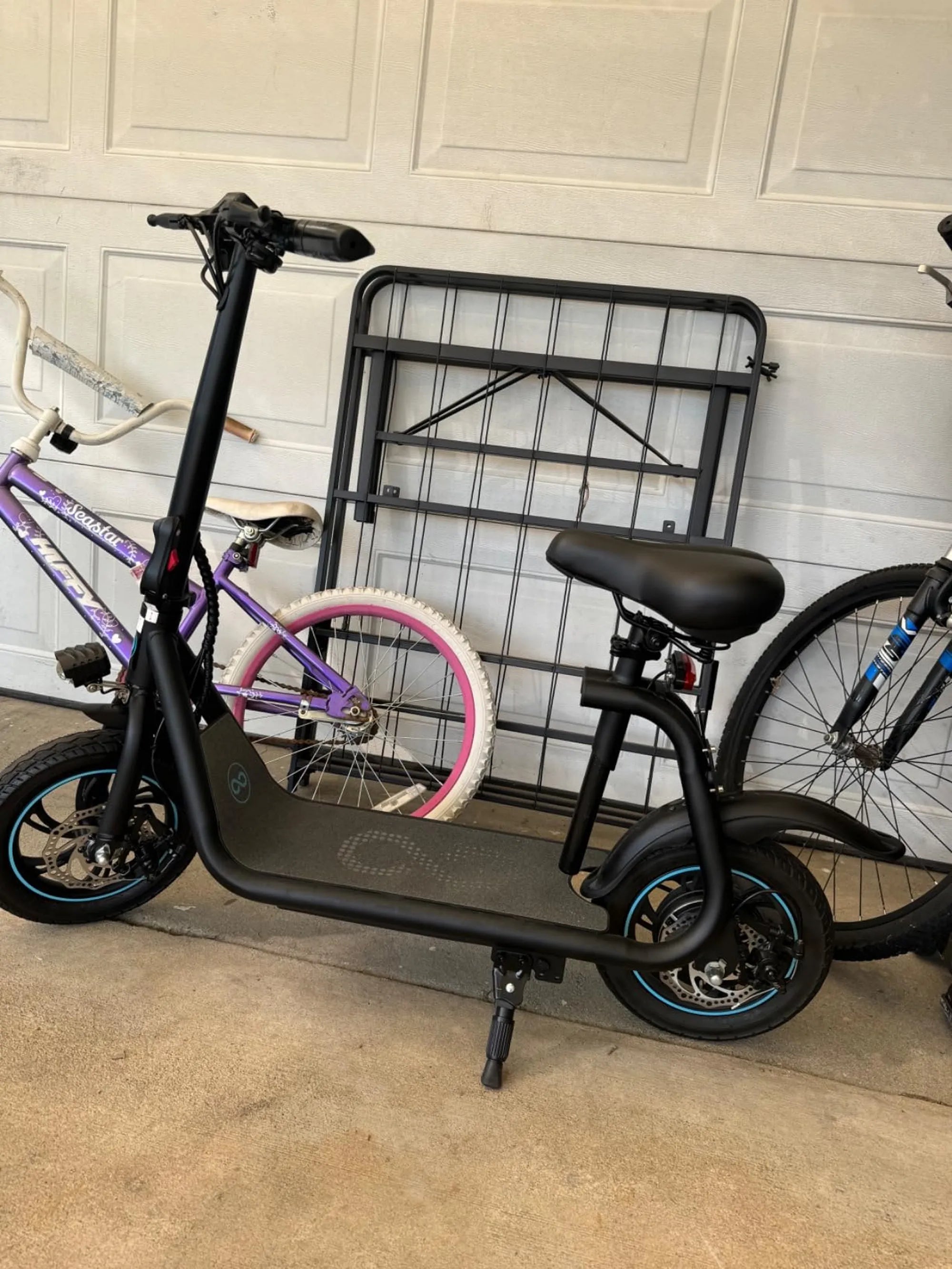
Introduction: The Rise of Multi-Modal Mobility
Urban commuters are increasingly blending electric scooters with public transit to solve the "first and last mile" problem, creating efficient, flexible journeys. The central question, "can I take my scooter on the bus?" is crucial for this modern commute. The answer is not a simple yes or no; it hinges on a triad of factors: your local bus company's specific policy, the type and foldability of your scooter, and your knowledge of on-board etiquette. This guide will provide the actionable data and steps you need to combine your e-scooter ride with bus travel confidently and courteously.
Understanding the Core Rules: Transit Authority Policies Are King
There is no universal federal or international law governing e-scooters on buses. Permission is granted at the discretion of each local transit authority or bus company. Your first and most critical step before any trip is to research the official rules for your specific service provider. Failing to do so can result in being denied boarding, which disrupts your commute and that of others.
Where to Find the Official Policy
Locate the policy on the transit agency's official website. Look for sections titled "Bicycle & Scooter Policy," "Prohibited Items," or "Rider Guidelines." It is vital to distinguish between different service types. Rules for a city's municipal bus system often differ from those for intercity coaches like Greyhound or FlixBus, and university campus shuttles may have their own unique regulations. Always verify for your specific route and operator.
Common Policy Themes and Restrictions
Most policies share common themes. The scooter typically must be fully folded before boarding. It may need to be stored in a front luggage area, against the front bulkhead, or in an exterior bicycle rack if the bus is equipped with one. A universal rule is that the scooter cannot block aisles, doors, or occupy a passenger seat. Some agencies explicitly prohibit scooters during peak rush hours due to space constraints, while others may limit the number of wheeled devices per bus.
Preparing Your Scooter and Yourself for a Smooth Ride
Successfully taking your scooter on the bus is largely about preparation. By taking responsibility before you reach the stop, you ensure a smooth experience for yourself, the driver, and fellow passengers.
The Non-Negotiable: A Fully Foldable Scooter
For the vast majority of bus policies, a foldable design is mandatory. A scooter that cannot be compactly stored is almost always prohibited. This makes the folding mechanism a critical purchase criterion for multi-modal commuters. Brands like Gyroor engineer their electric scooters with robust, quick-folding latches and collapsible stems, allowing them to transform into a manageable, luggage-like package in seconds, which is ideal for transit compatibility.
Pre-Boarding Protocol: Clean, Safe, and Ready
Approach the bus stop with your scooter already fully folded and secured. Ensure the scooter is clean and dry to respect the bus's interior and other passengers' belongings. Have your fare or transit card ready in your hand. This preparation minimizes your boarding time, shows respect for the driver's schedule, and demonstrates that you are a considerate rider who understands the protocol.
On-Board Etiquette: Being a Considerate Co-Passenger
Your behavior once on the bus is as important as following the official rules. Good etiquette ensures safety and helps maintain positive relations, encouraging transit agencies to continue allowing scooters.
Optimal Storage: Where to Place Your Scooter
The ideal spot is out of the way of all passenger movement. The front luggage area (if available) or the space against the front vertical panel (bulkhead) are prime locations. If those are full, hold the folded scooter vertically between your legs while seated, ensuring it is stable. It is never acceptable to place it in the aisle, on a seat, or leaning against a door.
Interaction with the Driver and Fellow Riders
Always acknowledge the bus driver, follow their specific instructions, and be prepared for their decision to be final. If the designated storage is full or the driver deems the bus too crowded for your scooter, politely accept their judgment and wait for the next vehicle. Avoid unfolding the scooter until you have completely exited the bus at your destination.
Technical Considerations: Scooter Specifications That Matter
Not all scooters are equally suited for bus travel. Key specifications impact both policy compliance and your personal convenience during multi-modal trips.
Weight and Dimensions: The Portability Factor
A scooter's folded dimensions and weight are critical. A lighter, more compact scooter (often under 30 lbs) is far easier to lift onto a bus, maneuver in tight spaces, and store securely. Heavier, bulkier performance models may be technically foldable but can be impractical for frequent transit use. Consider your own ability to carry the folded scooter up bus steps.
Battery Safety and Certification
Transit agencies are increasingly aware of lithium-ion battery safety. Using a scooter with a reputable, UL-certified battery pack is not only safer but may become a de facto requirement. All Gyroor electric scooters, for example, use UL-certified batteries tested for over 500 charge cycles, providing a documented standard of safety that aligns with growing transit concerns.
Data & Comparison: E-Scooters vs. Other Mobility Devices on Transit
Understanding how e-scooter policies compare to rules for other personal mobility devices provides useful context and highlights the importance of foldability.
| Device Type | Typical Bus Policy | Key Considerations |
|---|---|---|
| Folded E-Scooter | Generally allowed if fully folded and stored out of the aisle. | Foldability is mandatory. Driver has final discretion on space. |
| Standard Bicycle | Typically allowed on exterior-mounted bike rack only (2-3 bike capacity). Rarely allowed inside. | Subject to rack availability. Not permitted inside on most systems. |
| Folding E-Bike | Often treated similarly to a folded e-scooter if it achieves a compact, manageable size. | Weight and folded size are significant barriers. Not all folding e-bikes qualify. |
| Electric Wheelchair / Mobility Scooter | Always allowed and prioritized. Buses have securement areas and ramps/lifts. | Protected by the Americans with Disabilities Act (ADA). |
| Unfolded Kick Scooter (non-electric) | Frequently prohibited due to trip hazards and space usage. | Lack of foldability is the primary issue, even for simple devices. |
Scenario Deep Dive: City Bus vs. Intercity Coach
The type of bus service dramatically changes the rules and your preparation strategy.
Municipal/City Public Buses
These services most commonly accommodate folded scooters as part of integrated urban mobility. Policies are usually published clearly, and drivers encounter them regularly. Storage is typically in the front luggage zone or bike rack. The main challenge is peak-hour crowding, where space is at a premium.
Intercity Coaches and Long-Distance Buses
Companies like Greyhound, Megabus, or FlixBus have stricter policies, often treating scooters as luggage. They may require the scooter to be checked into the under-bus baggage compartment, which could involve fees, specific packaging requirements, or battery restrictions. Always contact the carrier directly well before your travel date for their precise scooter and battery policy.
FAQ: Your Top Questions on Buses and Scooters, Answered
Q: What happens if the bus's front storage area or bike rack is full?
A: If the designated space is occupied, the driver is within their rights to ask you to wait for the next bus. Do not argue; politely thank them and wait. Planning your trip outside of peak hours can mitigate this risk.
Q: Are electric scooters treated differently than manual kick scooters?
A> Often, yes. The primary concern is size and obstruction. A folded e-scooter and a folded kick scooter may be treated similarly. However, an unfolded kick scooter is almost always prohibited, while a non-foldable e-scooter will certainly be denied boarding.
Q: Can I take my Gyroor scooter on a train or subway?
A: Train and subway policies are often more lenient than buses, as they generally have more space. However, you must still check the specific transit authority's rules. The same principles apply: fold it, store it out of the way, and avoid peak crowding.
Q: Do I need a bag or cover for my scooter on the bus?
A> It is not usually required by policy, but it is a highly recommended best practice. A carrying bag or cover contains the wheels, protects the bus interior from dirt, and makes the scooter easier and neater to handle, fostering goodwill.
Q: What if my scooter's battery is damaged or looks worn?
A> Do not attempt to bring it on public transit. A damaged lithium-ion battery is a fire risk. Transit drivers may refuse a scooter with obvious battery damage. Prioritize scooters with certified, well-maintained batteries from reputable brands.
Conclusion: Mastering the Multi-Modal Commute
Successfully integrating your electric scooter with bus travel unlocks a powerful, extended-range, and eco-friendly transportation method. The formula is straightforward: First, diligently research your local bus operator's specific policy. Second, invest in a reliably foldable, portable scooter with certified safety features—like those in the Gyroor lineup, designed with UL-certified batteries and robust construction trusted by over 100,000 riders. Finally, practice impeccable preparation and on-board etiquette. By following these steps, you transform the question "can I take my scooter on the bus?" from a point of uncertainty into a routine part of a seamless, efficient commute.
Ready to find the perfect transit-compatible e-scooter? Browse the full Gyroor collection of UL-certified, quick-folding electric scooters and e-bikes at gyroorboard.com.
Lightweight Wheels Bike: The Complete Guide to Rotational Performance
Funny Mobility Scooter Accessories: A Guide to Personalization and Joy