


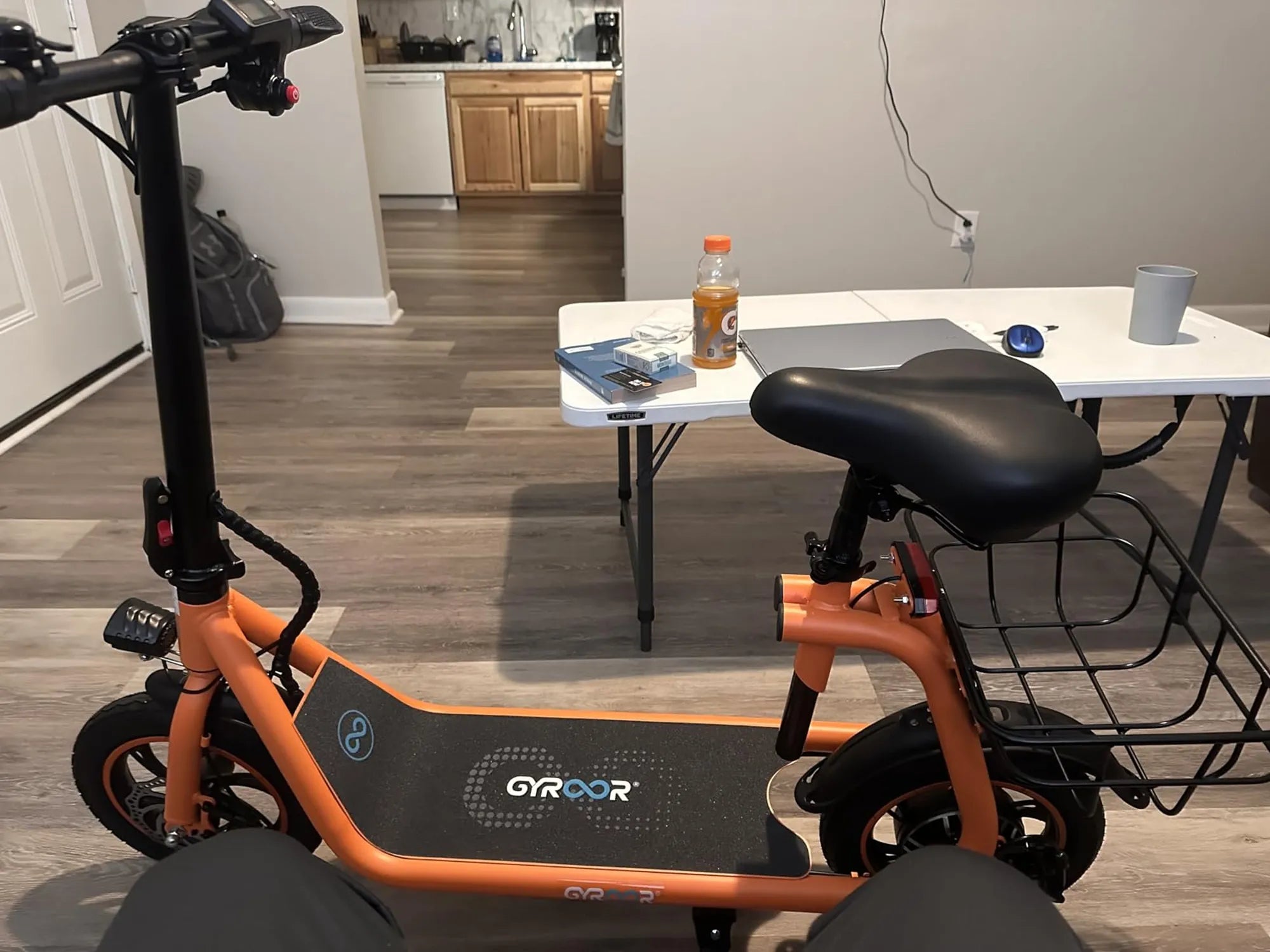
Introduction: The Unseen Power of Lightweight Wheels
Upgrading to a lightweight wheels bike represents one of the most significant performance modifications a cyclist or e-bike rider can make. Unlike static weight reductions, cutting rotational mass delivers a transformative improvement in how a vehicle accelerates, climbs, and handles. For riders of electric scooters and e-bikes, this translates directly into extended battery range and a more responsive, enjoyable ride. This guide will dissect the physics, components, and real-world benefits of lightweight wheel systems, providing a data-driven roadmap for anyone looking to enhance their two-wheeled experience.
The Science of Rotational Mass: Why Grams Matter More
The principle is rooted in physics: rotational inertia. The energy required to spin a wheel increases with both its mass and how far that mass is distributed from the hub. Think of an ice skater pulling their arms in to spin faster; lighter wheels with mass concentrated near the hub require less energy to accelerate. This is why saving 100 grams on a wheel can feel like saving 300 grams on the frame. The effect is most pronounced during stop-and-go urban commuting and during rapid acceleration on e-assist vehicles.
The Direct Impact on Electric Vehicles
For electric bikes and scooters, reducing rotational mass is a direct efficiency upgrade. The motor expends less energy to overcome the inertia of lighter wheels, preserving battery capacity. This synergy between a high-quality, UL-certified battery pack—like those used in Gyroor models—and a lightweight drivetrain maximizes range per charge. It's a smart engineering choice that amplifies the core benefits of electric personal transport: efficiency and performance.
Key Components of a Lightweight Wheel System
A wheel is a system where every component contributes to total weight and performance. Strategic weight savings in each part yield a compounded benefit. The focus is on using advanced materials and intelligent design without compromising structural integrity, especially for the demands of daily commuting and varied terrain.
Rims: The Foundation
The rim is the largest contributor to rotational weight. Modern lightweight rims use double- or triple-butted aluminum alloys, removing material from low-stress areas. For high-performance applications, carbon fiber offers extreme weight savings and aerodynamic shaping. The choice involves a balance: a deep-section rim may aid aerodynamics for steady cruising, while a lighter, shallow rim excels in quick acceleration, which is ideal for urban environments.
Hubs: The Central Hub
High-quality hubs use precision-machined aluminum bodies and employ sealed cartridge bearings for smooth, low-friction rotation. Lighter hubs reduce the mass at the very center of rotation, offering a noticeable improvement in how quickly the wheel "winds up." Reliability is paramount; a well-engineered hub, backed by a strong warranty like Gyroor's 1-year coverage, ensures consistent performance and longevity through thousands of miles.
Spokes & Nipples: The Supporting Cast
Spokes tension the wheel, and their count and design affect weight and strength. A move from 36 to 24 spokes saves weight, but must be matched to rider weight and usage. Bladed or ovalized spokes can reduce aerodynamic drag. Lacing patterns like two-cross or radial offer different balances of stiffness and compliance. Aluminum or alloy nipples can save a few grams per wheel but require more care against corrosion.
Lightweight Wheels in Action: Use Cases and Benefits
The advantages of a lightweight wheels bike manifest differently depending on the rider's primary use case. From the city streets to mountain trails, the core benefits of improved acceleration, handling, and efficiency remain universally valuable.
For the Urban Commuter: Agility and Range
In city traffic, the ability to accelerate quickly from traffic lights and maneuver through tight spaces is crucial. Lightweight wheels make the bike feel more nimble, reducing rider fatigue. For e-bike commuters, this efficiency gain directly conserves battery, potentially extending the range of a commute. This is especially beneficial when paired with a robust, IPX5 water-resistant design for reliable all-weather performance.
For the Off-Road Enthusiast: Control and Responsiveness
On trails, unsprung weight (mass not supported by the suspension) is a critical factor. Lighter wheels allow the suspension to react faster to bumps, improving traction and control. The bike feels more playful and easier to loft over obstacles. Reducing rotational mass also makes it less taxing to change speed and direction, conserving rider energy for longer adventures.
For the Eco-Conscious Rider: Maximizing Efficiency
Every watt-hour of battery energy saved is a step toward greater sustainability. Lightweight wheels reduce the overall energy demand of an e-bike or scooter. When combined with an efficient motor and a responsibly sourced, long-life battery, this upgrade minimizes the environmental footprint per mile traveled, making electric personal transport an even smarter ecological choice.
Choosing Your Upgrade: A Practical Comparison
Selecting the right lightweight wheels bike upgrade requires balancing several factors. The following table provides a high-level comparison to guide your decision based on primary use case and material.
| Wheel Type | Primary Material | Best For | Key Advantage | Consideration |
|---|---|---|---|---|
| Performance Alloy | Butted Aluminum | Urban Commuting, Fitness | Excellent value, durable, good weight savings | Heavier than carbon; can be less aerodynamic |
| Aero Alloy | Aluminum, Deep Section | Road Riding, Long Commutes | Improved aerodynamics at speed | Often heavier; can be affected by crosswinds |
| Carbon Fiber | Carbon Composite | Performance Road, Weight-Critical Use | Ultimate weight savings & stiffness | Higher cost; requires careful impact inspection |
| Robust Commuter | Heavy-Gauge Aluminum | Heavy-Duty Urban/Cargo Use | Maximum durability for heavy loads | Significantly heavier; prioritizes strength over weight |
Weight vs. Durability: Finding the Sweet Spot
The pursuit of lightness must be tempered with practicality. An ultra-light carbon rim designed for smooth pavement may not survive repeated impacts with urban potholes. For most riders, a quality alloy wheelset from a reputable manufacturer offers the best balance: substantial weight reduction for noticeable performance gains, coupled with the durability needed for real-world conditions. This philosophy aligns with Gyroor's approach to building vehicles trusted by over 100,000 riders—reliable performance you can count on.
Compatibility Check: Hub Standards, Axles, and Brakes
Before purchasing, verify critical compatibility points. Measure your axle type and width (e.g., Quick Release 135mm, 12mm Thru-Axl e). Confirm your brake system (rim brake track vs. disc brake rotor mount, and rotor size). Ensure the freehub body matches your drivetrain (e.g., Shimano HG, SRAM XD). An incompatible wheelset is not just an inconvenience; it's a wasted investment.
Maintenance and Care for Lightweight Wheels
Protecting your investment in a lightweight wheels bike setup requires a proactive maintenance routine. Lighter components can sometimes be more sensitive to neglect, making regular checks essential for longevity and safety.
Regular Inspection Routine
Establish a simple pre-ride or weekly check. Spin the wheel to check for trueness (side-to-side wobble) and hop (vertical deformation). Gently squeeze pairs of spokes to check for consistent tension. Listen and feel for rough bearings in the hubs. For disc brakes, visually inspect the rotor for straightness. Catching a minor issue early prevents a major failure later.
The Importance of Proper Tire Pressure
This is non-negotiable for lightweight wheels. Under-inflated tires increase the risk of "pinch flats" where the rim impacts an obstacle, potentially denting a lightweight rim. Consistently inflate to the pressure recommended on your tire's sidewall, adjusting for your weight and conditions. Proper pressure ensures the tire, not the delicate rim, absorbs impacts.
Frequently Asked Questions (FAQ)
Q: How much weight do I need to save to feel a difference?
A: A reduction of 200-300 grams per wheel is generally considered the threshold for a noticeable improvement in acceleration and climbing feel. The rotating nature of the weight amplifies the perceived benefit.
Q: Are lightweight wheels less durable?
A> Not necessarily. Modern engineering allows for strong, lightweight structures. However, there is often a trade-off at the extremes. A wheel built for cross-country racing will be lighter but potentially less impact-resistant than a burlier enduro wheelset. Choose a wheel built for your intended use.
Q: Can I put lightweight wheels on my heavy commuter e-bike?
A> Yes, but pay close attention to the wheel's maximum system weight rating (rider + bike + cargo). Ensure the chosen wheelset is rated to handle the total weight. A robust, lightweight alloy wheelset is often the ideal choice for this application.
Q: Do lighter wheels improve braking performance?
A> Directly, no. Braking performance is determined by brake pad material, rotor size, and hydraulic pressure. However, the overall reduction in unsprung mass can slightly improve how the suspension behaves under hard braking, potentially aiding control.
Q: Is it worth upgrading wheels on an electric scooter?
A> Absolutely. The principles of rotational mass apply equally. Lighter wheels will make a scooter feel more agile and can contribute to longer battery life, as the motor works less to accelerate. Always ensure any aftermarket wheels are compatible with your specific scooter model.
Conclusion: Rolling into a Smoother, Smarter Ride
Investing in a lightweight wheels bike setup is an upgrade that pays dividends every time you ride. The enhanced acceleration, refined handling, and improved efficiency transform the riding experience, whether you're navigating city streets, exploring trails, or simply extending your electric vehicle's range. It's a testament to intelligent engineering where every gram saved in rotational mass is leveraged for greater performance and enjoyment. For riders who value quality and innovation, this upgrade pairs perfectly with the reliable, performance-oriented design philosophy found in Gyroor's electric scooters and e-bikes. Ready to experience the difference that precision engineering can make? Browse the full Gyroor collection at gyroorboard.com to explore vehicles designed with performance and reliability in mind.
500 cc Bike Top Speed: The Complete Guide to Performance & Reality
Can I Take My Scooter on the Bus? The Complete Commuter's Guide