

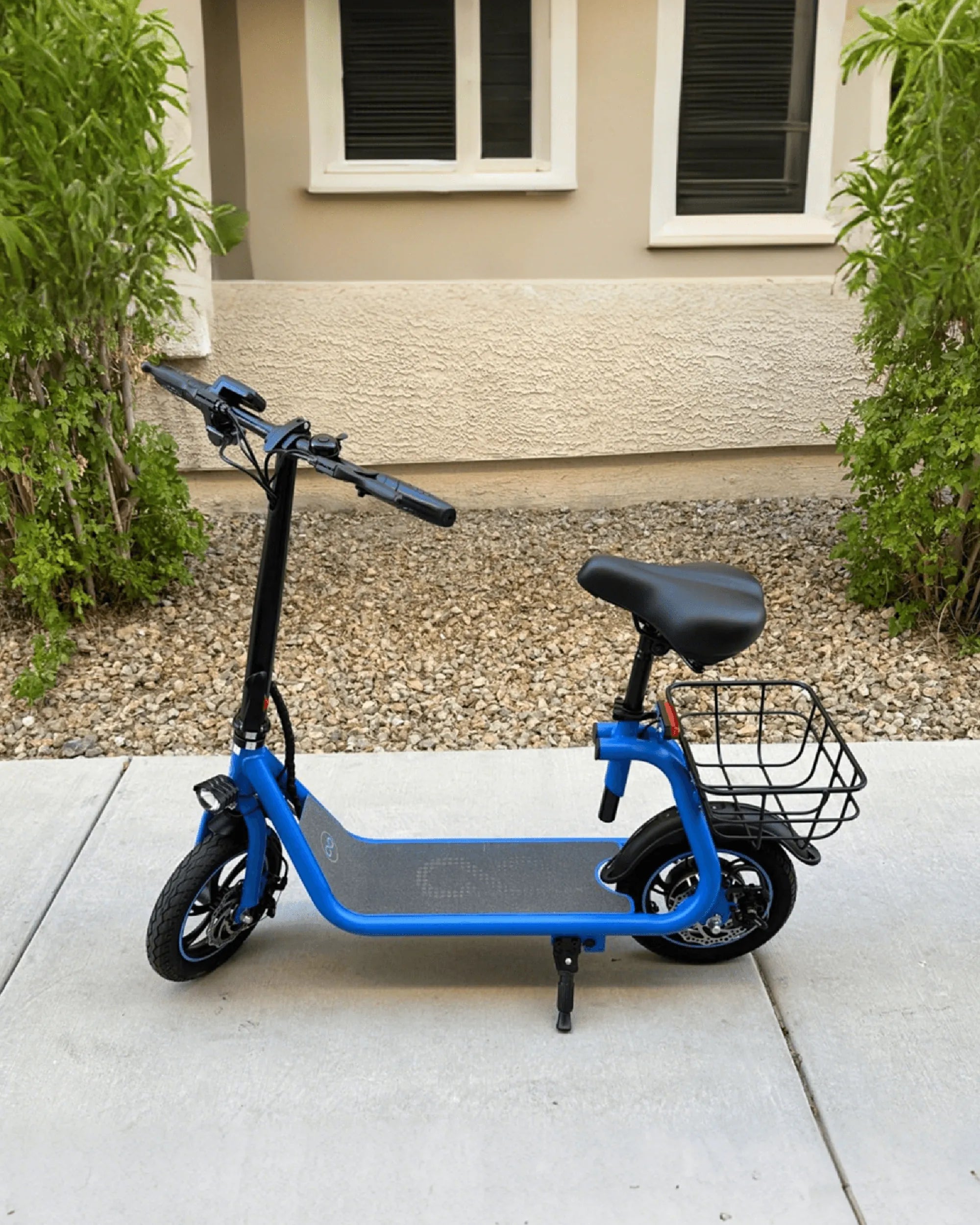
Introduction: Navigating the E-Scooter Purchase Landscape
The direct answer is a resounding yes—you can absolutely buy electric scooters. The real question is how to buy the *right* one. The modern electric scooter has evolved from a novelty toy into a legitimate micro-mobility solution, capable of transforming daily commutes, weekend errands, and urban exploration. However, with hundreds of models available, an informed purchase is critical to match performance, safety, and design to your specific needs.
This guide is your roadmap. We will dissect the entire purchasing journey, from understanding where to buy and what features matter, to navigating local laws and long-term ownership. The goal is to move beyond marketing claims and focus on the data-driven factors that determine real-world satisfaction and reliability. Whether you're a first-time buyer or looking to upgrade, making the correct choice hinges on understanding the landscape.
Purchasing the perfect ride isn't just about clicking 'buy now.' It's a process of aligning technical specifications with practical use cases. A scooter perfect for a flat, three-mile commute may be wholly inadequate for a hilly five-mile journey with a need for portability on a train. The difference between a disappointing purchase and a transformative one lies in the details we're about to explore.
Where to Buy Electric Scooters: Retailers, Brands, and Marketplaces
Your choice of retailer significantly impacts your purchase experience, including price, warranty support, and after-sales service. The primary channels are brand-direct websites, big-box retailers, specialty mobility shops, and online marketplaces.
Buying directly from a manufacturer's website, such as Gyroor's official store, often provides the highest level of support. You typically get full manufacturer warranty coverage, access to genuine replacement parts, and direct customer service. Brands like Gyroor, trusted by over 100,000 riders, use this channel to offer detailed product information and support that third-party sellers may not match.
Big-box retailers and specialty mobility shops offer the advantage of seeing the product in person. You can assess build quality, weight, and folding mechanisms firsthand. However, selection may be limited to a few popular brands, and sales staff may not possess deep product knowledge. Warranty claims might be routed through the retailer's process rather than the manufacturer's.
Online marketplaces like Amazon provide vast selection and competitive pricing, often with fast shipping. The critical caveat is seller authenticity. Purchasing from an unauthorized third-party seller can void the manufacturer's warranty. Always verify you are buying from the brand's official storefront or an authorized dealer to ensure you receive a genuine product with valid support.
Key Factors to Consider Before You Buy
Before browsing models, define your primary use case. Is this for a daily commute, recreational fun, or last-mile connectivity from public transit? Your answer will dictate the importance of each following factor. A commuter needs range and reliability; a recreational rider may prioritize comfort and speed; an urban dweller needs ultra-portability.
Your budget is the next critical constraint. Electric scooters range from under $300 to over $3000. It's essential to understand what level of performance, safety, and durability is realistic within your price range. A higher initial investment in quality components often translates to lower long-term costs and greater safety.
Finally, never skip researching local laws. Municipal regulations for electric scooters vary wildly. Some cities allow them in bike lanes and roads, others restrict them to sidewalks, and some ban them entirely. Speed limits, helmet laws, and minimum age requirements are also common. A perfect scooter is useless if it's illegal to ride where you live.
Performance & Range: Matching Power to Your Commute
Motor power, measured in watts (W), directly influences acceleration and hill-climbing ability. A single 350W motor is sufficient for flat terrain and lighter riders. For hills or heavier riders, dual-motor setups or motors rated at 500W and above are necessary. Top speed is another key metric, with many commuter models capping at 15-20 mph to comply with local regulations.
Advertised range is a best-case scenario, often tested under ideal conditions with a light rider on a flat surface. Real-world range can be 50-70% of the claimed figure. Factors that drastically reduce range include rider weight, hills, frequent acceleration, cold weather, and tire pressure. Always buy a scooter with a range rating at least 50% greater than your longest typical trip.
The battery is the heart of performance. Look for scooters using brand-name, UL-certified battery cells, like those used in Gyroor scooters. UL certification is a critical safety benchmark, indicating the battery pack has passed rigorous tests for electrical, mechanical, and fire safety. A high-quality battery not only ensures safety but also maintains its capacity over hundreds of charge cycles.
Portability & Design: Folding Mechanisms and Weight
If you plan to carry your scooter onto a bus, into an office, or up a flight of stairs, weight and foldability are paramount. Commuter-friendly models typically weigh between 30 and 45 pounds. Lighter models often sacrifice battery size (and thus range) or motor power. The folding mechanism should be robust, intuitive, and secure when locked.
Examine the stem design and latch mechanism closely. A wobbly stem compromises control and safety. High-quality scooters feature reinforced folding joints and secure locking latches that eliminate play. The folded dimensions determine how easily it will fit under a desk or in a car trunk. A compact, clean fold is a sign of thoughtful engineering.
Beyond folding, overall ergonomics matter. Deck size should accommodate your stance comfortably. Handlebar height and grip texture affect control. A well-designed kickstand should be stable on uneven surfaces. These design elements contribute significantly to the daily user experience beyond mere portability metrics.
Durability & Safety: Build Quality and Protection Ratings
The frame material is the scooter's skeleton. Aerospace-grade aluminum alloys offer an excellent strength-to-weight ratio, resisting fatigue and corrosion. The build quality is evident in weld points, bolt fittings, and the absence of sharp edges. A sturdy frame is non-negotiable for safety and longevity.
Braking systems are your primary safety feature. Disc brakes (mechanical or hydraulic) offer the strongest and most consistent stopping power, especially in wet conditions. Electronic regenerative brakes can extend range but are less effective as a sole braking system. Many quality scooters, including several Gyroor models, combine both for redundancy. Always ensure your chosen scooter has a reliable, dual-braking system.
Water and dust resistance is indicated by an IP (Ingress Protection) rating. An IPX5 rating, a standard for brands like Gyroor, means the scooter is protected against water jets from any direction. This makes it safe to ride on wet roads and in light rain. It is not, however, a permit to ride through deep puddles or submerge the scooter. Good lighting—a bright headlight, taillight, and deck or wheel lights—is essential for being seen at night.
Legal & Practical Considerations: Local Laws and Storage
Ignorance of the law is not an excuse. Before purchasing, search for "e-scooter regulations [Your City/State]." Key legal points include: where you can ride (road, bike lane, sidewalk), maximum permitted speed (which may require a speed limit setting on your scooter), helmet requirements (often for all riders or those under 18), and whether a driver's license is needed.
Practical storage is often overlooked. Do you have a secure, dry place to store and charge the scooter at home? If you commute to an office, is there a designated area or will you need to fold it under your desk? Consider the logistics of charging; a removable battery can be a significant convenience for those who cannot park their scooter near an outlet.
Understanding Value: Price Points and What You Get
Price is a strong indicator of component quality, performance ceiling, and durability. Breaking the market into tiers clarifies what your money buys.
Budget Tier ($300 - $600): These are often entry-level or toy-grade scooters. Expect single motors under 350W, shorter ranges (10-15 miles real-world), basic drum or mechanical disc brakes, and minimal water resistance. Frames may be heavier steel or lower-grade aluminum. Warranties are often short (90 days to 6 months). Suitable for occasional, short-distance recreation on flat ground.
Mid-Range Tier ($600 - $1200): This is the sweet spot for most commuters. You'll find powerful single or dual motors (500W+), real-world ranges of 15-30 miles, better suspension, hydraulic or quality mechanical disc brakes, and IPX4 or IPX5 water resistance. Frames are typically aluminum alloy. Reputable brands in this tier, like Gyroor, offer 1-year comprehensive warranties and reliable customer support, representing strong long-term value.
Premium Tier ($1200+): These are high-performance machines. Expect extreme power (1000W+ dual motors), long ranges (40+ miles), advanced suspension systems, hydraulic brakes, superior build quality with premium materials, and sophisticated features like full-color displays and app connectivity. They are built for demanding riders who prioritize top-tier performance and cutting-edge technology.
| Feature | Budget Tier | Mid-Range Tier | Premium Tier |
|---|---|---|---|
| Motor Power | 250W - 350W | 500W - 800W (Single/Dual) | 1000W+ (Dual Common) |
| Real-World Range | 8 - 15 miles | 15 - 30 miles | 30 - 60+ miles |
| Brake System | Foot/Drum | Mechanical/Hydraulic Disc | Hydraulic Disc (Dual) |
| Water Resistance | IPX4 or None | IPX5 (e.g., Gyroor standard) | IPX5 or higher |
| Frame Material | Steel / Basic Aluminum | Aerospace Aluminum | Advanced Alloys / Carbon |
| Warranty | < 6 months | 1 Year (Comprehensive) | 1-2 Years |
The Purchase Process: From Click to Ride
Once you've selected your model, the buying process begins. Always purchase from an authorized dealer or the brand's official website to guarantee warranty validity. Carefully review the warranty terms—what is covered (frame, motor, battery, electronics) and for how long. Understand the return policy in case the scooter doesn't meet your expectations.
Upon delivery, inspect the box for significant damage before accepting it. Unbox carefully and inventory all parts: scooter, charger, tools, and manual. Before the first charge, visually inspect the scooter for any shipping damage like cracks, deep scratches, or loose components. Report any issues to the seller immediately.
Follow the manufacturer's instructions for the initial charge, which often involves charging the battery fully before first use. This calibrates the battery management system. While charging, read the manual thoroughly. Familiarize yourself with the controls, display, folding mechanism, and recommended tire pressure.
Before your first ride, perform a pre-ride safety check: ensure all bolts are tight, brakes are properly adjusted and responsive, tires are inflated to the correct PSI, lights are functional, and the folding mechanism is securely locked. Start your first ride in a safe, open area like an empty parking lot to get accustomed to the acceleration, braking, and handling.
Frequently Asked Questions (FAQ)
Do I need a license or insurance to ride an e-scooter?
For most consumer electric scooters with top speeds under 20 mph, a driver's license is typically not required, but this varies by jurisdiction. Some states or cities classify them similarly to bicycles, while others have specific e-scooter regulations. Insurance is rarely mandatory for privately owned scooters but checking your homeowner's or renter's policy for coverage is wise. Always verify local laws.
How long do e-scooter batteries last, and are they replaceable?
A quality lithium-ion battery, like a UL-certified pack, is rated for 500+ full charge cycles while retaining about 80% of its original capacity. With typical use, this translates to 2-5 years of life. Yes, batteries are replaceable. Reputable brands like Gyroor sell OEM replacement battery packs. Using only the manufacturer's specified charger is crucial for battery longevity and safety.
Can I ride an e-scooter in the rain?
You can ride a scooter with a sufficient IP rating in light rain and on wet roads. An IPX5 rating, standard on Gyroor scooters, protects against water jets, making it suitable for these conditions. However, you should avoid riding through deep puddles (which can submerge electronics), in heavy downpours, or on flooded streets. Always dry your scooter after a wet ride and exercise extra caution as braking distances increase on wet surfaces.
What maintenance does an electric scooter require?
Regular maintenance is minimal but essential. Weekly: check and inflate tires to the recommended PSI (prevents flats and improves range). Monthly: inspect and test brakes for wear and adjustment, check that all bolts (especially around the stem and folding mechanism) are tight, and clean the scooter with a damp cloth. Periodically: check for worn tire tread and listen for unusual noises from bearings or motors. Store in a dry place.
Are electric scooters worth the investment for commuting?
Absolutely, when chosen correctly. Compared to public transit fares, ride-sharing costs, or car fuel and parking, a reliable e-scooter can pay for itself within months. The time saved in traffic, the convenience of door-to-door travel, and the elimination of waiting times add significant value. The key is investing in a durable, capable model suited to your specific commute distance and terrain to ensure reliability.
Conclusion: Your Path to the Perfect E-Scooter
Purchasing the perfect electric scooter is a deliberate process of matching detailed specifications to your personal needs and environment. The journey begins with honestly assessing your primary use case and local laws, then methodically evaluating scooters based on real-world performance metrics, durable construction, and essential safety features like UL-certified batteries and effective braking systems.
Remember that value extends far beyond the sticker price. A mid-range scooter from a reputable brand with a comprehensive warranty, strong customer support, and quality components like an IPX5-rated water-resistant design offers far greater long-term satisfaction and safety than a cheaper alternative with hidden compromises. Your scooter is a vehicle for daily mobility; its reliability directly impacts your routine.
Armed with this guide, you are now equipped to navigate the market with confidence. You can distinguish marketing hype from meaningful engineering, understand the importance of authorized purchases for warranty protection, and perform the essential checks that ensure a safe and enjoyable riding experience from day one. The perfect ride is not a mystery—it's the product of informed choice.
Ready to explore a range of electric scooters built with commuter-focused durability, UL-certified safety, and reliable performance? Browse the full Gyroor collection, featuring IPX5 water-resistant designs and backed by a 1-year warranty, at gyroorboard.com.
Electric Scooters in Indian Market: The Future of Urban Mobility
Electric Scooters in India 2024 Price List: Trends, Models, and Buying Guide