

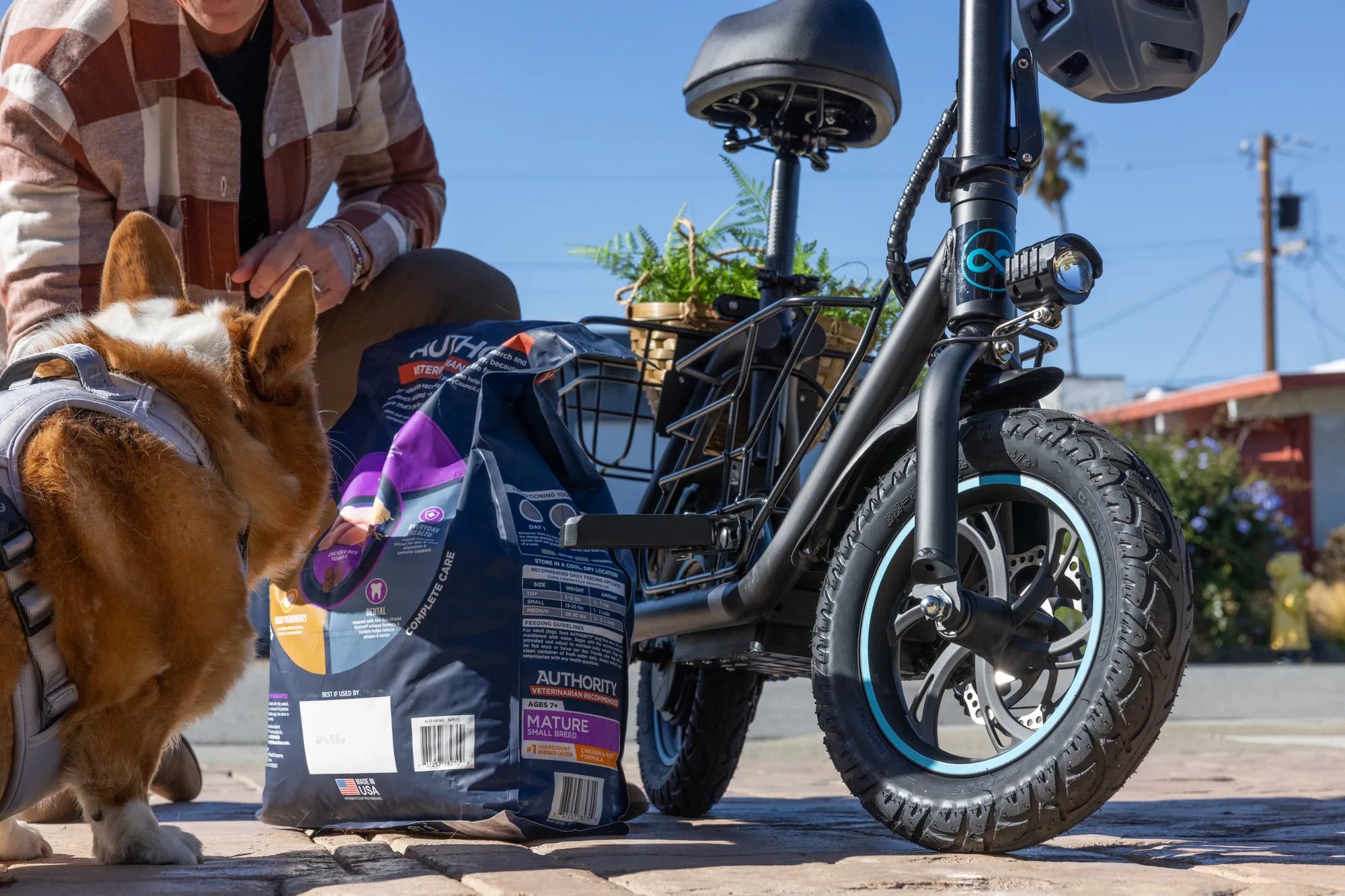
Are you torn between choosing an electric bike or a scooter for your daily commute or weekend adventures? Both options offer eco-friendly, cost-effective transportation, but they cater to different needs and preferences. Let’s dive deep into the differences between electric bikes and scooters to help you decide which one suits your lifestyle best.
Design and Structure
Electric bikes (e-bikes) resemble traditional bicycles but come equipped with an electric motor to assist pedaling. They typically have pedals, a battery pack, and a motor integrated into the frame. Scooters, on the other hand, feature a step-through design with a flat footboard, handlebars, and no pedals. They rely entirely on the electric motor for propulsion.
Power and Speed
E-bikes usually offer pedal-assist modes, allowing riders to choose how much motor assistance they want. Their speed often caps at 20-28 mph, depending on local regulations. Scooters, however, are throttle-controlled and can reach speeds of 30 mph or more, making them faster but potentially requiring a license in some areas.
Range and Battery Life
Both vehicles rely on rechargeable batteries, but their range varies. E-bikes can travel 20-80 miles on a single charge, depending on pedal assistance. Scooters generally have a shorter range of 15-50 miles due to their heavier reliance on the motor.
Legal Requirements
E-bikes are often classified similarly to traditional bikes, requiring no license or registration in most regions. Scooters may fall under moped or motorcycle classifications, necessitating a license, insurance, or registration depending on their speed and power.
Cost and Maintenance
E-bikes tend to be more affordable upfront and cheaper to maintain, with fewer mechanical components than scooters. Scooters, while pricier, may offer lower long-term costs if used as a car replacement for short commutes.
Comfort and Terrain
E-bikes excel on varied terrain, thanks to their pedal-assist feature and multiple gears. Scooters are better suited for smooth urban roads but may struggle on hills or rough paths without sufficient power.
Environmental Impact
Both options are eco-friendly, producing zero emissions. However, e-bikes have a slight edge as they encourage physical activity, reducing their carbon footprint further.
Whether you prioritize speed, convenience, or fitness, understanding the difference between electric bikes and scooters ensures you pick the perfect ride for your needs. Ready to make the switch to greener transportation?
Changing Inner Tube on Electric Bike: A Step-by-Step Guide for Smooth Rides
Do You Need a License for an Electric Bike? The Complete Guide