

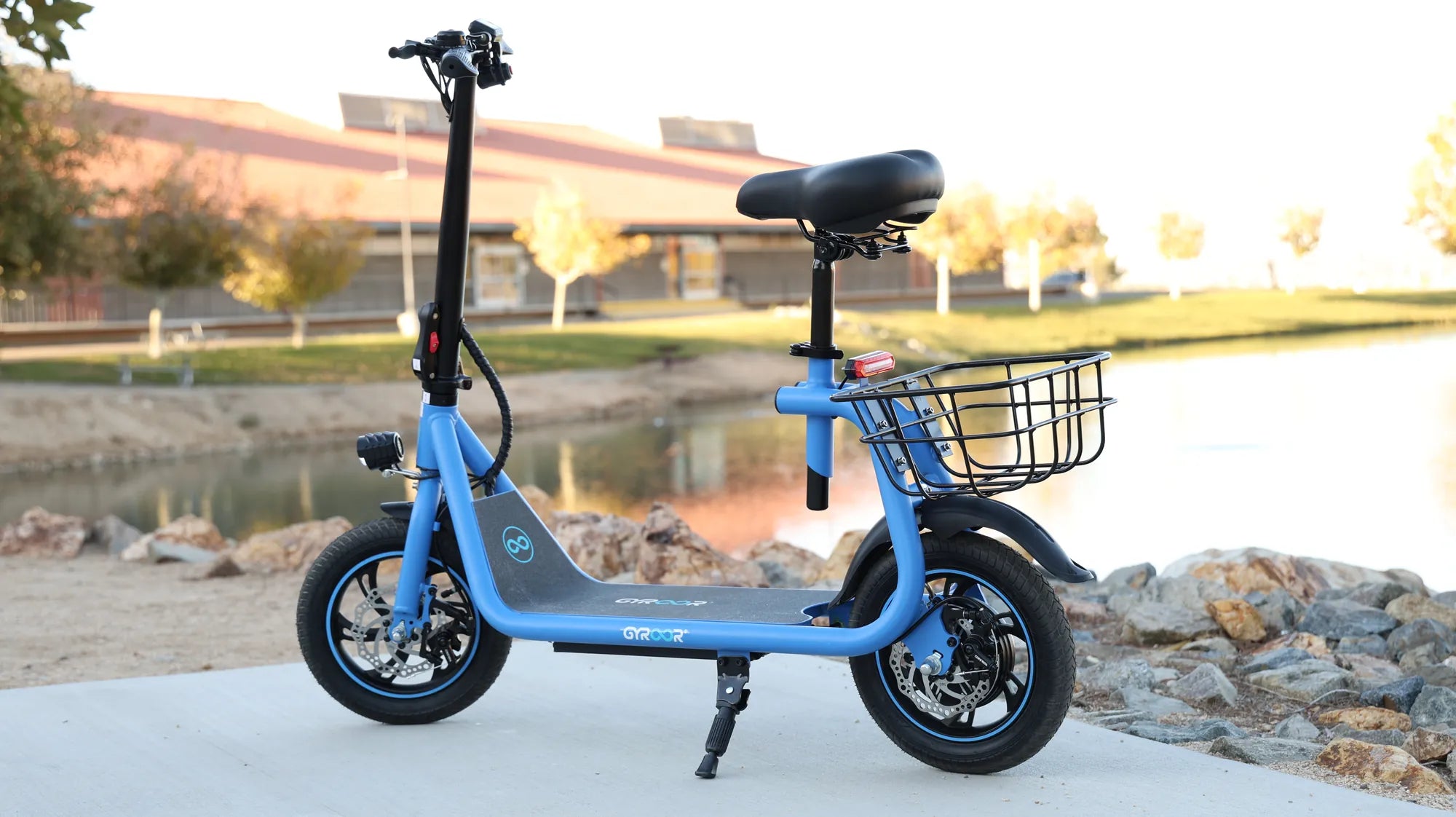
Electric bikes are revolutionizing urban transportation, offering an eco-friendly and efficient way to navigate cities. But as their popularity surges, so do questions about legal requirements. One of the most common concerns is whether you need a license to ride an electric bike. The answer isn’t always straightforward—it depends on where you live, the type of e-bike you own, and how you use it. Let’s dive into the details to clear up the confusion.
Understanding Electric Bike Classifications
Electric bikes are typically categorized into three classes, each with distinct features and legal implications:
- Class 1: Pedal-assist only, with no throttle, and a maximum speed of 20 mph.
- Class 2: Throttle-assisted, with a maximum speed of 20 mph.
- Class 3: Pedal-assist only, with a maximum speed of 28 mph.
These classifications are crucial because they often determine whether a license is required. In most regions, Class 1 and 2 e-bikes are treated similarly to traditional bicycles, meaning no license is needed. However, Class 3 e-bikes may face stricter regulations due to their higher speed capabilities.
Licensing Requirements by Region
Laws regarding e-bike licensing vary widely depending on your location. Here’s a breakdown of how different regions handle the issue:
United States
In the U.S., federal law defines e-bikes as bicycles if they meet specific criteria, such as having a motor under 750 watts and a top speed of 20 mph. Most states follow this definition, meaning no license is required for Class 1 and 2 e-bikes. However, some states, like California, require riders of Class 3 e-bikes to be at least 16 years old and wear a helmet, though a license is still not mandatory.
European Union
The EU classifies e-bikes into two categories: pedal-assist bikes with a maximum speed of 15.5 mph (25 km/h) and faster models that can reach 28 mph (45 km/h). The slower models typically don’t require a license, while the faster ones may need registration, insurance, or even a moped license in some countries.
Canada
Canada’s regulations are similar to those in the U.S., with most provinces not requiring a license for e-bikes that meet federal standards. However, some provinces, like Ontario, mandate a helmet and set a minimum age of 16 for riders.
Exceptions and Special Cases
While most e-bikes don’t require a license, there are exceptions. For example, if an e-bike exceeds the speed or power limits set by local laws, it may be classified as a motor vehicle, requiring a license, registration, and insurance. Additionally, some cities or states have unique rules, so it’s always wise to check local regulations before riding.
Why Licensing Laws Matter
Understanding e-bike licensing laws isn’t just about avoiding fines—it’s about safety and accessibility. Proper regulations ensure that riders are aware of their responsibilities, such as wearing helmets and following traffic rules. They also help integrate e-bikes into existing transportation systems, making roads safer for everyone.
Ready to hit the road on your e-bike? Now that you know the licensing requirements, you can ride with confidence, knowing you’re following the law. Whether you’re commuting to work or exploring scenic trails, your electric bike is your ticket to a greener, more efficient future.
Difference Between Electric Bike and Scooter: Which One Is Right for You?
Dual Motor Dual Battery Electric Bike: The Ultimate Guide to Power and Range