



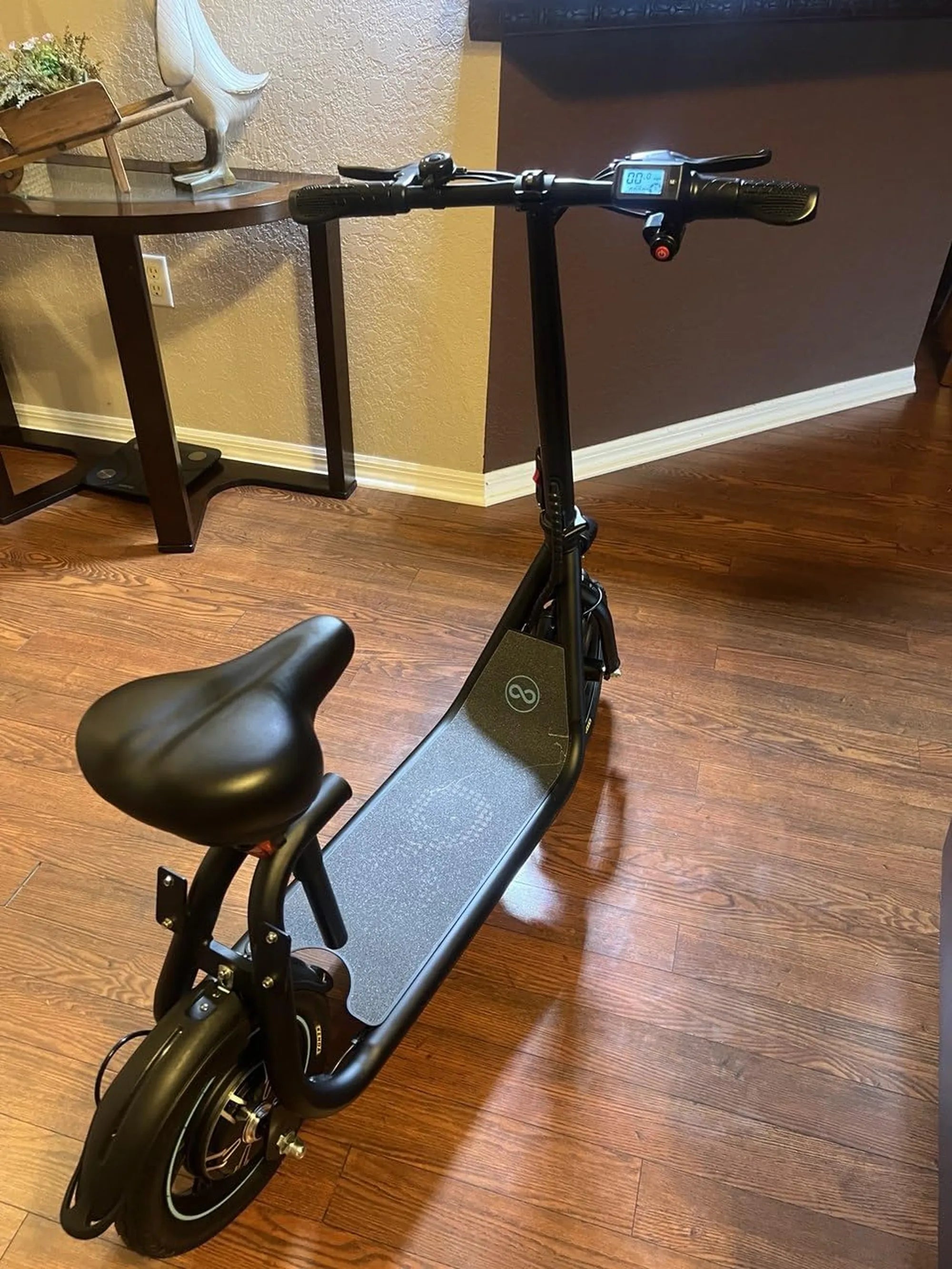
Navigating Wet Weather on Electric Scooters
Riding an electric scooter in the rain is a common concern for commuters and casual riders alike. The core question, 'Do electric scooters break in the rain?' is crucial for safety, longevity, and peace of mind. The answer isn't a simple yes or no; it hinges on understanding official water resistance ratings, recognizing practical limitations, and following proper maintenance protocols.
This article delivers a clear, data-driven guide to what you need to know. We will decode IP ratings, outline the real risks beyond the specifications, and provide actionable steps for safe riding and post-ride care. As a benchmark, we'll reference the engineering standards of Gyroor, a leading brand trusted by over 100,000 riders, known for its focus on UL-certified safety and durable, IPX5 water-resistant designs.
Understanding Water Resistance: IP Ratings Explained
The Ingress Protection (IP) code is the international standard that defines a device's protection against solids and liquids. For electric scooters, the liquid protection digit is most critical. An IP rating consists of the letters "IP" followed by two digits (e.g., IPX5). The first digit indicates protection against solid objects like dust, while the second digit denotes protection against water.
Many scooters use an "X" in place of the first digit, meaning the dust protection rating is not specified or not relevant for this discussion. We focus on the second digit. It's vital to understand that water resistance is not the same as waterproof. No consumer electric scooter is fully waterproof for submersion. Ratings define protection against specific water exposure conditions.
The scale for water resistance typically ranges from 0 to 9. For urban riding, ratings from IPX4 to IPX7 are most relevant. Each level represents a test where the device is exposed to water in a specific way, such as spraying or immersion, for a set duration. Choosing a scooter with an appropriate IP rating for your climate is the first step in ensuring it can handle wet conditions without breaking.
Common IP Ratings for Electric Scooters
Below is a breakdown of common water resistance ratings and what they mean for real-world riding scenarios. This table helps you interpret manufacturer claims and set realistic expectations for your scooter's capabilities in the rain.
| IP Rating | Protection Level | Real-World Meaning for Scooters |
|---|---|---|
| IPX4 | Splash-proof from all directions. | Can handle light rain and road spray. Not suitable for sustained wet conditions. |
| IPX5 | Protected against water jets (6.3mm nozzle) from any direction. | Suitable for riding in light to moderate rain and through wet streets. The Gyroor standard. |
| IPX6 | Protected against powerful water jets (12.5mm nozzle). | Can handle heavy rain and strong water spray. Offers high protection for commuters. |
| IPX7 | Protected against immersion in 1 meter of water for up to 30 minutes. | Can survive accidental deep puddles or brief submersion. Still not for intentional underwater use. |
The Gyroor Standard: IPX5 and What It Means for You
Gyroor designs its electric scooters with real-world urban commuting in mind, which includes encountering wet weather. Across its lineup, Gyroor consistently implements an IPX5 water resistance rating. This is a deliberate engineering choice that balances robust protection with practical design and value.
An IPX5 rating means the scooter's critical components have been tested to withstand water jets from a 6.3mm nozzle from any direction without harmful ingress. In practical terms, this translates to reliable operation during a typical commute in light to steady rain. The sealed deck, motor housing, and electrical connections are designed to repel water sprayed up from wet roads or falling from above.
This level of protection specifically safeguards the most vulnerable parts: the battery management system, controller, and motor connections. By achieving IPX5, Gyroor ensures that riding on damp streets or getting caught in a sudden shower is unlikely to cause an immediate electrical failure. It provides a significant safety margin for the average rider, making the scooter a dependable choice for daily use in variable weather.
However, it is essential to remember that IPX5 is a rating for water jets, not for submersion or prolonged, torrential downpours. Understanding this distinction is key to using your scooter correctly and preventing avoidable damage. It sets a clear boundary for safe operation.
The Real-World Risks: What Can Actually Go Wrong
Even with a good IP rating like IPX5, several real-world factors can lead to an electric scooter breaking in the rain. The IP test is a controlled laboratory standard; city streets present uncontrolled hazards. The primary risks extend beyond the scooter's electronics to include rider safety and long-term mechanical wear.
The most significant threat is submersion. Riding through a deep puddle that submerges the deck or, worse, the handlebar display can force water past seals. Water pressure increases with depth, and seals rated for sprays may fail under immersion. This can lead to immediate short-circuiting of the battery or controller.
Prolonged exposure to heavy rain can also be problematic. While IPX5 handles jets, a sustained, driving downpour can find microscopic paths over time, especially around button seams or cable entries. Furthermore, wet conditions introduce corrosive elements. Road salt, slush, and gritty sand spray can accelerate wear on mechanical parts like brakes and bearings, which are not covered by the IP rating for electronics.
Finally, rider safety is a paramount concern separate from scooter integrity. Wet roads drastically reduce tire traction, increasing the risk of skidding, especially when cornering or braking. Disc brakes may lose initial effectiveness when wet, and visibility for both the rider and surrounding drivers is impaired. A scooter might survive the water, but the ride becomes inherently more hazardous.
Component Vulnerabilities: Battery, Electronics, and Bearings
To understand the risks, you must know which parts are most at risk. The lithium-ion battery pack is the heart of the scooter and the most sensitive to water damage. While Gyroor uses UL-certified batteries with their own protective casing, direct water ingress can cause a short circuit, leading to failure, or in extreme cases, a thermal event. The battery management system (BMS) is equally vulnerable.
The electronic speed controller (ESC) is the brain. Water damage here can cause erratic behavior, loss of power, or complete shutdown. Connections between the battery, controller, motor, and throttle are potential entry points, even with sealing. Over time, thermal cycling (heating up and cooling down) can cause seals to contract and expand, potentially creating gaps.
Mechanical components are also affected. Wheel bearings, though shielded, can corrode if water and grit penetrate, leading to a grinding noise and increased rolling resistance. Brake systems—whether disc, drum, or electronic—can suffer from water reducing friction or causing corrosion on rotors and calipers. Regular maintenance of these parts is crucial after wet rides.
How to Ride Safely in Wet Conditions: A Practical Guide
If you must ride your electric scooter in the rain, following a disciplined protocol can minimize risk to both you and the vehicle. Start with a pre-ride check. Ensure tire pressure is adequate for better traction. Test your brakes on a dry, safe patch before entering traffic. Verify that all lights are functioning to maximize your visibility.
Adjust your riding technique dramatically. Reduce your speed by at least 30-40% compared to dry conditions. This gives you more time to react and reduces the risk of hydroplaning. Avoid sudden maneuvers. Accelerate gently, brake early and progressively, and take corners at a walking pace. Never slam on the brakes, as this will almost certainly cause the wheels to lock and skid.
Be hyper-aware of road hazards. Actively avoid puddles—you cannot know their depth, and they may hide potholes or debris. Steer clear of painted road markings, metal covers, and manhole covers, as these become extremely slippery when wet. Increase your following distance from vehicles and assume drivers have a harder time seeing you.
Dress appropriately. Wear waterproof, reflective clothing. Use clear-lens glasses to protect your eyes from rain spray. The goal is to manage the ride to minimize both water exposure to the scooter and the physical risks to yourself, turning a potentially dangerous situation into a controlled, cautious commute.
Post-Ride Maintenance: Essential Steps After a Wet Ride
What you do after a wet ride is as important as how you ride. Proper maintenance can prevent corrosion and latent water damage that might not manifest immediately. Never plug in your scooter to charge immediately after a wet ride. Always allow for a thorough drying period first.
Start by using a dry, absorbent towel or microfiber cloth to wipe down the entire scooter. Pay special attention to the deck, stem, brake calipers, rotors, and any exposed cabling. Use a soft brush or cloth to remove grit and road salt from the wheels and under the fenders. Avoid using a high-pressure hose, as this can force water into seals that are designed for rain, not direct jets.
If the scooter was heavily exposed, consider placing it in a dry, warm (not hot) area with good airflow to help evaporate any residual moisture. Gently rocking the scooter can help dislodge water pooled in crevices. Check the charging port cover to ensure it is fully sealed and dry before even thinking about connecting the charger. This routine, taking just 5-10 minutes, can vastly extend the life of your scooter's electrical and mechanical components.
Gyroor's Warranty and Water Damage: Knowing Your Coverage
Gyroor stands behind its products with a comprehensive 1-year warranty that covers defects in materials and workmanship. This warranty is a testament to their confidence in the build quality and the IPX5-rated design of their scooters. However, it is critical to understand the boundaries of this coverage concerning water.
The warranty covers failures that result from a defect in the water-sealing itself. For example, if an IPX5-sealed compartment on a new scooter allows water ingress during normal rainy conditions as defined by the rating, that would be considered a manufacturing defect and covered. Gyroor's use of UL-certified components and rigorous testing aims to prevent such issues.
Conversely, the warranty does not cover water damage resulting from misuse or abuse. This includes, but is not limited to, submersion of the scooter, riding through deep floods, using a pressure washer on it, or charging it while wet. These actions exceed the intended design parameters (IPX5) and are the responsibility of the user.
If you are unsure about a potential issue, Gyroor's US-based customer support team is the best resource. Documenting the condition of your scooter and the circumstances of any incident can help in clarifying warranty status. The key takeaway is to use the scooter within its rated capabilities to keep the warranty valid.
FAQ: Your Electric Scooter and Rain Questions Answered
Q: Can I ride my Gyroor scooter in heavy rain?
A: It is not recommended. While Gyroor scooters are rated IPX5 for water jets (suitable for light/moderate rain), heavy, torrential rain may exceed this specification. Prioritize safety and seek shelter if possible.
Q: What should I do if my scooter goes through a deep puddle?
A: Immediately power off the scooter if safe to do so. Wipe it down thoroughly and move it to a dry place. Do not attempt to turn it back on or charge it for at least 24-48 hours to allow internal components to dry completely. Inspect for any error codes before next use.
Q: Is the charger also water-resistant?
A: No. The charger is an electrical device with its own vents and is not water-resistant. Always charge indoors in a dry environment. Never use a charger that has gotten wet.
Q: How do I dry my scooter if it gets soaked?
A> Follow the post-ride maintenance steps: manual drying with towels, gentle brushing of debris, and air-drying in a ventilated area. For serious soaking, leaving it in a dry room for 2-3 days is advisable. Do not use heat guns or hair dryers, as excessive heat can damage electronics and seals.
Q: Does water resistance decrease over time?
A> Yes, potentially. Rubber seals can degrade, screws can loosen, and small cracks can develop from regular use and impacts. Periodically check your scooter for any visible damage to the deck or housing, and ensure all protective caps (e.g., on the charging port) are secure.
Smart Riding in Any Weather
The question, 'Do electric scooters break in the rain?' has a nuanced answer. Modern, well-built scooters like those from Gyroor, with clear IPX5 ratings, are engineered to handle the challenges of wet weather commuting reliably. They provide a strong defense against rain and road spray, giving riders confidence in variable conditions.
However, this engineering is a partnership with the rider. Understanding the limits of water resistance—that it is not a license to ride through deep puddles or monsoons—is critical. The real-world risks of reduced traction, invisible road hazards, and long-term corrosion demand a proactive approach focused on cautious riding and diligent, post-ride care.
By choosing a scooter with a reputable IP rating, respecting its design boundaries, and maintaining it properly, you can significantly extend its lifespan and ensure many safe miles, rain or shine. The technology exists to make wet-weather riding feasible, but your knowledge and habits are the final, essential layer of protection for your investment and your safety.
For riders seeking a reliable companion built for real-world conditions, exploring scooters designed with these principles is the next step. Browse the full Gyroor collection at gyroorboard.com to find an IPX5-rated model that matches your commute and gives you the confidence to handle whatever the weather brings.
How Safe Are Electric Scooters for Kids? A Parent's Guide to Smart Choices
How Much Are the New Electric Scooters: The Complete 2024 Pricing Guide