



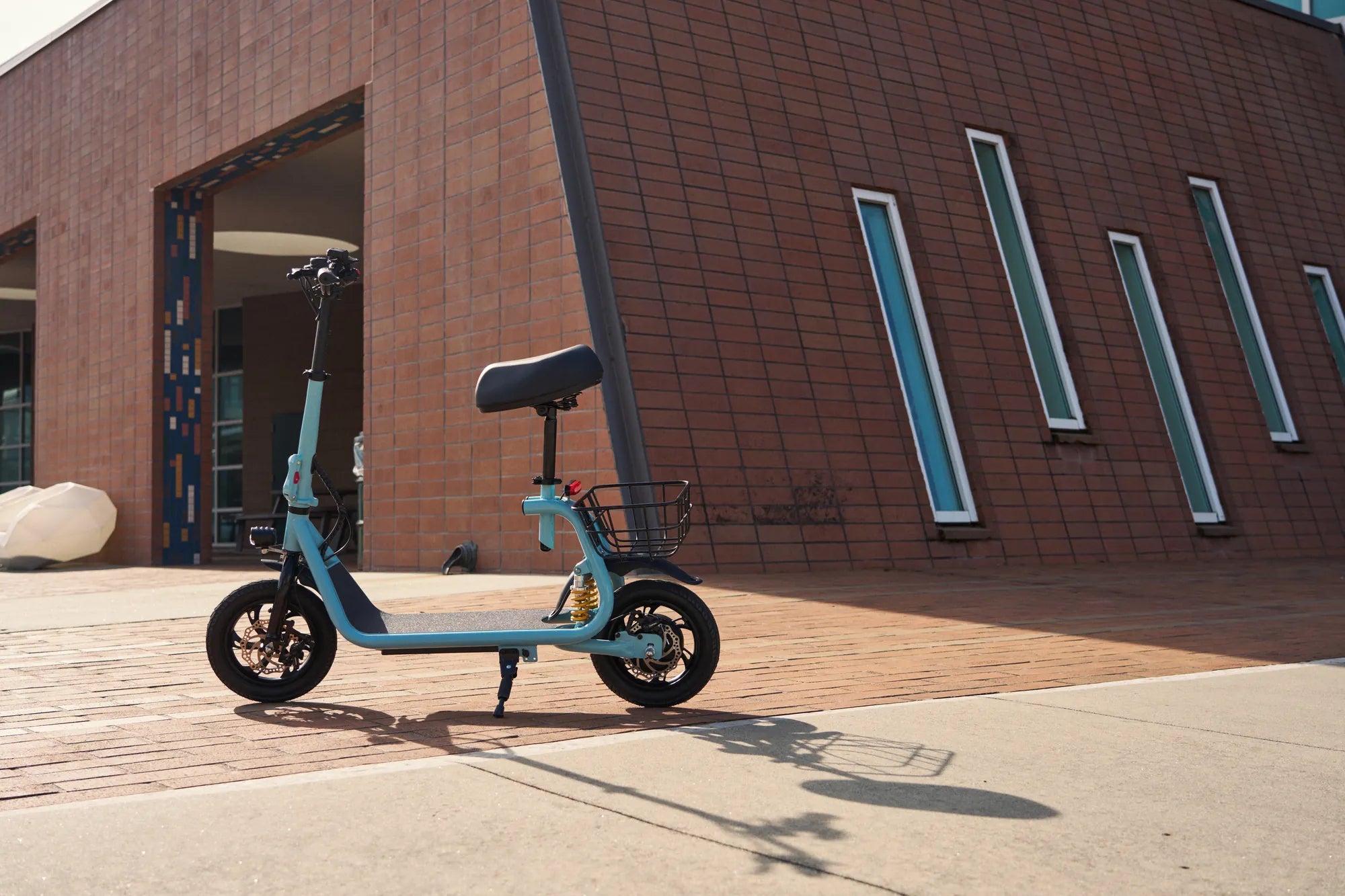
Navigating the E-Scooter Price Landscape
You're asking the right question: How much are the new electric scooters? The answer isn't a single number but a spectrum ranging from under $300 to well over $3,000. This wide range exists because modern electric scooters are sophisticated personal transportation devices, not simple toys. The final price tag is a direct reflection of performance capabilities, build quality, safety certifications, and brand reputation. Understanding this landscape is key to making a smart investment that won't leave you stranded or disappointed.
This guide will provide a complete breakdown of 2024 pricing. We'll dissect the core components that drive cost, explore detailed price tiers, and reveal the often-overlooked total cost of ownership. Whether you're a daily commuter, a weekend adventurer, or a first-time buyer, you'll learn exactly what to expect for your budget and how to find the scooter that offers the best value for your specific needs. Let's move beyond the sticker price and discover what you're really paying for.
The Core Factors That Determine Electric Scooter Price
An electric scooter's cost is built from the ground up. Every component, from the motor to the tires, contributes to the final price. Premium materials and advanced engineering command higher prices but deliver superior performance, safety, and longevity. By understanding these factors, you can decode any scooter's price tag and assess its true value proposition.
Motor Power & Speed: From Commuter to Performance
Motor wattage is one of the most significant price drivers. A basic 250W motor, common in budget models, will typically offer top speeds of 15-18 mph, suitable for flat urban environments. Mid-range scooters often feature 350W to 600W motors, pushing speeds to 20-25 mph and providing enough torque for moderate hills. High-performance models with dual motors exceeding 1000W total can achieve speeds over 40 mph and conquer steep inclines with ease. The engineering, cooling systems, and electronic controllers needed for these powerful motors add considerable cost.
Battery Range & Quality: The Heart of Your Ride
The battery is the scooter's heart and a major cost component. Capacity, measured in watt-hours (Wh), directly dictates range. A 250Wh battery might provide 10-15 miles, while a 750Wh+ battery can deliver 40+ miles on a single charge. More critically, the quality and safety certification of the battery pack are paramount. Reputable brands invest in UL 2271 certified batteries, like those used in Gyroor scooters, which undergo rigorous testing for safety and longevity. Cheaper, uncertified batteries pose a fire risk and degrade quickly, making the initial savings a false economy.
Build Quality & Durability: IP Ratings and Materials
Durability costs money. A scooter's frame material—whether it's aircraft-grade aluminum or heavier steel—impacts weight, ride feel, and corrosion resistance. The suspension system (spring, hydraulic, or rubber) absorbs road shocks and is a key differentiator between budget and premium rides. Equally important is the Ingress Protection (IP) rating. A rating of IPX5, standard on many Gyroor models, means the scooter can withstand water jets from any direction, making it viable for commuting in light rain. Higher build quality and better weatherproofing translate to fewer repairs and a longer lifespan, justifying a higher upfront cost.
Electric Scooter Price Tiers: What to Expect in 2024
The market neatly segments into three primary tiers: Budget, Mid-Range, and Performance/Premium. Each tier offers a distinct set of specifications tailored to different use cases and expectations. Knowing which tier aligns with your needs is the first step to narrowing your search and understanding how much you should expect to pay for the new electric scooters that fit your lifestyle.
Budget-Friendly (Under $500): Essential, Basic Commuting
Scooters in this category are designed for very short, infrequent trips on flat terrain. You can typically expect a single 250W-350W motor, a top speed of 15-18 mph, and a real-world range of 10-15 miles. Build materials are often simpler, with solid or basic pneumatic tires and minimal suspension. Water resistance may be limited or unspecified. While the low entry price is attractive, these models often lack advanced safety features, robust customer support, and durable batteries. They serve as an introductory option but may not withstand daily commuting demands over time.
Mid-Range ($500 - $1,200): The Sweet Spot for Most Riders
This is the most popular and competitive segment, offering the best balance of price, performance, and reliability—the true sweet spot for answering how much are the new electric scooters for daily use. For $600 to $1,000, you get a feature-rich commuter scooter with a 350W-600W motor, speeds of 19-25 mph, and a realistic range of 20-35 miles. Expect better construction, hydraulic or disc brakes, improved suspension, and meaningful water resistance (e.g., IPX5). Brands like Gyroor thrive here, offering UL-certified batteries and comprehensive 1-year warranties, providing excellent long-term value for the urban commuter.
Performance & Premium ($1,200+): Long-Range and High-Speed
This tier is for enthusiasts, long-distance commuters, and off-road adventurers. Prices climb rapidly for advanced engineering: dual-motor setups (1000W+), top speeds exceeding 30-40 mph, and ranges that can surpass 50 miles. Build quality is top-notch, featuring advanced suspension systems (like dual spring or hydraulic), premium lighting, app connectivity, and extreme durability. These scooters are built to handle demanding use and often come with superior after-sales service. The investment is significant but buys unparalleled capability and cutting-edge technology.
Beyond the Sticker Price: Understanding Total Cost of Ownership
The initial purchase is just the first expense. A smart buyer considers the total cost of ownership over 2-3 years. A slightly higher upfront cost for a quality scooter can save you hundreds in repairs, replacements, and headaches down the road. Let's break down the ongoing costs that impact the true value of your investment.
Warranty and Customer Support: The Value of Peace of Mind
A strong warranty is financial insurance. A comprehensive 1-year warranty on the frame, motor, and battery (like Gyroor's) can save you hundreds in potential repair costs. Equally important is the quality of customer support. Brands with responsive, U.S.-based support teams provide real value when you need help. A cheaper scooter with a 90-day warranty and outsourced support becomes very expensive if a critical component fails just outside the coverage period.
Maintenance, Repairs, and Essential Accessories
All scooters require maintenance. Budget for tire replacements (pneumatic tires wear out), brake pad changes, and occasional adjustments. Higher-quality components last longer. You must also factor in essential accessories: a quality helmet ($50-$150), a sturdy lock ($30-$80), and possibly additional lights or a phone mount. These are non-negotiable for safe, secure riding and add to your total startup cost. A durable scooter from a reputable brand minimizes unexpected repair bills, making its higher initial price more justifiable over time.
Making a Smart Investment: Aligning Price with Your Needs
Now that you understand the tiers and costs, it's time to match your budget to your primary use case. The goal is to pay for the features you need without overpaying for capabilities you'll never use. This practical approach ensures you get the best possible answer to how much are the new electric scooters for *you*.
The Urban Commuter's Checklist
For daily city travel, prioritize reliability, safety, and weather resistance. Your ideal scooter should have a minimum 15-mile real-world range (20+ is better), a water resistance rating of IPX5 or higher, a manageable weight for carrying up stairs, and a reliable braking system. A mid-range scooter from a trusted brand typically fulfills all these needs best. It offers the durability for daily use and the warranty to back it up, making it a smarter long-term purchase than the most budget-friendly option.
The Off-Road & Adventure Rider's Priorities
If your rides include trails, gravel, or steep hills, your requirements shift dramatically. Must-haves include high motor power (dual motors are ideal), robust front and rear suspension, large pneumatic off-road tires, and a ultra-durable frame. These features are almost exclusively found in the premium tier ($1,500+). Compromising here with a cheaper model not only ruins the experience but can be unsafe when pushing the scooter beyond its design limits.
Safety and Certification: Non-Negotiable Factors
Regardless of your budget, never compromise on verified safety certifications. The UL 2271 certification for the battery pack is the most critical, as it verifies protection against electrical and fire hazards. Other certifications like CE or FCC are also important markers of compliance. A brand's commitment to these standards, like Gyroor's use of UL-certified battery packs across its lineup, is a direct reflection of its dedication to rider safety and product quality. This is an area where paying more is an investment in your personal safety.
Price Comparison Table: Key Models by Tier
| Price Tier | Expected Price Range | Typical Motor | Typical Range | Key Features | Best For |
|---|---|---|---|---|---|
| Budget | $300 - $500 | 250W - 350W | 10 - 15 miles | Basic brakes, solid tires, minimal suspension | Short, infrequent trips on flat ground |
| Mid-Range | $500 - $1,200 | 350W - 600W | 20 - 35 miles | Disc brakes, suspension, IPX5 water resistance, warranty | Daily urban commuting, best overall value |
| Performance | $1,200 - $2,500 | Dual 500W+ | 35 - 50+ miles | Dual suspension, high-speed, app connectivity, off-road tires | Long-distance, high-speed, off-road adventures |
Frequently Asked Questions (FAQ)
Q1: What is the average price of a good quality electric scooter for daily commuting?
A: For a reliable, feature-rich commuter scooter with a 20-30 mile range, good build quality, and essential safety features like water resistance and a UL-certified battery, most riders should plan to invest between $600 and $1,000. This mid-range price point offers the optimal balance of performance, durability, and value for daily use.
Q2: Are cheaper electric scooters under $300 worth buying?
A: Scooters in this ultra-budget range involve significant compromises. They often use uncertified batteries (a safety risk), have very short ranges (under 10 miles), offer minimal customer support, and are built with less durable materials. They might suffice for very occasional, short rides on perfect pavement, but for regular use, they often lead to higher long-term costs due to repairs or early replacement.
Q3: Does a higher price always mean a better electric scooter?
A: Generally, yes—up to a point. Higher prices buy better components, rigorous safety testing, and more sophisticated engineering. However, it's crucial to ensure you're paying for features relevant to your needs. A $2,000 off-road scooter is not "better" for a city commuter than a well-specced $800 model. The key is value: a reputable mid-range scooter often offers the best performance-to-price ratio for the average user.
Q4: Why do some brands with similar specs have different prices?
A: Price differences reflect "invisible" value factors: brand investment in safety certifications (UL, CE), the quality of individual battery cells, the robustness of the warranty, the availability and location of customer service, and the quality of materials (e.g., grade of aluminum, bearing quality). A brand with a slightly higher price may offer much greater long-term reliability and support.
Q5: How much should I budget for maintenance per year?
A: For a well-built mid-range or premium scooter used regularly, budget approximately $50-$150 per year for routine maintenance. This covers tire replacements (if using pneumatics), brake pad changes, and general tune-ups. This cost can be higher for budget models with lower-quality parts or for performance scooters ridden very aggressively.
Finding Your Perfect Ride at the Right Price
Determining how much are the new electric scooters is the first step in a journey toward convenient, fun, and eco-friendly personal transportation. The key takeaway is that price is a direct function of your specific needs and the quality you demand. By prioritizing safety certifications, aligning performance specs with your daily use, and factoring in the total cost of ownership, you can make an informed decision that maximizes value and enjoyment.
Resist the temptation of the lowest sticker price. Instead, view your scooter as a long-term investment in your mobility. A slightly higher initial investment in a reliable, well-supported model from a reputable brand pays dividends in safety, reliability, and peace of mind for thousands of miles. Assess your needs, set a realistic budget within the mid-range or premium tier for best results, and choose a partner known for quality and support.
Ready to explore models that blend performance, safety, and value? Discover engineering built for real riders with UL-certified batteries, IPX5 water-resistant designs, and reliable 1-year warranties. Browse the full Gyroor collection at gyroorboard.com to find the electric scooter that matches your ambition and your budget.
Do Electric Scooters Break in the Rain? A Complete Water Resistance Guide
Are Electric Scooters Worth It in India? A Comprehensive Analysis