

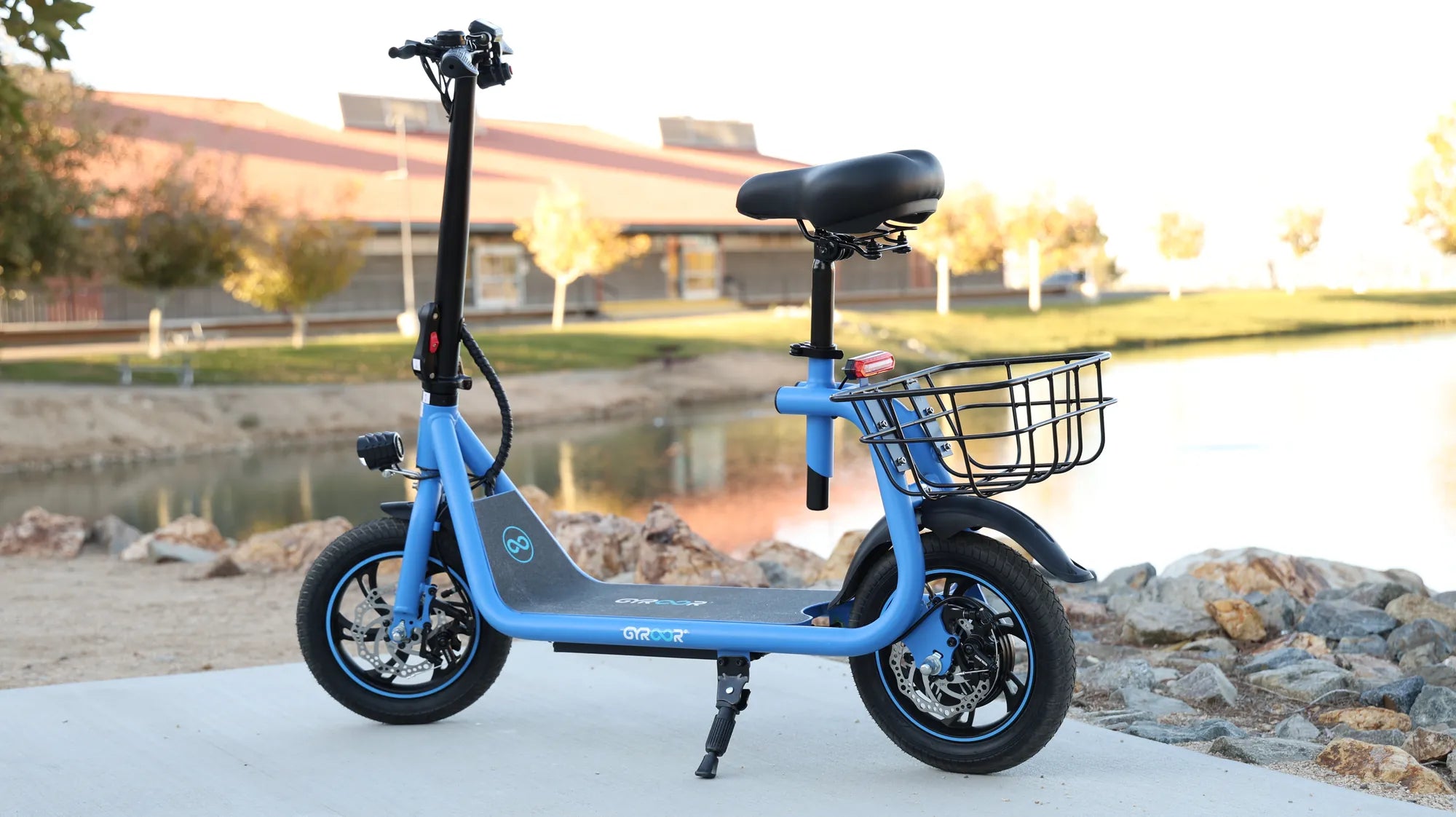
Introduction: Finding the Perfect E-Bike for Your Teen Rider
Choosing an e bike for a 14 year old boy is a decision that blends excitement with serious responsibility. The right electric bicycle can unlock a new level of independence, encourage outdoor activity, and teach valuable lessons about maintenance and road safety. However, navigating motor power, legal classifications, and build quality requires careful research.
This guide cuts through the marketing hype to deliver a factual, data-driven roadmap for parents. You will learn how to prioritize safety features, interpret local e-bike laws, and select a bike that matches your teen's size and riding environment. We'll analyze key components from motors to brakes and provide actionable steps for a successful purchase. The goal is to empower you with the knowledge to choose a reliable e-bike that promises fun without compromising on security.
Key Considerations Before You Buy
Purchasing an e bike for a 14 year old boy involves more than aesthetics and top speed. The foundational factors of safety, legality, and fit are non-negotiable and will determine the long-term success and safety of the riding experience. Ignoring these areas can lead to unsafe conditions or legal issues.
A systematic evaluation ensures the bike is a tool for growth, not a liability. Parents must become informed about the technical and regulatory landscape. This section breaks down the three pillars of a smart purchase decision before you ever look at a specific model or brand.
Safety as the Top Priority
For a teenage rider, safety engineering is paramount. The e-bike must have a reliable braking system; hydraulic or mechanical disc brakes offer superior stopping power in all weather compared to rim brakes. Integrated lighting—a bright front headlight and a rear brake light/taillight—is essential for visibility during dawn, dusk, or overcast days.
Frame construction should use durable, welded aluminum alloy to withstand the rigors of active use. Additionally, the purchase is incomplete without proper safety gear. A CPSC-certified helmet is mandatory, and gloves, knee pads, and elbow pads are highly recommended, especially for off-road or new riders. Safety is a system, not a single feature.
Understanding Local Laws and Regulations
E-bike legislation is not uniform and varies significantly by state, province, and even municipality. Most regions in North America adhere to a three-class system. Class 1 e-bikes provide pedal-assist only (no throttle) and assist up to 20 mph. Class 2 e-bikes have a throttle that can propel the bike without pedaling, also capped at 20 mph.
Class 3 e-bikes are pedal-assist only but can assist up to 28 mph. Many jurisdictions restrict riders under 16 or 18 to Class 1 and Class 2 e-bikes only. It is the parent's critical duty to verify local age restrictions, helmet laws, and where e-bikes are permitted (e.g., bike paths, roads). Non-compliance can result in fines and confiscation.
Matching the Bike to His Size and Skill Level
Physical fit is crucial for control and comfort. For a 14-year-old, frame sizes typically range from small to medium adult sizes, often corresponding to wheel diameters of 24" or 26". The correct size allows the rider to stand over the top tube with about 1-2 inches of clearance and results in a slight bend in the knee at the pedal's lowest position.
Motor power should align with skill. A new rider will benefit more from a manageable 350W-500W motor that offers help on hills without overwhelming torque. An experienced rider on private land might handle 500W-750W. The key is to match power to the rider's maturity and experience to prevent accidents caused by loss of control.
What to Look for in a Quality Teen E-Bike
Beyond the broad categories, specific components define a quality e-bike that is safe, durable, and user-friendly for a teenager. This section dissects the core subsystems, explaining what specifications matter and why. Investing in quality here translates to reliability, lower long-term costs, and greater peace of mind.
A well-built e-bike from a reputable brand uses proven components and adheres to higher manufacturing standards. This is evident in the battery certification, frame welding, and component selection. For a 14 year old boy, durability to handle active use is as important as performance.
Motor Power and Battery: Balanced Performance
A hub-drive motor in the 350W to 500W range is the sweet spot for most teen riders. It provides ample torque for moderate hills and accelerates briskly to the legal speed limit without being excessive. Mid-drive motors, while efficient, are often found on higher-end adult bikes and may be overkill for a first e-bike.
The battery is the heart of the system. Look for a battery pack that is UL 2271 or UL 2849 certified, like those used in Gyroor e-bikes, which undergo rigorous testing for safety and reliability. A removable battery is highly convenient for charging indoors. Range varies (15-40 miles), but a 36V/10Ah to 48V/10Ah battery offers a good balance of capacity and weight.
Build Quality and Durability for Active Use
The frame should be constructed from 6061 aluminum alloy, known for its strength-to-weight ratio. Check for clean welds and a lack of sharp edges. A front suspension fork (hardtail design) with 50-80mm of travel significantly improves comfort on uneven pavement and light trails.
Tires should be puncture-resistant with a moderate tread pattern for multi-surface use. A key durability feature is an IP water-resistance rating. An IPX5 rating, as found on many Gyroor models, means the electrical components are protected against water jets from any direction, making the bike capable of handling wet roads and light rain.
Control Systems and Ease of Use
The user interface must be intuitive. A backlit LCD display mounted on the handlebars should clearly show speed, battery level, pedal-assist level, and trip distance. Pedal-assist should have multiple levels (e.g., 1-5) allowing the rider to choose how much help they want.
If legal in your area, a thumb or twist throttle provides an easy start from a stop. The braking system should be responsive and require minimal hand strength; hydraulic disc brakes offer the most consistent performance with least effort. Easy-to-use controls build confidence and ensure the rider focuses on the path ahead.
Recommended E-Bike Styles for a 14-Year-Old Boy
E-bikes come in distinct styles designed for different terrains and use cases. Choosing the right style ensures the bike's capabilities align with where and how your teen will ride most often. The three most suitable categories for teenagers are commuter/hybrid, mountain (hardtail), and fat tire e-bikes.
Each style offers a unique blend of geometry, tire design, and features. Consider your teen's primary riding environment, their interest in adventure, and the need for practicality. The right style enhances the riding experience and safety for a specific context.
Commuter/Hybrid E-Bikes: For Neighborhoods and Paths
This is the most versatile and popular category for a teen's first e bike for a 14 year old boy. It features an upright riding position for good visibility and comfort, medium-width tires (1.75" - 2.2") that roll efficiently on pavement but handle packed gravel.
Practical accessories like fenders (to block spray), a rear rack (for a backpack), and integrated lights make it ideal for riding to a friend's house, on bike paths, or for casual exploration. These bikes prioritize ease of use, reliability, and everyday functionality over extreme off-road performance.
Mountain E-Bikes (Hardtail): For Off-Road Adventure
For the teen drawn to trails, parks, and natural terrain, a hardtail mountain e-bike is the choice. It features a front suspension fork with more travel (80-100mm), a more robust frame, and wider, knobby tires (2.2" - 2.6") for traction on dirt, roots, and rocks.
The geometry is more aggressive, putting the rider in a better position for climbing and descending. This style demands a greater emphasis on safety gear, including a full-face helmet for aggressive riding, and should be paired with instruction on trail etiquette and technical riding skills.
Fat Tire E-Bikes: For Stability and All-Terrain Fun
Fat tire e-bikes, with tires typically 4" wide or more, offer maximum stability, traction, and a unique look. They excel on loose surfaces like sand, snow, and mud, and their large contact patch inspires confidence for new riders on uneven ground.
The trade-off is increased weight and rolling resistance on smooth pavement, making them slightly less efficient for pure road use. They are an excellent choice for teens in rural areas, those who encounter varied terrain, or who simply prefer the ultra-stable, go-anywhere feel these bikes provide.
Parent's Checklist: Final Steps Before Hitting the Road
After selecting a potential model, a series of final checks and preparations are essential to ensure a smooth and safe start. This checklist transforms a purchase into a responsible launch of your teen's e-biking journey. It covers the physical fit, the full financial picture, and the establishment of ground rules.
Rushing these steps can undermine an otherwise well-researched purchase. Taking the time for a proper fit, budgeting for all essentials, and setting clear expectations is an investment in long-term safety and enjoyment for your 14 year old boy and your own peace of mind.
The Test Ride and Fit Assessment
Never buy an e-bike without a test ride. The rider should feel balanced and in control. Check the fit: with the ball of the foot on the pedal at its lowest point, there should be a 25-35 degree bend in the knee. The rider should be able to reach the handlebars comfortably without overstretching.
They should be able to operate the brake levers and gear shifters easily and firmly plant both feet on the ground when seated. Have them ride, brake, and turn in a safe area. Comfort and intuitive control during the test ride are the best indicators of a good fit.
Budgeting for the Full Package
The e-bike's sticker price is only part of the cost. A comprehensive budget must include essential safety gear (helmet, gloves, pads), a high-quality U-lock or chain lock, basic maintenance tools (tire levers, pump, multi-tool), and potentially a repair stand.
Factor in the value of a strong warranty. Brands like Gyroor offer a comprehensive 1-year warranty on the frame, motor, battery, and electronics, which provides significant long-term protection and reflects confidence in their product's durability. This full-package approach prevents unexpected expenses later.
Setting Rules and Riding Etiquette
Establish clear, non-negotiable rules before the first ride. These must include: always wearing a helmet, observing all traffic laws, respecting speed limits (using lower PAS levels in crowded areas), and defining approved riding zones (e.g., no main roads).
Teach shared-path etiquette: announcing passes (“On your left!”), yielding to pedestrians, and riding predictably. Model this behavior by riding together initially. These rules foster responsibility and respect for others, ensuring the e-bike is a positive addition to the community.
E-Bike Comparison: Key Models and Features
The table below compares general e-bike styles and highlights key features from Gyroor's lineup that align with the needs of a teenage rider. It illustrates how different designs prioritize various aspects like terrain capability, comfort, and practical features.
| E-Bike Style | Best For | Typical Tire Size | Key Features (Gyroor Examples) | Ideal Rider |
|---|---|---|---|---|
| Commuter/Hybrid | Paved paths, neighborhoods, errands | 24" / 26" x 1.95" | Upright geometry, integrated lights, fenders, UL-certified battery, IPX5 rating | The everyday explorer, social rider |
| Hardtail Mountain | Light to moderate trails, parks | 26" x 2.1" - 2.4" | Front suspension fork, disc brakes, knobby tires, robust frame | The adventurous teen seeking off-road fun |
| Fat Tire | Sand, snow, rough terrain, stability | 20" x 4.0" | Ultra-wide tires, high-torque motor, all-terrain capability, confident stance | The rider in varied climates or who values extreme stability |
Frequently Asked Questions (FAQs)
1. Is an e-bike safe for a 14-year-old?
Yes, when the correct precautions are taken. Safety hinges on selecting an age-appropriate e-bike (correct size, manageable power), ensuring it has quality safety features (disc brakes, lights), providing comprehensive safety gear, and through proper rider education on rules and etiquette. Parental supervision and gradual skill-building are key.
2. What is the appropriate speed for a teen's e-bike?
Most laws and safety experts recommend a maximum assisted speed of 20 mph (32 km/h) for younger teens. This is the limit for Class 1 and 2 e-bikes. Higher speeds (28 mph, Class 3) require greater maturity, reaction times, and are often illegal for riders under 16 or 18. Start with lower pedal-assist levels.
3. How far can he ride on a single charge?
Real-world range depends on battery capacity, rider weight, terrain, and assist level. A typical 36V/10Ah (360Wh) battery provides 15-25 miles, while a 48V/10Ah (480Wh) battery may offer 20-35 miles. Teaching your teen to use lower assist levels on flats will maximize range. Always start trips with a full charge.
4. What maintenance is required?
Regular maintenance is simple but crucial: keeping tires properly inflated, checking brake pad wear and brake function, ensuring all bolts are tight, keeping the chain clean and lubricated, and storing the bike (or battery) in a dry, temperate place. A basic monthly check by a parent or at a bike shop enhances safety and longevity.
5. Are Gyroor e-bikes a good option for teenagers?
Yes, Gyroor designs incorporate several features important for teen riders. Their use of UL-certified battery packs addresses critical safety concerns. The IPX5 water-resistant rating adds durability for real-world conditions. With a 1-year comprehensive warranty and a range of models from commuter to fat tire, they offer reliable options that balance performance, safety, and value for a 14 year old boy.
Conclusion: Empowering Responsible Adventure
Selecting the ideal e bike for a 14 year old boy is a meaningful investment in his independence, physical activity, and mechanical understanding. The journey culminates not with the purchase, but with the safe, joyful miles that follow. Success is measured by the confidence he gains and the peace of mind you retain.
This outcome is built on a foundation of informed choices: a bike with robust safety components, built to recognized quality standards like UL certification and IP ratings, and perfectly sized for control. It is reinforced by clear rules, quality safety gear, and ongoing parental engagement. When these elements align, the e-bike becomes more than a toy; it's a tool for responsible exploration and growth.
Ready to explore e-bikes designed with safety and durability for the next generation of riders? Browse the full Gyroor collection, featuring UL-certified batteries, IPX5 water-resistant designs, and a reliable 1-year warranty, at gyroorboard.com.
Foldable Ebike Reviews: The Ultimate Guide to Compact Electric Mobility
52V Ebike Charger: The Complete Guide to Power, Safety & Selection