

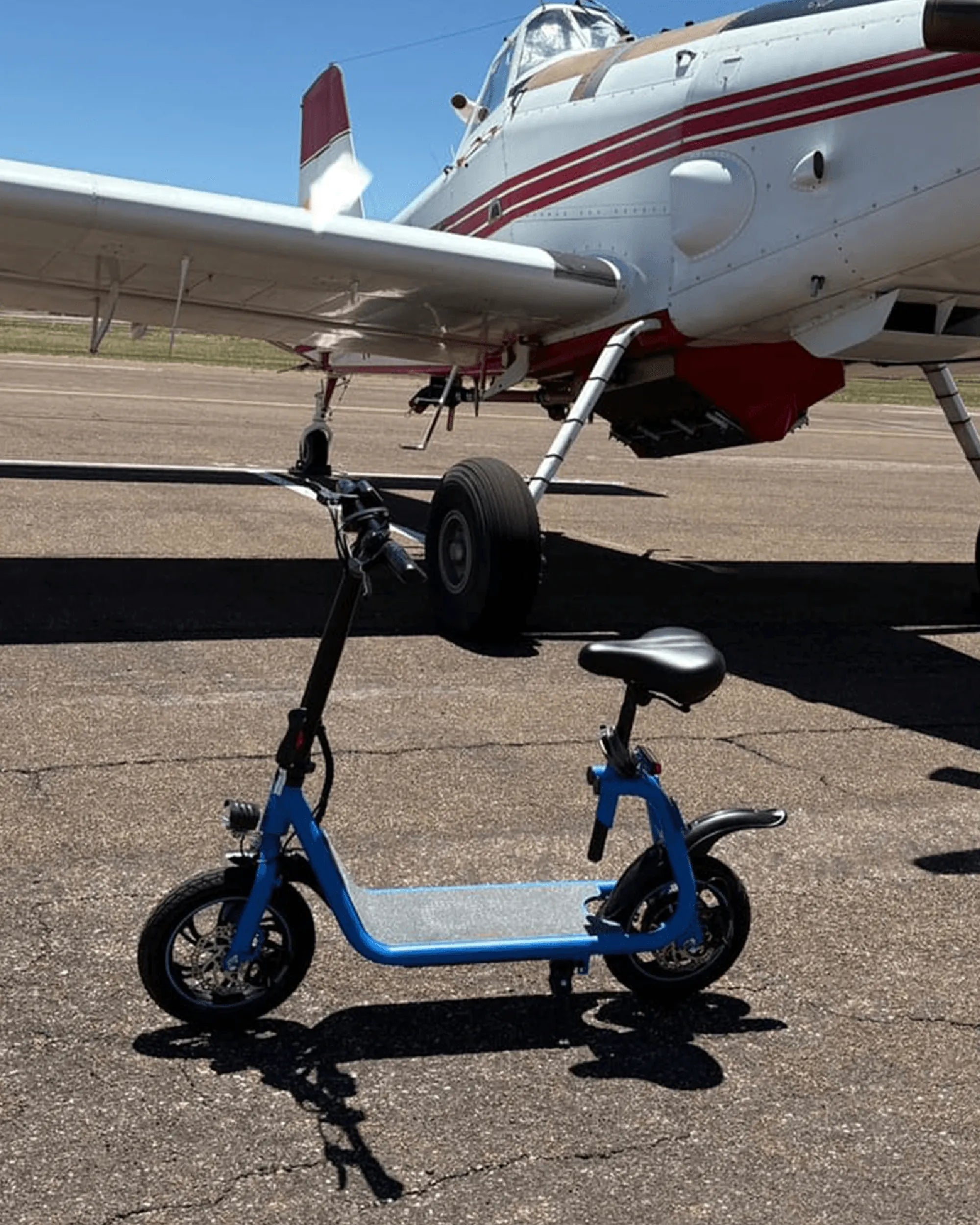
Choosing the right foldable electric bike requires moving beyond marketing claims to examine engineering, safety standards, and real-world usability. This definitive guide provides the analytical framework and specific criteria you need to conduct meaningful foldable ebike reviews. We'll dissect what separates a reliable daily companion from a compromised gadget, focusing on performance metrics, folding efficiency, durability benchmarks, and the crucial long-term support that protects your investment.
The Rise of the Foldable E-Bike: Redefining Urban Mobility
The foldable ebike represents a fundamental shift in personal transportation, solving the last-mile problem while integrating seamlessly with urban living. Its core value proposition is uncompromised electric assist power combined with unprecedented storage convenience. This duality makes it ideal for commuters navigating crowded trains, apartment dwellers with limited space, and anyone who values a flexible, car-free lifestyle.
Market adoption has surged as battery technology and compact motor design have advanced. Early models sacrificed power for portability, but contemporary designs offer robust performance. Leading manufacturers like Gyroor have engineered models that deliver hill-climbing torque and substantial range within a package that folds in seconds. This evolution has moved foldable ebikes from niche novelties to legitimate primary vehicles.
The appeal is fundamentally practical. A quality foldable ebike eliminates parking fees, reduces commute times in congested cities, and provides healthy, low-impact exercise. It bridges gaps between public transit stops and final destinations more effectively than a standard e-bike. The ability to store it under a desk, in a closet, or in a car trunk multiplies its utility, making electric mobility accessible where it wasn't before.
When conducting foldable ebike reviews, it's essential to start with this user-centric perspective. The best model isn't necessarily the most powerful or the smallest; it's the one that best balances performance, portability, and durability for your specific routine. This guide establishes the criteria to find that optimal balance.
What Makes a Great Foldable E-Bike? Key Review Criteria
Effective foldable ebike reviews must evaluate several interconnected systems. Performance, portability, construction, and comfort cannot be assessed in isolation. A bike with a powerful motor is useless if its folding hinge fails, and a ultra-compact frame is a liability if it provides a jarring, uncomfortable ride. This framework ensures a holistic assessment.
First, establish the primary use case: intense daily commuting, leisurely weekend rides, or multi-modal travel involving buses and trains. This dictates priority weighting for each criterion. A train commuter will prioritize folded dimensions and weight above all else, while a daily rider might value motor power and suspension more highly. Objective reviews always contextualize specs against intended use.
Second, prioritize verified data over promotional language. Look for independent tests of range, measurements of folded size, and details on warranty coverage. Brands that transparently list battery certification (like UL), frame material grade, and IP water resistance ratings demonstrate confidence in their engineering. This transparency is a key indicator of quality.
Finally, consider the ecosystem. Does the brand offer accessible customer support and spare parts? Is the bike designed with user-serviceable components like tires and brakes? A product's long-term value is determined as much by its support network as by its initial specs. These criteria form the pillars of any serious evaluation.
Performance & Power Systems: Beyond Wattage Numbers
Motor performance is about real-world application, not just peak wattage. A 500W motor with high torque output at low speeds will climb steep hills more effectively than a 750W motor optimized for top speed. Reviewers should note the motor type (hub-drive vs. mid-drive) and its placement. Rear hub motors are common and provide direct drive, while some advanced folders use mid-drive motors for better weight distribution and hill climbing.
The battery is the heart of the system. Its quality dictates range, longevity, and safety. In foldable ebike reviews, the battery's certification is non-negotiable. UL-certified battery packs, like those used across Gyroor's lineup, undergo rigorous testing for thermal stability, short-circuit protection, and durability over 500+ charge cycles. This certification is your primary assurance against fire risk and premature failure.
Real-world range is the critical metric. Manufacturers often list a "maximum" range under ideal conditions (eco mode, flat terrain, lightweight rider). A trustworthy review will estimate a "typical" range for mixed use with moderate assist. Factors like rider weight, hill frequency, tire pressure, and temperature significantly impact this number. A quality 48V 10Ah battery should deliver 20-35 miles of realistic commuting range.
Control systems matter. A responsive pedal assist sensor (cadence or torque) and a intuitive display that shows speed, battery level, and assist mode greatly enhance the riding experience. Look for models with multiple assist levels, allowing you to balance exercise and battery conservation. The integration of these systems—how smoothly power delivers when you pedal—is a hallmark of refined engineering.
Portability & Folding Mechanism: Engineering for Convenience
The folding mechanism is the defining feature. It must be simple, fast, and utterly reliable. The best designs use a primary latch on the main frame hinge, often supplemented by a secondary safety lock. The process should require no tools and be achievable in under 15 seconds with practice. Mechanisms that are overly complex or require excessive force will become a daily frustration.
Folded dimensions and weight are practical constraints. Key measurements are folded height, length, and width. An ideal commuter folder collapses to a near-cubic shape for efficient storage. Weight is equally crucial; most quality aluminum-frame folders weigh between 40-65 lbs. Lighter bikes are easier to carry up stairs, but weight often correlates with battery size and motor power, creating a trade-off.
Rollability when folded is a premium feature. Some models allow the folded bike to be tilted and rolled like wheeled luggage using the saddle or handlebar as a trolley handle. This feature is invaluable for navigating train stations or airport terminals, effectively eliminating the need to carry a heavy bike. Reviewers should test this function on various surfaces.
Sturdiness when unfolded is paramount. The bike must feel completely rigid during riding, with no discernible flex or play at the folding joints. High-quality hinges use robust locking pins and reinforced interfaces. A telltale sign of poor design is a frame that "shudders" over bumps. The mechanism must inspire absolute confidence, as it is a critical structural component.
Build Quality & Durability: Materials and Craftsmanship
The frame material sets the foundation. Aerospace-grade 6061 aluminum alloy is the standard for quality folders, offering an excellent strength-to-weight ratio and corrosion resistance. Reviewers should examine weld quality—clean, even welds indicate precise manufacturing. The paint or powder coating should be thick and even, providing protection against chips and scratches.
Component selection reveals a brand's priorities. Look for reputable names in braking (e.g., mechanical or hydraulic disc brakes), gearing (Shimano or SRAM derivatives), and tires (puncture-resistant layers are a plus). While folders may use some proprietary parts, critical safety components like brakes should be from known manufacturers or of demonstrably equal quality.
Water and dust resistance is a major durability factor. An IPX5 water-resistant rating, a standard feature on Gyroor e-bikes, means the electrical components can withstand low-pressure water jets from any direction. This protects the motor, display, controller, and battery connectors from rain, puddles, and road spray. For a vehicle designed for daily, all-weather use, this is not a luxury but a necessity.
Long-term durability testing involves assessing stress points. These include the folding hinge, the stem clamp, the seat post clamp, and any quick-release mechanisms. Components should adjust smoothly and lock securely without constant re-tightening. A bike that feels solid and rattle-free on day one should maintain that integrity after months of daily folding, unfolding, and riding.
Ride Comfort & Handling: The On-Road Experience
Suspension mitigates urban terrain. Front fork suspension absorbs impacts from cracks and potholes, reducing fatigue. Some models add a suspension seat post or even rear suspension for greater comfort. The trade-off is added weight and complexity. For smooth bike paths, suspension may be less critical; for broken city streets, it's a significant comfort upgrade.
Tire choice profoundly affects ride quality. Larger diameter tires (20" is common) roll over obstacles more easily than smaller ones. Pneumatic (air-filled) tires provide inherent cushioning and better traction than solid rubber tires. Look for tires with a moderate tread pattern—slick for pavement, light tread for mixed paths. Proper tire pressure is the simplest and most effective comfort adjustment.
Geometry and adjustability ensure a proper fit. The handlebar height and reach, along with seat height and fore/aft position, should be adjustable to fit a range of rider sizes. An ergonomic saddle and grips make longer rides pleasant. A bike that forces a cramped or overly upright posture will be uncomfortable over distance. Good handling stems from a balanced wheelbase and predictable steering.
Integrated features enhance usability. Built-in lighting (powered by the main battery) is a significant safety and convenience advantage over add-on lights. Rear racks, fenders, and bell are practical commuter essentials. The best foldable ebike reviews consider how these features integrate into the overall design without interfering with the folding function or adding excessive bulk.
Navigating the Market: A Data-Driven Comparison of Folder Types
The foldable e-bike market segments into distinct categories, each optimized for different priorities. The table below provides a high-level comparison to guide your initial research. Remember, these are general ranges; specific models may exceed or fall short of these averages.
| Category | Typical Price Range | Avg. Motor Power | Avg. Range | Folded Size (LxWxH approx.) | Weight | Best Use Case | Key Trade-offs |
|---|---|---|---|---|---|---|---|
| Ultra-Compact Commuter | $800 - $1,500 | 250W - 350W | 15-25 miles | 30" x 15" x 20" | 35-45 lbs | Multi-modal transit, tight apartment storage | Smaller wheels, less power, minimal suspension |
| Standard Commuter Folder | $1,200 - $2,200 | 500W - 750W | 20-40 miles | 35" x 18" x 25" | 45-60 lbs | Daily city commuting, errands, leisure rides | Heavier, requires more storage space |
| Performance/Off-Road Capable | $2,000 - $4,000+ | 750W - 1000W+ | 30-50 miles | 40" x 20" x 30" | 55-70 lbs | Mixed terrain, trail riding, demanding hills | Bulkier fold, high weight, premium price |
This comparison highlights inherent compromises. The ultra-compact model excels in portability but often uses smaller 16" wheels and lower-power motors, which can affect ride stability and hill-climbing ability. The standard commuter folder, representing a broad middle ground, typically uses 20" wheels and more powerful motors, offering a better balance for the average urban rider.
The performance category pushes the boundaries of what a folding bike can do, incorporating full suspension, high-torque motors, and larger batteries. However, the fold becomes more of a storage solution than a daily portability feature due to the increased weight and bulk. Your choice depends on which column—"Folded Size" or "Avg. Motor Power/Range"—is non-negotiable for your needs.
Beyond these categories, pay attention to the "Key Trade-offs" column. There is no magic bike that leads every metric. A honest foldable ebike review will clearly articulate these trade-offs, helping you identify which compromises you are willing to accept for the features you value most. This realistic perspective is more valuable than any single spec sheet.
Spotlight on Reliability: Why Post-Purchase Support Matters
Technical specifications capture the bike's potential, but long-term ownership satisfaction is determined by reliability and support. A bike with slightly lower peak power but backed by a robust warranty and accessible service network often provides better value than a high-spec model from a company with poor customer support. This dimension is critical for a product with mechanical and electrical components.
Reliability is engineered through component choice, assembly quality, and protective features. Brands that invest in UL-certified batteries, IP-rated water resistance, and quality-controlled manufacturing processes build products meant to last. These features reduce the likelihood of failures, but when issues do arise—as with any complex product—the manufacturer's response defines the ownership experience.
Consider the logistics of support. A brand with U.S.-based service centers or a streamlined process for shipping replacement parts can resolve issues in days, not weeks. For a commuter relying on their e-bike for daily transportation, this speed is crucial. Support accessibility should be a weighted factor in any final purchasing decision, often rivaling the importance of motor power.
The 1-Year Comprehensive Warranty Explained
A comprehensive warranty is a contract that covers the majority of the bike's components against defects in materials and workmanship. It should explicitly include the frame, motor, battery, controller, and display for a minimum of one year. The frame warranty is often longer (2-5 years for reputable brands), reflecting confidence in its structural integrity.
Beware of limited or segmented warranties that offer only 90 days on the battery or six months on the motor. These short periods are red flags, indicating the manufacturer anticipates potential failures. A strong warranty, like the 1-year comprehensive coverage offered by Gyroor, demonstrates a commitment to standing behind the product. It transfers risk from the rider back to the company.
The warranty process itself must be practical. Does it require the buyer to ship the entire bike at great expense, or can authorized local shops handle repairs? Are common wear items like tires, tubes, and brake pads (rightfully) excluded? Clear, accessible warranty terms are a sign of a customer-focused company. This protection is a key part of the product's total value proposition.
The Real-World Value of IPX5 Water Resistance
The IPX5 rating is a specific, tested standard, not a marketing term. It means the bike's electrical enclosures can withstand water projected by a nozzle (6.3mm) from any direction without harmful effects. In practice, this equates to riding in heavy rain, through deep puddles, or being sprayed by a wet road. It's a guarantee that a typical storm won't leave you with a dead bike.
This protection directly impacts long-term durability and maintenance costs. Water ingress is a primary cause of electrical corrosion, connector failure, and motor damage. By preventing this, an IPX5 design significantly extends the lifespan of the bike's most expensive components. It allows for true all-weather utility, making the bike a dependable tool rather than a fair-weather toy.
For brands like Gyroor, which build this rating into their designs, it reflects a philosophy of real-world readiness. When reading foldable ebike reviews, note whether water resistance is mentioned. Its absence is a notable omission for a vehicle designed for urban commuting, where encountering wet conditions is inevitable. This feature is a cornerstone of dependable, low-maintenance ownership.
Frequently Asked Questions (FAQ)
Q: How heavy are foldable e-bikes, and can I easily carry one?
A: Most quality models weigh between 40-65 lbs. The lighter end (40-50 lbs) is manageable for carrying up a flight of stairs or loading into a car trunk for short distances. Many models in the 50-65 lb range focus on features like larger batteries and motors, making them powerful but less portable. The key feature to look for is rollability; a bike that can be rolled when folded dramatically reduces the need for carrying.
Q: Is the folding mechanism reliable over time, or does it get loose?
A> A well-engineered mechanism using hardened steel locking pins and robust latches should remain secure for years. The hinge points often have adjustable tension or wear-compensating designs. Mechanisms that feel solid and precise when new, with no side-to-side play, are likely to hold up. User maintenance—keeping hinges clean and occasionally checking bolt torque—can ensure longevity. This is a critical point to assess in long-term foldable ebike reviews.
Q: Can a foldable e-bike handle hills and rough city streets?
A> Yes, but capability varies. A bike with a 500W+ motor and adequate torque will handle moderate hills (7-10% grade) with pedal assist. For steeper hills, look for high-torque motors or mid-drive systems. For rough streets, front suspension and larger pneumatic tires (20") are essential. While not a full-suspension mountain bike, a well-equipped folder is more than capable of typical urban pavement imperfections.
Q: How important is the brand's warranty and where are they based?
A> It is critically important. A strong warranty (1-year comprehensive) protects your investment. The brand's location matters for support speed and cost. A brand with U.S.-based support and service infrastructure, like Gyroor, can typically provide faster parts delivery and clearer communication than a direct-from-overseas seller with no local presence. This support network is a key component of product value and owner peace of mind.
Q: What's the real-world range I can expect on a single charge?
A> Take the manufacturer's "max" range and apply a 30-40% reduction for realistic conditions. A bike advertised for 40 miles will typically achieve 25-30 miles with moderate pedal assist, some hills, and average rider weight. Factors that reduce range include cold weather, high assist levels, frequent stops/starts, low tire pressure, and headwinds. For a reliable commute, choose a bike whose *realistic* range comfortably exceeds your round-trip distance.
Folding Your Needs into the Perfect Choice
Selecting the ideal foldable e-bike is an exercise in informed prioritization. The perfect model for you exists at the intersection of your required performance, acceptable folded size, comfort demands, and a brand you trust to support the product. Use the criteria outlined here—performance systems, portability mechanics, build durability, and ride quality—as a checklist to evaluate any model you consider.
Remember that the most expensive bike isn't automatically the best, nor is the lightest always the most practical. Value is found in the harmonious integration of features that match your lifestyle. A commuter needs reliability and weather resistance; a multi-modal traveler needs compactness and rollability. Let your specific use case dictate which specs you prioritize highest in your personal foldable ebike reviews.
Investing in a foldable ebike from a reputable brand with proven safety standards (UL-certified batteries), durable construction (IPX5 rating), and strong customer support is an investment in years of convenient, enjoyable, and sustainable mobility. It's a tool that can transform your daily routine, reduce transportation costs, and contribute to a more active life.
Ready to explore a range of e-bikes engineered with these principles in mind? Browse the full Gyroor collection, featuring UL-certified batteries, IPX5 water-resistant designs, and a comprehensive 1-year warranty, at gyroorboard.com. Discover the model that folds seamlessly into your journey.
What is the Most Powerful Ebike? A Data-Driven Guide to Ultimate Performance
E Bike for 14 Year Old Boy: The Complete 2024 Parent's Guide