

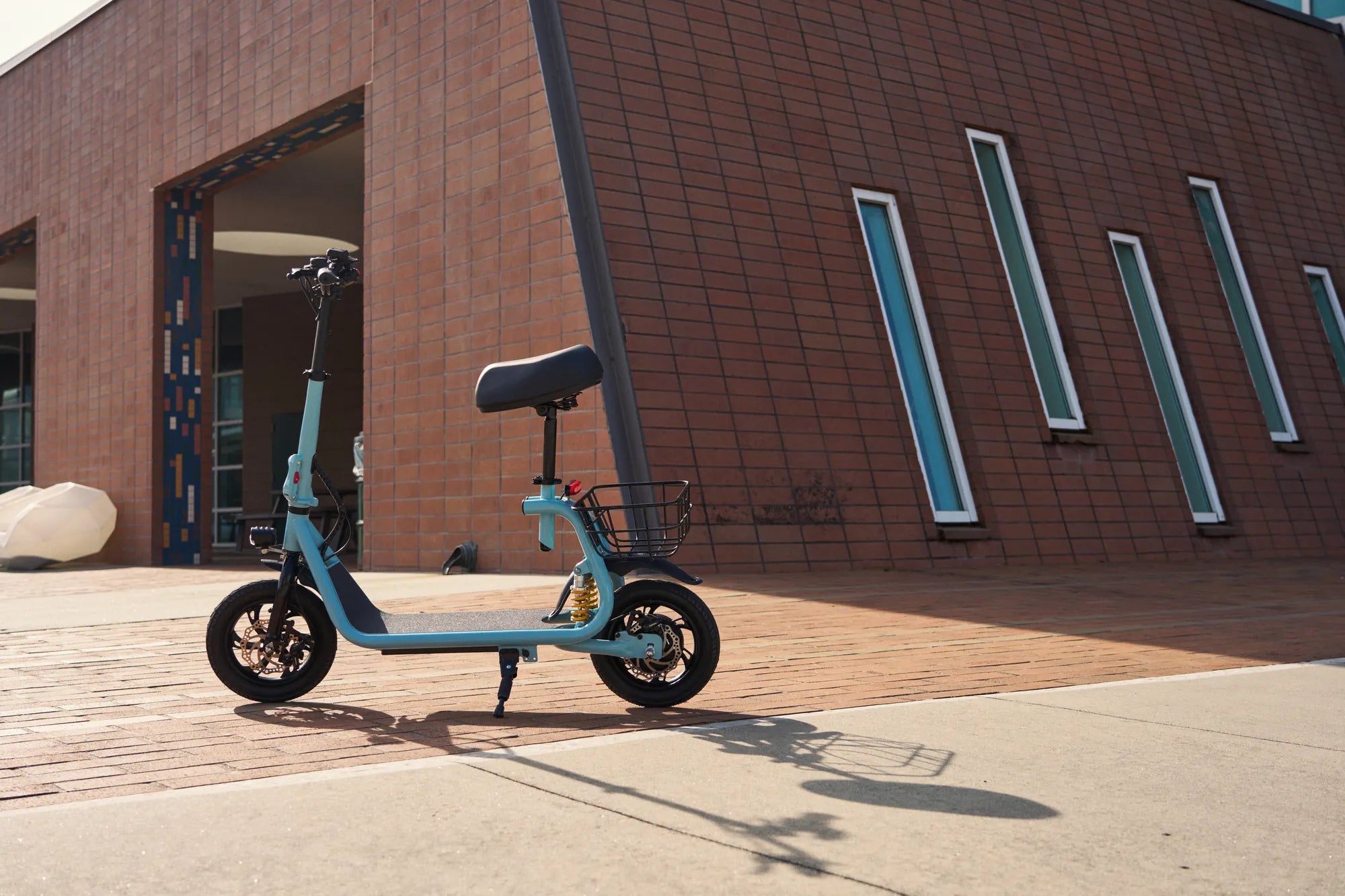
Finding an e-bike for parents isn't about adding another gadget to the garage; it's about solving the core puzzle of modern family life. How do you manage school runs, grocery trips, and weekend adventures without being chained to a car schedule? The right electric bicycle offers a powerful solution, merging practical transport with outdoor activity and genuine family connection. This guide will provide a detailed, data-driven roadmap for selecting and using an e-bike that fits your family's unique rhythm, prioritizing safety, versatility, and long-term value. You'll learn which features matter most, how to navigate logistics, and why this investment pays dividends in time, health, and memories.
Why an E-Bike is a Transformative Tool for Modern Parenting
The daily routine for many parents is a complex web of drop-offs, pick-ups, errands, and the constant search for quality family time. An e-bike for parents directly addresses these pain points by offering a faster, more enjoyable, and car-free alternative for short to medium-distance trips. Studies show that the average school run in urban areas is under 3 miles, a distance perfectly suited for electric assist cycling.
Beyond logistics, the benefits are multifaceted. Physically, it integrates low-impact exercise into a packed schedule. Mentally, it reduces the stress of traffic and parking. For children, it normalizes active transportation and provides shared outdoor experiences. Financially, it can significantly cut fuel, parking, and car maintenance costs. The key differentiator from a standard bike is the electric assist, which levels hills, carries heavy loads, and ensures you arrive at your destination sweat-free and ready for the next task.
When evaluating an e-bike for parents, the core question shifts from pure performance to holistic utility. It's not just about top speed or range, but about how seamlessly the bike integrates into the chaos of family life. Can it carry a week's groceries or a sleepy child? Is it stable and secure when loaded? Can it be used by more than one adult in the household? These are the parameters that define a successful family e-bike.
Brands that understand this family-focused market, like Gyroor, design with these specific needs in mind. With over 100,000 riders trusting their products across North America and Europe, the emphasis is on reliable, safe, and practical solutions that stand up to daily use. The peace of mind from features like UL-certified batteries and a robust 1-year warranty is not a minor detail for a parent; it's a prerequisite.
Critical Features to Prioritize in a Parent's E-Bike
Choosing an e-bike for parents requires looking beyond glossy brochures to the engineering and design elements that ensure safe, stable, and practical family use. The priority list differs significantly from that of a solo commuter or a performance enthusiast.
1. Frame Geometry and Stability
The foundation of safety is a stable frame. Look for a longer wheelbase and a low center of gravity, which dramatically improves handling when the bike is loaded with cargo or a child. Step-through or low-step frames are highly recommended, as they allow easy mounting and dismounting while holding a child or wearing a backpack. Aluminum alloy frames offer a good balance of strength, durability, and weight.
2. Motor Power and Torque for Loads
A motor's wattage is less important than its torque (measured in Newton-meters, Nm). Torque is the rotational force that gets you moving from a stop and powers up hills. When carrying an extra 50-100 lbs of child and gear, sufficient torque is non-negotiable. A mid-drive motor, which powers the cranks, often provides better weight distribution and hill-climbing efficiency under load compared to some hub motors.
3. Battery Range and Real-World Calculations
Manufacturer range estimates are typically for a lightweight rider on flat ground. Parents must derate this figure. Carrying weight, using higher assist levels on hills, and frequent stops/starts will consume more power. A robust rule is to choose a bike with a stated range at least 50% greater than your longest intended round trip. For example, if your school run loop is 10 miles, seek a bike with a 15+ mile minimum range. Gyroor models, with their UL-certified battery packs tested for 500+ charge cycles, ensure consistent, safe performance over the long term.
4. Integrated Cargo and Child Systems
The ability to securely attach cargo is paramount. Key systems include: a sturdy rear rack rated for at least 55 lbs; mounting points for front or mid-mounted baskets or cargo platforms; and standardized attachment points for child seats (like the ISO 13216 standard, often called "Mountain" or "GP" style). Integrated systems are always more secure than add-ons that clamp to seat posts.
Safety First: Non-Negotiables for Riding with Kids
Safety is the absolute top priority when using an e-bike for parents. This extends beyond personal riding skill to the bike's equipment, your gear, and your child's security.
Bike Safety Systems: Dual hydraulic disc brakes are essential for consistent, powerful stopping power in all weather conditions, especially with added weight. Integrated, always-on lighting is a must—a bright front headlight, a rear brake light, and side reflectors. A comprehensive lighting system ensures you are seen during early morning or evening rides. Fenders protect both rider and passenger from road spray.
Child-Specific Safety: If carrying a child on the bike itself, a commercially manufactured, properly mounted child seat is the only safe option. The child must wear a properly fitted bicycle helmet (not a toy helmet) that meets CPSC safety standards. The seat must have a high back, a five-point harness, and foot guards to prevent little feet from reaching into the spokes. For younger children or heavier loads, a dedicated bike trailer with a safety flag and a roll cage is often the safest choice.
Rider Preparedness: Parents should invest in a high-quality helmet, consider a rearview mirror attached to the handlebar or helmet, and use high-visibility clothing. Practice riding the loaded e-bike in a safe, empty parking lot before hitting the streets. Familiarize yourself with the weight and braking distance. Always perform a quick pre-ride check of tires, brakes, and lights.
This layered approach to safety—a capable bike, secure child seating, and alert, geared-up riding—creates a secure environment for family travel. Brands that prioritize this, such as Gyroor with their IPX5 water-resistant designs that protect electrical components from puddle splashes, demonstrate an understanding of real-world family riding conditions.
Cargo and Kid-Carrying Solutions Compared
Selecting how to transport your child and cargo is a fundamental decision. Each method has distinct advantages, weight limits, and age recommendations.
| Solution | Best For | Typical Weight Limit | Age/Weight Guidelines | |
|---|---|---|---|---|
| Rear-Mounted Child Seat | Quick trips, older toddlers/preschoolers. | 40-55 lbs | ~12 months to 5 years (check seat spec) | Child interacts with you; affects bike balance; requires a sturdy rear rack. |
| Front-Mounted Child Seat | Younger toddlers, closer supervision. | 33-40 lbs | ~9 months to 3 years | Keeps child in view; can make steering feel heavier; often incompatible with step-through frames. |
| Bike Trailer | Infants, multiple children, long rides, cargo. | 75-100 lbs per trailer | Infant sling from ~6 mos; then to ~6 years | Most stable and protective; converts to stroller; wider footprint; requires secure hitch. |
| Longtail Cargo Bike / Box Bike | High-volume cargo, 2+ children, daily car replacement. | 300-400+ lbs total | Multiple children of various ages | Ultimate utility; high initial cost; less maneuverable in tight spaces. |
| Panniers & Baskets | Groceries, school bags, daily errand cargo. | 20-50 lbs per bag/basket | For cargo, not children | Keeps weight low and centered; essential for balancing loads. |
For most families starting out, a combination of a robust rear rack, a high-quality rear child seat, and a set of panniers offers a versatile and cost-effective setup. This allows you to carry a child, groceries, and a diaper bag simultaneously. Always, without exception, adhere to the manufacturer's stated weight limits for both the e-bike and the accessory.
Choosing Your Family's Perfect E-Bike: A Use-Case Guide
The "best" e-bike for parents varies dramatically based on primary use case, terrain, and family size. Here’s a breakdown to guide your decision.
The Urban Commuter & School Run Specialist
This e-bike is optimized for pavement, daily errands, and predictable routes. Key features include an agile frame for navigating traffic, an integrated rear rack and front basket, full fenders, and integrated lighting for all-weather readiness. A mid-drive motor can offer better efficiency for stop-and-go city riding. The goal is to replace a high percentage of car trips under 5 miles. Look for a model with a belt drive (for minimal maintenance) or a well-enclosed chain.
The Adventure-Ready Family Explorer
For families who want to hit park paths, gravel trails, or gentle off-road routes on weekends, this e-bike prioritizes comfort and capability. Features include a front suspension fork (or full suspension for rougher trails), slightly wider tires (2.2" to 2.6") for stability and traction, and a powerful motor with high torque for hills. Mounting points for a trailer are essential. The IPX5 water-resistant rating found on brands like Gyroor is crucial here for handling puddles and light rain during family adventures.
The Ultimate All-Rounder for Growing Families
This is the workhorse, designed to adapt as your family's needs change. It starts as a grocery-getter, becomes a kid-carrier, and evolves into a solo fitness machine. It requires a supremely durable frame, a high total system weight capacity (300+ lbs), massive versatility in mounting points (racks, baskets, seats), and a reliable, serviceable motor and battery system. This is where long-term value and a strong warranty, like Gyroor's 1-year comprehensive warranty, become critical purchasing factors.
Practical Logistics: Making the Transition to Family E-Biking
Successfully integrating an e-bike for parents into your life requires some upfront planning. These practical steps will ensure a smooth start.
Route Planning: Before your first trip with a child, scout the route alone. Seek out bike lanes, quiet neighborhood streets, and multi-use paths. Apps like Google Maps (bike mode) or Komoot can help. Avoid high-speed, high-traffic roads whenever possible. Identify safe places to stop if needed.
Practice Runs: Load the bike with weight equivalent to your child and cargo (use bags of flour or pet food) and practice in a safe area. Get a feel for starting, stopping, turning, and balancing at low speeds. Practice using the gears and assist levels while loaded.
Child Introduction: For young children, make the first few rides short, fun, and destination-oriented (e.g., to a park). Ensure they are warmly dressed and secure. Talk to them during the ride to keep them engaged and calm. Always use a helmet they find comfortable.
Storage and Security: An e-bike is a significant investment. Factor in secure home storage—a garage, shed, or ground-floor apartment. For on-the-go security, use a high-quality U-lock (from brands like Kryptonite or Abus) through the frame and rear wheel, plus a cable lock for the front wheel. Never rely on a simple cable lock alone. Consider insurance or adding it to your homeowner's/renter's policy.
Maintenance Essentials for the Busy Parent
Regular, simple maintenance ensures safety, reliability, and longevity of your e-bike for parents. Create a quick pre-ride checklist (T-CLOCS: Tires, Chain, Lights, Oil/Brakes, Cassette/Drivetrain, Screws).
Weekly/Monthly: Check tire pressure (crucial for handling and efficiency; use a gauge). Inspect brake pads for wear and test brake function. Wipe down the bike, especially after wet or salty rides, to prevent corrosion. Check that all bolts (on racks, seats, baskets) are tight.
Seasonal/Professional: Have a certified bike mechanic perform an annual tune-up. They will check bearing adjustments, true the wheels, deep-clean and lubricate the drivetrain, and perform a full safety inspection on the brake and electrical systems. For e-bikes, it's wise to have the battery contacts and motor connections checked by a professional familiar with the system.
The reliability of core components reduces maintenance anxiety. Gyroor's use of UL-certified battery packs, for instance, means the most critical and sensitive component meets rigorous safety and durability standards, giving parents one less thing to worry about.
Frequently Asked Questions for E-Bike Parents
1. What is the safest way to carry a toddler on an e-bike?
The safest method is a dedicated, commercially manufactured bike trailer that includes a five-point harness and a roll cage. For on-bike seating, a rear-mounted child seat that is securely bolted to a frame-mounted rear rack (not just the seat post) is the next safest option. The child must always wear a CPSC-certified helmet, and you must never exceed the seat's and bike's weight limits.
2. Are e-bikes too powerful or fast to ride safely with children?
Not inherently. Most e-bikes for parents are Class 1 or Class 2, meaning the motor assists only up to 20 mph. The key is rider responsibility. Use lower assist levels when carrying precious cargo, obey all traffic laws, and ride at a speed that allows for safe stopping and maneuvering. The power is there to help with hills and loads, not to encourage high-speed riding with children on board.
3. How do I calculate real-world range when carrying my child and gear?
Use this formula: Take the manufacturer's stated range (usually for a 160-lb rider on eco mode). Reduce it by 1% for every pound over that rider weight you are carrying (rider + child + cargo). Then, reduce it by another 20-30% for factors like hills, wind, and stop-and-go riding. For example, a 180-lb rider + 35-lb child + 10-lb gear = 225 lbs total, or 65 lbs over baseline. That's a 65% reduction from weight alone. A 40-mile stated range becomes roughly 14 miles before applying the 20-30% terrain factor, resulting in a conservative real-world range of 10-12 miles.
4. Can my partner and I share one family e-bike?
Yes, if the bike has key adjustable components. Look for a seat post with a wide adjustment range and an adjustable or swap-able stem/handlebar to accommodate different rider heights. A step-through frame makes this easier. However, if there is a significant size difference, it may be more comfortable and safe for each adult to have their own properly sized e-bike.
5. What does a comprehensive warranty, like Gyroor's 1-year warranty, typically cover for family use?
A strong warranty should cover defects in materials and workmanship for the frame, motor, battery, and electronic controller for the specified period. This is vital for family use, which can be demanding. It means if a component fails under normal use (not from a crash or misuse), it will be repaired or replaced. Always read the warranty terms to understand what is excluded (e.g., wear items like tires and brake pads, damage from improper maintenance).
Investing in Family Connection and Freedom
The decision to integrate an e-bike for parents into your family's life is an investment that yields returns far beyond financial savings. It's an investment in reclaiming time—transforming stressful, sedentary car trips into active, shared journeys. It's an investment in health, weaving physical activity into the fabric of your daily routine. Most importantly, it's an investment in connection, creating a shared sense of adventure and discovery that forms the bedrock of childhood memories.
By prioritizing safety-focused features, realistic cargo capacity, and durable construction from a trusted brand, you are not just buying a vehicle; you are enabling a new, more engaged and sustainable family lifestyle. The open road, the park path, and the quiet neighborhood street become avenues for exploration and togetherness.
Ready to explore how an e-bike can transform your family's daily routine? Begin your journey by examining models built for real-world family demands. Browse the full Gyroor collection, featuring UL-certified, reliable e-bikes designed for safety and adventure, at gyroorboard.com.
55 MPH Ebike: The Ultimate Guide to Speed, Legality & High-Performance Rides
Do You Need a Driver's License for a Scooter? The Complete 2024 Guide