

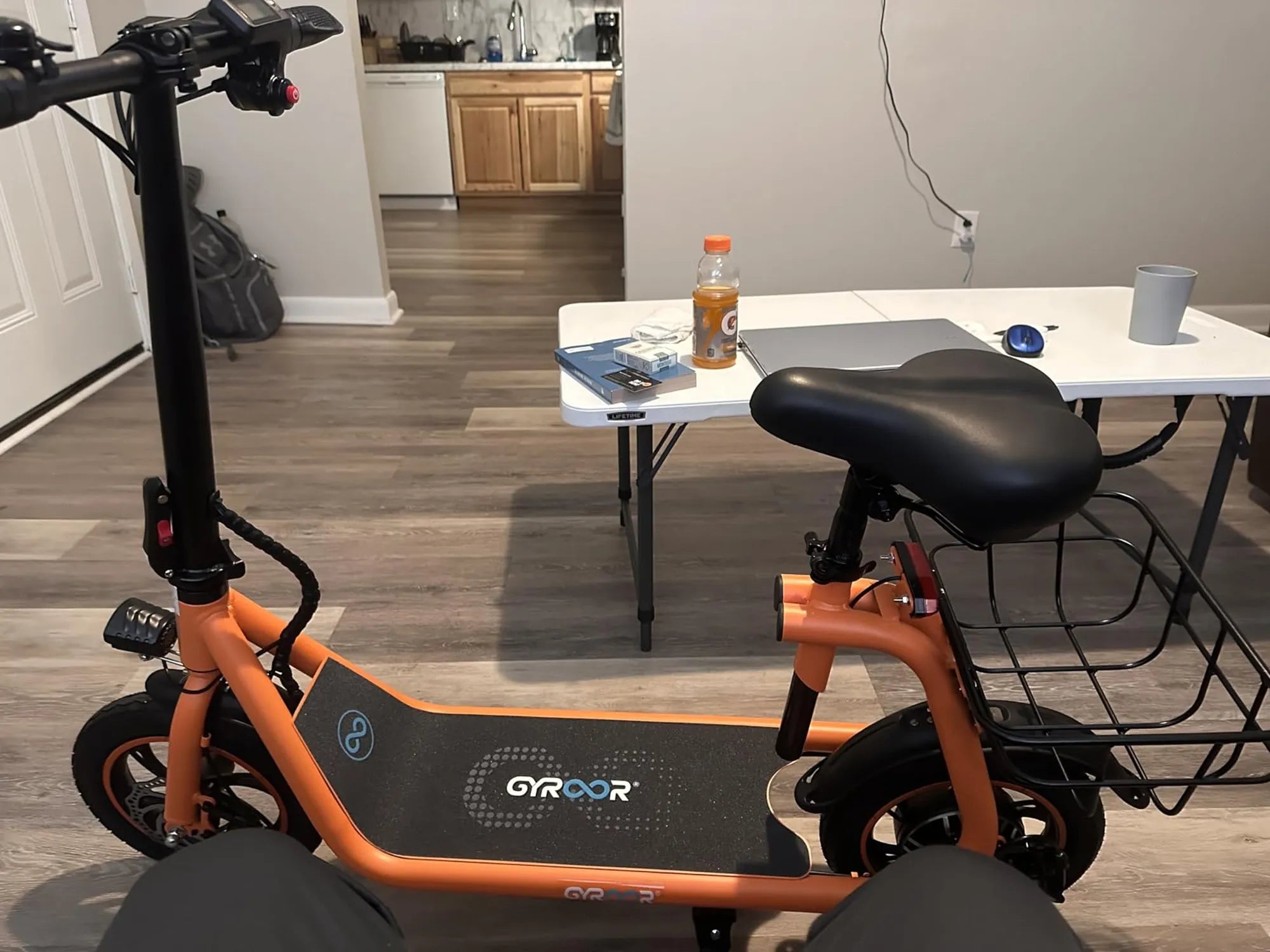
Introduction to E-Bike Safety Regulations
Navigating e-bike safety regulations is the first step to becoming a responsible and secure rider. These rules form a multi-layered framework designed to protect you, your fellow road and trail users, and your investment. Understanding this framework is non-negotiable for legal compliance, maximizing enjoyment, and ensuring the long-term reliability of your electric bicycle.
E-bike safety regulations encompass federal product safety standards, state-level operational laws, and often local municipal ordinances. They define where you can ride, how fast you can go, what safety features your bike must have, and what protective gear you may be required to wear. Ignorance of these laws can lead to fines, confiscation of your vehicle, or, more critically, an increased risk of accidents.
For manufacturers and informed consumers, adherence to recognized industry safety benchmarks is equally crucial. These standards, such as UL certification for electrical systems, are your assurance that the e-bike has been rigorously tested for hazards like electrical fires or battery failure. As a rider, your safety is a partnership between your knowledge, your practices, and the inherent safety of the machine you choose.
This guide will demystify e-bike safety regulations, providing a clear roadmap from federal classifications to local helmet laws. We will explore how leading brands like Gyroor build compliance and safety into their designs, ensuring you can focus on the ride with confidence.
The Three-Class System: The Foundation of U.S. E-Bike Law
The cornerstone of modern e-bike regulation in the United States is the three-class system. This framework, adopted in some form by over 40 states, categorizes e-bikes based on their maximum assisted speed and how that power is delivered. It provides a clear legal definition that distinguishes e-bikes from motorcycles or mopeds, which are subject to different, often stricter, rules.
Class 1 e-bikes are pedal-assist only, with no throttle. The electric motor provides assistance only when you are pedaling and ceases to assist when the bike reaches 20 mph. These are generally permitted anywhere traditional bicycles are allowed, including bike paths and multi-use trails.
Class 2 e-bikes are equipped with a throttle that can propel the bike without pedaling, but the motor assistance is also capped at 20 mph. They offer greater accessibility but may be restricted on certain natural surface trails where throttle use is prohibited to preserve the trail experience and environment.
Class 3 e-bikes are pedal-assist only (like Class 1) but can provide assistance up to 28 mph. Due to their higher speed, they are often restricted from bike paths and trails and are intended for use on roads or designated bike lanes. Many states mandate helmet use and a minimum age (often 16) for Class 3 riders.
How Gyroor Models Fit into the Classification System
Gyroor designs its e-bikes with clear compliance to this regulatory framework. For instance, many of Gyroor's commuter and hybrid models are engineered as Class 2 e-bikes, featuring both pedal-assist and a thumb throttle for versatile urban riding, with a top assisted speed compliant with the 20 mph limit.
Their performance-oriented models often fall into Class 3, offering higher-speed pedal-assist up to 28 mph for efficient road commuting, while their programmable settings allow riders to easily limit the top speed to match local trail rules for Class 1 or 2 access. This flexibility, powered by UL-certified motors and controllers, ensures riders can adapt their ride to the local e-bike safety regulations without compromising performance or safety.
Key Federal and Industry Safety Standards You Should Know
Beyond operational classification, critical safety standards govern the manufacturing and electrical integrity of e-bikes. These are the unseen guardians of rider safety, and they are essential markers of a trustworthy product. The primary standards every rider should recognize are from UL (Underwriters Laboratories) and the CPSC (Consumer Product Safety Commission).
The CPSC mandates baseline bicycle safety standards for all e-bikes sold in the U.S., covering mechanical components like brakes, reflectors, and frame strength. However, the most significant advancement in e-bike safety is the adoption of UL 2849, the standard for electrical system safety.
UL 2849 certification involves rigorous testing of the entire electrical drive train system—including the battery, charger, motor, and wiring—for over 100 potential failure points. Tests assess risks of electrical shock, fire hazard from overheating cells, and safe operation under mechanical abuse. An e-bike with this certification has undergone one of the most stringent safety evaluations available.
Battery safety, in particular, is paramount. Inferior batteries are a leading cause of e-bike fires. Standards like UL 2271 (for the battery pack itself) and its integration into UL 2849 ensure cells are properly insulated, management systems prevent overcharging, and enclosures are fire-resistant.
The Importance of UL Certification and IP Ratings
Gyroor's commitment to these standards is foundational. Every Gyroor e-bike model utilizes UL-certified battery packs tested for over 500 charge cycles, dramatically reducing the risk of thermal runaway and fire. This certification is not a marketing term but a verifiable, third-party assurance of electrical safety that gives riders peace of mind.
Complementing electrical safety is durability against the elements. The IPX5 water-resistant rating common across Gyroor's lineup is crucial for real-world riding. It means the electrical components are protected against low-pressure water jets from any direction, allowing you to confidently ride in rain or through puddles without fear of short-circuiting the system. Together, UL certification and a strong IP rating form a robust defense against the two greatest environmental threats to an e-bike: electrical failure and water ingress.
State-by-State and Local Law Variations
While the three-class system provides a national framework, e-bike safety regulations are not uniform. State legislatures, and often city councils, add specific layers of rules that riders must know. These variations typically concern helmet mandates, age restrictions, access rights to trails and bike paths, and equipment requirements like mirrors or bells.
For example, California requires helmets for all riders under 18 and for all riders of Class 3 e-bikes, regardless of age. New York City has its own unique set of local laws governing e-bike use, particularly for delivery riders. Some states, like Pennsylvania, treat certain classes of e-bikes similarly to mopeds, requiring registration. It is the rider's ultimate responsibility to know and follow the laws in their jurisdiction.
A practical first step is to check your state's Department of Transportation or legislative website for the legal definition and rules for "electric bicycles." Look for keywords like "low-speed electric bicycle" and references to the three-class system. This research is as essential as checking the weather before a long ride.
Always assume that local parks, greenways, and natural surface trails may have their own specific rules that further restrict e-bike access, especially for Class 2 and 3 models. Signs at trailheads are the final legal authority for that location.
Navigating City-Specific E-Bike Rules
Urban commuters face a unique regulatory landscape. City-specific e-bike rules can govern the use of bike lanes, sidewalk riding (typically prohibited), and whether e-bikes are allowed on public transit during peak hours. Some cities have geofencing or specific speed limits for e-bikes in crowded pedestrian areas.
Before commuting, investigate your city's transportation or public works website. Understand the rules for your e-bike class on shared paths versus protected bike lanes. Know the local helmet law—many cities mandate helmets for all e-bike riders, not just those under 18. If you plan to use multi-modal transport, check the transit agency's policy on e-bikes; some allow them at all times, while others have restrictions based on size or battery type.
Essential Safety Gear and Responsible Riding Practices
Legal compliance is only one pillar of safety. The second, equally important pillar is proactive rider responsibility through proper gear and vigilant practices. The increased speed and weight of an e-bike make protective gear non-negotiable, even if not legally required for your age or class.
A high-quality bicycle helmet that meets CPSC safety standards is the absolute minimum. For higher-speed Class 3 riding or any road commuting, consider a helmet with MIPS technology for added rotational impact protection. Beyond the helmet, visibility is critical: always use front and rear lights (even during the day), and wear reflective clothing or accessories.
Responsible riding practices are the behaviors that keep you and others safe. This includes signaling your turns, obeying all traffic signals and signs, riding predictably in a straight line, and never assuming a driver sees you. Use your bell or voice to alert pedestrians when passing from behind, giving them ample space. On multi-use paths, reduce your speed and yield to pedestrians.
E-bikes are heavier and stop differently. Practice braking at higher speeds in a safe area to understand your bike's stopping distance. Always maintain a safe following distance, and be extra cautious in wet conditions where braking power is reduced.
Pre-Ride Safety Checklist for Your E-Bike
Mechanical failure is a preventable cause of accidents. Adopting a simple pre-ride checklist ensures your Gyroor e-bike is in safe operating condition and helps maintain its warranty. This routine should take less than two minutes.
- Tires: Check pressure and look for signs of wear, cracks, or embedded debris.
- Brakes: Squeeze levers to ensure they engage firmly and the pads are not worn down. Listen for any grinding noises.
- Lights & Electronics: Test front and rear lights, brake lights, and the display panel to ensure all are functioning.
- Battery & Connections: Verify the battery is securely locked in place and the charger port cover is closed. Check the charge level.
- General Inspection: Quickly look over the frame for any obvious cracks or damage, and ensure the quick-release levers on wheels and seat are tight.
Comparison of E-Bike Classes and Common Regulations
| Class | Motor Assistance | Max Assisted Speed | Typical Path/Trail Access | Common Age/Helmet Laws |
|---|---|---|---|---|
| Class 1 | Pedal-Assist Only | 20 mph | Allowed on most bike paths & multi-use trails. | Often treated like a standard bike; helmet laws vary by state/age. |
| Class 2 | Throttle & Pedal-Assist | 20 mph | Often allowed on bike paths; may be restricted on natural surface trails. | Helmet laws often mirror standard bike rules for adults; may require helmet for minors. |
| Class 3 | Pedal-Assist Only | 28 mph | Generally restricted from bike paths & trails; for roads & bike lanes. | Frequently requires helmet for all riders; often minimum age of 16. |
Frequently Asked Questions (FAQ) on E-Bike Regulations
Q: Do I need a license, registration, or insurance for my e-bike?
A: In the vast majority of states that use the three-class system, no driver's license, vehicle registration, or insurance is required to operate a Class 1, 2, or 3 e-bike. They are legally defined as bicycles. However, a handful of states have unique laws, so always check your local regulations. Personal liability insurance is always a wise consideration.
Q: Can I modify my e-bike to go faster than its class limit?
A> We strongly advise against it. Modifying an e-bike to exceed its classified speed limit (often called "tuning" or "derestricting") is illegal in most jurisdictions. It voids the manufacturer's warranty, compromises the safety of components not designed for higher speeds (like brakes), and may reclassify your vehicle as a motorized scooter or motorcycle, subjecting you to licensing and insurance requirements.
Q: What happens if I ride a Class 3 e-bike on a Class 1-only path?
A: You are likely breaking the law or the rules of that specific trail or path. This can result in a citation or fine from law enforcement or park rangers. More importantly, it creates a safety hazard, as higher-speed vehicles pose a greater risk to pedestrians and cyclists on paths designed for slower travel. Always respect posted signage.
Q: Are e-bikes allowed on sidewalks?
A: Typically, no. Most cities and states prohibit riding any bicycle, including e-bikes, on sidewalks. Sidewalks are for pedestrians. E-bikes should be ridden in the street, in a bike lane, or on a designated multi-use path unless local law explicitly states otherwise.
Q: How do I know if my e-bike's battery is safe?
A> The single best indicator is third-party safety certification. Look for a UL mark (UL 2849 or UL 2271) on the battery or in the product specifications. Reputable brands like Gyroor use only UL-certified battery packs. Additionally, always use the manufacturer-provided charger, avoid charging unattended or overnight, and store the bike and battery in a cool, dry place away from flammable materials.
Conclusion: Ride Confidently with Knowledge and a Reliable E-Bike
Mastering e-bike safety regulations empowers you to ride without uncertainty. It transforms the legal landscape from a maze of restrictions into a clear map for enjoyable and lawful exploration. Safety is the sum of informed choices: choosing a compliant, certified vehicle from a brand that prioritizes engineering integrity, and committing to vigilant riding habits and proper maintenance.
Gyroor builds this foundation of trust into every model, from UL-certified battery packs and IPX5-rated water resistance to designs that align with the three-class regulatory system. This commitment, backed by a reliable 1-year warranty and dedicated customer support, allows over 100,000 riders across North America and Europe to focus on the freedom of the ride.
Your journey starts with knowledge and the right equipment. Equip yourself with the information in this guide, invest in essential safety gear, and choose an e-bike engineered for safety and durability. Explore the full range of compliant and certified models designed for every type of adventure. Browse the full Gyroor collection at gyroorboard.com and find the e-bike that matches your ride style and regulatory peace of mind.
First E-Bike: The Complete Guide to Your Electric Cycling Debut
Scooter Bike Shop: Your Ultimate Guide to Buying & Servicing E-Rides