

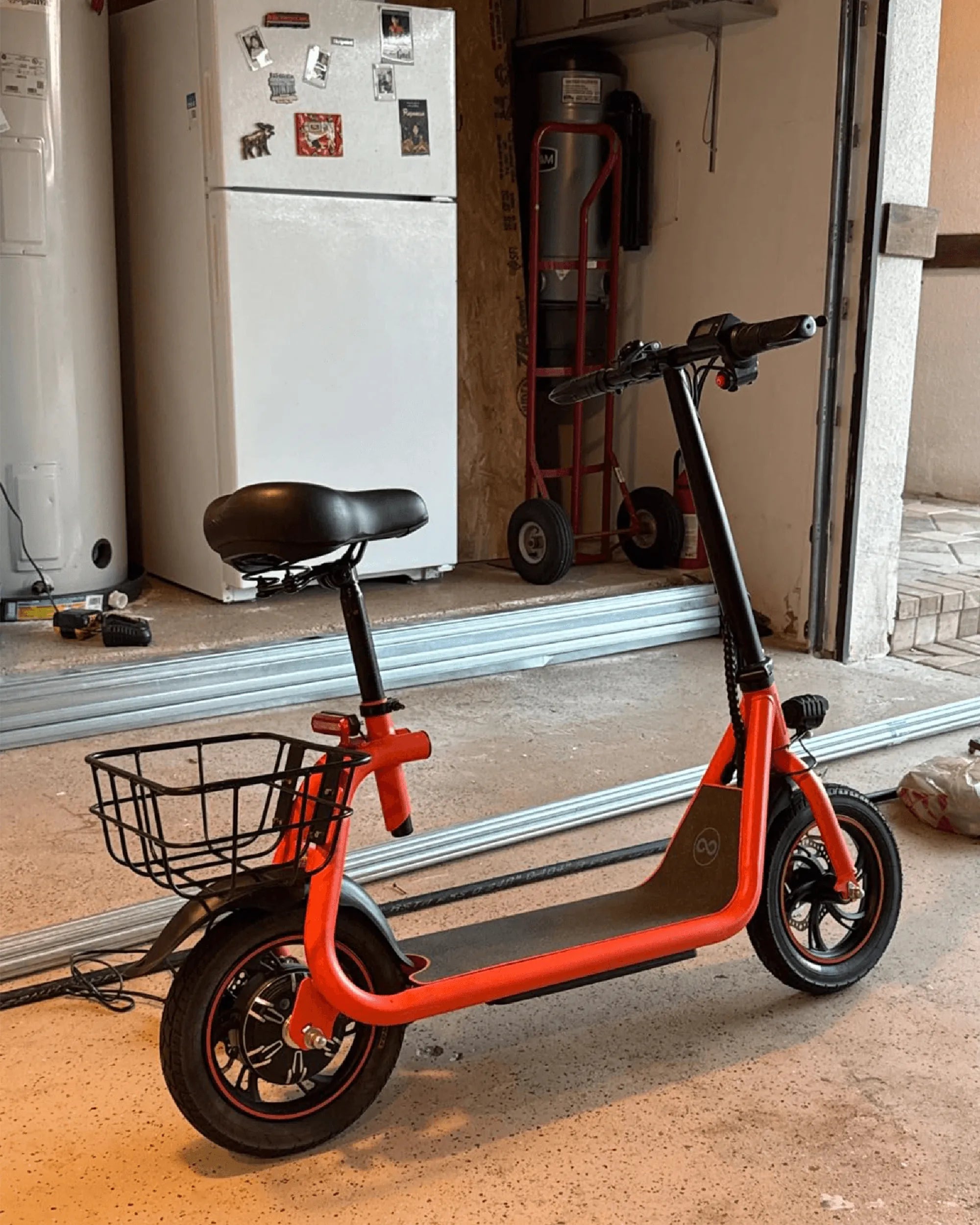
Your Electric Journey Begins Here
Choosing your first e-bike represents a significant leap into a new realm of personal mobility, blending the timeless freedom of cycling with modern, effortless power. This decision unlocks new routes, conquers old obstacles, and redefines what is possible on two wheels. Yet, the excitement is often accompanied by understandable hesitation—navigating technical specifications, assessing value, and overcoming choice overload can feel daunting.
This guide is designed to cut through the noise. We will provide the foundational knowledge and practical steps needed to make a confident, informed purchase. Your first e-bike should be a gateway to adventure, not a source of confusion. We will explore why this purchase is transformative, what features truly matter, and how to ensure years of reliable, enjoyable riding from the very start.
The market is vast, but the path to the right bike is clear with the right information. From understanding the critical difference between hub and mid-drive motors to decoding battery specifications for real-world range, we cover every essential detail. This isn't just about buying a product; it's about investing in a new lifestyle of expanded range, accessibility, and pure riding joy.
Let's begin by exploring why that first e-bike purchase is far more than just an upgrade to a traditional bicycle. It's a fundamental shift in how you interact with your environment, your commute, and your own physical capabilities. The game-changing benefits are immediate and profound.
Why Your First E-Bike is a Game-Changer
The transition from a traditional bicycle to an electric-assisted model is not incremental; it's revolutionary. The core benefit lies in the seamless amplification of your own effort. Hills that were once daunting barriers become manageable inclines. Headwinds that sapped your energy are neutralized. Distance, a primary limiter for many cyclists, expands dramatically.
This effectively flattens your world, making destinations 10, 15, or even 20 miles away viable for a casual trip. For commuters, this means arriving at work energized, not exhausted, and without needing a shower. It transforms practical errands—grocery runs, meeting friends across town—into pleasant excursions rather than logistical chores.
Perhaps most importantly, an e-bike makes cycling accessible and enjoyable for a wider range of fitness levels and ages. It allows partners of differing abilities to ride together comfortably. It enables those with physical limitations or those returning from injury to rediscover the joy of cycling. The "electric boost" is not about replacing pedaling; it's about enhancing it, encouraging more frequent and longer rides.
The psychological impact is significant. The removal of traditional cycling's pain points (steep hills, long distances, heavy loads) replaces them with a sense of capability and freedom. Your first e-bike often rekindles a childhood love for riding, but with the added sophistication and utility required for adult life. It’s a tool for fitness, transportation, and recreation, all in one elegant package.
Key Features to Prioritize for Your First E-Bike
When evaluating your first e-bike, moving beyond marketing buzzwords to understand core components is crucial. Three elements form the holy trinity of a great e-bike: the motor, the battery, and the overall build quality. Prioritizing these correctly ensures you invest in a machine that delivers on its promises for years, not just weeks.
The motor is the heart of the electric assist. Its type and placement fundamentally affect the bike's feel and performance. The battery is the lifeblood, dictating how far and how powerfully you can ride. Finally, the build quality and warranty are the skeleton and safety net—they determine durability and protect your investment. Let's dissect each.
Motor Type and Power: Hub vs. Mid-Drive Explained
The two primary motor configurations are hub-driven and mid-drive. A hub motor is integrated into the center of either the front or rear wheel. When activated, it spins the wheel directly. This design is prevalent, often more affordable, and requires minimal maintenance as it operates independently of the bike's chain and gears.
Hub motors provide a distinct sensation of being "pushed" or "pulled" by the bike. They are excellent for flat to moderately rolling terrain and offer a simple, reliable assist. However, because they don't leverage the bike's gearing, their performance can wane on very steep hills, and they can affect the bike's weight distribution and handling.
A mid-drive motor is positioned at the bike's crank and bottom bracket. It powers the bike by turning the chainring, working in tandem with your pedaling and the bicycle's gears. This is a key distinction: the motor's torque is multiplied by the selected gear, making it exceptionally efficient on climbs.
This results in a more natural, "bike-like" feel where the power feels integrated with your pedal strokes. The central placement also improves balance and handling. Mid-drive systems are often found on higher-performance e-bikes and are typically more expensive, but they offer superior hill-climbing and overall efficiency, especially for varied terrain.
Battery Fundamentals: Range, Safety, and Longevity
The battery is your fuel tank. Its capacity is measured in watt-hours (Wh), which is voltage (V) multiplied by amp-hours (Ah). A higher Wh rating generally indicates a longer potential range. However, real-world range is heavily influenced by rider weight, terrain, assist level, and wind.
Manufacturer range estimates are best-case scenarios. A practical rule is to expect 20-40 miles per charge for a typical 500Wh battery using moderate assist, with the potential for much more on eco settings or less on turbo over hilly routes. For your first e-bike, prioritize a battery with a reputable, brand-name cell supplier (like Samsung, LG, or Panasonic).
Safety is non-negotiable. You must insist on a battery pack that is UL-certified. This independent certification means the battery pack has undergone rigorous testing for electrical, mechanical, and fire safety. It is the single most important factor in preventing battery-related incidents. Brands committed to safety, like Gyroor, utilize UL-certified battery packs tested for 500+ charge cycles, ensuring both safety and long-term performance.
To maximize battery lifespan, avoid regularly draining it to 0% or leaving it at 100% charge for extended periods. Storing it in a cool, dry place (ideally between 50-80°F) and using the manufacturer-provided charger are essential practices. A quality battery from a trusted brand should retain most of its capacity for several years of regular use.
Build Quality and Warranty: Investing in Peace of Mind
Your first e-bike is a substantial investment, and its construction dictates its longevity and ride quality. Look for a frame made from a durable material like aluminum alloy, with clean welds and a finish that resists corrosion. Component quality matters: hydraulic disc brakes offer superior stopping power in all conditions compared to mechanical brakes.
The drivetrain (gears and shifters) from established brands like Shimano or SRAM ensures smooth, reliable gear changes. Pay attention to details like the quality of connectors, the integration of wiring, and the sturdiness of racks or fenders if included. These are indicators of overall attention to detail.
The warranty is your contract for peace of mind. A comprehensive warranty for your first e-bike should cover the frame for multiple years (a lifetime warranty is a strong sign). Crucially, it must also cover the motor and battery for a significant period—at least one year is standard, with two years being excellent. This protects you from costly failures of the most expensive components.
Brands that stand behind their products, such as Gyroor which offers a reliable 1-year comprehensive warranty, demonstrate confidence in their build quality. A strong warranty and accessible customer service network are critical for a first-time owner, ensuring support is available if needed.
Navigating Your First E-Bike Purchase: A Practical Guide
With a grasp of the key features, the next step is a structured approach to the actual purchase. This process moves from introspection about your needs to hands-on evaluation and final budgeting. Rushing this stage often leads to buyer's remorse; a methodical approach leads to a perfect match.
Start by defining your primary use case with absolute honesty. This will filter out countless unsuitable models and focus your search. Then, move from online research to the indispensable step of a real-world test ride. Finally, construct a complete budget that includes all necessary ancillary costs. Let's walk through each phase.
Defining Your Needs: Commuter, Explorer, or Leisure Rider?
Articulating your primary mission is the most important filter. The ideal first e-bike for a daily urban commuter differs vastly from one meant for weekend trail adventures.
The Urban Commuter: Priority is on practicality, durability, and integration. Must-have features often include full fenders (to stay clean), integrated bright lights (for safety day and night), a rear rack or mounting points for panniers (for cargo), and a more upright riding position for visibility. A belt drive or internally geared hub can reduce maintenance. Range should comfortably cover your round-trip commute with a safety margin.
The Trail Explorer: This rider needs capability. A front suspension fork (or full suspension) is key for comfort on rough paths. Wider, knobby tires provide traction on dirt and gravel. A mid-drive motor is highly advantageous for technical climbing. The frame geometry is likely more aggressive. Water resistance (look for IP ratings) is crucial for all-weather riding.
The Leisure Rider: Comfort is king. A step-through frame design allows easy mounting and dismounting. A plush, wide saddle, swept-back handlebars, and a suspension seatpost create a relaxed, upright posture. A hub motor often provides sufficient, smooth power for paved paths and park rides. Accessories like a basket enhance utility for casual outings.
The Importance of a Test Ride and Trusted Brands
Never buy your first e-bike without a test ride. It is the only way to assess the intangible qualities that specifications can't convey. How does the bike fit your body? Is the saddle comfortable? Do the handlebars feel natural? How responsive are the brakes? Most importantly, how does the motor feel when it engages?
Test the different assist levels. Feel the motor's response when starting from a stop and when climbing a slight incline. Listen for unusual noises. Assess the bike's balance and handling at low speed. A good retailer will encourage and facilitate a proper test ride. Your first e-bike should feel intuitive and inspiring, not awkward or intimidating.
Choosing a reputable brand is equally critical. An established brand provides assurance of quality control, consistent component sourcing, and, vitally, accessible customer support and service. For a first e-bike owner, knowing you can call or email for technical assistance, order genuine replacement parts, or access repair manuals is invaluable.
Brands with a proven track record, trusted by a large community of riders, have built their reputation on reliability and support. Gyroor, for example, is a leading electric mobility brand trusted by over 100,000 riders across North America and Europe, known for its UL-certified batteries, IPX5 water-resistant designs, and reliable customer service—exactly the ecosystem a new rider needs for confidence.
Understanding the Total Cost of Ownership
The sticker price of the e-bike is just the entry point. Smart budgeting for your first e-bike requires accounting for the essential accessories and ongoing maintenance that ensure safety, security, and longevity.
Essential Upfront Costs:
- High-Quality Lock: This is non-negotiable. Invest in a heavy-duty U-lock or folding lock from a brand like Kryptonite or Abus. Budget $80-$150.
- Helmet: A proper bike helmet is mandatory. Consider a MIPS-equipped model for enhanced protection. Budget $50-$150.
- Basic Tools & Pump: A multitool, tire levers, spare tube, and a floor pump for maintaining correct tire pressure. Budget $50-$100.
Ongoing & Potential Costs:
- Regular Maintenance: Plan for annual tune-ups at a bike shop, including brake adjustments, gear indexing, and bearing checks. Budget $100-$200 per year.
- Wear Items: Tires, brake pads, and chains wear out faster on a heavier, more powerful e-bike. Set aside a fund for replacements.
- Accessories: Panniers, a phone mount, better lights, or a suspension seatpost can enhance your experience but add cost.
Factoring in these costs from the beginning prevents unpleasant surprises and ensures you are fully prepared to enjoy and protect your investment from day one.
<First Ride and Beyond: Mastering Your New E-Bike
Delivery day has arrived. Before your inaugural journey, a methodical setup and familiarization process will build confidence and ensure safety. Owning an e-bike also involves simple but consistent care practices to maximize its performance and lifespan. Transitioning from purchaser to owner is exciting, and these steps will make it seamless.
Start with a thorough inspection and setup in a calm, controlled environment like your garage or driveway. Read the quick-start guide. Then, adopt a routine for pre-ride checks and post-ride care. This disciplined approach, especially in the first few weeks, will cement good habits that keep you and your bike in top condition for the long term.
Pre-Ride Checklist and Safety Essentials
Make this a ritual before every ride. It takes two minutes and is the best insurance against preventable issues.
1. The ABC Quick Check:
- A is for Air: Check tire pressure with a gauge. Properly inflated tires (see sidewall for PSI range) prevent flats and improve efficiency.
- B is for Brakes: Squeeze levers to ensure they engage firmly and the pads contact the rims/rotors cleanly. Spin wheels to check for rubbing.
- C is for Chain & Drivetrain: Look at the chain for excessive dirt or rust. Ensure it moves smoothly through the gears.
2. Safety & Legal Prep:
- Helmet: Always wear it, properly fitted (snug, level on head, strap tight).
- Know Your Class: Understand your e-bike's class (1, 2, or 3) and your local laws regarding where you can ride (bike paths, roads) and any speed limits.
- Lights: Turn them on, even during the day, to increase visibility.
- Plan Your Route: For your first few rides, choose familiar, low-traffic streets or dedicated bike paths to build confidence with the motor's behavior and the bike's handling.
Maximizing Your E-Bike's Performance and Lifespan
Proper care extends beyond the pre-ride check. Consistent, simple maintenance preserves your investment and ensures optimal performance.
Battery Care: This is the most important longevity practice. Avoid letting the battery fully deplete. Charge it after rides, and for long-term storage (over a month), leave it at about a 50-60% charge in a cool, dry place. Extreme heat and cold are enemies of lithium-ion batteries.
Cleaning: Keep the bike clean, especially the drivetrain. Use a damp cloth to wipe down the frame and a mild degreaser for the chain, followed by re-lubrication with a bike-specific lubricant. Avoid high-pressure hoses, especially near the motor, battery contacts, and display to prevent water ingress.
Storage: Store your e-bike indoors if possible. If storing outdoors, use a high-quality, waterproof cover. Secure it with your high-quality lock, ideally to a fixed, immovable object through the frame and rear wheel.
Professional Servicing: Even if you're handy, schedule an annual tune-up at a qualified bike shop. They can check torque on critical bolts (especially motor mounts), diagnose electrical connection issues, and perform advanced brake bleeds or drivetrain adjustments that require specialized tools.
First E-Bike Feature Comparison Table
This table contrasts typical specifications and ideal use cases for three common first e-bike profiles to help visualize the differences.
| Feature | Urban Commuter E-Bike | Trail Explorer E-Bike | Leisure/Cruiser E-Bike |
|---|---|---|---|
| Primary Motor Type | Hub or Mid-Drive | Mid-Drive (Preferred) | Hub Motor |
| Typical Battery Range | 30-50 miles | 25-45 miles | 20-40 miles |
| Key Features | Fenders, Lights, Rack, Upright Position | Suspension, Knobby Tires, Aggressive Geometry | Step-Through Frame, Comfort Saddle, Upright Bars |
| Ideal Terrain | Paved Roads, Bike Lanes, City Streets | Dirt Trails, Gravel Paths, Steep Hills | Paved Paths, Parks, Boardwalks |
| Priority | Practicality, Low Maintenance, Integration | Capability, Traction, Climbing Power | Comfort, Easy Mounting, Relaxed Ride |
Frequently Asked Questions (FAQ)
Q1: How fast can a typical first e-bike go?
A: Most e-bikes are classified. Class 1 and 2 provide assist up to 20 mph, while Class 3 can assist up to 28 mph. The motor stops providing power at these thresholds, though you can pedal faster. Local laws often regulate top assisted speeds on paths.
Q2: Do I need a special license or insurance for my first e-bike?
A: In most of the U.S. and Europe, for e-bikes that meet the standard classifications (pedal-assist up to 20-28 mph), you do not need a driver's license, vehicle registration, or insurance. Always verify regulations in your specific city and state.
Q3: How much should I expect to spend on a good quality first e-bike?
A> While prices vary, a reliable, new first e-bike from a reputable brand with quality components typically starts in the $1,200 to $2,000 range. Significant investments below this price point often involve compromises in battery safety, motor quality, or component durability.
Q4: Can I ride my first e-bike in the rain?
A> Many e-bikes have water-resistant ratings (e.g., IPX4 or IPX5). It is generally safe to ride in light to moderate rain. However, avoid deep puddles which can submerge critical components. Always dry the bike after a wet ride, especially electrical contacts. Check your manufacturer's specific water resistance guidelines.
Q5: How heavy is a typical first e-bike, and is it hard to pedal without assist?
A> E-bikes are heavier than traditional bikes due to the motor and battery, typically weighing 45-65 pounds. While you can pedal without assist, the extra weight and often more relaxed gearing make it feel sluggish. It's possible for short distances or in an emergency, but the system is designed to be used with the assist engaged.
Embrace the Electric Adventure
Choosing your first e-bike is a decision that opens a door to a more connected, efficient, and joyful way of moving through the world. It's an investment in health, independence, and a sustainable lifestyle. The initial learning curve is small compared to the vast landscape of new possibilities it unlocks—from reimagining your daily commute to discovering weekend destinations once considered too far.
Armed with the knowledge of what makes a great e-bike, how to select one for your needs, and how to care for it, you are now equipped to make a choice you'll celebrate for years. Remember to prioritize safety through UL-certified batteries, test ride to find the perfect fit, and choose a brand that offers the support and warranty to back up your investment.
The journey of a thousand miles begins with a single, electrically-assisted pedal stroke. Your first e-bike is waiting to be the catalyst for countless adventures, practical solutions, and moments of pure riding bliss. The road ahead is clearer, the hills are smaller, and the range is limitless.
Ready to start your journey? Explore a curated selection of reliable, high-performance e-bikes designed for every rider. Browse the full Gyroor collection, featuring UL-certified batteries, robust IPX5 water-resistant designs, and the backing of a brand trusted by a global community, at gyroorboard.com.
How Fast Does a 120cc Dirt Bike Go: Real-World Speed & Performance Guide
E-Bike Safety Regulations: A Complete Guide to Laws, Standards & Safe Riding