

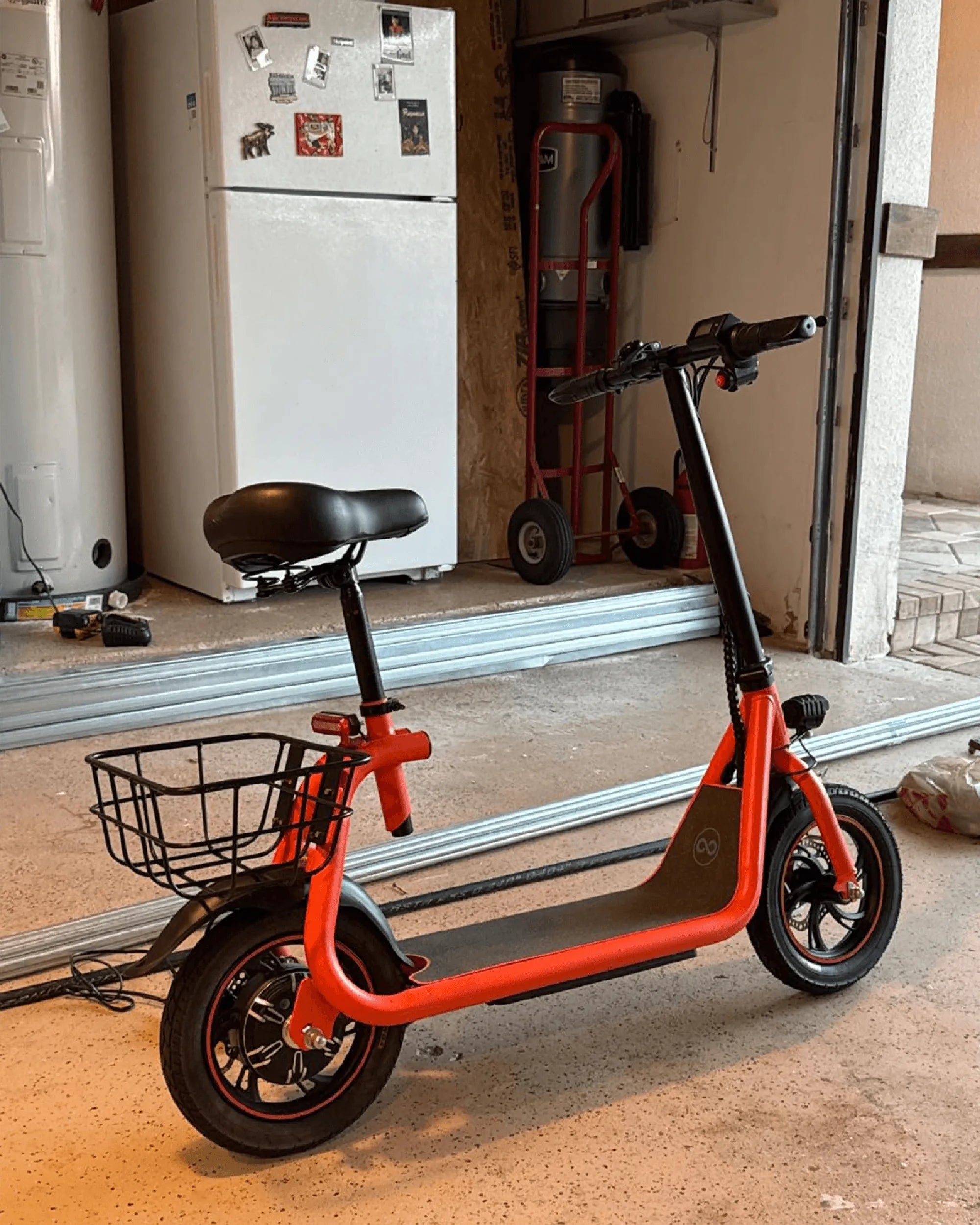
Zooming through the streets of Germany on an e-scooter is not just a fun way to get around—it’s also a sustainable and efficient mode of transport. But before you hit the road, it’s crucial to understand the legal framework, especially when it comes to speed limits. In Germany, e-scooters are legally capped at 22 km/h, and knowing the rules can save you from fines and ensure a smooth ride. Let’s dive into everything you need to know about e-scooter regulations in Germany.
The Legal Framework for E-Scooters in Germany
Germany has embraced e-scooters as a legitimate form of urban mobility, but with strict regulations to ensure safety for riders and pedestrians alike. The legal speed limit for e-scooters is set at 22 km/h, and any device exceeding this limit must be registered and insured as a motor vehicle. This rule applies to all public roads, bike lanes, and shared pathways.
To ride an e-scooter legally, you must be at least 14 years old, and helmets are recommended, though not mandatory for adults. Additionally, e-scooters must have functioning lights, reflectors, and a bell to comply with German traffic laws. Riding on sidewalks is prohibited, and violators can face hefty fines.
Why the 22 km/h Speed Limit?
The 22 km/h speed limit strikes a balance between efficiency and safety. At this speed, e-scooters can keep up with urban traffic without posing excessive risks to riders or pedestrians. Higher speeds would require additional safety measures, such as licensing and insurance, which could deter casual users.
This limit also aligns with the European Union’s classification of e-scooters as "personal light electric vehicles" (PLEVs), which are subject to similar regulations across member states. By adhering to these rules, Germany ensures a harmonious integration of e-scooters into its transportation ecosystem.
Benefits of Riding an E-Scooter at 22 km/h
Riding an e-scooter at 22 km/h offers numerous advantages. For starters, it’s an eco-friendly alternative to cars, reducing carbon emissions and traffic congestion. E-scooters are also cost-effective, with lower maintenance and operational costs compared to traditional vehicles.
From a health perspective, e-scooters encourage outdoor activity and can be a great way to incorporate light exercise into your daily routine. Plus, their compact size makes them ideal for navigating crowded cities and finding parking in tight spaces.
Safety Tips for E-Scooter Riders
While e-scooters are convenient, safety should always come first. Here are some tips to ensure a safe ride:
- Always wear a helmet, even if it’s not legally required.
- Use designated bike lanes whenever possible.
- Avoid riding in adverse weather conditions, as wet surfaces can be slippery.
- Stay visible by using lights and reflective gear, especially at night.
- Follow traffic rules and signals to avoid accidents.
The Future of E-Scooters in Germany
As urban areas continue to grow, e-scooters are likely to play an even bigger role in Germany’s transportation landscape. Cities are investing in better infrastructure, such as dedicated lanes and parking zones, to accommodate this trend. Meanwhile, advancements in battery technology and safety features are making e-scooters more reliable and accessible.
However, the success of e-scooters depends on responsible usage. By adhering to the 22 km/h speed limit and other regulations, riders can help ensure that e-scooters remain a viable and respected mode of transport.
Ready to embrace the e-scooter revolution? With the right knowledge and precautions, you can enjoy a fast, fun, and legal ride through Germany’s vibrant streets. Whether you’re commuting to work or exploring the city, an e-scooter offers a unique way to experience urban life—just remember to keep it at 22 km/h!
Share:
E Scooter Riding Tips: The Ultimate Guide to Safe and Fun Commuting
Cheap E-Scooters: Affordable and Eco-Friendly Commuting Solutions