



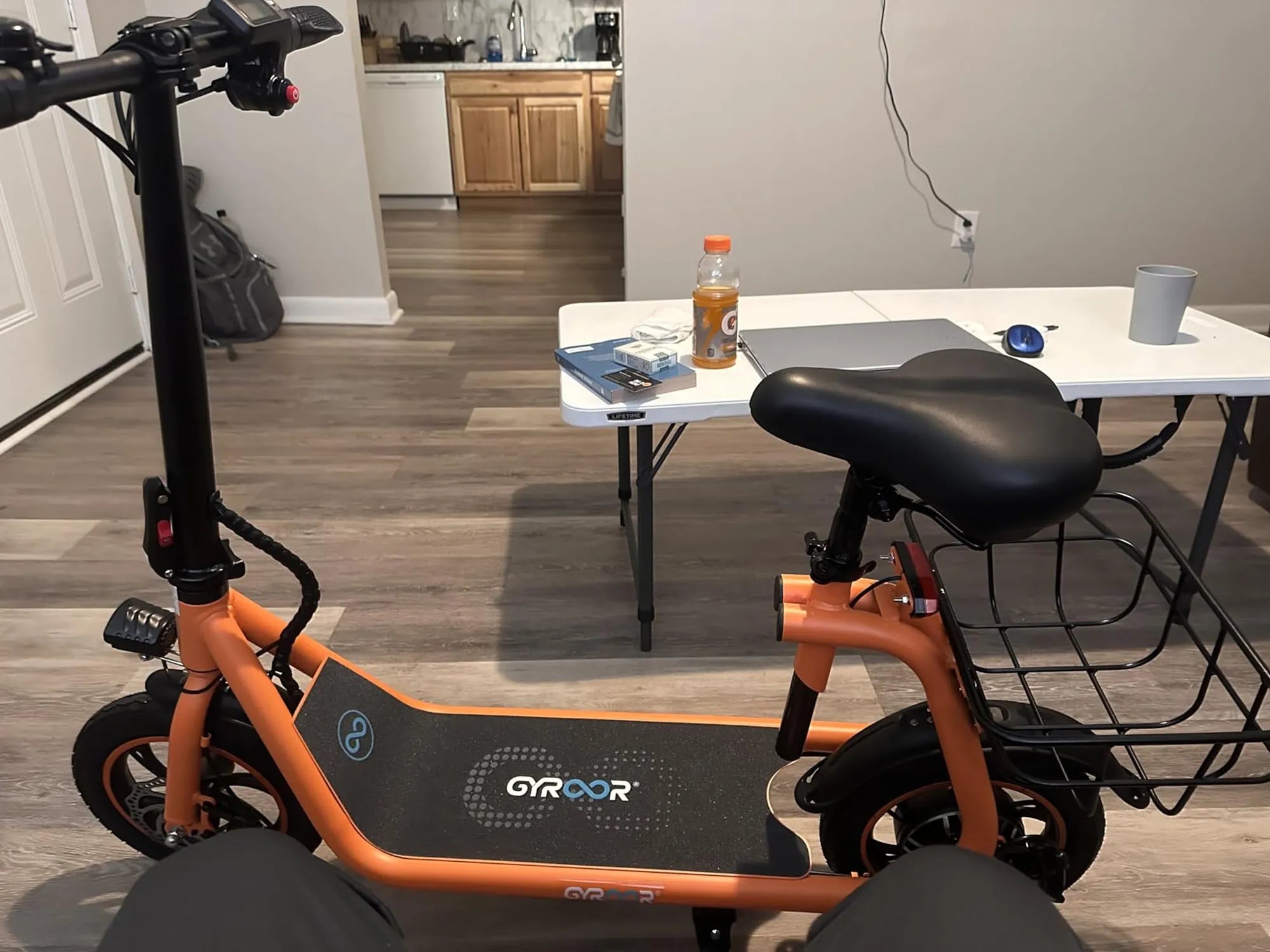
E-scooters have revolutionized urban mobility, offering a convenient and eco-friendly way to navigate crowded streets. But one question lingers in every rider's mind: how far can my e-scooter go on a single charge? Understanding your e-scooter's range in kilometers (KM) is crucial for planning commutes, avoiding unexpected stops, and ensuring a smooth ride. Let's dive into the factors that influence e-scooter KM and how you can maximize your ride distance.
Factors Affecting E Scooter KM
The distance your e-scooter can cover depends on several variables. Battery capacity, measured in watt-hours (Wh), is the primary determinant. Larger batteries store more energy, enabling longer rides. Motor efficiency also plays a role—higher-quality motors convert energy more effectively, reducing waste. Terrain is another critical factor; riding uphill consumes more power than cruising on flat ground. Similarly, frequent stops and starts in urban traffic can drain the battery faster.
How to Calculate Your E Scooter's Range
To estimate your e-scooter's range, divide the battery's watt-hour rating by the average power consumption in watts. For example, a 300Wh battery with an average consumption of 150W would theoretically last two hours. If your e-scooter averages 20 km/h, that translates to roughly 40 KM per charge. Keep in mind that real-world conditions—like wind resistance, rider weight, and tire pressure—can alter these numbers.
Tips to Extend Your E Scooter KM
Want to squeeze every last kilometer out of your e-scooter? Start by maintaining optimal tire pressure. Underinflated tires increase rolling resistance, forcing the motor to work harder. Riding at a steady speed, rather than accelerating aggressively, also conserves energy. Avoid carrying unnecessary weight, as extra load strains the battery. Lastly, store your e-scooter in a cool, dry place to preserve battery health over time.
The Future of E Scooter Range
Advancements in battery technology promise even greater e-scooter KM in the coming years. Solid-state batteries, for instance, offer higher energy density and faster charging times. Meanwhile, regenerative braking systems—which recapture energy during deceleration—are becoming more common. These innovations could soon make range anxiety a thing of the past.
Ready to unlock the full potential of your e-scooter? By understanding the factors that affect range and adopting smart riding habits, you can enjoy longer, more efficient journeys. Whether you're commuting to work or exploring the city, every kilometer counts—so make them last!
Can You Ride a Non-Motorized Scooter on the Sidewalk? Exploring the Rules and Safety Tips
10000 e scooter: The Future of Urban Mobility and Sustainable Transportation