

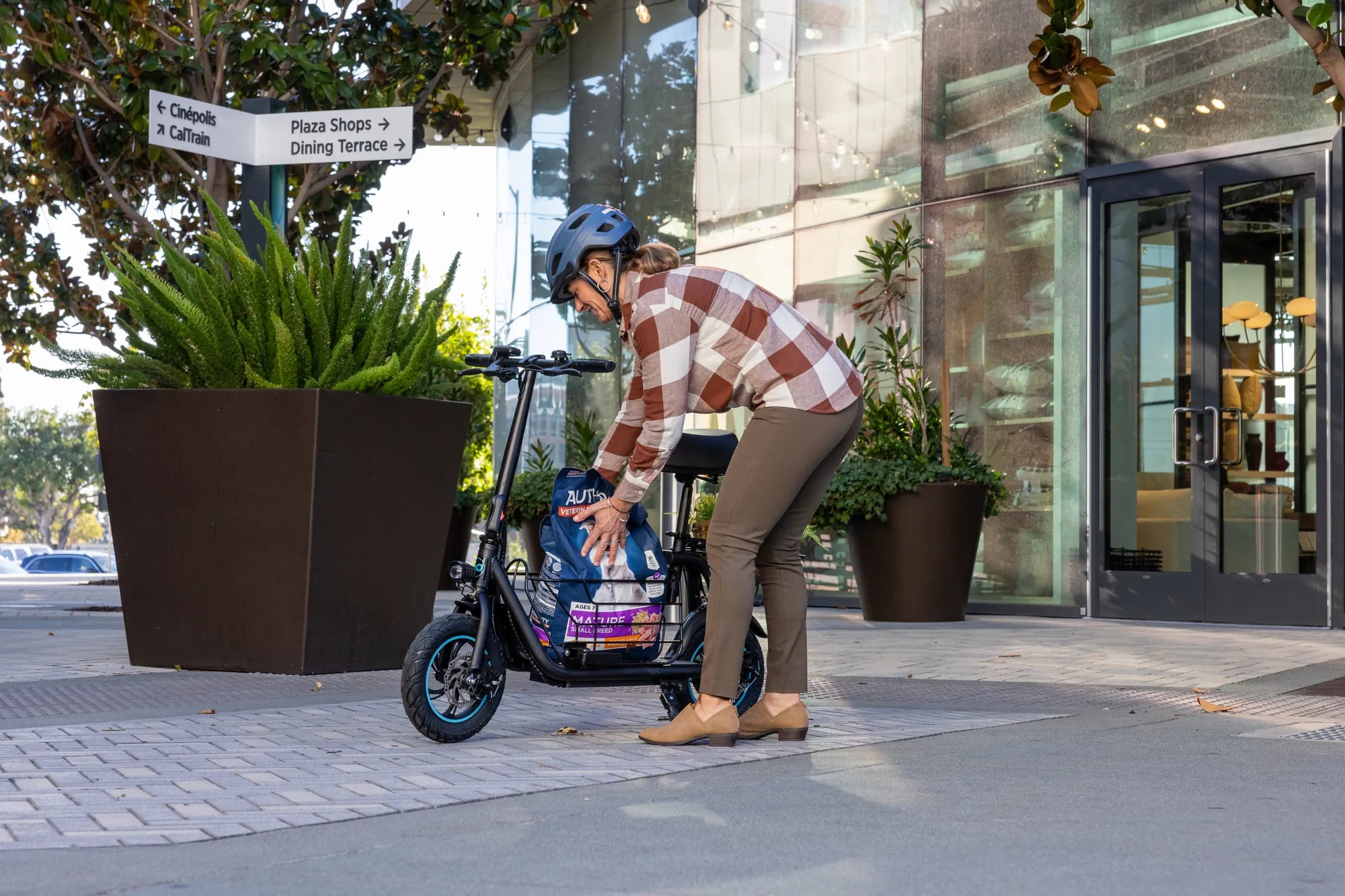
Riding a non-motorized scooter can be a fun and eco-friendly way to get around, but where you ride it matters. Many people wonder, can you ride a non-motorized scooter on the sidewalk? The answer isn't always straightforward, as it depends on local laws, safety considerations, and common courtesy. Let's dive into the details to help you navigate the rules and ride responsibly.
Understanding Local Laws and Regulations
Laws regarding non-motorized scooters vary widely depending on your location. Some cities and states explicitly allow sidewalk riding, while others prohibit it or restrict it to certain areas. Here's what you need to know:
- Check Local Ordinances: Many municipalities classify non-motorized scooters similarly to bicycles, meaning they may be allowed on sidewalks unless otherwise specified. However, some areas treat them as pedestrians, while others ban them from sidewalks entirely.
- Age Restrictions: Some places allow children to ride scooters on sidewalks but require adults to use bike lanes or roads.
- Speed Limits: Even if sidewalk riding is permitted, there may be speed limits to ensure pedestrian safety.
To avoid fines or accidents, always research your local laws before hopping on your scooter.
Safety Considerations for Sidewalk Riding
Even if it's legal to ride your scooter on the sidewalk, safety should always come first. Here are some key factors to consider:
- Pedestrian Traffic: Sidewalks are primarily designed for walkers. Riding a scooter in crowded areas can lead to collisions or startled pedestrians.
- Surface Conditions: Sidewalks often have cracks, uneven pavement, or debris that can cause accidents, especially on smaller wheels.
- Visibility: Scooters are low to the ground, making it harder for drivers to see you when crossing driveways or intersections.
If you choose to ride on the sidewalk, always yield to pedestrians, maintain a slow speed, and stay alert.
Alternatives to Sidewalk Riding
If sidewalk riding isn't an option or feels unsafe, consider these alternatives:
- Bike Lanes: Many cities have designated bike lanes that are safer for scooters than sidewalks or roads.
- Parks and Trails: Some parks allow scooters on paved paths, offering a scenic and low-traffic riding experience.
- Empty Parking Lots: Practicing in a vacant lot can help you build confidence before navigating busier areas.
Exploring these options can make your rides more enjoyable and reduce risks.
Tips for Responsible Scooter Riding
Whether you're on the sidewalk or elsewhere, following these tips can help you stay safe and respectful:
- Wear Protective Gear: Helmets, knee pads, and elbow pads can prevent serious injuries.
- Use Hand Signals: Signaling your turns helps pedestrians and drivers anticipate your movements.
- Be Predictable: Avoid sudden stops or swerves, especially in high-traffic areas.
- Respect Pedestrians: Slow down or dismount when passing walkers, and always give them the right of way.
By riding responsibly, you can help create a positive image for scooter enthusiasts and avoid conflicts.
The Bottom Line: Is Sidewalk Riding Right for You?
Ultimately, whether you can ride a non-motorized scooter on the sidewalk depends on where you live and how you ride. While it may be convenient, it's not always the safest or most legal option. Always prioritize safety, follow local rules, and consider alternatives when necessary.
Ready to hit the pavement? Grab your scooter, gear up, and ride smart—wherever the rules allow!
Top Range E Scooter: The Ultimate Guide to High-Performance Electric Scooters
E Scooter KM: Maximizing Your Ride Distance and Efficiency