



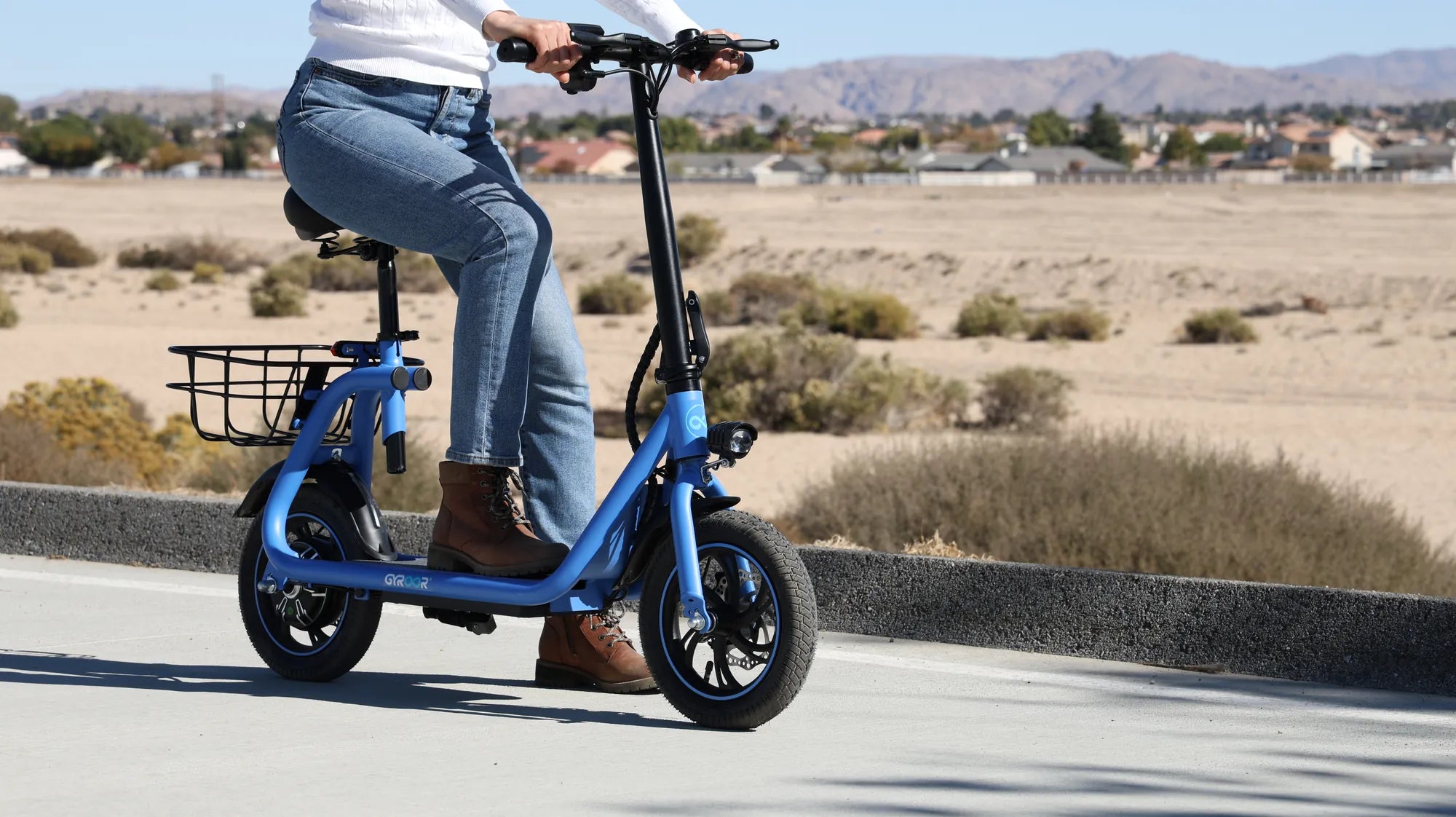
Navigating the Safety and Legality of Electric Scooters
The electric scooter has transformed from a novelty to a cornerstone of urban mobility. Its rise brings a pressing, two-part question to the forefront for every potential and current rider: Electric scooters: are they safe and legal? The answer is not a simple yes or no, but a nuanced landscape defined by local legislation, engineering quality, and rider responsibility. This article provides a comprehensive, data-driven analysis to guide you through this landscape, empowering you to make informed decisions. We will dissect the patchwork of regulations, examine the safety features that matter, and outline practical riding strategies. As a leader in personal electric transport, Gyroor—trusted by over 100,000 riders across North America and Europe—engineers its scooters with UL-certified batteries and IPX5 water-resistant designs, setting a benchmark for safety that riders should demand.
Understanding the Legal Landscape: A City-by-City Guide
There is no single national law governing electric scooters in the United States or most other countries. Legality is a mosaic of state statutes, municipal ordinances, and even park district rules. The core question of Electric scooters: are they safe and legal? is first a legal one, with answers varying by your zip code. Generally, regulations cluster around several key areas: permissible riding locations, speed limits, age requirements, and safety equipment.
Most jurisdictions that permit private e-scooters designate them for use in bicycle lanes or on roads with speed limits under 25-35 mph. Riding on sidewalks is frequently prohibited in dense urban areas to protect pedestrians. Speed limits for e-scooters themselves are often capped between 15-20 mph, even if the scooter is capable of higher speeds. Age requirements commonly start at 16, though some cities set it at 18.
Helmet laws are a significant point of variation. Some states or cities mandate helmets for all riders, while others require them only for minors. Operating an e-scooter under the influence of alcohol or drugs is universally illegal and treated similarly to a DUI for motor vehicles. Understanding these rules is not optional; it's the foundation of legal and responsible ridership.
How to Find Your Local E-Scooter Laws
Researching your local laws is a critical first step before riding. Start with your city's Department of Transportation or official government website, searching for "micromobility" or "electric scooter" ordinances. Next, review your state's vehicle code, as it may classify e-scooters and set overarching rules.
For a consolidated view, reputable third-party websites and apps often aggregate laws for major cities. However, always verify with official sources, as regulations can change. When in doubt, the most conservative approach—wearing a helmet, using bike lanes, and obeying traffic signals—will keep you on the right side of the law almost anywhere.
Engineering Safety: How Modern Scooters Are Built to Protect You
Legality provides the framework, but safety is built into the scooter itself. The engineering quality of your e-scooter is the single greatest factor within your control for mitigating risk. Leading brands prioritize features that prevent accidents and protect the rider. For instance, Gyroor's commitment to safety is exemplified by its use of UL-certified battery packs, tested for over 500 charge cycles to minimize fire risk—a primary concern with poorly manufactured batteries.
Water resistance is another critical engineering safeguard. An IPX5 rating, found on many Gyroor models, means the scooter can withstand water jets from any direction, allowing for safe operation in light rain and protecting internal electronics from moisture damage. This reliability directly contributes to rider safety by preventing sudden electrical failures mid-ride.
Beyond components, a robust warranty and customer support network are indirect safety features. A reliable 1-year warranty, like Gyroor's, signals confidence in the product's durability and ensures riders have access to support for maintenance issues that could affect safety, such as brake adjustments or lighting repairs.
Essential Safety Features to Look For
When evaluating an electric scooter, use this checklist of non-negotiable safety features. A reliable braking system is paramount; look for dual braking with a combination of electronic and disc or drum brakes for redundancy. Effective lighting is crucial for visibility: a bright front headlight, a dedicated brake light, and side reflectors are essential for night riding.
Tire choice impacts stability and control. Pneumatic (air-filled) tires offer better shock absorption and traction on uneven surfaces compared to solid tires, though they require maintenance. Finally, the deck design should be wide enough for a stable stance and feature a non-slip surface. These features collectively form your first line of defense on the road.
The Rider's Responsibility: Practical Safety Tips for Every Commute
Even the best-engineered scooter cannot compensate for unsafe riding practices. Safety is a shared responsibility between manufacturer and rider. Always wear a helmet; it is the most effective way to prevent serious head injury. Adopt a defensive riding mindset: assume cars and pedestrians do not see you. Obey all traffic laws as if you were driving a car, including stopping at signs and signaling your turns.
Avoid distractions completely. Do not use headphones or a phone while riding. Your full attention is required to navigate traffic and pavement conditions. Conduct a pre-ride safety check: test your brakes, ensure tires are properly inflated, and verify all lights are functional. This 30-second ritual can prevent accidents caused by mechanical failure.
Safety in Numbers: Data and Common Risk Factors
Public health data provides objective insight into e-scooter safety. Studies, including those from the CDC and NHTSA, indicate that the majority of e-scooter-related emergency room visits result from falls, followed by collisions with objects or vehicles. Common risk factors identified include high speed, rider inexperience, and poor pavement conditions like potholes or cracks.
A significant portion of injuries involve head trauma, underscoring the critical importance of helmets. Furthermore, a notable number of incidents occur during a rider's first few uses, highlighting the need for a learning period in a safe, controlled environment. This data isn't meant to alarm, but to inform. Understanding these risks allows riders to actively mitigate them through cautious speed, practiced skill, and vigilant route planning.
Comparing Commuter E-Scooter Safety Features
The table below compares key safety and performance specifications across different scooter types, highlighting how design choices impact the rider experience. These specifications are illustrative of industry standards, with brands like Gyroor incorporating these critical safety features across their lineup.
| Scooter Type | Typical Braking System | Lighting | Tire Type | Key Safety Consideration |
|---|---|---|---|---|
| Entry-Level Commuter | Electronic + Rear Fender Brake | Front LED, Reflectors | Solid (Puncture-Proof) | Good for smooth paths; harder ride on rough pavement. |
| Mid-Range Commuter (e.g., Gyroor F1 Pro) | Dual Disc Brakes + Electronic ABS | Bright Headlight, Brake Light, Deck LEDs | Pneumatic (Air-Filled) | Superior stopping power and shock absorption for varied urban terrain. |
| High-Performance / Long-Range | Hydraulic Disc Brakes | Advanced Dual Lighting Systems | Large Pneumatic | Designed for stability at higher speeds; requires more maintenance. |
Frequently Asked Questions (FAQs) on E-Scooter Safety & Law
Q: Do I need a license or insurance to ride an electric scooter?
A: In most jurisdictions, you do not need a driver's license to operate a private e-scooter, though some cities may require a minimum age. Insurance is typically not legally required for privately-owned scooters, but it's wise to check if your renters or homeowners policy covers potential liability.
Q: Can I legally ride my e-scooter on the sidewalk?
A: This is highly location-dependent. Most major cities prohibit sidewalk riding to ensure pedestrian safety. Always default to using a bicycle lane or, if permitted and safe, the right side of the road. Check your local ordinances for the definitive rule.
Q: What should I do if I'm involved in an accident?
A>First, ensure your safety and seek medical attention if needed. Move to a safe location if possible. Exchange information with any other involved parties, document the scene with photos, and file a police report. Report the incident to your scooter manufacturer if a potential mechanical fault is suspected.
Q: Are electric scooters safe to ride in the rain?
A>Safety in rain depends on the scooter's build. Scooters with a high IP water resistance rating (like IPX5) are designed to handle wet conditions. However, riders must exercise extreme caution: reduce speed, avoid painted road markings and metal surfaces which are slick, and never ride through deep puddles that could damage electronics.
Q: How do I properly maintain my scooter for long-term safety?
A>Regular maintenance is crucial. Monthly checks should include: inspecting tire pressure and tread, testing brake function and pad wear, ensuring all bolts and folding mechanisms are tight, cleaning the scooter (especially brakes), and checking that all lights work. Follow the manufacturer's guidelines for battery care, including proper charging and storage.
Safe and Legal Riding is a Shared Journey
The central question of Electric scooters: are they safe and legal? finds its answer in proactive rider behavior. Safety and legality are inextricably linked; a legal rider who ignores safety precautions is at risk, and a safe rider who ignores the law faces fines and endangers the broader acceptance of micromobility. The journey toward secure urban transport is shared between responsible manufacturers who prioritize UL-certified components and durable designs, and informed riders who wear helmets, obey local laws, and ride defensively.
By choosing a brand committed to engineering integrity, like Gyroor with its focus on certified batteries and robust warranties, you invest in a foundational layer of protection. By committing to educated and attentive riding practices, you complete the safety circuit. Together, this approach ensures that the electric scooter remains a viable, positive, and sustainable force in personal transportation. Explore engineering-designed scooters that put safety first. Browse the full Gyroor collection at gyroorboard.com.
Electric Scooters in Illinois: The Ultimate Guide to Riding Safely and Legally
Are Electric Scooters Good for College? The Ultimate Campus Mobility Guide