



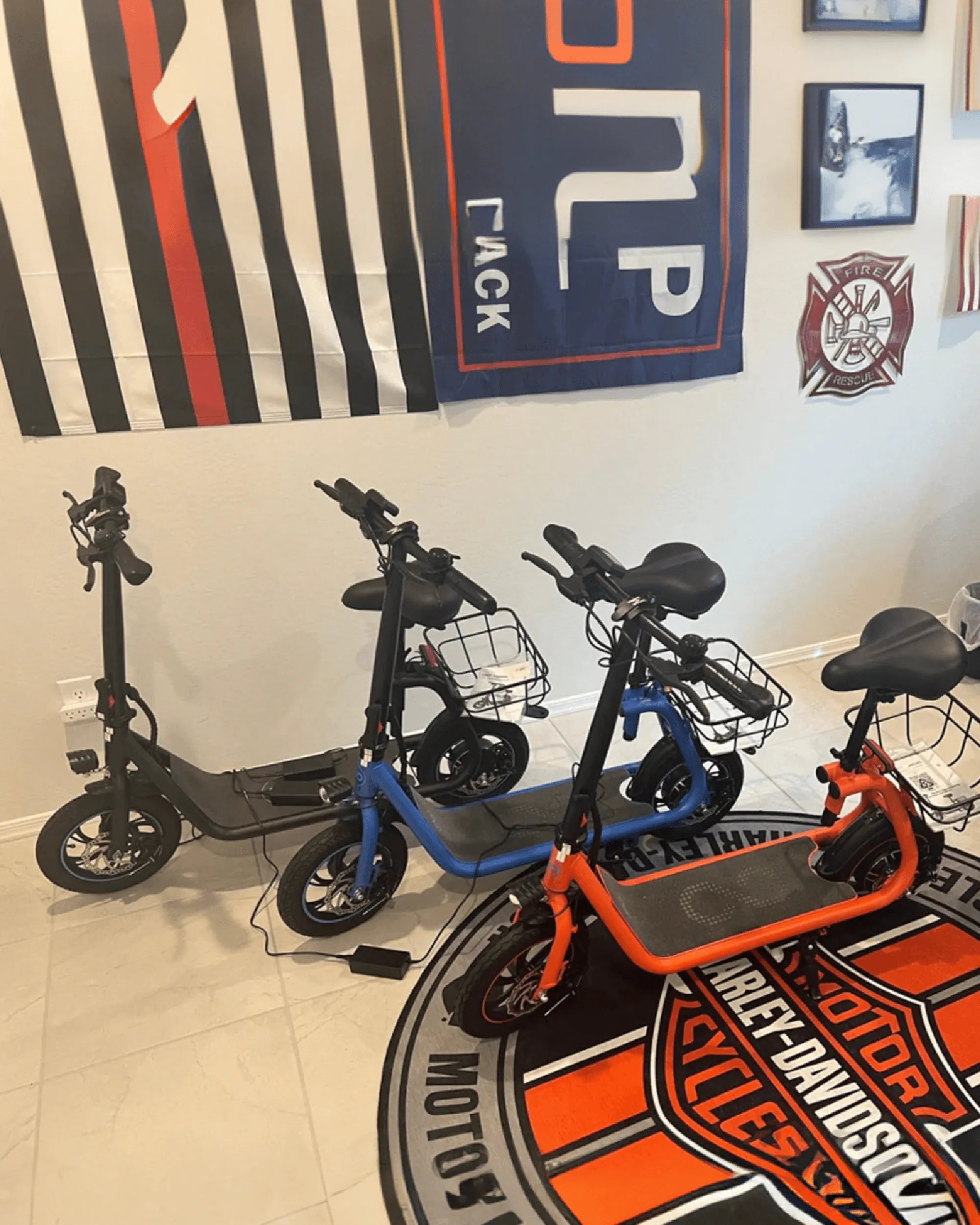
Electric scooters have transformed urban mobility in Illinois, offering a swift, eco-friendly alternative for commuting and exploration. Navigating the legal landscape and prioritizing safety, however, is essential for a seamless experience. This ultimate guide to Electric Scooters in Illinois: The Ultimate Guide to Riding Safely and Legally provides the definitive roadmap. You will learn the precise state statutes and local ordinances, discover non-negotiable safety protocols, understand how to select a scooter built for Illinois weather, and adopt responsible ownership practices that ensure your rides are both lawful and secure.
Understanding Illinois State E-Scooter Laws & Regulations
Illinois law provides the foundational framework for electric scooter operation statewide. The Illinois Vehicle Code defines electric scooters and establishes key rules that preempt less restrictive local laws, though municipalities can impose stricter requirements. The core state law sets a maximum speed limit of 20 miles per hour on public roadways, a critical benchmark for rider safety and legal compliance.
Where you can ride is clearly defined. Electric scooters are permitted on roadways, including bicycle lanes, and on shared-use paths or trails unless specifically prohibited by local ordinance. Riding on sidewalks within business districts is strictly forbidden, a rule designed to protect pedestrian safety in high-traffic areas. Understanding these baseline rules is the first step to responsible riding.
The law also addresses operator requirements. There is no state-mandated minimum age for operating an electric scooter, though local ordinances often set one, typically at 16 years old. While helmets are not universally required for adults by state law, they are mandatory for all riders under the age of 18. All standard traffic laws, including those regarding right-of-way and riding under the influence, apply to e-scooter operators.
It is imperative for riders to recognize that these state laws establish a minimum standard. Cities and villages across Illinois frequently enact additional regulations concerning parking, geofenced no-ride zones, and helmet mandates for all ages. The rider's ultimate responsibility is to know and follow both state law and the specific rules of the municipality in which they are riding.
Navigating Local Ordinances: Chicago vs. The Suburbs
Local ordinances add a critical layer of regulation to e-scooter use in Illinois. Major cities and suburbs often tailor rules to address local traffic patterns, pedestrian density, and infrastructure. Navigating these variations is essential to avoid fines and ensure community harmony. The landscape differs significantly between dense urban centers and sprawling suburban communities.
In Chicago, the city's shared electric scooter pilot programs have established detailed rules. Scooters from permitted vendors are typically restricted to a maximum speed of 15 mph, lower than the state limit. Chicago enforces strict geofenced no-ride zones in areas like the Lakefront Trail and the downtown Loop, where scooters will automatically slow or cease to function. Parking is highly regulated, with designated corrals to prevent sidewalk clutter.
Suburban ordinances vary widely but share common themes. Cities like Naperville, Aurora, and Evanston often permit e-scooter use on trails and in bike lanes but maintain strict prohibitions against sidewalk riding in all districts, not just business areas. Many suburbs, including Schaumburg and Arlington Heights, require all riders, regardless of age, to wear a helmet—a stricter rule than state law. Speed limits on trails are frequently set at 10-15 mph.
Before your first ride in any new municipality, a quick check of the local government's website or police department page for "micromobility" or "electric scooter" ordinances is non-negotiable. Key items to verify include: helmet requirements for your age group, specific paths or roads where scooters are prohibited, local speed limits, and any registration or permit mandates. This due diligence is the hallmark of a responsible rider.
The Essential Safety Gear Checklist
Prioritizing safety transforms a casual ride into a secure journey. While Illinois law provides minimum requirements, a proactive rider invests in gear that significantly reduces the risk of injury. This checklist goes beyond the legal basics to encompass protection for a wide range of urban and suburban riding scenarios, aligning with a safety-first philosophy.
A helmet is the single most important piece of safety equipment. For optimal protection, choose a multi-impact helmet certified by CPSC for bicycle use or, ideally, a full-face mountain biking helmet. This provides protection for the chin and jaw during a forward fall. High-visibility clothing, such as a reflective vest, bright jacket, or ankle bands, is crucial for being seen by drivers, especially during dawn, dusk, or night rides.
Sturdy, closed-toe shoes with grip are mandatory; never ride in sandals or flip-flops. Gloves protect your hands from abrasion in a fall and improve grip. Durable pants and a long-sleeved shirt offer a layer of protection against road rash. For your scooter, ensure it is equipped with bright front and rear lights, as well as side reflectors, which are vital for nighttime legality and visibility.
Consider adding passive safety technology. A loud, electronic horn is more effective than a bell for alerting inattentive drivers. A rear-view mirror attached to the handlebar allows you to monitor traffic without turning your head. Carrying a small first-aid kit and a tool for basic adjustments completes a comprehensive safety approach. Investing in this gear is an investment in your well-being on every ride.
Defensive Riding Strategies for Illinois Roads and Paths
Defensive riding is the practiced art of anticipating hazards and positioning yourself to avoid them. On Illinois roads, shared paths, and urban environments, this mindset is your best defense against collisions. It involves constant scanning, predictable positioning, and respectful interaction with all other users of the right-of-way, from trucks to pedestrians.
Always assume you are invisible to drivers. Ride in a predictable manner, in a straight line, and use hand signals well in advance of turns. Position yourself in the lane to be seen—often in the center of a bike lane or in the right third of a traffic lane if no bike lane exists. Be hyper-vigilant for the "door zone"; maintain at least a 3- to 5-foot buffer from parked cars to avoid being struck by an opening door.
At intersections, make eye contact with drivers before proceeding. Never assume a driver sees you or will yield, even if you have the right-of-way. Scan for turning vehicles, especially right-turning trucks with large blind spots. On multi-use paths, audibly signal your approach to pedestrians (a bell or a polite "on your left") and pass only when safe, slowing down considerably.
Adapt your riding to conditions. Reduce speed on wet pavement, metal grates, railroad tracks, and gravel. Avoid potholes and sewer grates by scanning the road surface ahead. In group rides, maintain a safe single-file distance. The core principle is to control only what you can: your speed, your position, and your awareness. By riding defensively, you protect yourself and foster a safer environment for everyone.
Choosing the Right E-Scooter for Illinois Terrain and Climate
Selecting an electric scooter is not a one-size-fits-all decision; it requires matching specifications to your specific needs and the local environment. Illinois presents a mix of flat urban grids, suburban hills, lakefront paths, and variable seasonal weather. A scooter chosen with these factors in mind will deliver reliable performance, safety, and long-term satisfaction.
Performance specifications should align with your primary use case. For flat city commuting, a motor with 300-500 watts of sustained power is sufficient. For tackling the hills found in cities like Elgin or parts of Springfield, a dual-motor or more powerful single motor (600W+) is recommended. Battery range is critical; choose a scooter with a rated range that exceeds your longest regular trip by at least 30% to account for real-world factors like wind, hills, and temperature.
Tire choice significantly impacts ride quality and safety. Larger, air-filled (pneumatic) tires, typically 10 inches in diameter, provide superior shock absorption for Illinois' often uneven pavement and better traction on wet surfaces. Solid or honeycomb tires eliminate the risk of flats but offer a harsher ride and less grip. A suspension system, even a basic front spring, greatly enhances comfort and control on rough roads.
Build quality and warranty are direct indicators of durability and manufacturer confidence. A robust frame, reliable braking system (disc brakes are superior to drum or foot brakes), and quality components will withstand daily use. A comprehensive warranty, like the 1-year warranty offered by leading brands such as Gyroor, protects your investment and ensures access to support and parts, a key consideration for long-term ownership in a demanding climate.
Weather Resistance and Battery Care Through the Seasons
Illinois weather, from summer thunderstorms to winter slush, demands an electric scooter built to handle the elements. Proper weather resistance and diligent battery care are not just about longevity; they are critical safety practices. Understanding ingress protection ratings and lithium-ion battery chemistry ensures your scooter remains reliable and safe year-round.
Water resistance is rated using the IP (Ingress Protection) code. For Illinois riders, a minimum rating of IPX4 (protection against water splashes from any direction) is advisable. A rating of IPX5, as found on many Gyroor models, offers protection against low-pressure water jets from a nozzle, making the scooter capable of handling heavy rain and puddle splashes encountered during commuting. Never submerge any scooter, and avoid riding through deep standing water.
Temperature extremes are the enemy of lithium-ion batteries. Avoid charging your scooter immediately after riding in very cold or hot conditions; let the battery acclimatize to room temperature first. In winter, store the scooter and battery indoors, never in an unheated garage. Cold temperatures temporarily reduce battery range, so plan for shorter distances. In summer, avoid leaving the scooter or battery in direct sunlight for extended periods to prevent overheating.
Routine Maintenance and Pre-Ride Checks
A consistent maintenance routine is the cornerstone of safe, reliable operation. A simple pre-ride check takes two minutes but can prevent accidents and costly repairs. This proactive approach aligns with responsible ownership and ensures your scooter is always ready for the road.
Before every ride, perform the "ABC Quick Check": Air (check tire pressure), Brakes (test front and rear brakes for firm engagement), and Controls (ensure throttle and lights function properly). Visually inspect the scooter for loose bolts, cracks in the frame or stem, and wear on the tires and brake pads. Listen for any unusual noises during a brief test ride at low speed.
Monthly, conduct a more thorough inspection. Tighten all fasteners with the appropriate tools. Clean the scooter with a damp cloth, avoiding high-pressure water on electrical components. Check the condition of the folding mechanism (if applicable) and apply lubricant to moving parts as per the manufacturer's instructions. Keep the charging port clean and free of debris.
For the battery, follow best practices: use only the manufacturer-provided charger, do not leave the battery on charge indefinitely after it reaches 100%, and avoid completely draining it to 0%. For long-term storage (over a month), store the battery at approximately a 50-60% charge in a cool, dry place. Adhering to these steps will maximize the lifespan of your UL-certified battery pack and ensure consistent performance.
Parking Etiquette and Being a Community Ambassador
How and where you park your e-scooter directly impacts public perception and the long-term viability of micromobility in your community. Irresponsible parking that blocks sidewalks, building entrances, or ADA access ramps creates frustration and can lead to punitive local regulations. Being a conscientious ambassador is a key part of responsible ownership.
Always park your scooter upright and in a designated parking corral if one is available. If no corral exists, park it adjacent to a bike rack or next to street furniture like a bench or a utility pole, ensuring it does not obstruct the pedestrian clear path. The minimum required clear width for a sidewalk is 36 inches; always leave more space than this. Never park in grassy areas, planted beds, or blocking access to bus stops, crosswalks, or building doors.
When riding, your behavior shapes opinions. Yield proactively to pedestrians, even if you have the right-of-way. Slow down in crowded areas. Dismount and walk your scooter on sidewalks if they are the only permitted path and are congested. By demonstrating respect and courtesy, you help build a positive image of e-scooter riders as responsible members of the transportation ecosystem, encouraging more communities to embrace this sustainable mode of travel.
Frequently Asked Questions (FAQ)
Q: Do I need a driver's license or insurance to ride an electric scooter in Illinois?
A: No, Illinois state law does not require a driver's license, vehicle registration, or insurance to operate an electric scooter. However, you must have a valid state ID if requested by law enforcement.
Q: Can I carry a passenger or a bag on my e-scooter?
A> No. Illinois law and virtually all local ordinances prohibit carrying passengers on electric scooters. You can carry a backpack or use a secured cargo hook/bag designed for the scooter, but you must ensure the added weight does not compromise your control or the scooter's stability.
Q: Are electric scooters allowed on public transit like Metra or CTA trains and buses?
A> Policies vary. Typically, folded e-scooters are allowed on buses and trains at the driver's/conductor's discretion, similar to bicycles during non-peak hours. Always fold your scooter completely, and be prepared to carry it without obstructing aisles or doors. Check the specific transit agency's website for their official policy.
Q: What happens if I get a ticket for violating an e-scooter law?
A> Violations are typically treated as local ordinance violations, similar to a parking or bicycle ticket. You will be fined, and the fine amount will depend on the local municipality. Serious violations, like riding under the influence, can result in a DUI charge with severe penalties.
Q: How do I know if my scooter's battery is safe?
A> Look for certification from a nationally recognized testing laboratory like UL (Underwriters Laboratories). UL-certified battery packs, like those used by Gyroor, have undergone rigorous testing for electrical, mechanical, and fire safety. Always use the manufacturer's original charger and inspect the battery regularly for damage, swelling, or extreme heat.
Illinois E-Scooter Comparison: Key Features for Different Riders
| Rider Profile | Recommended Use | Key Features to Prioritize | Example Specs (Gyroor Focus) |
|---|---|---|---|
| Urban Commuter (Chicago, Downtowns) | Daily work commute, 3-8 miles | Portability (foldable), Good suspension, Reliable brakes, Water resistance (IPX5+) | 500W motor, 15-25 mi range, 10" pneumatic tires, UL-certified battery |
| Suburban Explorer (Trails & Errands) | Recreation, path riding, local trips | Longer range, Comfort for varied terrain, Hill-climbing power, Durability | Dual 500W motors, 30-40 mi range, front suspension, robust frame |
| College Student (Campus & Town) | Short trips between classes, affordability | Lightweight, Easy to carry, Good value, Low maintenance | 350W motor, 15 mi range, solid tires, compact fold, 1-year warranty |
| All-Weather Rider | Year-round commuting in variable IL climate | High water resistance, Powerful lights, Superior traction tires, Rust-resistant components | IPX5 rating, bright LED systems, all-terrain tire options, sealed electronics |
Mastering the use of electric scooters in Illinois hinges on a balanced approach: unwavering respect for the law, a proactive commitment to safety, and informed ownership. By understanding the interplay of state statutes and local ordinances, gearing up with essential protection, and selecting a reliable scooter built for Midwestern conditions, you unlock a world of efficient, enjoyable, and sustainable mobility. Your responsible riding and parking behavior directly contribute to a positive future for micromobility across the Prairie State. For a scooter that combines legal compliance, safety-focused engineering, and durability for Illinois roads, explore models designed with these priorities in mind. Browse the full Gyroor collection at gyroorboard.com to find your perfect ride.
Does Myrtle Beach Have Electric Scooters? A Complete 2024 Guide
Electric Scooters: Are They Safe and Legal? A Comprehensive Guide