



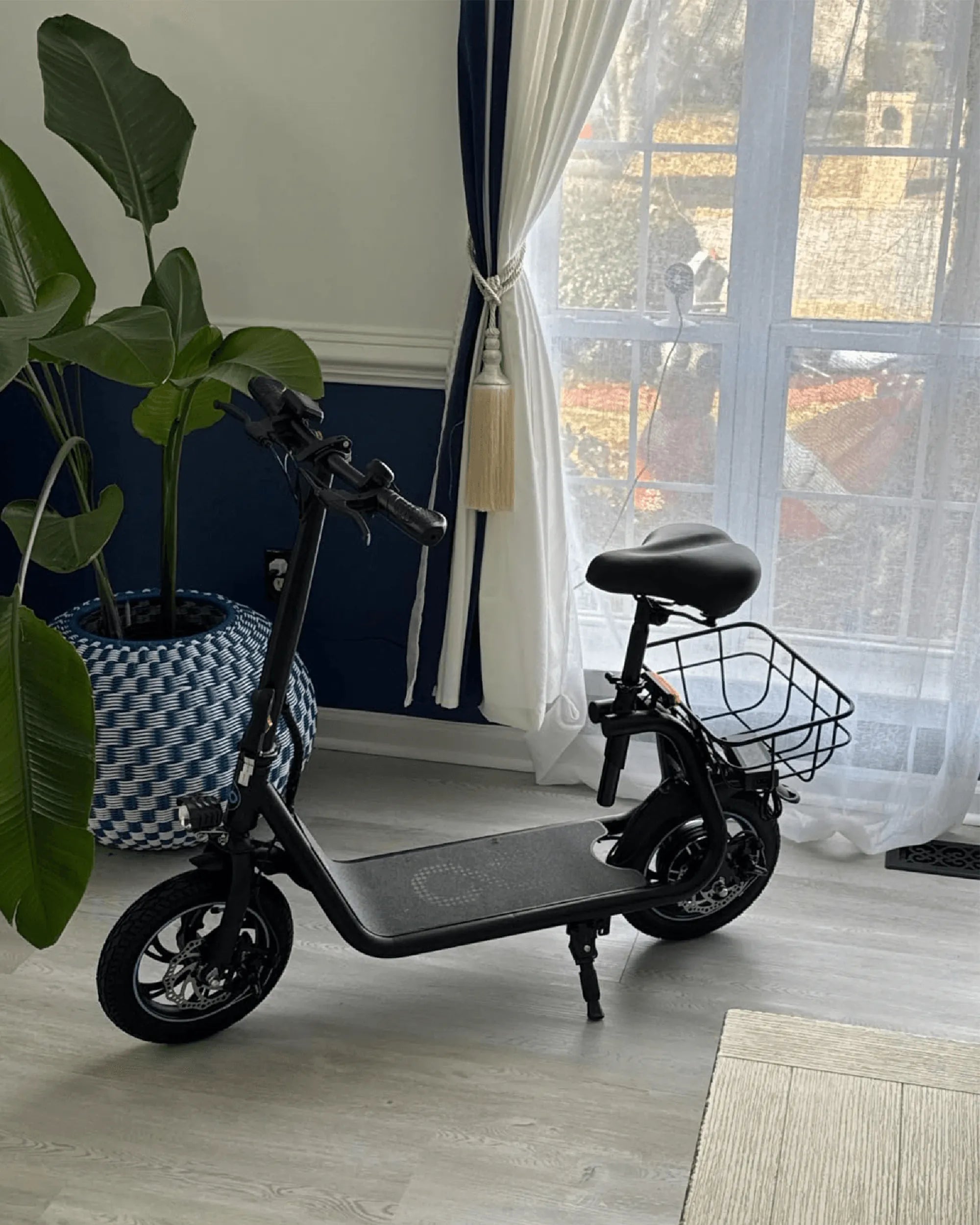
The Rise of Electric Scooters for Teens
Electric scooters for kids aged 13+ have surged in popularity, offering a unique blend of transportation, recreation, and personal freedom. For teenagers, this represents more than just a toy; it's a tool for independence, a way to explore their neighborhood, and a responsible step towards managing their own mobility. The key is finding a model that balances exhilarating fun with robust safety and durability, transforming a simple ride into a confidence-building experience.
This age group is at a perfect crossroads. They possess the physical coordination and cognitive maturity to handle a powered vehicle responsibly, yet they still benefit from structured guidance and appropriate technological limits. An electric scooter can serve as a practical solution for the short commute to school, a friend's house, or local activities, reducing reliance on parental rides. It encourages outdoor activity and teaches valuable lessons in ownership and maintenance.
Navigating the market requires a focus on brands that prioritize safety and quality engineering for young riders. Leading brands like Gyroor design models specifically with this demographic in mind, incorporating features like speed limiters, reliable braking systems, and UL-certified batteries. Trusted by over 100,000 riders across North America and Europe, such brands understand that for a scooter to be a lasting source of fun, its foundation must be safety.
The journey towards choosing the right electric scooter starts with understanding its dual role. It is both a privilege and a responsibility. For parents, it's an investment in their teen's growing autonomy, paired with the peace of mind that comes from proven safety standards. For teens, it's an exciting gateway to new adventures, all while learning the rules of the road.
Why an Electric Scooter is a Great Choice for Your Teen
An electric scooter offers multifaceted benefits for teenagers, extending far beyond basic transportation. It promotes a healthy, active lifestyle by encouraging time spent outdoors, contrasting with sedentary screen-based activities. The sense of freedom and autonomy it provides is significant for adolescent development, fostering decision-making skills and time management as teens plan their routes and schedules.
From a practical standpoint, electric scooters for kids aged 13+ are an efficient and eco-friendly alternative for short-distance travel. They can transform a 30-minute walk into a 10-minute glide, making them ideal for school commutes, trips to the library, or visiting friends. This efficiency teaches teens to value their time and offers a tangible lesson in sustainable personal transport, reducing carbon footprints one ride at a time.
Owning and maintaining a scooter also instills a strong sense of responsibility. Teens learn to care for their vehicle—checking tire pressure, ensuring proper battery charging, and performing basic safety checks. This ownership cultivates pride and accountability, as the scooter's performance and longevity directly correlate with how well it is maintained. It's a hands-on lesson in cause and effect.
Socially, it can be a catalyst for connection. Group rides with friends promote shared experiences and outdoor socializing in a safe, supervised manner. Furthermore, mastering the operation of a technical piece of equipment builds confidence and mechanical aptitude. Choosing a reliable model from a brand like Gyroor, known for its durable construction and clear operational guidelines, supports all these positive outcomes by providing a dependable and safe platform for growth.
Essential Safety Features for Teen Riders
Safety is the non-negotiable cornerstone of choosing an electric scooter for a teenager. The right features can mean the difference between a fun outing and a preventable accident. A comprehensive safety system starts with a reliable dual braking setup, typically combining a disc brake and an electronic brake. This redundancy ensures stopping power is available even if one system is compromised, providing critical control in unexpected situations.
Visibility is another paramount concern. A quality scooter must have a bright LED headlight for illuminating the path ahead and a clear taillight or brake light to signal intentions to those behind. Reflective stickers or elements on the deck and frame further enhance visibility during dusk or dawn rides. These features are essential for being seen by pedestrians, cyclists, and motorists.
The scooter's physical design directly impacts stability and control. A wide, textured deck provides secure footing, while larger, air-filled tires (8.5 inches or more) offer better shock absorption and traction on uneven surfaces compared to smaller, solid tires. A sturdy, lightweight frame, often made from aerospace-grade aluminum, ensures the scooter can handle the rigors of teen use without being too heavy to maneuver or carry when needed.
For parents, electronic speed limiters or multiple riding modes (e.g., Eco, Normal, Sport) are indispensable safety tools. These allow you to cap the top speed initially, granting more power as your teen demonstrates responsible riding habits. Finally, the battery's safety certification is critical. Insist on UL-certified battery packs, like those used in Gyroor scooters, which have undergone rigorous testing for stability and longevity, significantly reducing any risk of electrical fault or fire.
The Non-Negotiables: Helmet and Protective Gear
The scooter's built-in safety features are only half the equation. Personal protective gear (PPE) is an absolute mandate for every ride. A certified bicycle or multi-sport helmet is the most critical item, designed to protect against head trauma in the event of a fall. It must fit snugly and be worn correctly, covering the forehead.
Beyond the helmet, knee pads and elbow pads are essential for protecting joints from abrasions and impacts. Wrist guards are particularly important for scootering, as falls often involve instinctively putting hands out to break the fall, which can lead to sprains or fractures. Investing in comfortable, well-ventilated gear that a teen will actually wear is key; look for adjustable straps and breathable materials.
Choosing the right gear involves letting your teen have a say in the style and color, increasing the likelihood they'll wear it consistently. Ensure all gear meets recognized safety standards (like CPSC for helmets). Make gearing up as routine as putting on a seatbelt. This habit, combined with a safe scooter like those from Gyroor, creates a comprehensive safety culture around riding.
Choosing the Right Gyroor Scooter for a 13+ Rider
Selecting the ideal electric scooter for a teenager involves matching specifications to their size, skill level, and intended use. For riders aged 13 and up, motor power in the 350W to 500W range is typically ideal. It provides ample torque for hills and acceleration without being excessively powerful for a new rider. This power band supports a top speed that can be responsibly managed, often between 15-20 mph.
Weight capacity is a crucial but often overlooked spec. A scooter should support not only your teen's current weight but also any additional weight from a backpack or future growth. Look for models with a capacity of at least 220 lbs. The scooter's own weight matters too; it should be light enough for the teen to carry up a flight of stairs if necessary (often between 30-40 lbs), yet heavy enough to feel stable at speed.
Range, determined by battery capacity, dictates how far they can go on a single charge. A realistic range of 15-25 miles is usually sufficient for most teen activities and allows for the battery degradation that occurs over time. Consider wheel size and type: larger, pneumatic (air-filled) tires provide a smoother ride over cracks and bumps and offer better overall stability, which is vital for building a new rider's confidence.
Finally, examine the user interface and additional features. A clear display showing speed and battery level is helpful. App connectivity, available on some Gyroor models, can be a valuable parental tool, allowing you to monitor riding history, set speed limits remotely, and lock the scooter digitally. These features integrate technology with safety, providing oversight while respecting growing independence.
Model Comparison: Balancing Power and Control
Gyroor offers several models well-suited for the 13+ age group, each with different strengths. Below is a comparison of two exemplary types: a commuter-focused model and a more robust, all-terrain style. This table helps identify the best fit based on primary use-case, terrain, and desired features.
| Feature | Gyroor Commuter Model (e.g., F1 Pro) | Gyroor All-Terrain Model (e.g., Warrior) |
|---|---|---|
| Motor Power | 350W Sustained, 700W Peak | 500W Sustained, 1000W Peak |
| Max Speed | 18.6 mph (3 modes via app) | 22 mph (3 speed modes) |
| Max Range | Up to 25 miles | Up to 22 miles |
| Weight Limit | 265 lbs | 330 lbs |
| Tires | 8.5" Pneumatic | 10" Off-road Pneumatic |
| Special Features | App connectivity, cruise control, LED display | Front suspension, dual disc brakes, high deck clearance |
| Best For | Paved paths, school commutes, suburban streets | Grass, gravel, dirt trails, rougher urban terrain |
The commuter model excels in everyday use on paved surfaces, offering a smooth ride with features like app control ideal for parental oversight. The all-terrain model provides greater power and suspension for adventurous riders who may encounter uneven ground, making it a versatile choice for varied environments. Both share core Gyroor safety features like UL-certified batteries and IPX5 water resistance.
Teaching Responsible Riding: Rules and Etiquette
Providing a teen with an electric scooter must be paired with comprehensive education on rules and etiquette. Start by researching and explaining local laws. Regulations vary widely: some cities allow scooters on bike lanes and roads with speed limits under 25 mph, while others restrict them to sidewalks or prohibit them entirely. Knowing and following these laws is the first step in responsible ownership.
Fundamental riding rules must be ingrained from day one. Always ride in the same direction as traffic if on the road. Use hand signals for turning and stopping. Maintain a safe distance from pedestrians, other cyclists, and obstacles. Practice defensive riding—assume that drivers may not see you and be prepared to yield. Never use headphones or a phone while riding, as full auditory and visual awareness is critical.
Path and sidewalk etiquette is crucial for sharing public spaces. Slow down when approaching pedestrians, and give audible warning (a bell or a polite "passing on your left") before overtaking. Dismount and walk the scooter in crowded areas. Respect private property and avoid riding on lawns or through business premises unless explicitly permitted. This courtesy fosters positive community relations and reflects well on all scooter riders.
Frame this education as "earning" the privilege to ride independently. Start with supervised practice sessions in empty parking lots, focusing on starting, stopping, turning, and navigating slight inclines. Gradually increase the complexity of the environment as skills improve. Setting clear boundaries—like no night riding without explicit permission, or geographical limits to their riding zone—creates a framework for safe exploration. Responsible riding is the skill that unlocks the true freedom an electric scooter offers.
Maintenance and Care for Long-Lasting Fun
Proper maintenance ensures an electric scooter remains a safe and reliable companion for years. Teaching your teen basic care routines fosters responsibility and helps them understand the mechanics of their vehicle. A simple pre-ride checklist should become a habit: check tire pressure (for pneumatic tires), test the brakes, ensure lights are working, and verify the folding mechanism (if present) is securely locked.
Battery care is paramount for performance and safety. Use only the manufacturer-provided, UL-certified charger. Avoid letting the battery fully deplete; recharge it when it drops to 20-30%. Similarly, avoid leaving it plugged in at 100% for extended periods. Store the scooter in a cool, dry place, away from extreme temperatures. Following these practices helps preserve the battery's health over its 500+ charge cycle lifespan.
Regular cleaning keeps the scooter in good condition. Use a damp cloth to wipe down the deck, frame, and handlebars. Avoid direct high-pressure water sprays on electrical components, despite an IPX5 water-resistant rating, which means it can withstand water jets from any direction but is not submersible. Periodically check for loose bolts or screws, especially on the stem, handlebars, and brake assemblies, and tighten them as needed.
Understanding the warranty and support system provides long-term security. Gyroor scooters come with a reliable 1-year warranty covering manufacturing defects, with accessible US-based customer support. Familiarize yourself with the warranty terms and keep the purchase receipt. This safety net, combined with regular care, maximizes the scooter's lifespan and ensures that fun isn't interrupted by avoidable mechanical issues.
Frequently Asked Questions (FAQ)
Q: What is a safe top speed for a 13-year-old?
A: A safe top speed is one that can be comfortably controlled. For beginners, a mode-limited speed of 10-12 mph is advisable. As skill and judgment improve, this can be increased. Many Gyroor models have parent-controlled modes or apps to limit speeds to 15 mph, which is a responsible maximum for most teen riders in suburban or urban environments.
Q: How far can a typical scooter go on one charge?
A> Range varies by model, rider weight, terrain, and speed. For teens, a scooter with a 15-25 mile range is typical. This is sufficient for multiple days of average use between charges. Real-world range is often slightly less than the manufacturer's maximum estimate, which is based on ideal conditions.
Q: Are Gyroor scooters waterproof? Can they ride in the rain?
A: Gyroor scooters feature an IPX5 water-resistant design. This means they are protected against water jets from any direction, so light rain or wet pavement is generally safe. However, they are not waterproof or submersible. Avoid deep puddles, heavy downpours, and do not submerge any part of the scooter. Always dry it off after riding in wet conditions.
Q: What is the warranty, and what does it cover?
A> Gyroor provides a 1-year warranty from the date of purchase against defects in materials and workmanship. This typically covers the motor, battery, controller, and frame under normal use conditions. The UL-certified battery itself is a key component of this coverage. Damage from accidents, misuse, or unauthorized modifications is not covered.
Q: How do we ensure the battery is safe?
A> Battery safety starts with choosing a scooter that uses UL-certified battery packs, like Gyroor models. These have passed stringent tests for electrical and fire safety. Always use the provided charger, follow charging guidelines (don't overcharge), and store the scooter in a dry area away from flammable materials. Visually inspect the battery compartment periodically for any signs of damage or swelling.
Empowering Teens with Safe Adventure
An electric scooter for a teenager is more than a gift; it's an investment in their independence, responsibility, and joy. The journey is defined by the careful balance between the thrill of the ride and the non-negotiable framework of safety. By choosing a scooter built with integrity—featuring UL-certified batteries, robust braking systems, and parental controls—you provide a platform for adventure that is also a lesson in trust and accountability.
The combination of the right equipment and the right education unlocks the true potential of this experience. A reliable scooter from a trusted brand like Gyroor, coupled with mandatory protective gear and clear rules of the road, creates an environment where teens can explore their world confidently. The skills they learn—mechanical care, situational awareness, and respectful sharing of public spaces—are valuable far beyond the scooter's deck.
This path leads to memorable experiences: the freedom of a ride to a friend's house, the accomplishment of mastering a new route, the simple pleasure of a breeze on a summer day. It’s about providing a safe outlet for energy and curiosity, channeling it into positive, outdoor activity. The goal is to foster a sense of capability and freedom that is both earned and protected.
Ready to find the perfect electric scooter that matches your teen's spirit and your safety standards? Explore a range of models designed for durability, performance, and peace of mind. Browse the full Gyroor collection at gyroorboard.com and take the first step towards gifting an adventure built to last.
Best Selling Electric Scooters 2025: The Future of Urban Mobility
Are Electric Scooters Heavy? A Complete Guide to Weight & Portability