



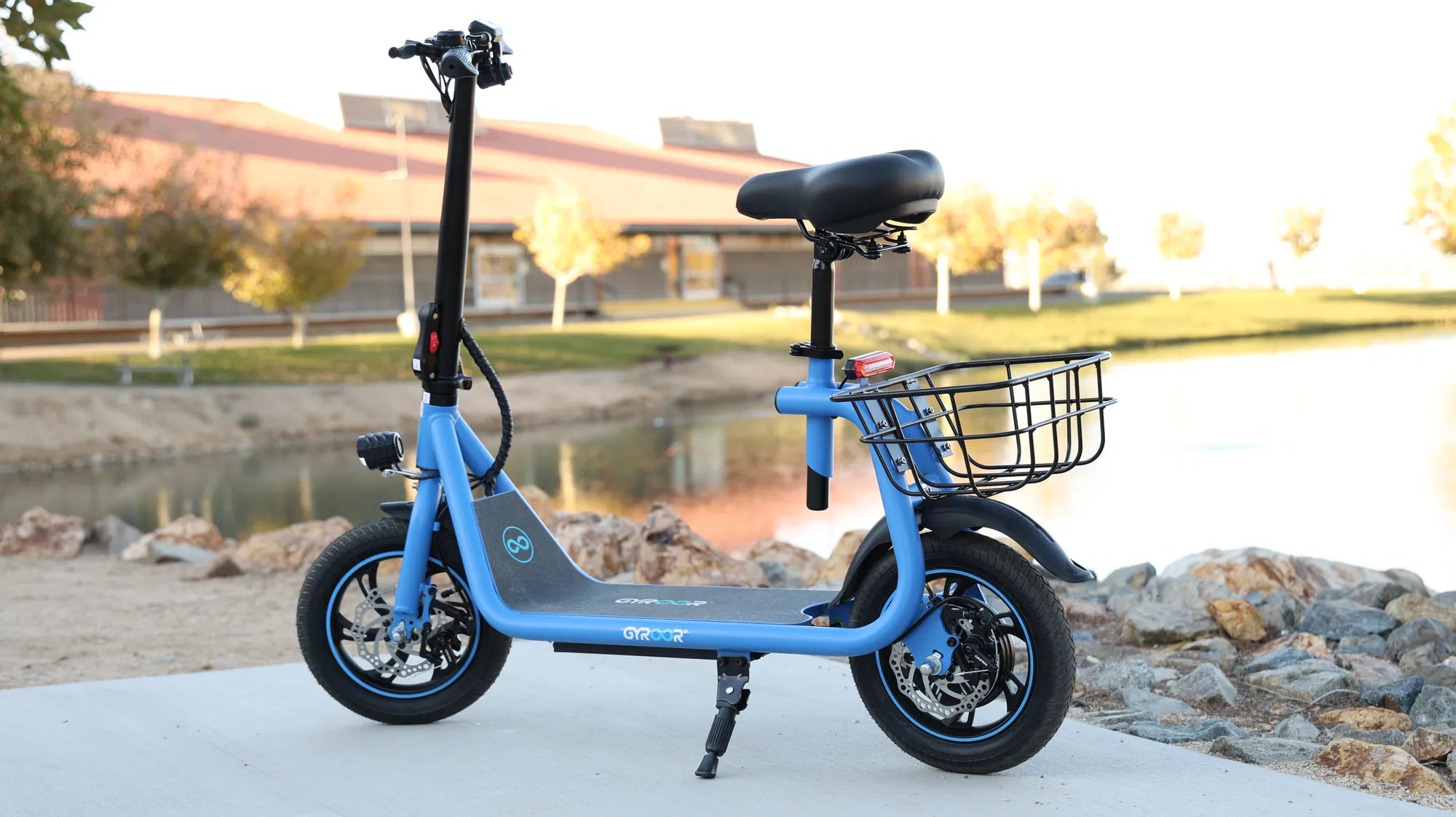
Introduction to Electric Scooters in Orlando
Orlando’s vibrant streets, from the bustling corridors of International Drive to the serene paths of Lake Eola, demand a smart transportation solution. Electric scooters have emerged as the perfect answer, offering a swift, enjoyable, and eco-friendly way to bypass gridlock and parking fees. This guide, Electric Scooters Orlando: The Ultimate Guide to Eco-Friendly Commuting, is your definitive resource for embracing this modern mobility shift. You will learn why the city's layout is uniquely suited for e-scooters, what features are non-negotiable for local conditions, and how to ride safely and legally. We cut through the hype to provide data-driven insights, helping you choose a reliable scooter that turns your daily travel into an advantage.
Why Orlando is Perfect for Electric Scooter Commuting
Orlando’s geography and infrastructure create an almost tailor-made environment for electric scooter adoption. The city's predominantly flat terrain minimizes the strain on scooter motors and batteries, allowing for efficient, longer rides. This topography is a stark contrast to hillier cities, making even mid-range scooters highly effective for daily use.
An extensive and growing network of multi-use trails and dedicated bike lanes provides safe corridors for riders. Key routes like the Orlando Urban Trail, Cady Way Trail, and the West Orange Trail offer scenic, car-free pathways connecting neighborhoods, parks, and business districts. This infrastructure reduces conflict with vehicular traffic and enhances the commuting experience.
Practical daily pressures further incentivize the switch. Parking in downtown Orlando, the Medical City, and popular tourist areas can be costly and frustratingly scarce. An electric scooter eliminates this headache entirely. Combined with over 230 days of sunshine annually, the conditions for year-round riding are exceptional, barring the occasional afternoon thunderstorm.
Key Features to Look for in an Orlando E-Scooter
Not all electric scooters are built for the specific demands of Central Florida. Selecting the right model requires focusing on specifications that guarantee performance, durability, and safety in the local context. Prioritizing these features ensures your investment is protected and your commute is reliable.
Battery Life & Range for Orlando Distances
Real-world range is critical. A commute from the Milk District to UCF’s main campus is roughly 10 miles round trip, while exploring downtown and the surrounding neighborhoods can easily add up. Look for a scooter with a manufacturer-stated range of at least 15-20 miles to account for variables like rider weight, acceleration patterns, and inclines on overpasses.
Battery quality and safety are paramount. Opt for models featuring UL-certified battery packs, which have undergone rigorous testing for stability and safety, reducing risks associated with overheating or failure. Brands like Gyroor utilize these certified batteries, engineered for over 500 charge cycles, ensuring long-term reliability for the daily Orlando commuter.
Durability for Florida Weather
Florida’s climate tests durability with high humidity, intense heat, and sudden, heavy rain showers. A water resistance rating of IPX5 or higher is essential. An IPX5 rating means the scooter can withstand water jets from any direction, making it safe to ride through puddles and unexpected rain.
Build quality must combat constant moisture and UV exposure. Look for rust-resistant aluminum frames and sealed electronic components. Tire choice is also vital; while air-filled (pneumatic) tires offer a smoother ride on varied pavement, some solid or honeycomb tires provide better puncture resistance, a trade-off to consider based on your primary routes.
Portability & Local Regulations
For mixed-mode commuters who might take a Lynx bus part of the way, portability is key. A foldable scooter under 40 pounds is manageable to carry for short distances. Check the folded dimensions to ensure it fits comfortably under a desk or in a designated storage area.
Understanding local regulations is a required feature of responsible ownership. In Orlando, electric scooters are generally treated as bicycles. They are permitted on roads with speed limits up to 35 mph, in bike lanes, and on multi-use paths. Helmets are strongly recommended for all riders and are legally required for those under 16. Scooters should not be ridden on sidewalks in business districts.
Gyroor Scooters: Engineered for Orlando's Commuting Needs
As a leader in personal electric mobility, Gyroor designs its scooters with real-world urban challenges in mind. Trusted by over 100,000 riders across North America and Europe, the brand’s focus on UL-certified safety, robust water-resistant builds, and reliable performance aligns directly with the demands of Orlando commuting. Their models offer solutions that address range anxiety, weather concerns, and the need for durable daily transportation.
Model Comparison: Urban Commuter vs. Power & Range
Choosing the right Gyroor model depends on your specific commute length and terrain. The following comparison highlights key specs for Orlando riders.
| Model | Max Range | Water Resistance | Motor Power | Key Feature for Orlando |
|---|---|---|---|---|
| Gyroor F1 Pro | Up to 25 miles | IPX5 | 500W (Peak 800W) | Ideal for longer commutes (e.g., Conway to Downtown) with dual suspension for trail comfort. |
| Gyroor S1 | Up to 18 miles | IPX5 | 350W (Peak 600W) | Perfect balance of portability (folds compactly) and power for urban errands and shorter trips. |
| Gyroor F1 Max | Up to 40 miles | IPX5 | 500W (Peak 800W) | Extended range for maximum flexibility and exploring, with a powerful motor for overpasses. |
Each model is backed by a comprehensive 1-year warranty and is built with the IPX5 water-resistant standard, making them ready for Florida’s weather. The powerful motors ensure you can maintain speed on slight grades like highway overpasses, a common feature in Orlando’s landscape.
Navigating Orlando Safely on Your E-Scooter
Safety is the foundation of a positive e-scooter experience. Orlando’s roads are shared with tourists, cyclists, pedestrians, and drivers, requiring heightened awareness and proactive riding habits. Adopting these practices protects you and fosters a respectful coexistence with all road users.
Essential Safety Gear & Best Practices
A helmet is non-negotiable, regardless of the law. A certified bicycle or multi-impact helmet can prevent serious injury. Equip your scooter with bright front and rear lights, and consider adding reflective strips to your clothing or backpack for visibility during early morning or evening rides.
When riding, always assume you are not seen. Use hand signals for turns, obey all traffic signals, and never ride against traffic. On high-traffic corridors like International Drive or downtown streets, stay predictable and use bike lanes where available. On scenic trails like the Lake Baldwin Trail, control your speed and audibly signal when passing pedestrians.
Parking, Charging, and Scooter Etiquette
Responsible parking is crucial. Never block sidewalks, ramps, building entrances, or access points. Use designated bicycle parking areas whenever possible. If you must park on the sidewalk, ensure at least a 36-inch clear path remains for pedestrians and those with disabilities.
For charging, plan around your daily range. Many workplaces, cafes, and public libraries offer accessible outlets. Carry your charger in a backpack for top-up opportunities. If using a shared scooter service, always end your ride in a designated parking zone to avoid fines and clutter. Your courtesy ensures continued access and positive public perception.
Maintenance Tips for Longevity in Florida
Regular maintenance preserves your scooter’s performance and safety in a demanding environment. A simple, consistent routine can extend the life of your investment significantly, keeping it ready for Orlando’s streets year-round.
After riding in rain or through puddles, wipe down your scooter with a dry cloth, paying special attention to the deck, stem, and brakes. Avoid using a high-pressure hose. Monthly, check tire pressure if you have pneumatic tires, and inspect them for wear or embedded debris. Tighten any visible bolts and ensure the folding mechanism is secure.
Battery care is critical. Avoid leaving your scooter fully discharged for extended periods. Store it in a cool, dry place away from direct sunlight when not in use. Adhering to the manufacturer’s charging guidelines—typically not leaving it plugged in indefinitely after a full charge—will maximize the lifespan of the UL-certified battery pack.
Frequently Asked Questions (FAQ)
Are electric scooters legal in Orlando?
Yes, privately owned electric scooters are legal. They are subject to similar rules as bicycles. You can ride on roads (with speed limits up to 35 mph), in bike lanes, and on multi-use paths. Riding on sidewalks in business districts is prohibited. Helmets are required for riders under 16.
Can I ride my e-scooter in the rain?
If your scooter has a high enough water resistance rating (IPX5 or above), it is technically possible. However, exercise extreme caution. Reduce speed, avoid deep puddles that could submerge the deck, and brake earlier and more gently. Visibility is reduced for both you and drivers.
What is the best electric scooter for Orlando's terrain?
The best scooter balances sufficient range (15-25+ miles), a powerful enough motor (350W+) for overpasses, and a durable, water-resistant build (IPX5). Models like the Gyroor F1 series are engineered specifically for these urban demands, offering reliability for daily commuting.
How does Gyroor's warranty support Orlando riders?
Gyroor offers a 1-year comprehensive warranty covering the frame, battery, motor, and electronics. This warranty, backed by US-based customer support, provides Orlando riders with peace of mind, ensuring any issues related to manufacturing or materials are promptly addressed.
Can I take my e-scooter on Lynx buses or the SunRail?
Lynx buses allow folded bicycles and scooters at the driver’s discretion, provided they do not block aisles. SunRail permits folded bicycles and likely scooters in the designated bike car, but it’s best to check current policies before your first trip.
Conclusion: Your Next Steps to Eco-Friendly Orlando Commuting
Orlando presents a compelling case for electric scooter ownership, with its flat terrain, extensive trails, and practical commuting challenges. The key to a successful experience lies in choosing a scooter built for durability, with a reliable battery and proper water resistance. By prioritizing safety gear, understanding local laws, and performing simple maintenance, you unlock a convenient, cost-effective, and enjoyable way to navigate the city. Embrace the future of urban mobility with a trusted brand designed for the real world. Browse the full Gyroor collection at gyroorboard.com to find the perfect electric scooter for your Orlando adventures and start your journey toward sustainable commuting today.
How Fast Do Kids Electric Scooters Go: Speed, Safety, and Fun Explained
Weight Limit on Electric Scooters: What You Need to Know Before Riding