



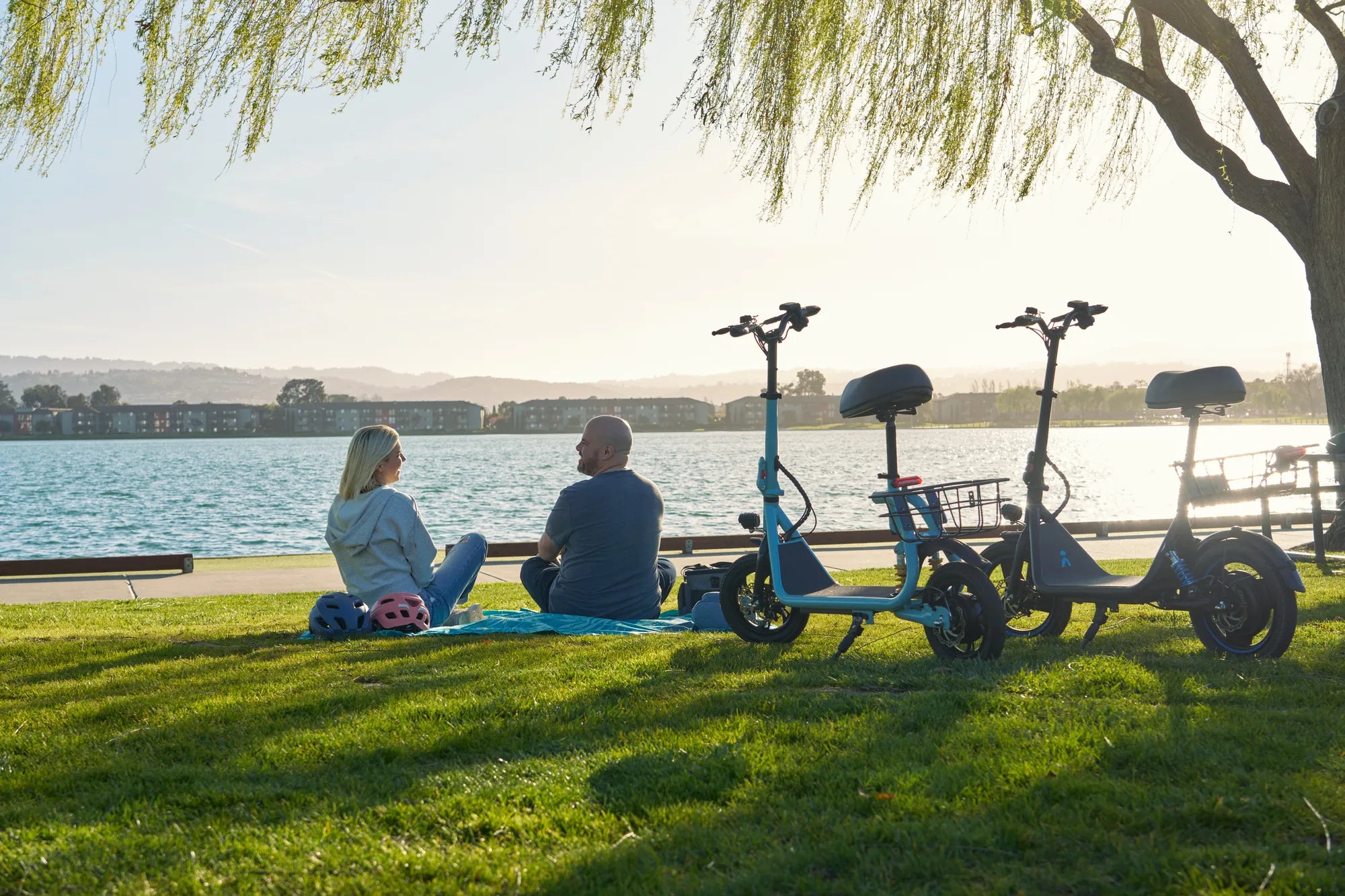
Introduction: Why Suspension is a Game-Changer for Adult E-Scooters
Forget the bone-rattling rides of toy-like scooters. For adults using electric scooters as serious transportation, a suspension system is the single most critical feature separating a punishing commute from a pleasurable journey. This guide dives deep into the world of electric scooters with suspension for adults, explaining the engineering, benefits, and selection criteria that matter. We'll explore how proper suspension transforms urban mobility by enhancing safety, reducing fatigue, and protecting your investment. Brands committed to quality, like Gyroor—a leading electric scooter and e-bike brand trusted by over 100,000 riders across North America and Europe—integrate robust suspension into UL-certified, reliable platforms, recognizing it as a necessity, not an accessory.
The modern urban landscape is filled with imperfections: potholes, expansion joints, cobblestones, and cracked pavement. Without suspension, every bump transmits directly through the frame to the rider's joints and the scooter's core components. This isn't just uncomfortable; it's unsafe and damaging. A quality suspension system acts as a sophisticated buffer, absorbing impacts to maintain stability and control.
This guide is designed for the adult rider who views their scooter as a legitimate vehicle. Whether you're a daily commuter covering several miles or a weekend explorer hitting park trails, understanding suspension will empower you to make an informed purchase. The right scooter doesn't just get you from A to B; it makes the journey enjoyable, reliable, and adaptable to real-world conditions.
We will break down the types of suspension, from basic springs to advanced hydraulic systems. You'll learn the tangible benefits that directly impact your ride quality and safety. Furthermore, we'll provide a detailed checklist of features to evaluate, ensuring your chosen model delivers on the promise of ultimate comfort. The goal is to move beyond marketing specs and understand the practical engineering that makes a great adult electric scooter.
Understanding Scooter Suspension: Types and How They Work
At its core, a suspension system is a mechanical assembly designed to dampen shock impulses. It does this by converting the kinetic energy from a bump into another form of energy (typically heat) that is then dissipated. For an electric scooter, this has three primary functions: to absorb impacts from road irregularities, to keep the wheels in constant contact with the ground for optimal traction, and to provide a stable platform for the rider. Let's examine the common types found in today's market.
Spring Suspension
Spring suspension is the most fundamental and widely used type. It consists of a coil spring, usually made of steel, that compresses to absorb a shock and then rebounds. Its operation is straightforward: when a wheel hits a bump, the spring compresses, slowing the transfer of force to the frame. The energy is stored in the spring and released as it expands back.
The primary advantage of spring suspension is its simplicity and cost-effectiveness. It's durable, requires minimal maintenance, and provides a significant comfort upgrade over a rigid fork. However, a basic spring system has a key drawback: it tends to oscillate or "bounce" after an impact. This can create a pogo-stick effect, which feels uncontrolled and can reduce traction as the wheel loses contact with the pavement during rebound.
Higher-end spring systems often incorporate elastomer bumpers or other damping elements within the spring coil to mitigate this bounce. When evaluating a spring suspension, look for terms like "dual spring" or descriptions that mention damping. A well-tuned spring system on a quality scooter can offer excellent value and reliable performance for most urban environments.
Hydraulic or Oil-Based Suspension
Hydraulic suspension represents a significant step up in performance and control. This system pairs a spring with a hydraulic damper (shock absorber). The damper is a cylinder filled with oil; as the suspension compresses and rebounds, a piston forces the oil through small valves, creating resistance.
This hydraulic resistance controls the speed of the spring's movement, effectively eliminating the uncontrolled bouncing of a simple spring. The result is a smooth, planted, and predictable feel. The scooter absorbs the initial impact and returns to its resting position in a controlled manner, keeping the tire firmly on the ground. This is crucial for maintaining traction during braking and cornering.
Hydraulic systems are often found on premium and performance-oriented electric scooters with suspension for adults. They are more complex and expensive to manufacture but deliver a ride quality that is closer to that of a motorcycle or quality mountain bike. Some advanced models even offer adjustable damping, allowing riders to fine-tune the suspension's firmness to their weight and riding style.
Rubber or Elastomer Suspension
Rubber or elastomer suspension uses blocks of dense, compressible polymer material to absorb shocks. These blocks are typically mounted at the base of the steering column or within the neck of the scooter. When force is applied, the elastomer compresses, providing a small amount of give.
This type is most common in entry-level or lightweight scooters where cost and weight savings are paramount. While better than no suspension at all, elastomer systems have clear limitations. They offer very limited travel (the distance the wheel can move), provide minimal damping, and the rubber can degrade over time, especially in extreme temperatures, losing its elasticity.
For an adult rider seeking genuine comfort and durability, elastomer suspension is generally insufficient. It may take the edge off minor vibrations but will struggle with larger bumps and provide little benefit on longer rides. It's a compromise solution that highlights why investing in a scooter with a proper spring or hydraulic system is essential for serious use.
Key Benefits of a Suspension System for Adult Riders
The advantages of a well-designed suspension system extend far beyond simple comfort. They fundamentally enhance the safety, capability, and longevity of the scooter, making it a viable primary vehicle for adult riders. Let's explore these benefits in detail.
Enhanced Comfort and Reduced Fatigue
This is the most immediately noticeable benefit. Suspension absorbs the high-frequency vibrations from rough asphalt and the sharp jolts from cracks and potholes. Instead of your legs and knees acting as shock absorbers, the scooter's mechanics do the work. This dramatically reduces physical fatigue, allowing you to ride longer distances without discomfort.
For commuters, this means arriving at work or home feeling refreshed rather than jarred. It transforms the scooter from a last-mile solution into a legitimate multi-mile commuting tool. The reduction in whole-body vibration also minimizes long-term strain on joints, making regular riding sustainable. Comfort is not a luxury; it's a prerequisite for consistent use.
Improved Safety and Traction
Safety is paramount, and suspension is a direct contributor. By maintaining consistent tire contact with the road (a principle called "contact patch stability"), suspension ensures that your brakes and acceleration have maximum effect. On a rigid scooter, hitting a bump can cause the wheel to skip, leading to a momentary but dangerous loss of braking power or steering control.
This is especially critical in wet conditions or on surfaces with loose debris. A suspended scooter remains planted, giving you confidence when cornering or making emergency maneuvers. The stability provided by suspension also makes the scooter easier to control at higher speeds, as it is less prone to being deflected by minor road imperfections. In short, suspension helps keep you upright and in command.
Greater Versatility and Terrain Handling
A suspension system unlocks new terrain. A rigid scooter is largely confined to pristine, smooth pavement. With suspension, you can confidently navigate brick-paved streets, packed gravel bike paths, grassy park cut-throughs, and cobblestone districts. This versatility expands your route options and makes the scooter a true tool for exploration.
It redefines the scooter's role from a sidewalk cruiser to a robust urban vehicle. Whether you're navigating a construction zone detour or taking a scenic route along a river trail, suspension provides the capability to handle it. This adaptability is a key reason why adults seeking a car-alternative should prioritize this feature in their electric scooters with suspension for adults.
Protection for Your Scooter
The impacts absorbed by the suspension aren't just spared from your body; they're also spared from the scooter's vital components. Constant, jarring vibrations are detrimental to the electronic systems, solder joints, battery pack connections, and the structural integrity of the frame itself. A good suspension system acts as a first line of defense.
By mitigating these shocks, suspension contributes directly to the scooter's long-term reliability and reduces the likelihood of premature failures. This is a core engineering principle for durability-focused brands. For instance, Gyroor designs its models with integrated suspension to protect their UL-certified battery packs and robust motor controllers, ensuring the scooter remains a dependable asset for years. It's an investment in the vehicle's lifespan.
What to Look For: Suspension & Related Comfort Features
Suspension doesn't work in isolation. To achieve the ultimate ride comfort, it must be part of a holistic design that includes complementary features. Use this checklist when evaluating potential models.
Suspension Travel and Adjustability
Travel is the maximum distance the wheel can move vertically from its resting position, usually measured in millimeters or inches. More travel (e.g., 50-100mm/2-4 inches) generally means a greater ability to absorb larger bumps without "bottoming out." For urban use, 30-50mm is often sufficient, but more is beneficial for mixed terrain.
Adjustability is a premium feature. Pre-load adjustment, often via a dial or collar on the spring, allows you to stiffen or soften the suspension to match your weight. This ensures optimal performance and prevents the suspension from sagging too much under load. Some high-end models may offer rebound damping adjustment for fine-tuning how quickly the suspension returns after compression.
Wheel Size and Tire Type
Suspension and tires form a comfort duo. Larger wheels (9-10 inches and above) roll over obstacles more easily than smaller (8-inch) wheels, reducing the initial impact the suspension must handle. Air-filled (pneumatic) tires provide their own cushioning effect and superior grip, working synergistically with the suspension.
Solid or honeycomb tires eliminate puncture risk but offer a harsher ride and less grip, putting more demand on the suspension system. For the best comfort, prioritize a scooter with pneumatic tires and suspension. If you must choose a solid tire model, a robust suspension system becomes absolutely non-negotiable to achieve an acceptable ride quality.
Deck Design and Ergonomics
The deck is your platform. A wide, long deck (especially one with a textured, grippy surface) allows you to position your feet comfortably and securely. A cramped deck leads to fatigue. The deck should also be low enough to the ground for easy mounting but with sufficient ground clearance to prevent scraping during turns over bumps.
Ergonomics extend to the handlebar height and grip design. An upright, natural riding posture reduces strain on your back and wrists. Look for adjustable handlebar heights if possible. All these elements combine with suspension to create a cohesive, comfortable riding experience where no single point of contact with the scooter causes discomfort.
Build Quality and Warranty
A suspension system is a mechanical component under constant stress. It must be built from quality materials with precise engineering. Look for features like forged aluminum arms, sealed bearings, and robust mounting points. The overall frame should feel solid, not flexy.
This build quality should be backed by strong warranties and safety certifications. A comprehensive 1-year warranty, like Gyroor's, signals confidence in the product's durability. Crucially, ensure the battery is UL-certified for safety—a non-negotiable aspect for any reputable brand. A scooter with a great suspension but a poorly built battery or a flimsy frame is a compromised and potentially dangerous product.
Suspension Scooter Comparison: Key Models & Specs
The table below compares general suspension scooter categories and highlights how key features work together. It uses representative data to illustrate the market segmentation.
| Category | Suspension Type | Typical Wheel/Tire | Best For | Comfort & Capability Notes |
|---|---|---|---|---|
| Entry-Level Commuter | Front Spring or Elastomer | 8.5" Solid / Air | Smooth Pavement, Short Trips | Basic bump absorption. Ride can still feel harsh on rough roads. Limited terrain. |
| Mid-Range All-Rounder | Dual Spring (Front & Rear) | 10" Pneumatic | Daily Urban Commuting | Balanced comfort and value. Handles common urban imperfections well. Good for 5-10 mile trips. |
| Performance Commuter | Hydraulic or Adjustable Spring | 10"+ Pneumatic | Long Commutes, Varied Terrain | Superior damped feel, high stability. Manages potholes, gravel confidently. Reduced rider fatigue. |
| Off-Road Capable | Long-Travel Hydraulic | 11"+ Off-Road Pneumatic | Trails, Rough Terrain | Maximum impact absorption. Designed for aggressive use beyond paved roads. Heavier build. |
Real-World Application: Who Needs a Suspension Scooter Most?
While any adult rider benefits from suspension, certain profiles will find it transformative. Identifying your primary use case clarifies the level of suspension performance you should seek.
The Daily Urban Commuter
If your scooter is your primary mode of transport to work, school, or errands, suspension is critical. You encounter the same challenging routes daily: potholes, manhole covers, tram tracks, and broken pavement. A suspended scooter turns a stressful, fatiguing commute into a predictable and enjoyable one. It ensures you arrive consistently and safely, regardless of the city's maintenance cycle. For this rider, a mid-range or performance commuter model with dual suspension and pneumatic tires is the ideal tool for the job.
The Recreational Explorer
This rider uses the scooter for fun, fitness, and exploration on weekends or evenings. They seek out bike trails, waterfront paths, parks, and scenic routes where surface conditions can change every mile. Suspension is the key that unlocks this exploration, allowing you to flow from asphalt to hard-packed dirt or boardwalk without a second thought. It encourages longer rides by removing the discomfort barrier. A model with good travel and versatile tires is perfect for the explorer.
Riders in Cities with Poor Road Conditions
Some cities are famously tough on vehicles. If you live in an area known for harsh winters (and the potholes that follow), historic brick or cobblestone streets, or generally neglected infrastructure, a suspension scooter is non-negotiable. It's not about luxury; it's about basic vehicle functionality. In these environments, opting for a robust suspension system—preferably hydraulic for its controlled response—is a direct investment in your safety and the scooter's survivability. Don't compromise here.
Frequently Asked Questions (FAQ)
Q1: Can I add suspension to a scooter that doesn't have it?
A: Generally, no. Suspension is integrated into the scooter's fundamental design—the fork, swingarm, and frame. Aftermarket kits are extremely rare, unreliable, and can compromise structural integrity and safety. It is always better to purchase a scooter designed with suspension from the ground up.
Q2: Does suspension affect the scooter's top speed or range?
A: Minimally. The added weight of a suspension system (usually 1-3 kg) might have a tiny, almost imperceptible impact on acceleration and range. However, the improved traction and stability can actually make riding more efficient at higher speeds, as the scooter isn't wasting energy bouncing or being deflected. The comfort benefits far outweigh any negligible range trade-off.
Q3: How much maintenance does a scooter suspension require?
A> Good quality suspension systems are designed to be low-maintenance. Basic spring systems require virtually none beyond occasional cleaning and checking for loose bolts. Hydraulic systems are sealed but should be checked for oil leaks. The most common maintenance item is ensuring all pivot points and bolts are tight. Refer to your manufacturer's manual for specific intervals. A brand with a strong warranty will support you if issues arise.
Q4: Is a suspension scooter much heavier?
A: Yes, but meaningfully so. A suspension system adds components like springs, dampers, and reinforced linkages, increasing weight typically by 10-20%. For example, a comparable rigid scooter might weigh 30 lbs, while a suspended version could be 35-38 lbs. This is a worthwhile trade-off for the dramatic improvement in ride quality, safety, and durability. The weight is a sign of robust construction.
Q5: With good suspension, do I still need to wear a helmet?
A: Absolutely, without question. A helmet is non-negotiable personal protective equipment, regardless of your scooter's features. Suspension improves vehicle control and reduces crash risk from loss of traction, but it does not prevent collisions with cars, pedestrians, or other obstacles. Always wear a certified bicycle or multi-impact helmet, and consider additional safety gear like gloves and knee pads, especially at higher speeds.
Conclusion: Investing in a Smoother, Safer Journey
Choosing an electric scooter with a proper suspension system is one of the most significant decisions an adult rider can make. It elevates the experience from a novelty to dependable, enjoyable transportation. As we've explored, the benefits are comprehensive: from the direct physical comfort of absorbing bumps to the critical safety gains of maintained traction and stability. A suspended scooter is a more capable, versatile, and durable machine, designed to handle the imperfect realities of urban and recreational riding.
When evaluating your options, look beyond the suspension label. Consider it as part of an ecosystem of quality that includes synergistic features like pneumatic tires, a ergonomic deck, and a robust frame. Prioritize brands that back their engineering with safety certifications like UL for batteries and strong warranties, hallmarks of a product built to last. The right scooter is an investment in your daily life, transforming commutes into adventures and errands into pleasures.
Ready to experience the ultimate ride comfort? Explore a range of high-performance, suspension-equipped models engineered for adults who demand reliability, safety, and smooth travel. Browse the full Gyroor collection at gyroorboard.com to find your perfect ride.
Electric Scooters St Louis: The Ultimate Guide to Urban Mobility
How Fast Do Kids Electric Scooters Go: Speed, Safety, and Fun Explained