

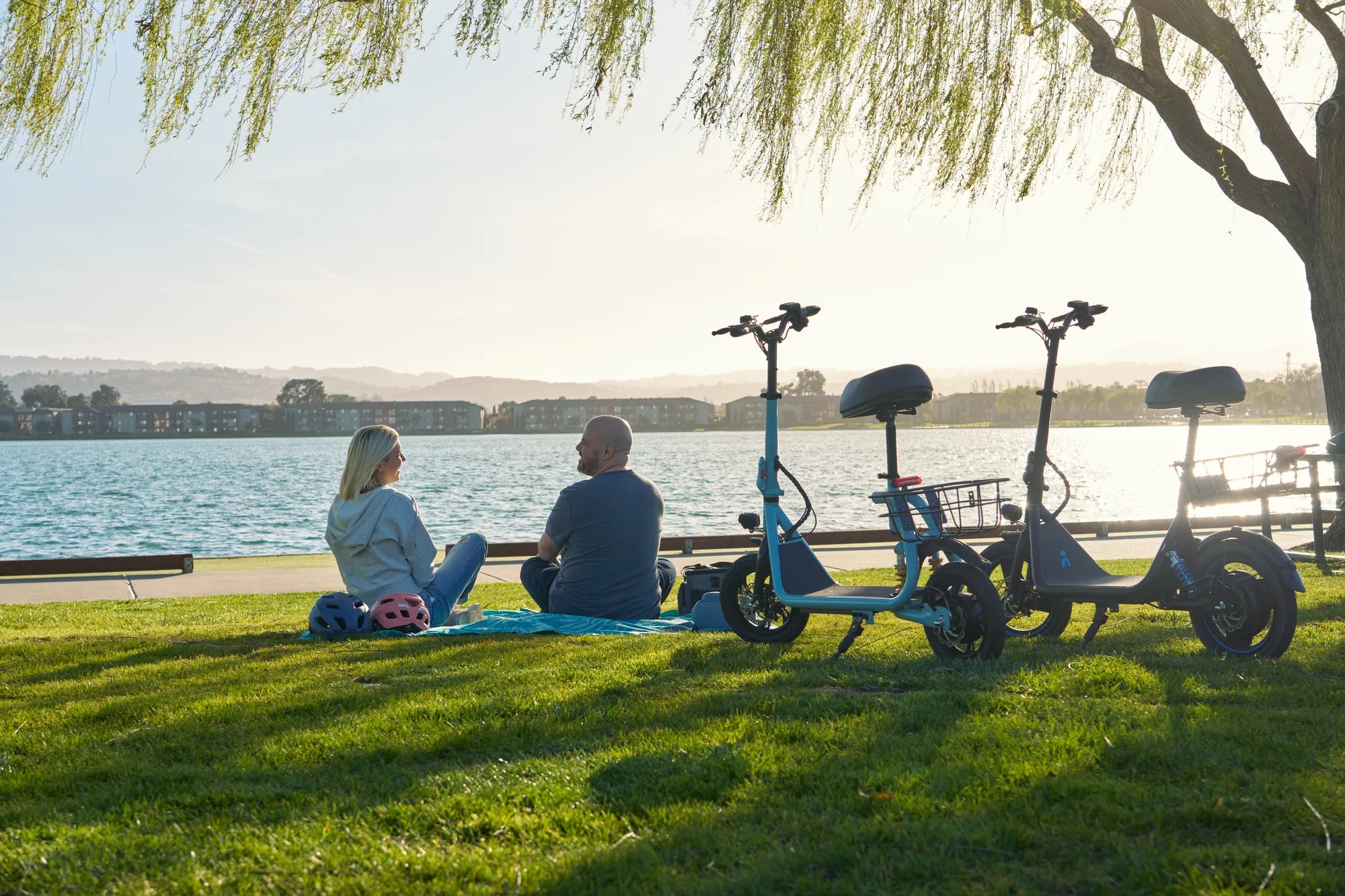
The streets of India are buzzing with a quiet revolution—electric two-wheeler vehicles are rapidly becoming the preferred choice for urban commuters. With rising fuel prices, growing environmental concerns, and government incentives, these eco-friendly alternatives are transforming the way people travel. But what makes them so popular, and what does the future hold for this burgeoning market?
The Rise of Electric Two-Wheeler Vehicles in India
India's electric two-wheeler market has witnessed exponential growth in recent years. The government's push for cleaner mobility solutions, coupled with advancements in battery technology, has made these vehicles more accessible and affordable. Cities like Delhi, Bangalore, and Mumbai are leading the charge, with thousands of electric scooters and bikes hitting the roads every month.
Benefits of Electric Two-Wheelers
Electric two-wheelers offer numerous advantages over their petrol-powered counterparts. They are cost-effective, with lower maintenance and operational costs. Charging an electric vehicle is significantly cheaper than refueling a conventional bike. Additionally, they produce zero emissions, contributing to cleaner air and a healthier environment.
Economic Savings
One of the biggest draws of electric two-wheelers is the economic benefit. With fuel prices soaring, the savings on petrol can be substantial. Moreover, electric vehicles have fewer moving parts, reducing the need for frequent repairs and maintenance.
Environmental Impact
Reducing carbon footprints is a global priority, and electric two-wheelers play a crucial role in this effort. By switching to electric, riders can significantly cut down on greenhouse gas emissions, helping India meet its climate goals.
Challenges Facing the Adoption of Electric Two-Wheelers
Despite their benefits, electric two-wheelers face several challenges in India. The lack of charging infrastructure is a major hurdle, especially in smaller towns and rural areas. Range anxiety—the fear of running out of battery—also deters potential buyers. Additionally, the higher upfront cost of electric vehicles compared to traditional bikes can be a barrier for many.
Infrastructure Limitations
The scarcity of charging stations remains a significant issue. While urban centers are gradually improving their infrastructure, rural areas lag behind. This disparity limits the widespread adoption of electric two-wheelers outside major cities.
Battery Technology and Range
While battery technology has improved, concerns about range and charging time persist. Most electric two-wheelers offer a range of 80-100 kilometers on a single charge, which may not be sufficient for long-distance commuters.
Government Initiatives and Policies
The Indian government has introduced several policies to promote electric mobility. Subsidies under the Faster Adoption and Manufacturing of Electric Vehicles (FAME) scheme have made electric two-wheelers more affordable. State governments are also offering incentives, such as reduced road tax and registration fees, to encourage adoption.
FAME II Scheme
The FAME II scheme provides financial incentives to manufacturers and buyers of electric vehicles. This initiative aims to boost domestic production and reduce reliance on imported fossil fuels.
State-Level Incentives
Many states have rolled out their own policies to support electric mobility. For example, some states offer subsidies on the purchase of electric two-wheelers, while others provide free charging facilities in public places.
The Future of Electric Two-Wheelers in India
The future looks bright for electric two-wheelers in India. With continuous advancements in technology, declining battery costs, and increasing consumer awareness, the market is poised for significant growth. Experts predict that electric two-wheelers could dominate the urban mobility landscape within the next decade.
Technological Advancements
Innovations in battery technology, such as solid-state batteries, promise longer ranges and faster charging times. These developments will address many of the current limitations and make electric two-wheelers even more appealing.
Growing Consumer Awareness
As more people become aware of the environmental and economic benefits of electric vehicles, demand is expected to surge. Educational campaigns and testimonials from early adopters are playing a key role in changing perceptions.
The electric two-wheeler revolution in India is just getting started. With the right policies, infrastructure, and consumer mindset, these vehicles could soon become the backbone of urban transportation. Are you ready to join the green mobility wave?
Share:
New Launch E Scooter: The Future of Urban Mobility
E Scooter Riding Tips: The Ultimate Guide to Safe and Fun Commuting