



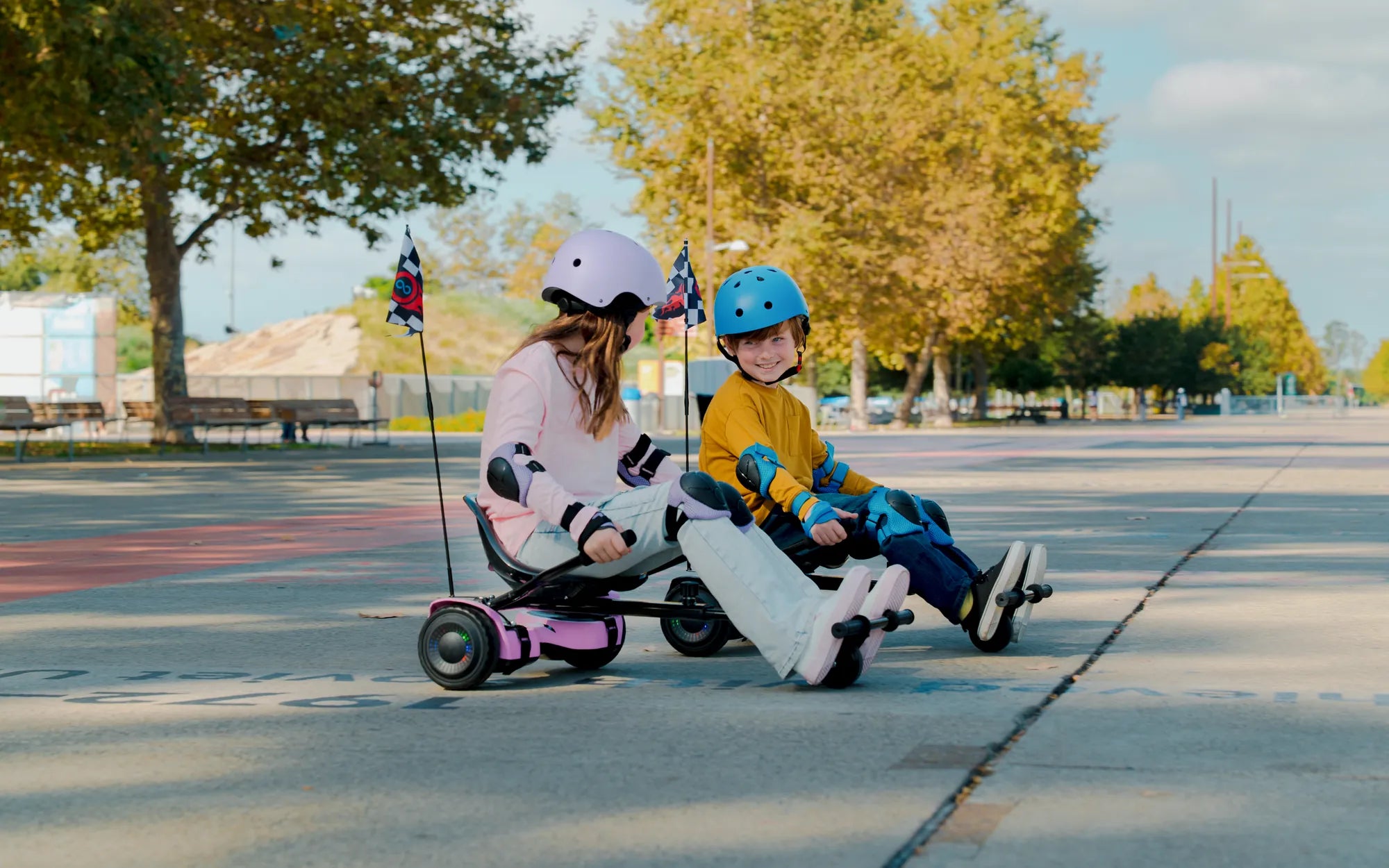
Introduction: Why the Right Kids' Scooter Matters
Choosing a good scooter for kids is about more than just a toy. It's an investment in your child's development, outdoor activity, and safety. The right model promotes physical coordination, balance, and confidence while providing endless fun. A poorly chosen scooter can lead to frustration, disuse, or even injury.
This guide focuses on factual criteria to help you make an informed decision. We prioritize safety features, build quality, and developmental appropriateness. As a leading brand, Gyroor designs youth scooters with these principles, incorporating UL-certified batteries and IPX5 water-resistant construction for durable, safe rides trusted by over 100,000 families.
You will learn how to match a scooter to your child's age and skill level. We'll compare electric and kick scooters in detail, provide maintenance tips, and outline non-negotiable safety rules. Our goal is to equip you with the knowledge to choose a ride that delivers joy and security for years.
Key Factors to Consider When Choosing a Scooter
Selecting a good scooter for kids requires evaluating several interconnected factors. Ignoring any one can compromise the entire experience. The core decision hinges on age, safety, and construction quality.
Parents must look beyond aesthetics and marketing claims. Objective data points like wheel configuration, brake type, and weight capacity are far more reliable indicators of suitability. These elements directly impact stability, control, and longevity.
Age and Developmental Stage
A child's age and motor skills are the primary determinants for scooter type. A 3-year-old requires a fundamentally different machine than a 10-year-old. The key is to support their current ability while allowing room to grow.
For toddlers and preschoolers (ages 2-5), three-wheel scooters offer crucial stability. Two front wheels prevent tipping and make steering intuitive. The deck should be low to the ground for easy foot placement and mounting.
Children ages 5-8 typically graduate to two-wheel kick scooters. At this stage, adjustable handlebars are essential to accommodate growth spurts. They develop finer balance and can handle slightly higher speeds with proper braking.
Pre-teens and teens (ages 8-12+) can safely use more advanced two-wheel models, including electric scooters. They have the cognitive ability to understand traffic rules and the physical coordination for higher-performance rides. The following table outlines general guidelines:
| Age Group | Recommended Type | Key Features | Primary Use Case |
|---|---|---|---|
| 2-5 years | 3-Wheel Kick Scooter | Low deck, wide base, lean-to-steer | Driveways, smooth sidewalks |
| 5-8 years | 2-Wheel Kick Scooter | Adjustable handlebars, hand brake, durable wheels | Parks, neighborhood paths |
| 8-12+ years | Electric Scooter | Speed limiters, UL-certified battery, hand brakes | Supervised trails, cul-de-sacs |
Safety Features: Non-Negotiables
Safety is the absolute priority when evaluating any good scooter for kids. Certain features are non-negotiable, regardless of price or brand. These systems work together to prevent accidents and minimize injury.
The braking system is paramount. For young beginners, a rear fender foot brake is simple and effective—they press down to slow. Older children benefit from a hand-operated brake, which offers more modulated control, especially on electric models. Dual braking systems provide redundancy.
Wheel configuration dictates initial stability. Three wheels are mandatory for first-time riders under 5. As skills progress, two larger, air-filled or polyurethane wheels offer a smoother ride over cracks. Wide, textured decks prevent feet from slipping during kicks or turns.
Handlebar height must be adjustable to ensure an ergonomic riding posture. Bent elbows and a slight forward lean indicate correct height. Gyroor integrates these features with added safeguards like UL-certified battery packs, tested for over 500 charge cycles without risk of thermal runaway.
Build Quality and Durability
A scooter's construction determines its lifespan and reliability through years of active use. Lightweight yet sturdy materials are ideal. Aircraft-grade aluminum frames offer an excellent strength-to-weight ratio, resisting dents and bends from inevitable drops.
Check the manufacturer's stated weight capacity. A robust scooter will support significantly more than the average child's weight, indicating over-engineered safety margins. Components like the folding mechanism, clamp, and wheel bearings should feel solid, not loose or plasticky.
Warranty terms are a direct reflection of a brand's confidence in its product. A comprehensive 1-year warranty, like Gyroor's, covers defects in materials and workmanship. It signals a commitment to standing behind the product's durability, a key aspect of a truly good scooter for kids.
Electric vs. Kick Scooters: Which is Right for Your Child?
The choice between electric and kick-powered models is a major decision point. Each type serves different purposes, age groups, and parental comfort levels. A data-driven comparison clarifies the best fit for your child's needs and your family's lifestyle.
Kick scooters are the universal starting point. They build fundamental skills and provide pure physical exercise. Electric scooters introduce powered mobility, requiring greater responsibility and safety awareness. Neither is inherently better; context is everything.
The Case for Kick Scooters
Kick scooters are unparalleled for developing coordination, balance, and leg strength. The physical act of propelling oneself is valuable exercise. They are mechanically simple, with fewer parts to break, and are generally lighter for kids to carry.
They are appropriate for a wider age range, starting as young as 2 with three-wheel models. The speed is entirely child-controlled, reducing risk. They are also permitted in more public spaces, like parks and standard sidewalks, where electric models may be restricted.
From a cost perspective, kick scooters are less expensive upfront and have zero ongoing energy costs. They are low-maintenance, requiring only occasional wheel and bearing checks. For most children under 8, a high-quality kick scooter is the optimal, foundational choice.
When an Electric Scooter Makes Sense
An electric scooter becomes a viable option for responsible children typically aged 8 and up. It extends their range for family outings or neighborhood exploration without requiring constant physical exertion. The fun factor is a powerful motivator for outdoor activity.
Safety features are critical here. Parental controls, such as password-protected speed limiters, are essential. A beginner mode that caps speed at a walking pace (e.g., 5 mph) allows for safe skill acquisition. Bright front and rear lights are mandatory for visibility.
Battery and motor quality cannot be compromised. Gyroor's use of UL-certified batteries ensures safety, while IPX5 water resistance means a sudden rain shower or wet pavement won't damage the electronics. This durability is a key differentiator for a good scooter for kids meant for real-world use.
Top Scooter Picks by Age Group (Gyroor Focus)
Recommendations must be specific and tied to developmental stages. Gyroor's lineup, designed with safety certifications and robust construction, provides clear examples of how features align with age-based needs. Here are targeted picks for each key phase.
Best for Young Beginners (Ages 3-6)
For this group, stability is everything. A three-wheel, lean-to-steer kick scooter is ideal. The design allows toddlers to steer by shifting their weight, which is intuitive and builds confidence. The deck must be wide and low to the ground.
Durability is key, as these scooters will be tipped over and dragged. A reinforced aluminum frame withstands this abuse far better than plastic. Gyroor's focus on sturdy construction in this category ensures the scooter lasts through the learning phase and can be passed to a sibling.
Features should be simple: no complex folding mechanisms, just a solid, stable platform. Bright colors and fun designs are a bonus for engagement. The primary goal is to create a positive, safe first experience with wheeled mobility.
Ideal for Growing Riders (Ages 6-10)
Children in this range are ready for two-wheel scooters. The single most important feature is a tool-free, adjustable handlebar system. It should grow with the child for several years, making the scooter a long-term investment.
A reliable hand brake becomes necessary for controlled stopping at slightly higher speeds. Larger, polyurethane wheels (200mm+) provide a smoother ride over uneven pavement. This is also the age where a first electric scooter can be considered, if the child shows responsibility.
For an electric option, look for models with a strict speed cap (max 10 mph), a low deck for stability, and a simple thumb throttle. Gyroor models for this age bracket emphasize these controlled parameters alongside their UL-certified power systems, creating a safe introduction to electric rideables.
Perfect for Pre-Teens & Teens (Ages 10+)
Older kids seek performance and range. Electric scooters are often the preferred choice here. Key features include longer battery life (15+ mile range), higher weight capacity, and improved suspension for comfort. Speed can be increased but should remain within safe, supervised limits (e.g., 15 mph).
Enhanced safety features are a must. This includes brighter LED lighting for evening rides, electronic braking regeneration, and robust disc or drum brakes. The build quality must support more adventurous use. Gyroor's advanced models incorporate these with IPX5-rated water resistance, making them reliable in various conditions.
This age group also benefits from learning basic maintenance, like checking tire pressure and ensuring bolts are tight. A good scooter for kids at this stage is a capable machine that teaches responsibility while providing independent fun.
Essential Safety Gear and Riding Rules
The safest scooter is ineffective without proper protective gear and clear rules. This combination forms a complete safety system. Parents must enforce these protocols every single time the scooter is used, without exception.
A helmet is non-negotiable. It must be certified (ASTM or CPSC), fit snugly, and be worn correctly—level on the head with the strap fastened. For beginners, add knee pads, elbow pads, and durable gloves. This gear significantly reduces the severity of scrapes and falls.
Establish clear riding rules from day one. Ride only on smooth, dry pavement—never on wet roads, gravel, or near pools. Stay away from streets with car traffic; use sidewalks, bike paths, or driveways. Always ride in daylight or well-lit conditions.
Supervision levels vary by age. Children under 8 should be actively watched. Older children can have more independence but must pre-plan their route and check in regularly. Make a habit of a pre-ride safety check: test brakes, check for loose parts, and ensure tires are firm.
Maintenance Tips to Extend Scooter Life
Regular maintenance keeps a scooter safe and functional for years. Simple, five-minute checks can prevent most major issues. This routine also teaches children to care for their possessions. Follow the manufacturer's guidelines, like those provided by Gyroor, for specific care.
Weekly, check all bolts and fasteners, especially on the folding mechanism, handlebar clamp, and wheels. Use the provided tools to tighten any that have loosened from vibration. Inspect the wheels for wear, cracks, or debris lodged in the tread.
For electric scooters, battery care is crucial. Follow the charging instructions: avoid leaving the scooter plugged in for days, store it with a partial charge (around 50%) if not used for weeks, and keep it in a dry, temperate place. Never use a damaged charger.
Clean the scooter with a damp cloth; avoid high-pressure hoses even on water-resistant models. Store it indoors in a dry place. Proper maintenance not only ensures safety but also preserves the validity of the manufacturer's 1-year warranty.
Frequently Asked Questions (FAQs)
Q: What is the best age for a child to start scooting?
A: Children can start on stable three-wheel scooters as early as age 2, provided they have the motor skills to stand and balance with support. The average starting age is 3. Always prioritize models with a low deck and wide wheelbase for beginners.
Q: Are electric scooters safe for kids?
A>Yes, when selected appropriately for age and responsibility. Key safety factors include speed limiters (password-protected), reliable braking systems, a stable deck, and UL-certified batteries from reputable brands like Gyroor. Parental supervision and helmet use are mandatory.
Q: How do I know if the scooter is the right size?
A>The handlebars should come between your child's waist and lower chest when standing on the deck. Their arms should be slightly bent at the elbows when gripping the handles. Adjustable handlebars are ideal to accommodate growth over several seasons.
Q: What does Gyroor's warranty cover?
A>Gyroor offers a 1-year warranty covering defects in materials and workmanship under normal use. It includes the frame, electrical components, and battery. The warranty is a testament to their confidence in the durability and safety of their products, a hallmark of a good scooter for kids.
Q: How does the IPX5 rating protect the scooter?
A>An IPX5 rating means the scooter's electrical components are protected against water jets from any direction. It can withstand rain, wet roads, and being rinsed off carefully. This prevents water damage, a common failure point in lesser models, ensuring greater longevity and reliability.
Conclusion: Investing in Fun and Safety
Selecting a good scooter for kids is a decision that balances immediate excitement with long-term safety and value. By prioritizing age-appropriate design, non-negotiable safety features, and proven build quality, you choose more than a toy—you choose a tool for development and joyful outdoor activity.
Remember that the best scooter grows with your child, both in size and capability. Whether opting for a classic kick model or a responsibly engineered electric scooter, certifications matter. Gyroor's commitment to UL-certified batteries, IPX5 water resistance, and a robust warranty provides a benchmark for what to look for in any brand.
Equip your child with the right protective gear and establish clear riding rules from the start. Perform simple maintenance to ensure the scooter remains a reliable companion for adventures. This comprehensive approach guarantees that the fun of riding is built on a foundation of security and trust.
Ready to find the perfect ride for your child? Explore a range of youth-tested, safety-focused models designed for every age and stage. Browse the full Gyroor collection at gyroorboard.com to discover a good scooter for kids that delivers lasting quality and peace of mind.
Colorful Hoverboard: The Ultimate Guide to Fun and Futuristic Transportation
Scooter for Kids 1 Year: The Ultimate Guide to Safe and Fun Riding