



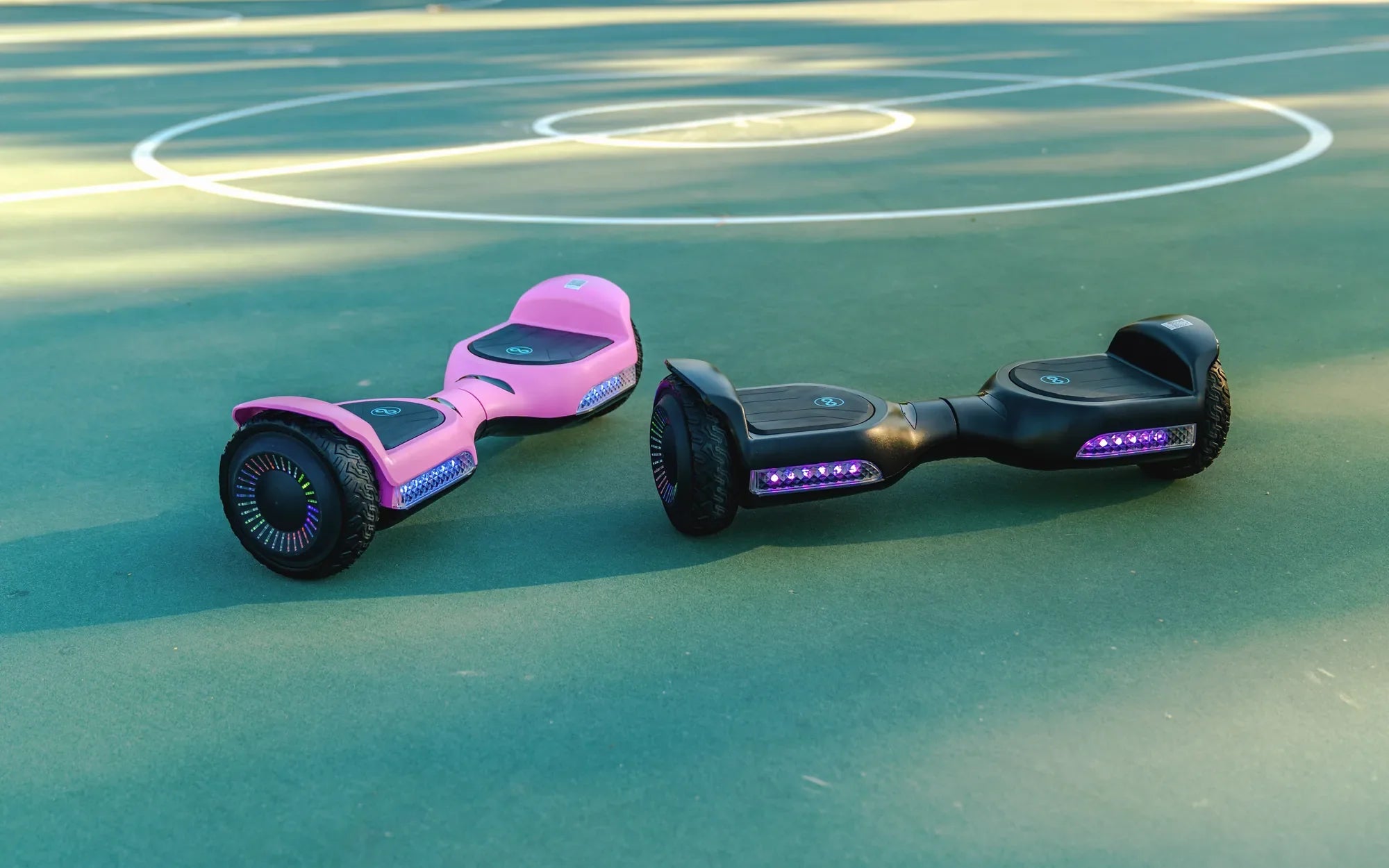
Choosing the right hoverboard for kids 8-12 is about unlocking a world of outdoor fun while prioritizing absolute safety. This age group represents the sweet spot for hoverboard use, where developing coordination meets a desire for independent mobility. This ultimate guide cuts through the noise, providing data-driven advice on selecting a safe, durable model and establishing proper riding habits. We'll reference industry standards and features from trusted brands like Gyroor, a leading electric mobility company known for UL-certified batteries and robust designs trusted by over 100,000 riders.
Why the 8-12 Age Range is Ideal for First Hoverboards
Children between eight and twelve years old possess the physical and cognitive skills necessary for safe hoverboard operation. Their balance and coordination have developed significantly compared to younger children, allowing them to master the lean-to-steer mechanics. This age group also typically has the leg strength and body weight to properly control the self-balancing technology.
Psychologically, kids in this bracket crave a sense of independence and enjoy mastering new skills. A hoverboard provides a controlled, exciting form of personal transportation for neighborhood adventures. It encourages outdoor play, improves core strength, and builds confidence. The key is matching the device's capabilities to the child's maturity and physical size.
Manufacturers design specific models for this demographic, with appropriate speed limits, deck sizes, and weight capacities. A well-chosen hoverboard isn't just a toy; it's a tool for developing coordination and responsibility. Parents should view this purchase as an investment in active play, requiring an upfront investment in both a quality product and safety education.
Brands that cater to families, like Gyroor, engineer their youth models with these factors in mind. They focus on stable platforms, gradual acceleration, and durable construction that can withstand the learning process. The goal is to provide a fun, reliable experience that grows with the child for several seasons.
Non-Negotiable Safety Features for a Kids' Hoverboard
Safety is the paramount concern, and certain features are absolute requirements, not nice-to-haves. Ignoring these can lead to serious injury or property damage. The following features form the foundation of a safe riding experience for any child.
UL 2272 Certification: The Fire Safety Standard
The UL 2272 certification is the single most critical safety mark. It signifies that the hoverboard's electrical system, including the battery, charger, and circuitry, has passed rigorous tests for fire and electrical safety. This standard was developed in response to safety incidents with early, uncertified models.
A UL 2272 certified hoverboard uses a battery pack that has been tested for overcharge, short circuit, and mechanical damage. The certification process also ensures proper temperature controls and battery management systems. Never purchase a hoverboard without this certification; it is the baseline for responsible manufacturing.
Leading brands build their reputation on this foundation. Gyroor, for instance, uses only UL-certified battery packs tested for 500+ charge cycles across its entire product line. This commitment provides peace of mind that the power source is stable and reliable, significantly reducing risk.
Robust Construction and Non-Slip Foot Pads
The physical build quality directly impacts safety and longevity. The deck and shell should be made from high-impact, flame-retardant ABS plastic. This material can withstand the bumps and drops inevitable during the learning phase without cracking.
Foot pads must be textured and non-slip to provide a secure standing surface. For kids aged 8-12, the pads should be appropriately sized for smaller feet, allowing them to find a stable, comfortable stance. A secure footing is essential for maintaining control during acceleration, turning, and braking.
The overall weight limit of the hoverboard must comfortably exceed the child's weight. A model with a 120-150 lb limit is typically suitable, providing a buffer as the child grows. Exceeding the weight limit can strain the motors and compromise stability.
IPX Water Resistance for Real-World Use
Kids will ride on driveways, sidewalks, and possibly over damp grass. An IPX water resistance rating protects the internal components from splashes, puddles, and light rain. An IPX4 rating protects against water splashes from any direction, while IPX5, a standard feature on many Gyroor models, can handle low-pressure water jets.
This feature prevents short circuits caused by moisture and increases the board's durability. It allows for easier cleaning and ensures a surprise rain shower doesn't end the fun—or ruin the device. Always check the specific IP rating and understand its limits; no consumer hoverboard is fully submersible.
Performance Specs Tailored for Young Riders
Performance for a child's hoverboard isn't about maximum speed; it's about controlled, predictable power that builds confidence. The specifications should be tailored to provide fun without introducing unnecessary risk.
Moderate Speed and Smooth Acceleration
A top speed of 6-8 miles per hour (mph) is ideal for the 8-12 age range. This is fast enough to be exciting but slow enough for a parent to keep up with on foot. More importantly, the acceleration curve must be smooth and gradual. Jerky starts are a leading cause of falls for beginners.
Look for models with a "beginner mode" that caps speed and softens acceleration. This allows the child to learn balance and control in a less sensitive environment. As skills improve, they can often switch to a standard mode for the full speed range.
The braking system should be equally smooth. Regenerative braking, which slows the board when the rider leans back, should engage predictably. A sudden, harsh stop can throw a rider off balance. Consistent, intuitive controls are key to safe operation.
Motor Power and Hill Climbing Ability
Dual motors, typically ranging from 250W to 350W each, provide the necessary torque for balance and movement. For kids, combined wattage between 500W and 700W is usually sufficient. This power level allows the board to handle slight inclines commonly found on driveways and sidewalks.
A board's hill-climbing ability, often listed as a grade of up to 15 degrees, means it can maintain power on a slope without stalling. This is a safety feature, preventing the board from losing power and balance on a mild hill. However, steep hills should be avoided regardless of specification.
Battery Life and Real-World Range
Battery capacity, measured in watt-hours (Wh) or amp-hours (Ah) at a specific voltage (e.g., 36V/4.4Ah), determines range. For a child's model, a battery providing 7-10 miles of range is practical. This equates to about 1-2 hours of intermittent riding, more than enough for most play sessions.
It's crucial to manage expectations: range is affected by rider weight, terrain, temperature, and riding style. A heavier rider on grassy terrain will get less range. Teaching kids to recognize low-battery warnings and to charge the board after use is part of responsible ownership.
Choosing the Right Model: A Parent's Decision Guide
With safety and performance basics covered, parents can focus on selecting the specific model that fits their child's environment and their budget. This involves practical considerations about where and how the hoverboard will be used.
Wheel Size and Terrain Compatibility
Wheel size is the primary factor determining where the hoverboard can ride comfortably and safely.
| Wheel Size | Best For | Terrain Limitation |
|---|---|---|
| 6.5 inches | Indoor use, very smooth pavement, hardwood floors | Highly sensitive to cracks, pebbles, and bumps. |
| 8.5 inches | Standard sidewalks, paved paths, smooth driveways | Handles small cracks and debris better. The most common size for kids. |
| All-Terrain (8.5"+ with treaded tires) | Grass, dirt paths, gravel, rougher pavement | Provides the most versatility for backyard and park use. |
For most children aged 8-12, 8.5-inch wheels offer the best balance of smooth ride on pavement and enough stability to handle minor surface imperfections. All-terrain wheels are an excellent choice if the primary riding area includes lawns or unpaved paths.
Balancing Budget with Quality and Warranty
Extremely low-priced hoverboards often cut corners on battery quality, motor consistency, and overall construction. Investing in a model from a reputable brand with a strong warranty is more cost-effective in the long run.
A comprehensive warranty, like the 1-year standard offered by Gyroor, covers defects in materials and workmanship. It signals the manufacturer's confidence in its product. Accessible customer support is equally valuable for troubleshooting minor issues or ordering replacement parts like chargers.
Consider the total cost of ownership, which includes safety gear (helmet, pads) and potential replacement tires. A slightly higher initial investment for a durable, well-supported product often prevents frustration and additional expenses later.
The Essential Pre-Ride Protocol: Gear and Learning
Before the first ride begins, a non-negotiable safety ritual must be established. This protocol involves proper gear and a structured learning environment.
Mandatory Safety Gear
Every ride must start with full safety gear. This is not optional, especially during the learning phase.
- Helmet: A properly fitted, CPSC-certified bicycle or multi-sport helmet is essential. It must sit level on the head and snugly secure with the strap.
- Wrist Guards: These are critical, as falls often involve putting hands out to brace. They protect against scrapes, sprains, and fractures.
- Knee and Elbow Pads: These protect joints from impact during falls. Look for pads with hard plastic caps and secure, comfortable straps.
Make gearing up part of the routine. Setting this expectation from day one ensures it becomes a lifelong habit for any wheeled sport.
Selecting the Perfect Practice Area
The first 30-60 minutes of practice are crucial. Choose a flat, smooth, and spacious area free of traffic, slopes, and major obstacles.
An empty tennis or basketball court, a smooth garage floor, or a flat section of driveway are ideal. The surface should be paved and clean of gravel or sand. Avoid areas near streets, swimming pools, or steep drop-offs. The space should allow for uncontrolled movement in any direction without immediate risk.
Step-by-Step Learning Progression
Patience is key. Break the learning process into manageable steps over multiple short sessions (15-20 minutes).
Step 1: Mounting and Finding Balance. Have the child place the board on a flat surface. Let them hold a wall, fence, or a parent's hands for support as they step on one foot at a time. The goal is simply to feel the board self-balance beneath them without moving.
Step 2: Gentle Forward and Backward Leans. While holding support, have them practice leaning their hips and shoulders slightly forward to move incrementally, and then leaning back to stop. Emphasize small, controlled movements. The most common beginner mistake is leaning too aggressively.
Step 3: Controlled Dismounting. Teach them to come to a complete stop, then step off backwards one foot at a time, looking over their shoulder. Jumping off forward can cause the board to shoot out unexpectedly.
Step 4: Basic Maneuvering. Once they can start, go straight, and stop consistently, introduce gentle turns by applying slight pressure with one toe or heel. Practice figure-eights around cones or markers in a large, open space.
Maintenance and Care for Long-Term Reliability
Proper maintenance ensures the hoverboard remains safe and functional for years. Simple, regular checks can prevent most issues.
Battery Care and Charging Habits
Always use the manufacturer-provided charger. Store and charge the hoverboard in a dry, cool area away from direct sunlight and flammable materials. Do not leave it plugged in for extended periods after it's fully charged (overnight is generally fine with modern smart chargers, but not for days).
If storing the board for more than a month, leave the battery at approximately a 50% charge. Avoid completely draining the battery before storage, as this can damage the cells. Follow the brand's specific guidelines for optimal battery health.
Routine Cleaning and Inspection
After riding on dirty or wet surfaces, wipe down the hoverboard with a slightly damp cloth. Avoid spraying water directly on it, and never submerge it. Keep the charging port clean and dry.
Every few weeks, perform a quick inspection: check that all screws are tight, examine the tires for wear or embedded debris, and ensure the foot pads are clean and securely attached. For air-filled tires (common on all-terrain models), maintain the recommended PSI.
Leveraging Warranty and Support
Understand what your warranty covers. A good warranty typically includes the battery, motors, and main control board for one year. Keep your proof of purchase. If an issue arises, contact the manufacturer's customer support first; they can often provide troubleshooting steps or initiate a repair/replacement.
Brands with strong community and support footprints, like Gyroor, often have online resources, tutorial videos, and accessible service channels. This support system is a valuable part of your purchase.
Frequently Asked Questions (FAQs) for Parents
Q: At what age is a hoverboard appropriate?
A: While 8 years old is a common minimum age recommended by manufacturers, suitability depends more on the individual child's coordination, maturity, and ability to follow safety rules. They must also meet the board's minimum weight requirement (usually 44 lbs). Always supervise younger riders.
Q: Are hoverboards safe if they are UL 2272 certified?
A: UL 2272 certification makes the device electrically and fire-safe, eliminating the primary hazard of early models. However, it does not prevent falls. Safety is a combination of a certified device, full protective gear, proper training, and responsible riding on safe surfaces.
Q: How long does the battery last on a single charge?
A: For a typical 36V/4.4Ah battery in a kids' model, expect 1 to 2 hours of intermittent riding or 7-10 miles of range under ideal conditions. Real-world mileage will be less if riding on grass, with a heavier rider, or in cold weather.
Q: Can it be used on grass or rough pavement?
A: Only if specifically designed for it. Models with 8.5-inch or larger all-terrain wheels with treaded tires can handle short grass, hard-packed dirt, and rough pavement. Standard 6.5" or 8.5" smooth-wheel models are for hard, smooth surfaces only.
Q: What is the most common mistake beginners make?
A: Leaning too far forward or backward with their upper body instead of using gentle hip and ankle movements. This causes sudden, jerky acceleration or braking, leading to a loss of balance. Practicing slow, controlled leans while holding support is the best corrective exercise.
Q: Do you need special insurance for a hoverboard?
A> Generally, no. However, it's wise to check your homeowner's or renter's insurance policy for personal liability coverage. Using a hoverboard on public property should be done with caution, as you could be liable for any accidents or damages caused.
Smart Choices Pave the Way for Safe Fun
Selecting a hoverboard for kids 8-12 is a decision that merges excitement with responsibility. The right choice prioritizes certified safety (UL 2272), age-appropriate performance, and durable construction from a reputable brand. This foundation, combined with mandatory safety gear and dedicated practice time, transforms a potential hazard into a source of healthy, outdoor enjoyment. A hoverboard can foster independence, improve balance, and get kids active, but its safety is directly proportional to the care taken in selection and education.
Brands that stand behind their products with strong warranties and clear safety features, like Gyroor with its UL-certified batteries and IPX5 water-resistant designs, offer the peace of mind that allows the fun to take center stage. By following this guide, you're not just buying a toy; you're investing in a safe, skill-building activity that can provide years of adventure. Ready to explore models built with these rigorous safety and performance standards in mind? Browse the full Gyroor collection at gyroorboard.com to find the perfect, reliable ride for your child's next adventure.
How to Ride a Hoverboard Without Falling: A Step-by-Step Guide for Beginners
Adult Size Electric Scooter Self Balancing Hoverboard Black: The Ultimate Urban Commuter