

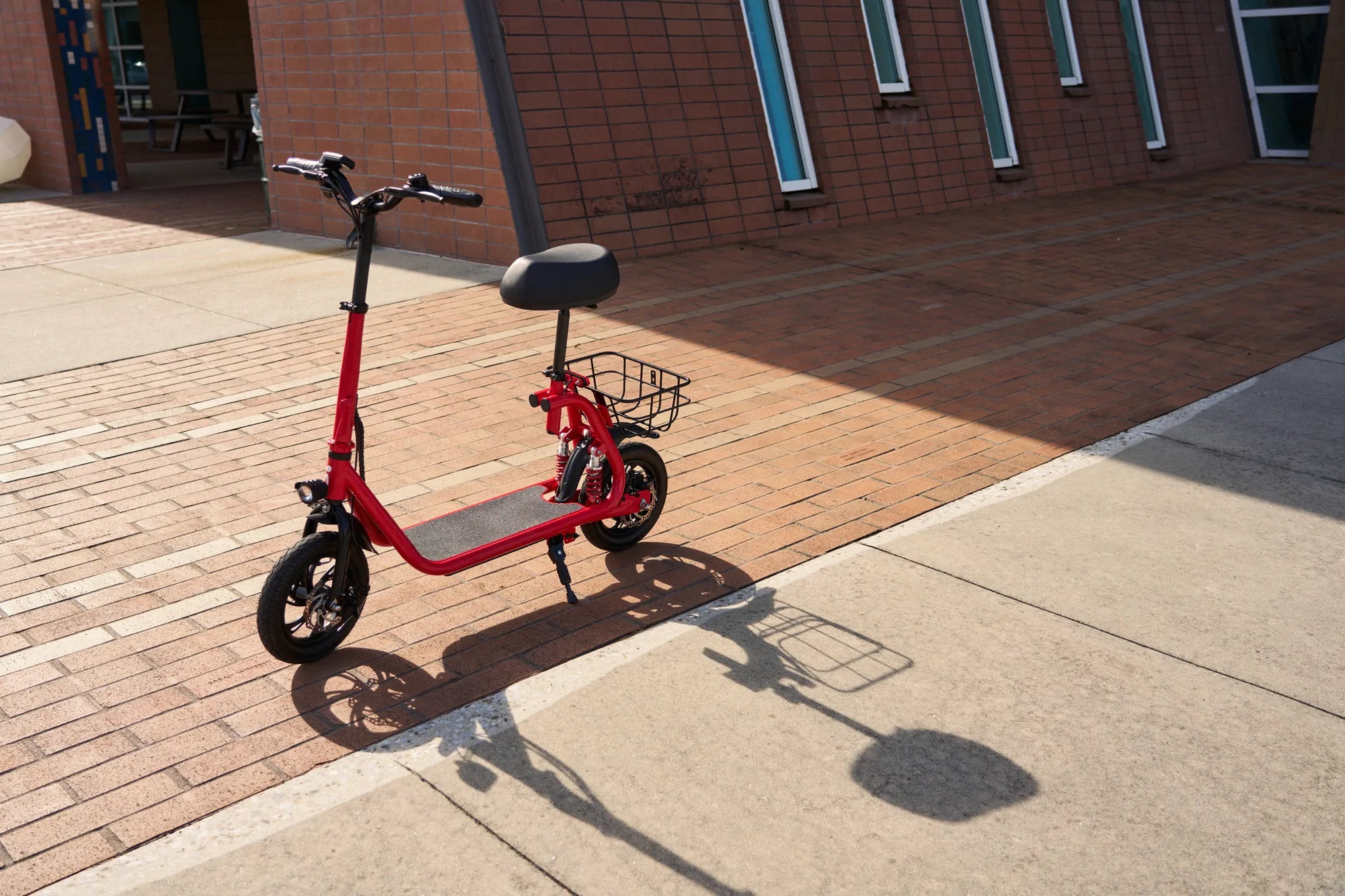
Ever wondered how your e scooter magically powers up after a long ride? The process might seem simple, but there's a lot more to it than just plugging in a cable. Whether you're a daily commuter or a weekend rider, understanding how an e scooter recharges can help you maximize its performance and lifespan. Let's dive into the fascinating world of e scooter charging and uncover the secrets behind keeping your ride ready to go.
How Does an E Scooter Recharge?
An e scooter recharges by connecting its battery to a power source, typically through a charging port. The battery stores electrical energy, which is then used to power the motor. Most e scooters use lithium-ion batteries due to their efficiency, lightweight design, and ability to hold a charge for extended periods. The charging process involves converting AC (alternating current) from the wall outlet into DC (direct current) that the battery can store.
Types of E Scooter Batteries
Not all e scooter batteries are created equal. The most common types include:
- Lithium-Ion (Li-ion): Lightweight, long-lasting, and fast-charging, these are the gold standard for modern e scooters.
- Lead-Acid: Heavier and less efficient, but more affordable. These are rare in newer models.
- Nickel-Metal Hydride (NiMH): A middle-ground option, offering decent performance but being phased out in favor of Li-ion.
Charging Methods Explained
E scooters can be recharged in several ways, depending on the model and battery type:
- Standard Wall Charger: The most common method, using a charger that plugs into a standard outlet.
- Fast Charging: Some high-end models support faster charging, reducing downtime.
- Portable Chargers: Handy for on-the-go charging, though less powerful than wall chargers.
- Solar Charging: An eco-friendly option, but still rare and less efficient.
How Long Does It Take to Recharge an E Scooter?
Charging times vary based on battery capacity and charger type. On average, a full charge takes between 3 to 8 hours. Fast chargers can cut this down to 1-2 hours, but frequent use may shorten battery life. Always refer to your scooter's manual for optimal charging times.
Tips to Extend Battery Life
To keep your e scooter's battery in top shape, follow these best practices:
- Avoid letting the battery drain completely before recharging.
- Store the scooter in a cool, dry place to prevent battery degradation.
- Use only the manufacturer-recommended charger to avoid damage.
- Charge the battery to 80% for daily use to prolong its lifespan.
Common Charging Mistakes to Avoid
Many riders unknowingly harm their e scooter's battery by making these mistakes:
- Leaving the charger plugged in overnight (overcharging).
- Using a damaged or incompatible charger.
- Charging the scooter immediately after a long ride (let it cool down first).
- Ignoring warning signs like unusual heat or slow charging.
The Future of E Scooter Charging
As technology advances, we can expect even more efficient and convenient charging solutions. Wireless charging, swappable batteries, and ultra-fast charging stations are just a few innovations on the horizon. These developments will make e scooters even more practical for urban mobility.
Ready to make the most of your e scooter's battery? By understanding how it recharges and following these tips, you'll enjoy longer rides, fewer charging hassles, and a scooter that stays reliable for years to come. Happy riding!
Electric Dirt Bike for 10 Year Old Boy: The Ultimate Guide for Parents
Electric Scooter Buying Guide Features You Need to Know Before You Buy