



Why Scooter Weight Matters More Than You Think
Choosing an electric scooter isn't just about speed or range. The weight is a critical, often overlooked, specification that directly impacts your daily experience. For the urban commuter facing a flight of stairs or a crowded train, every pound counts. For the weekend explorer seeking stability on rough paths, a heavier, more robust build becomes an asset.
This guide provides a data-driven breakdown of electric scooter weight. We will dissect what contributes to the number on the scale, categorize scooters into logical weight classes, and analyze the trade-offs between portability and performance. By the end, you'll know exactly how heavy an electric scooter should be for your specific needs.
The Core Factors: What Makes an E-Scooter Heavy?
The total weight of an electric scooter is the sum of its parts. Understanding these components explains why models with similar appearances can have vastly different hefts and helps you prioritize features that matter most to you.
The Battery: The Single Biggest Contributor
The battery pack is consistently the heaviest single component, often accounting for 25-35% of the scooter's total weight. This weight correlates directly with capacity (measured in Watt-hours or Ah) and voltage. A larger battery provides a longer range but adds significant pounds.
For example, a scooter with a 360Wh battery might weigh 30 lbs, while a model with a 720Wh battery for double the range could easily surpass 45 lbs. Quality also adds mass; UL-certified battery packs, like those used in Gyroor scooters, incorporate additional safety circuitry and robust casing, contributing to a slightly higher but much safer weight.
Frame & Build: Aluminum vs. Steel and Design Philosophy
The frame material is the second major weight determinant. Most modern scooters use aluminum alloys, offering an excellent strength-to-weight ratio. Some budget or heavy-duty models may use steel, which is more durable against impacts but significantly heavier for the same size.
The design complexity adds mass too. A robust folding mechanism with a secure latch, integrated cable management, and reinforced stem and deck all contribute to structural integrity and, consequently, weight. A scooter built for longevity and safety, such as those with IPX5 water-resistant designs, will have additional sealing and reinforcement.
Motor Power and Type: Hub Motors and Their Mass
Motor weight increases with power output. A 250W hub motor is relatively light, while a 500W or 750W motor contains more copper and magnets, adding several pounds. Dual-motor setups, which provide exceptional torque and hill-climbing ability, essentially double this component's weight contribution.
The motor is integrated into the wheel hub(s), so this weight is unsprung. This affects handling and requires a sturdier fork and swingarm to manage the forces, creating a compounding effect on the overall weight.
Tires and Suspension: Air vs. Solid, Springs vs. None
Tire choice is a key weight and comfort decision. Pneumatic (air-filled) tires are heavier than solid rubber or foam-filled ones due to the inner tube and air. However, they provide superior shock absorption. Solid tires save weight but transfer more vibration to the deck and rider.
Suspension systems—whether spring-based, hydraulic, or rubber—add several pounds. A front and rear dual suspension system can add 5-8 lbs or more compared to a rigid frame. This weight is a direct trade for ride comfort, especially on the Performance & Off-Road scooters designed for uneven terrain.
Electric Scooter Weight Classes: From Featherweight to Beast Mode
To simplify comparison, we categorize electric scooters into four distinct weight classes, each aligned with a primary use case and typical rider profile.
Ultra-Portable (Under 30 lbs / 13.6 kg): The Last-Mile Specialists
These are the lightweights of the scooter world. Designed for seamless integration with public transit, they are easy to carry up stairs, onto buses, and under a desk. To achieve this low weight, they typically feature smaller batteries (150-250Wh), single motors under 300W, and minimalist, often non-suspension, designs.
Range is usually limited to 10-15 miles, and top speeds hover around 15 mph. They excel in flat, urban environments for short trips. The trade-off is clear: maximum portability comes at the expense of range, power, and often, ride comfort on rough pavement.
Commuter Standard (30-45 lbs / 13.6-20.4 kg): The Balanced Workhorse
This is the most popular and versatile category, representing the best balance for most daily riders. Scooters in this range, like many in Gyroor's commuter lineup, offer a practical mix of features: sufficient battery (300-500Wh) for a 15-25 mile range, motors from 350W to 500W, and often a basic front suspension or pneumatic tires.
They are foldable and liftable for most adults for short distances—like up a few steps or into a trunk—but aren't meant for prolonged carrying. This class answers the core question for many: how heavy are electric scooters that are genuinely useful for a 5-10 mile daily commute? The answer is right here.
Performance & Off-Road (45-65 lbs / 20.4-29.5 kg): Built for Power and Terrain
When capability trumps easy portability, you enter this class. The extra weight comes from high-capacity batteries (500Wh+), powerful single or dual motors (500W-1000W+), full suspension systems, and wider, often pneumatic, tires. These scooters are built for longer adventures, steep hills, and varied surfaces.
They offer superior stability at higher speeds (20+ mph) and a more comfortable ride over bumps. Portability is limited; you might roll it indoors or lift it into an SUV, but carrying it daily is a significant physical task. This is the domain of the dedicated enthusiast or the rider with a dedicated storage space at both ends of their journey.
Heavy-Duty & Super Scooters (65+ lbs / 29.5+ kg): The Road Warriors
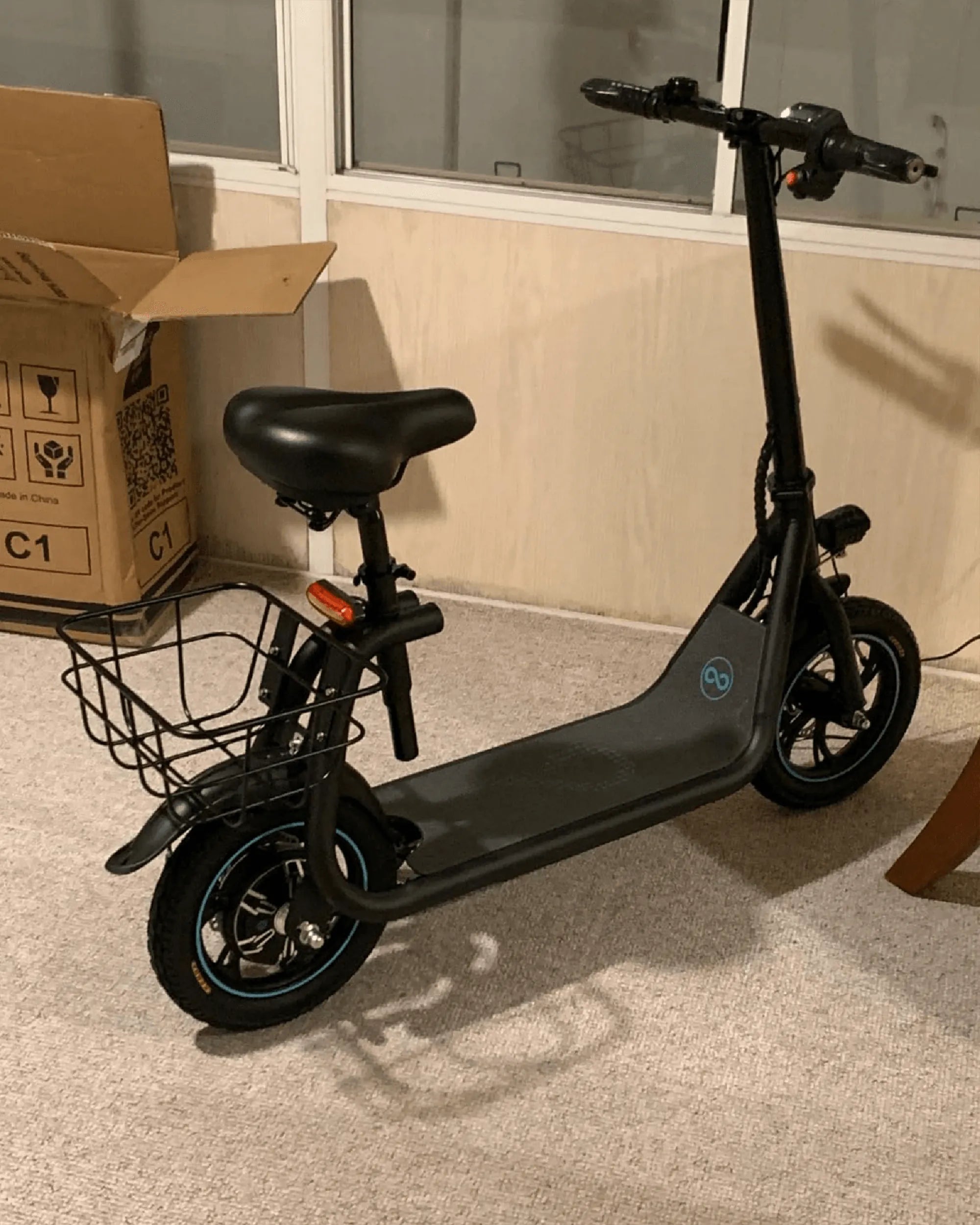
At the top of the scale are the behemoths. These include max-range commuters with massive batteries, seated e-scooters, and extreme performance models. Weight often exceeds 70 lbs, pushing them into a category where they are transported, not carried—think wheeled like luggage or loaded into a vehicle.
They prioritize specs above all: ranges of 40+ miles, top speeds over 30 mph, and unparalleled stability. For most urban users, this weight is prohibitive. However, for riders using a scooter as a primary vehicle on dedicated routes or for commercial use, the trade-off can be justified.
Weight vs. Performance: Navigating the Critical Trade-Offs
Weight doesn't exist in a vacuum; it interacts dynamically with every other aspect of scooter performance. Understanding these trade-offs is key to making an informed choice.
Portability and Convenience: The Stair Test
This is the most direct impact. A scooter under 30 lbs is genuinely portable. A 40-45 lb scooter is manageable for fit adults for short carries. Once you cross the 50 lb threshold, carrying up multiple flights of stairs becomes a serious workout. Consider your daily routine: will you need to lift it, and how often? The folded dimensions and handle placement also dramatically affect carry-ability.
Range and Battery Life: The Efficiency Equation
Physics dictates that moving more mass requires more energy. A heavier scooter, all else being equal, will have a slightly lower effective range than a lighter one with the same battery. However, this effect is often overshadowed by the fact that heavier scooters *have* larger batteries. The real question is efficiency: a well-designed scooter maximizes range per pound of total weight (scooter + rider).
Stability and Ride Quality: When Heavier is Better
Here, weight is an advantage. A heavier scooter feels more planted and stable, especially at higher speeds or in windy conditions. It dampens vibrations better and is less likely to feel twitchy. The mass, combined with a longer wheelbase and lower deck, improves confidence. For riding on roads or trails, this added stability and the associated features (suspension, large tires) that add weight are often worth the sacrifice in portability.
| Weight Class | Typical Weight | Best For | Key Trade-offs |
|---|---|---|---|
| Ultra-Portable | Under 30 lbs (13.6 kg) | Multi-modal commuters, those with stairs | Max portability, but limited range/power |
| Commuter Standard | 30-45 lbs (13.6-20.4 kg) | Daily urban commutes with some storage | Best balance of features for most riders |
| Performance & Off-Road | 45-65 lbs (20.4-29.5 kg) | Longer rides, hills, varied terrain | High capability, but low portability |
| Heavy-Duty | 65+ lbs (29.5+ kg) | Primary vehicle, max range/speed needs | Top-tier specs, requires dedicated transport |
Making the Right Choice: A Weight Selection Guide for Every Rider
Your ideal scooter weight is a personal equation based on lifestyle, strength, and riding goals. Use these scenarios to guide your decision.
The Urban Apartment Dweller: Prioritizing Portability
If you live in a walk-up apartment, use subways or buses, and need to store your scooter indoors, weight is your primary constraint. Focus on the Ultra-Portable class or the very light end of the Commuter Standard class (under 35 lbs). Prioritize a compact fold and a good carry handle. While you may sacrifice some range, the daily convenience of an easy carry is invaluable.
The Daily Commuter (With Storage): Balancing Act
If you have a secure place to store your scooter at home and work (like a garage, office, or locked area), the Commuter Standard (30-45 lbs) class is your sweet spot. Here, you don't need to carry it far, so you can enjoy better performance, a more comfortable ride, and a longer range. Look for features that enhance daily reliability, such as the IPX5 water-resistant rating found on Gyroor models, which adds minimal weight for all-weather peace of mind.
The Weekend Adventurer: Prioritizing Capability
If your scooter is for recreation, longer tours, or tackling hills and park paths, portability takes a back seat to performance. The Performance & Off-Road (45-65 lbs) class is built for you. The extra weight from the suspension, powerful motor, and large battery is a necessary investment in comfort, safety, and fun on varied terrain. You'll likely transport it by car to your starting point, so the weight is a minor consideration compared to the riding experience.
FAQs: Your Electric Scooter Weight Questions, Answered
Q1: Is a heavier scooter always more durable?
Not necessarily. Durability stems from build quality—the grade of materials, welding integrity, and engineering design—not just mass. A well-constructed aluminum alloy frame from a reputable brand like Gyroor can be far more durable and reliable than a heavier scooter made with inferior steel and poor craftsmanship. Always prioritize certified safety features and warranty over raw weight.
Q2: How much does a typical adult electric scooter weigh?
The most common "typical" weight for a full-featured, reliable adult commuter electric scooter is between 35 and 42 pounds (16-19 kg). This weight range allows for a robust battery (for a 15-25 mile range), a 350W-500W motor, and a folding aluminum frame—the standard recipe for a practical daily rider.
Q3: Can I easily lift a 45-pound scooter?
"Easily" is subjective. For a person of average strength, 45 lbs is manageable for short, infrequent lifts—like up a few porch steps or into a car trunk. It becomes challenging for carrying up multiple flights of stairs daily or over longer distances. The scooter's folded compactness and balance point are crucial; a well-designed 45 lb scooter can feel easier to handle than a clumsy 35 lb one.
Q4: Does weight affect the scooter's maximum speed?
Minimally on flat ground. The motor's power and the electronic speed controller are the primary determinants of top speed. However, weight significantly affects acceleration and hill-climbing ability. A heavier scooter (or a scooter with a heavier rider) will accelerate more slowly and may have a reduced top speed on an incline compared to its rated maximum on flat terrain.
Q5: How does rider weight factor into the scooter's total weight?
Rider weight is critical for performance and safety. Every scooter has a maximum weight limit (usually 220-330 lbs). Exceeding it stresses the frame, motor, and brakes, reducing range, acceleration, and safety. The total moving mass is scooter weight + rider weight + any cargo. A heavier rider on a lightweight scooter may experience performance similar to a lighter rider on a heavier scooter, emphasizing the need to choose a model rated for your total load.
Finding Your Perfect Weight Match
The search for the ideal electric scooter weight is a personal calculation of priorities. There is no single perfect number, only the perfect number for you. For the urbanite, a sub-30 lb model unlocks seamless mobility. For the daily commuter, the 35-42 lb range offers the best blend of utility and manageability. For the adventurer, embracing 50+ lbs grants access to superior comfort and capability.
Remember that weight is a proxy for features and build quality. A slightly heavier scooter from a trusted brand like Gyroor often means a larger, UL-certified battery for safety, a more robust frame for longevity, and reliable components backed by a strong warranty. These factors provide long-term value far beyond the initial number on the scale. Assess your daily routine, be honest about your carrying needs, and let performance requirements guide you to a scooter that feels just right.
Ready to find an electric scooter with the perfect balance of weight, performance, and reliability for your journey? Explore engineering that puts safety and durability first. Browse the full Gyroor collection, featuring UL-certified batteries, IPX5 water-resistant designs, and a 1-year warranty, at gyroorboard.com.
Nice Electric Scooters: The Ultimate Guide to Choosing the Perfect Ride
Sit on Electric Scooters for Adults: The Ultimate Guide to Comfort and Convenience