



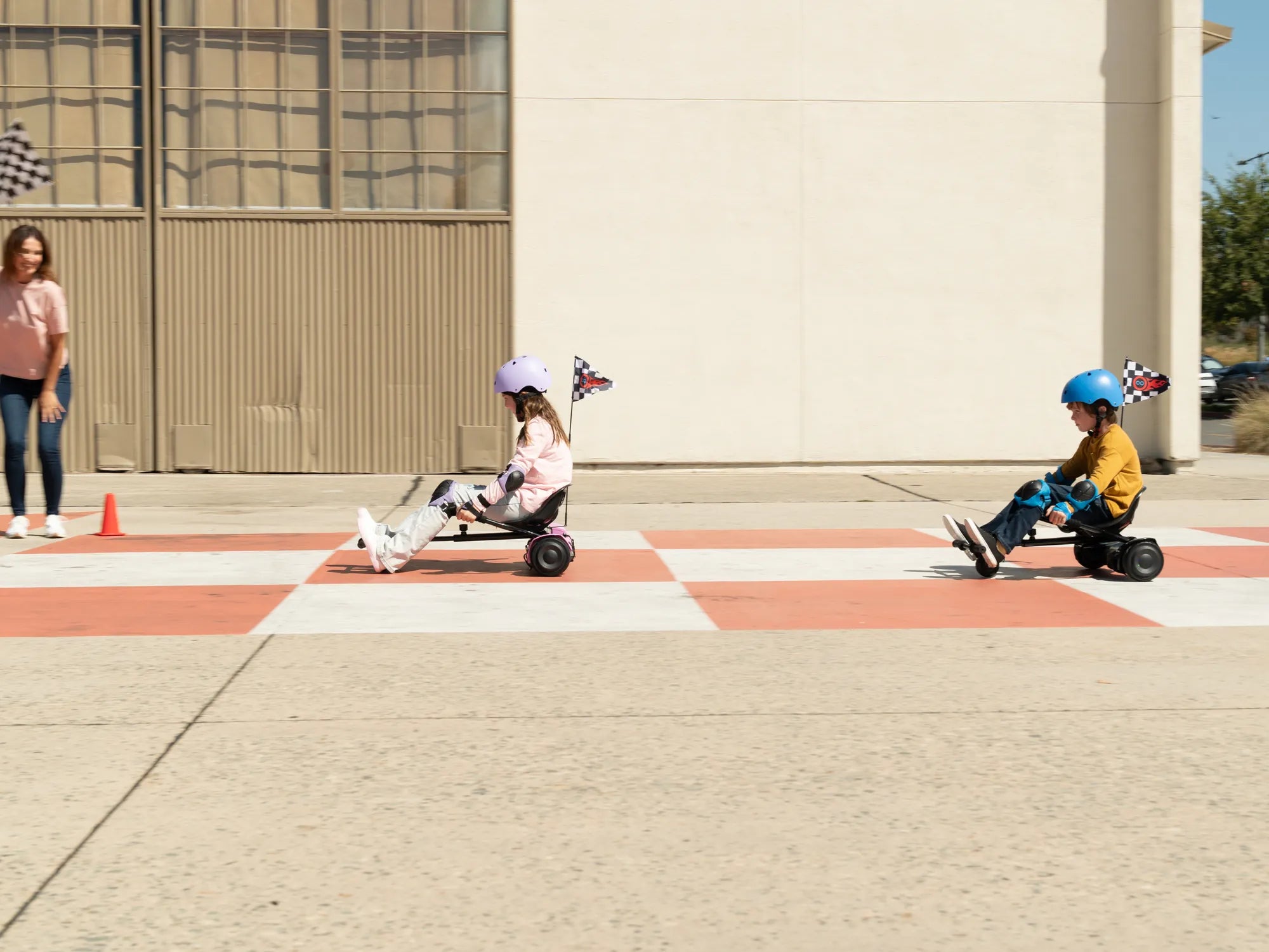
Ever wondered how a hoverboard, that sleek, self-balancing scooter, is made? The process is a blend of cutting-edge technology, precision engineering, and meticulous assembly. From the lithium-ion batteries to the gyroscopic sensors, every component plays a crucial role in creating the smooth, futuristic ride we all love. Let’s dive into the fascinating journey of how a hoverboard is made.
The Core Components of a Hoverboard
At the heart of every hoverboard are several key components that work together to deliver its signature performance. These include:
- Lithium-Ion Batteries: These provide the power needed to keep the hoverboard running. They are lightweight, rechargeable, and capable of delivering high energy output.
- Gyroscopic Sensors: These sensors detect the rider’s movements and adjust the speed and direction of the hoverboard accordingly.
- Electric Motors: Located in each wheel, these motors convert electrical energy into motion, allowing the hoverboard to move forward, backward, or turn.
- Control Board: This acts as the brain of the hoverboard, processing signals from the sensors and sending commands to the motors.
- Frame and Shell: The outer casing is usually made of durable plastic or metal, designed to protect the internal components while providing a sleek appearance.
The Manufacturing Process
The production of a hoverboard involves several stages, each requiring precision and attention to detail. Here’s a step-by-step breakdown of how a hoverboard is made:
1. Design and Prototyping
Before any physical production begins, engineers and designers create detailed blueprints and 3D models of the hoverboard. Prototypes are built to test the design, ensuring optimal performance and safety.
2. Sourcing Materials
High-quality materials are sourced for each component. The batteries, motors, and sensors are often purchased from specialized suppliers, while the frame and shell may be manufactured in-house.
3. Assembly of the Internal Components
The control board, gyroscopic sensors, and wiring are carefully assembled into a compact unit. This unit is then connected to the electric motors and batteries, forming the hoverboard’s core system.
4. Wheel and Motor Integration
The electric motors are integrated into the wheels, which are then attached to the main frame. This step ensures that the motors and wheels work in perfect harmony to deliver smooth movement.
5. Quality Testing
Before the hoverboard is encased in its shell, it undergoes rigorous testing. This includes checking the battery life, motor performance, and sensor accuracy to ensure everything functions as intended.
6. Final Assembly
Once all internal components are tested and verified, the hoverboard is enclosed in its outer shell. The final product is then inspected for any defects or imperfections.
Safety Considerations
Safety is a top priority in hoverboard manufacturing. To prevent accidents, manufacturers implement several safety features:
- Battery Management Systems: These prevent overheating and overcharging, reducing the risk of battery fires.
- UL Certification: Many hoverboards undergo testing by Underwriters Laboratories to meet safety standards.
- Non-Slip Foot Pads: These provide better grip and stability for the rider.
The Future of Hoverboard Manufacturing
As technology advances, hoverboard manufacturing is expected to become even more sophisticated. Innovations like AI-powered balancing systems, longer-lasting batteries, and eco-friendly materials are on the horizon. The future of hoverboards promises to be faster, safer, and more efficient than ever before.
From the meticulous assembly of its internal components to the rigorous testing that ensures safety, the process of how a hoverboard is made is nothing short of remarkable. Whether you’re a tech enthusiast or just curious about the gadgets you ride, understanding this process adds a whole new level of appreciation for these modern marvels.
How to Make a Hovering Hoverboard: A Step-by-Step Guide to DIY Levitation
Heavy Weight Hoverboard: The Ultimate Guide to Power and Performance