



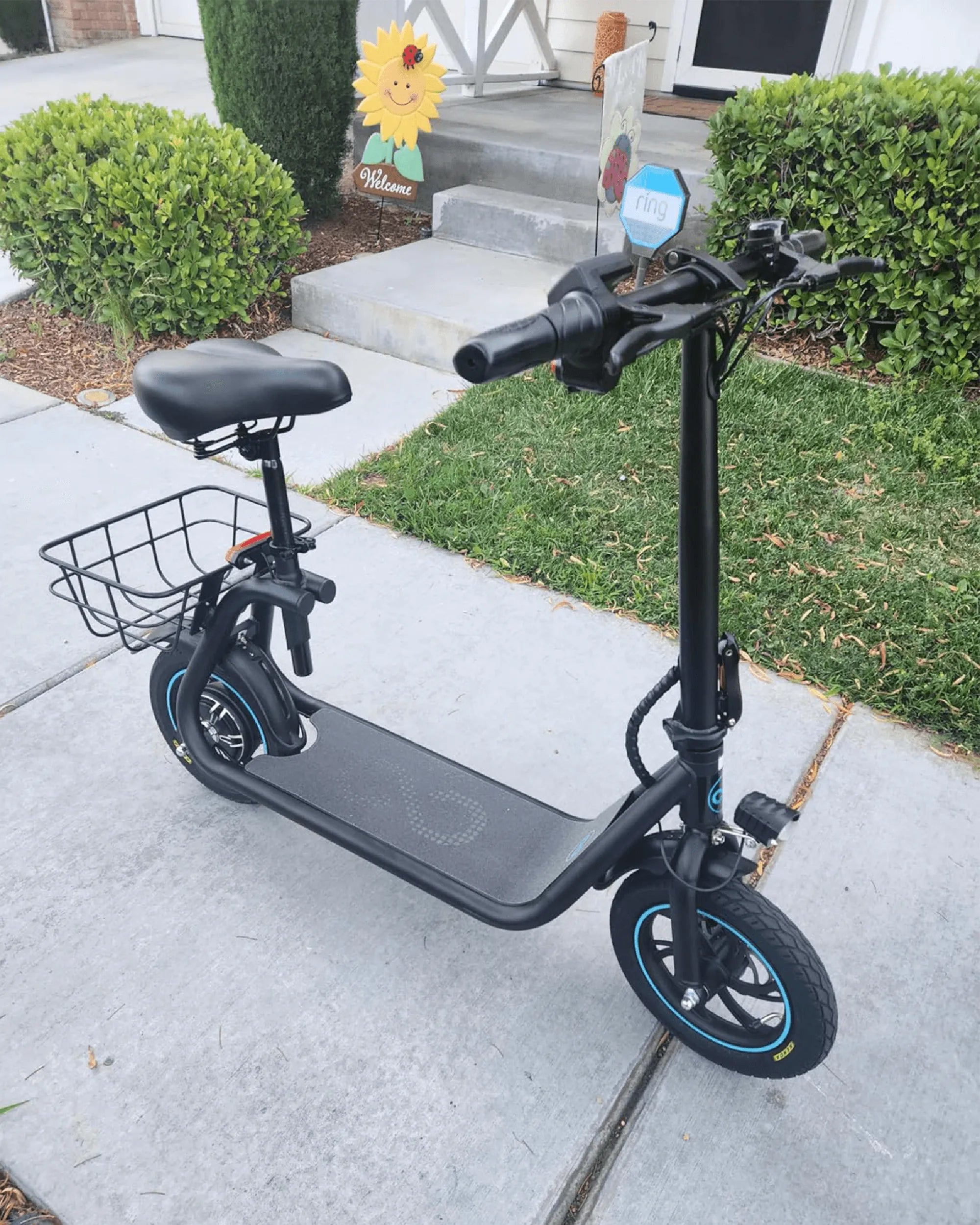
You're considering an e-bike, but a critical question looms: how many miles does an ebike last? The answer isn't a single number. It hinges on whether you're asking about the total lifespan of the machine or the distance it can travel on a single charge. This guide will dissect both meanings, providing clear, data-driven insights into the durability of frames, motors, and batteries, and the variables that affect your daily range. You'll learn how to evaluate quality, implement maintenance, and adopt riding habits that maximize your e-bike's miles and years of service.
Understanding the Two Meanings of "Last"
When riders ask how many miles does an ebike last, they are often blending two distinct concepts. The first is Vehicle Lifespan: the total mileage and years the physical bicycle and its electrical components remain functional and safe. The second is Battery Range: the number of miles you can travel on a single battery charge. Confusing these leads to frustration, such as expecting a 50-mile range bike to also last only 50 total miles. Understanding this distinction is the first step to setting realistic expectations and making an informed purchase.
How Long Does an E-Bike Itself Last? (Lifespan in Years & Miles)
A quality e-bike is a robust machine. The core frame, typically aluminum or steel, can last for decades with proper care. The more pertinent question revolves around the wear components: the motor, battery, drivetrain, and brakes. For a well-built e-bike from a reputable brand, a realistic total lifespan expectation is between 10,000 and 20,000 miles, often translating to 5-10 years of regular use. This assumes proper maintenance and eventual replacement of consumable parts like chains, cassettes, brake pads, and the battery itself.
Key Factors Determining Frame and Component Lifespan
The longevity of your e-bike is not predetermined; it's heavily influenced by several key factors. Build Quality is paramount. A bike with a robust, welded aluminum frame, quality bearings, and sealed components will outlast one with inferior materials. Brands like Gyroor prioritize this durable construction. Maintenance is the next pillar; regular cleaning, lubrication, and adjustment prevent premature wear. Riding Terrain also plays a role; constant off-road or hilly use stresses components more than smooth urban commuting. Finally, Environmental Exposure to salt, rain, and extreme temperatures can accelerate corrosion and degradation if the bike isn't designed or cared for to withstand it.
The Heart of the Matter: Motor and Drivetrain Longevity
The motor is often the most expensive component. Modern brushless hub motors are remarkably durable and can often last the life of the bike, frequently rated for thousands of hours of operation. Mid-drive motors, which integrate with the bike's gears, are highly efficient but may experience more wear as they transmit force through the chain. The drivetrain (chain, cassette, chainring) is a consumable. An e-bike's increased torque and weight cause faster wear than on a traditional bike. Replacing the chain before it's excessively worn protects the more expensive cassette and chainring, significantly extending the drivetrain's life and preserving motor efficiency.
How Far Can You Go on One Charge? (Battery Range in Miles)
This is the variable figure. When manufacturers state a range—often between 20 and 80 miles—it's an estimate under specific, ideal conditions. Your real-world range is a dynamic number influenced by a cocktail of factors. The most honest starting point is the battery's capacity, measured in watt-hours (Wh). A higher Wh rating indicates more potential energy. For example, a 500Wh battery will, all else being equal, provide a longer potential range than a 300Wh battery. Understanding this spec helps you cut through marketing claims and compare models more effectively.
Decoding the Manufacturer's Range Claim
Manufacturer range claims are typically derived from laboratory tests: a specific rider weight (e.g., 165 lbs), riding on flat terrain, at a moderate speed, using a low or medium level of pedal assist, in mild weather. These are best-case scenario numbers. In the real world, factors like hills, headwinds, colder temperatures, higher assist levels, and heavier riders will reduce that number, often by 30-50%. Therefore, a bike advertised with a 40-mile range might reliably deliver 25-30 miles for many riders. It's crucial to view the advertised range as a maximum potential under perfect conditions, not a guarantee.
The Five Major Factors That Slash Your Range
Your actual mileage per charge is dictated by five primary variables. 1. Rider Weight & Cargo: More mass requires more energy to move and stop. Adding 50 lbs of rider or cargo weight can reduce range significantly. 2. Terrain & Elevation Gain: Hills are the biggest range killer. Climbing consumes vastly more power than riding on the flat. 3. Assist Level & Throttle Use: Using maximum pedal assist or the throttle exclusively drains the battery much faster than using a lower assist level and pedaling more actively. 4. Tire Pressure & Terrain Type: Under-inflated tires create more rolling resistance. Soft surfaces like grass or gravel also demand more power than pavement. 5. Temperature & Weather: Lithium-ion batteries are less efficient in cold weather (below 50°F/10°C), potentially cutting range by 20% or more. Riding into a strong headwind also increases energy consumption.
Maximizing Your E-Bike's Lifespan and Range: A Practical Guide
You have direct control over both the long-term durability of your e-bike and the efficiency of each ride. Implementing a proactive care routine and adopting smart riding habits will ensure you get the maximum possible miles—both in total and per charge—from your investment.
Proactive Maintenance for Longevity
Treat your e-bike like the precision vehicle it is. For the battery, avoid storing it fully depleted or at 100% charge for long periods; 40-80% is ideal for storage. Try to avoid letting it fully die before recharging. Keep it clean and dry. For the drivetrain, clean and lubricate the chain regularly, and check for wear. Inspect brake pads for thickness and ensure the brakes are properly adjusted. Check tire pressure before every ride. Keep electrical connections clean and dry. Finally, consider an annual professional tune-up to catch issues early. This is where a strong warranty matters; Gyroor's 1-year comprehensive warranty and US-based support team provide a crucial safety net for your investment.
Smart Riding Habits for Maximum Range
To squeeze more miles from each charge, think like an efficiency expert. Use the lowest necessary assist level. On flat ground, try using level 1 or 2 and pedaling more. Use higher assist only for hills or when you need a boost. Maintain momentum; steady, smooth pedaling is more efficient than frequent stop-and-go. Plan your route to avoid steep hills where possible. Ensure your tires are inflated to the maximum PSI listed on the sidewall (for pavement). If your bike has regenerative braking, use it judiciously on descents to recapture a small amount of energy.
Gyroor's Commitment to Durability and Reliability
Choosing a brand with a focus on quality engineering directly impacts how many miles your ebike will last. Gyroor designs its e-bikes and scooters with longevity as a core principle. This is evidenced by several key features. The use of UL-certified lithium-ion battery packs is non-negotiable for safety and long-term battery health; these cells are rigorously tested for over 500 charge cycles, ensuring capacity retention over years. The IPX5 water-resistant rating on key models protects the electrical system from rain and splashes, preventing corrosion and electrical faults that can shorten a bike's life. Combined with robust frame construction and a reliable 1-year warranty, these features are engineered to deliver thousands of trouble-free miles, making the question of lifespan one of maintenance, not premature failure.
E-Bike Range Comparison: Key Models and Real-World Expectations
The following table compares theoretical and realistic range for different e-bike styles and battery capacities, illustrating the impact of the factors discussed above.
| E-Bike Style / Battery Size | Advertised Range (Ideal) | Real-World Range (Mixed Use) | Primary Best Use Case |
|---|---|---|---|
| Commuter (350-400Wh) | 30-45 miles | 20-30 miles | Urban commuting, light errands |
| Commuter (500-600Wh) | 50-70 miles | 35-50 miles | Longer commutes, leisure rides |
| Performance / Mid-Drive (500Wh+) | 60-80 miles | 40-60 miles | Hilly terrain, off-road trails |
| Compact / Folding (250-350Wh) | 20-35 miles | 15-25 miles | Last-mile transport, mixed-mode travel |
Frequently Asked Questions (FAQ)
Q: Can I replace the battery to extend my e-bike's life?
A: Absolutely. The battery is the primary wear component in an e-bike's electrical system. Replacing a degraded battery with a new, compatible pack can effectively rejuvenate an older bike, restoring its original range and performance. This is often the most cost-effective way to gain several more years of service from a well-maintained frame and motor.
Q: How often should I service my e-bike?
A: For optimal longevity, perform basic checks before every ride (tire pressure, brake function). A more thorough cleaning and lubrication of the chain should be done every 100-200 miles or after riding in wet/dirty conditions. A full professional tune-up—checking motor mounts, bearing adjustments, brake bleeding, and full system diagnostics—is recommended annually or every 1,000 miles, whichever comes first.
Q: Does frequent charging damage the battery?
A: Modern lithium-ion batteries do not suffer from "memory effect." It is generally better for battery health to perform partial, top-up charges rather than consistently running the battery down to 0% and charging to 100%. For long-term storage (over a month), store the battery at a 40-60% charge level in a cool, dry place.
Q: Is a more expensive e-bike likely to last longer?
A: Generally, yes. A higher price point typically reflects better-quality components: a more durable frame, a motor with higher quality bearings and seals, a battery with name-brand cells and a sophisticated Battery Management System (BMS), and more robust brakes and drivetrain parts. These components are designed to withstand more miles and require less frequent replacement, justifying the initial investment over the long term.
Q: How does weather affect both lifespan and range?
A: Weather has a dual impact. For range: Cold temperatures (below 50°F/10°C) reduce battery chemical efficiency, temporarily cutting range. Headwinds also increase energy consumption. For lifespan: Consistent exposure to rain, road salt, and humidity without proper cleaning can lead to corrosion of metal parts, bearing failure, and electrical connector issues. Using a bike with a good water-resistance rating (like IPX5) and rinsing it off after wet or salty rides is crucial for long-term durability.
Investing in Miles and Years of Riding
The question of how many miles does an ebike last ultimately has a empowering answer: it depends significantly on you. By choosing a well-engineered e-bike from a brand committed to durability and safety, and by committing to simple, consistent maintenance and efficient riding practices, you can expect many thousands of miles and years of reliable, enjoyable service. Your e-bike is a long-term investment in mobility, freedom, and fun. Protect that investment with knowledge and care, and it will reward you with countless journeys.
Ready to find an e-bike built to last? Explore a range of models designed with UL-certified batteries, robust construction, and rider-focused features engineered for the long haul. Browse the full Gyroor collection at gyroorboard.com and start your journey toward reliable, long-lasting electric mobility.
Lightweight Fold Away Mobility Scooter: The Complete Data-Driven Guide to Portable Freedom
Street Legal Scooter No License Required: Ultimate Buyer's Guide 2024