



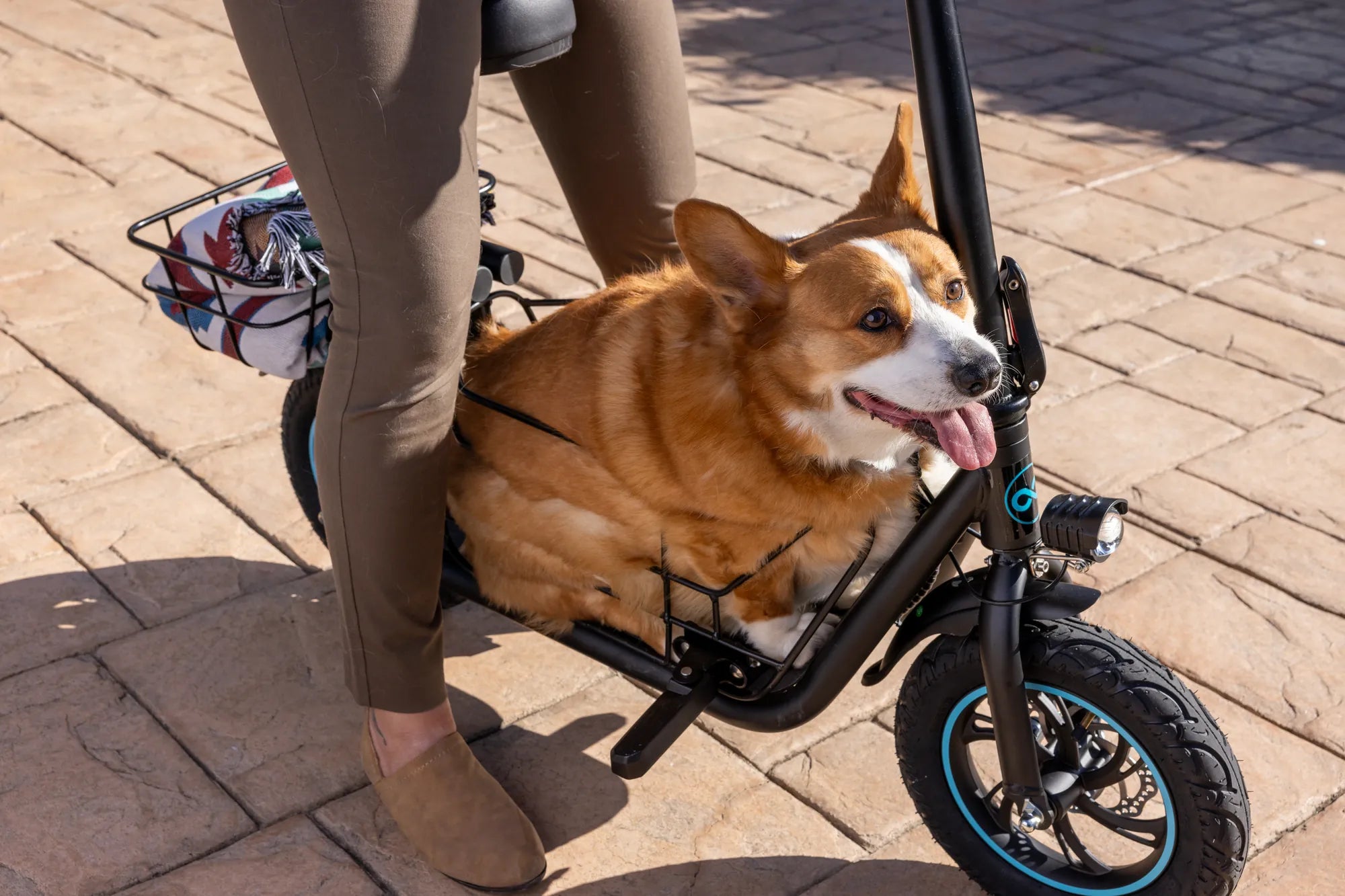
Navigating the Legal Landscape of E-Scooters
The question, "Is it illegal to drive electric scooters?" has no universal answer. The legality of operating a personal electric scooter is a complex patchwork of state statutes, county codes, and municipal ordinances that can change from one city block to the next. This variability creates significant confusion for riders. This article provides a clear, practical guide to understanding the laws governing Gyroor e-scooters, emphasizing that compliance depends on your specific location, the type of road or path you use, and your age.
Fundamentally, the law is catching up with technology. Electric scooters exploded in popularity faster than many legislatures could draft specific regulations. As a result, many areas apply existing laws for bicycles, motor vehicles, or "motorized scooters" to this new mode of transport. Knowing how your local government classifies your e-scooter is the critical first step to riding legally and safely.
Riding without understanding these rules can lead to fines, confiscation of your scooter, or even misdemeanor charges in severe cases. The core principle is this: the rider is responsible for knowing and obeying the laws applicable where they ride. Ignorance is rarely a valid defense. This guide will equip you with the knowledge to ride with confidence and avoid legal pitfalls.
Understanding the Core Legal Classifications
An electric scooter isn't just an electric scooter in the eyes of the law. Its legal definition dictates where you can ride, what rules you must follow, and whether you need registration or insurance. Most jurisdictions classify these devices based on three key technical factors: motor wattage, maximum speed capability, and whether it has a seat.
Common classifications include "Electric Personal Assistive Mobility Device" (EPAMD), "Motorized Scooter," "Low-Speed Electric Bicycle," or simply "Toy." An EPAMD classification, often granted to devices under 750W and 20 mph, typically allows for the most access, including bike lanes and sometimes sidewalks. A "Motorized Scooter" classification may restrict use to roads and require adherence to vehicle codes.
The presence of a seat can be a major legal differentiator. Many laws specifically define "stand-up electric scooters" separately from seated mopeds or e-bikes. Gyroor's lineup of stand-up commuter scooters, like the Gyroor S1 or S2, generally falls under "motorized scooter" or "electric scooter" statutes, which are distinct from the regulations for e-bikes, which often have pedals.
This classification matters because it determines legal infrastructure access. A device classified similarly to a bicycle gains access to bike lanes and paths. One classified as a motor vehicle is typically banned from sidewalks and must use the road. Always check your scooter's specifications against your local legal definitions.
Local Laws vs. State Laws: Where to Look First
The hierarchy of e-scooter regulation is crucial. State laws provide a baseline framework, but cities, counties, and even university campuses frequently impose stricter or more specific rules. A state may permit e-scooter use on roads with speed limits under 35 mph, but a city within that state can outright ban them from all public rights-of-way.
You must check both levels. Start with your state's vehicle code, searching for terms like "motorized scooter," "electric scooter," or "EPAMD." Then, visit your city's official website and search municipal codes or transportation department pages for "scooter" or "micromobility" ordinances. Pay close attention to business districts or downtown areas, where sidewalk riding bans are most common.
For example, California state law allows e-scooters on roads and bike lanes, but cities like San Francisco require them to be locked to a bike rack and prohibit riding on sidewalks. In New York, state law long prohibited e-scooters, but recent legislation allowed cities to opt-in, leading to a legal framework in New York City with its own specific rules for licensed rental scooters versus privately owned ones.
When in doubt, contact your local police department's non-emergency line or city clerk's office. They can direct you to the exact municipal code section. For riders, the safest assumption is that local laws override state laws where they are more restrictive.
Where Can You Legally Ride? Paths, Lanes, and Sidewalks
The legality of your ride changes with the pavement beneath your wheels. Understanding the rules for each type of infrastructure is essential for avoiding citations and ensuring safety.
Bike Lanes: This is often the safest and most legally permissive zone for e-scooters. In most jurisdictions that allow e-scooters, they are explicitly permitted in bicycle lanes. You must ride in the direction of traffic and yield to bicycles. Gyroor scooters, with their compact design and stable handling, are well-suited for bike lane commuting.
Public Roads: Riding on the road is commonly allowed, but with strict caveats. You are typically required to ride as far right as practicable, obey all traffic signals and signs, and use hand signals for turns. Riding on highways, freeways, or roads with speed limits above 35-40 mph is almost universally prohibited. Your Gyroor scooter's integrated headlight, taillight, and reflectors are critical for legal and safe road use after dark.
Sidewalks: This is the most contentious area. Sidewalk riding is frequently banned in business districts and densely populated urban areas to protect pedestrians. Where it is permitted, riders must operate at walking speed (often defined as 6-8 mph) and yield the right-of-way to all pedestrians. Many laws impose automatic liability on the scooter rider in any collision with a pedestrian on a sidewalk.
Multi-Use Paths & Parks: Rules for paved trails in parks or along waterfronts vary wildly. Some cities welcome e-scooters, while others ban all motorized vehicles. Always look for posted signage at path entrances. When allowed, reduce your speed significantly and announce your presence when passing.
The Essential Rules of the Road for E-Scooter Riders
Beyond where you ride, *how* you ride is governed by a set of nearly universal legal requirements. Violating these can result in fines comparable to those for drivers.
Age Restrictions: A minimum age is almost always required. Commonly, you must be at least 16 years old to operate an e-scooter on public property. Some states or cities set the minimum at 18, especially if the scooter exceeds certain speed or power thresholds. There is typically no maximum age, but all riders must possess the physical and cognitive ability to control the device safely.
Helmet Laws: Helmet requirements are not uniform but are heavily tied to age. Laws often mandate helmets for all riders under 18. For adults, requirements may depend on the scooter's top speed or may be a strong recommendation rather than a law. Regardless of the legal minimum, wearing a certified bicycle or multi-impact helmet is the single most effective safety practice for any rider.
DUI Laws: Operating an electric scooter under the influence of alcohol or drugs is illegal everywhere. E-scooters are considered vehicles, and DUI/DWI statutes apply fully. Penalties can include fines, license suspension (for your driver's license), and even jail time. The legal blood alcohol concentration (BAC) limit is typically 0.08%, the same as for driving a car.
Passengers & Cargo: Most e-scooters, including Gyroor models, are designed and certified for a single rider. Carrying a passenger is almost always illegal and extremely dangerous due to the impact on balance, braking, and weight capacity. Similarly, towing another person or object is prohibited. Use a backpack or a scooter with a designated cargo hook for your belongings.
Lighting & Reflectors: For night riding, most laws require a white front headlight visible from 500 feet and a red rear reflector or taillight. Gyroor scooters come equipped with these essential safety features, but riders should ensure they are functional before any evening commute. Some laws also require side reflectors.
How Gyroor Designs for Compliance and Safety
Gyroor engineers its electric scooters with legal compliance and rider safety as foundational principles, not afterthoughts. This proactive design philosophy helps riders more easily adhere to local regulations.
UL-Certified Battery Systems: Beyond performance, the UL 2272 certification for the battery pack and UL 2849 for the entire electrical system are becoming de facto legal requirements in major cities like New York. These certifications prove the battery has passed rigorous safety tests for electrical, mechanical, and environmental hazards. Gyroor's use of these certified batteries not only ensures safety but also future-proofs your scooter against emerging regulations focused on fire prevention.
IPX5 Water Resistance: The IPX5 rating signifies protection against water jets from any direction. This isn't just about puddle splashes; it's about legal all-weather capability. In regions where e-scooters are approved for use, they are expected to be reliable in light rain. A scooter without a solid ingress protection rating may malfunction in wet conditions, creating a safety and legal liability for the rider.
Integrated Lighting Systems: Legal night riding requires proper illumination. Gyroor models feature bright LED headlights for visibility and safe navigation, and red taillights with braking indicators. This integrated design means riders don't need to attach aftermarket lights that may be insecure or non-compliant, helping them meet lighting requirements effortlessly.
Speed Modes & Governance: Many laws cap e-scooter speeds at 15-20 mph on bike lanes or roads. Gyroor scooters often include multiple speed modes (e.g., Eco, Normal, Sport). Riders can select a lower, legally compliant mode for crowded areas and a higher mode for open roads where permitted. This built-in governance empowers responsible riding.
A Quick-Reference Table: Common E-Scooter Regulations at a Glance
This table summarizes typical regulatory patterns across the United States. Always verify with your local authorities, as exceptions are common.
| Regulation Category | Typical Rule Pattern | Common Exceptions & Notes |
|---|---|---|
| Helmet Requirement | Mandatory for riders under 18; recommended for adults. | Some cities (e.g., Seattle) require helmets for all ages. Laws may be stricter for faster scooters (>20 mph). |
| Minimum Age | 16 years old is the most common minimum. | Can be 14 (with helmet) in some states, or 18 in others (e.g., Georgia). Often tied to driver's license possession. |
| Max Speed on Road/Bike Lane | 15 mph to 20 mph. | Some states have no specific limit but may reference the scooter's maximum capable speed. Speed limits on sidewalks are often <= 8 mph. |
| Sidewalk Riding | Generally prohibited, especially in business districts. | May be permitted in residential areas or where no bike lane exists. Always yields to pedestrians. |
| Bike Lane Use | Explicitly permitted where e-scooters are legal. | Ride in the direction of traffic. Yield to bicycles. |
| Driver's License / Registration | Generally NOT required. | A few states may require a valid driver's license. Registration and license plates are extremely rare for privately-owned scooters. |
| Insurance Requirement | Generally NOT required for private owners. | Commercial rental operators are required to have insurance. Personal umbrella policies may cover liability. |
Frequently Asked Questions on E-Scooter Legality
Q1: Do I need a driver's license to ride an e-scooter?
In the majority of U.S. states and localities, no, a driver's license is not required to operate a personal electric scooter. However, a handful of states do require some form of valid driver's license or learner's permit. The more common requirement is a minimum age (e.g., 16). Always check your state vehicle code.
Q2: Is insurance required for my personal e-scooter?
Mandatory insurance for privately-owned e-scooters is very rare. They are not typically considered "motor vehicles" for insurance purposes. However, you are personally liable for any damage or injury you cause. It's wise to check if your homeowner's or renter's insurance policy offers liability coverage for this type of personal mobility device. Commercial rental scooter companies are required to carry insurance.
Q3: Can I ride my e-scooter in a public park or on a hiking trail?
This is almost always prohibited on natural surface hiking trails. For paved multi-use paths within parks, it depends entirely on local rules. Many parks ban all motorized vehicles. Look for signage stating "No Motorized Vehicles" or "Foot Traffic Only." When in doubt, walk your scooter or choose an alternate route.
Q4: What happens if I'm caught breaking a local e-scooter law?
Penalties are typically civil infractions, similar to a bicycle ticket. You will likely receive a citation and a fine, which can range from $50 to over $250 for offenses like sidewalk riding in a banned zone or riding without a helmet (if required). In severe cases, such as a DUI or reckless riding causing injury, criminal misdemeanor charges are possible. Your scooter could also be impounded.
Q5: Are the laws different for rental scooters vs. my own Gyroor scooter?
Yes, frequently. Cities that have partnered with rental companies (like Lime or Bird) often create a separate regulatory framework for them. These rules might mandate geofencing (automatic speed reduction in certain zones), require parking in designated corrals, and include specific insurance and data-sharing requirements. As a private owner, you are subject to the general laws for "motorized scooters," which may be more permissive in some aspects (like parking) but hold you personally responsible for all compliance.
Ride Informed, Ride Responsibly
The freedom and convenience of an electric scooter come with the responsibility to know and follow the law. The answer to "Is it illegal to drive electric scooters?" is location-specific. Before your first ride in a new area, invest 10 minutes in researching your state's vehicle code and city ordinances. This simple step can prevent costly fines and ensure your safety and the safety of those around you.
Gyroor is committed to supporting this responsible riding culture by building durable, feature-complete scooters designed with legal compliance in mind—from their UL-certified batteries for safety regulations to their integrated lighting for visibility laws. Choosing a reputable brand with transparent specifications is the first step toward lawful operation.
Ultimately, the future of e-scooter access depends on rider behavior. By obeying speed limits, yielding to pedestrians, using bike lanes where available, and wearing a helmet, you not only protect yourself but also help build a positive reputation for the entire micromobility community. This encourages cities to adopt more progressive, permanent laws that integrate e-scooters safely into the transportation ecosystem.
Ready to explore a compliant and reliable electric scooter? Browse the full Gyroor collection, featuring UL-certified, IPX5 water-resistant models designed for the real-world commute, at gyroorboard.com.
Safest Electric Scooters for Adults: A Comprehensive Guide to Secure Riding
Are There Electric Scooters in Philadelphia? A Complete Guide to Riding in Philly