



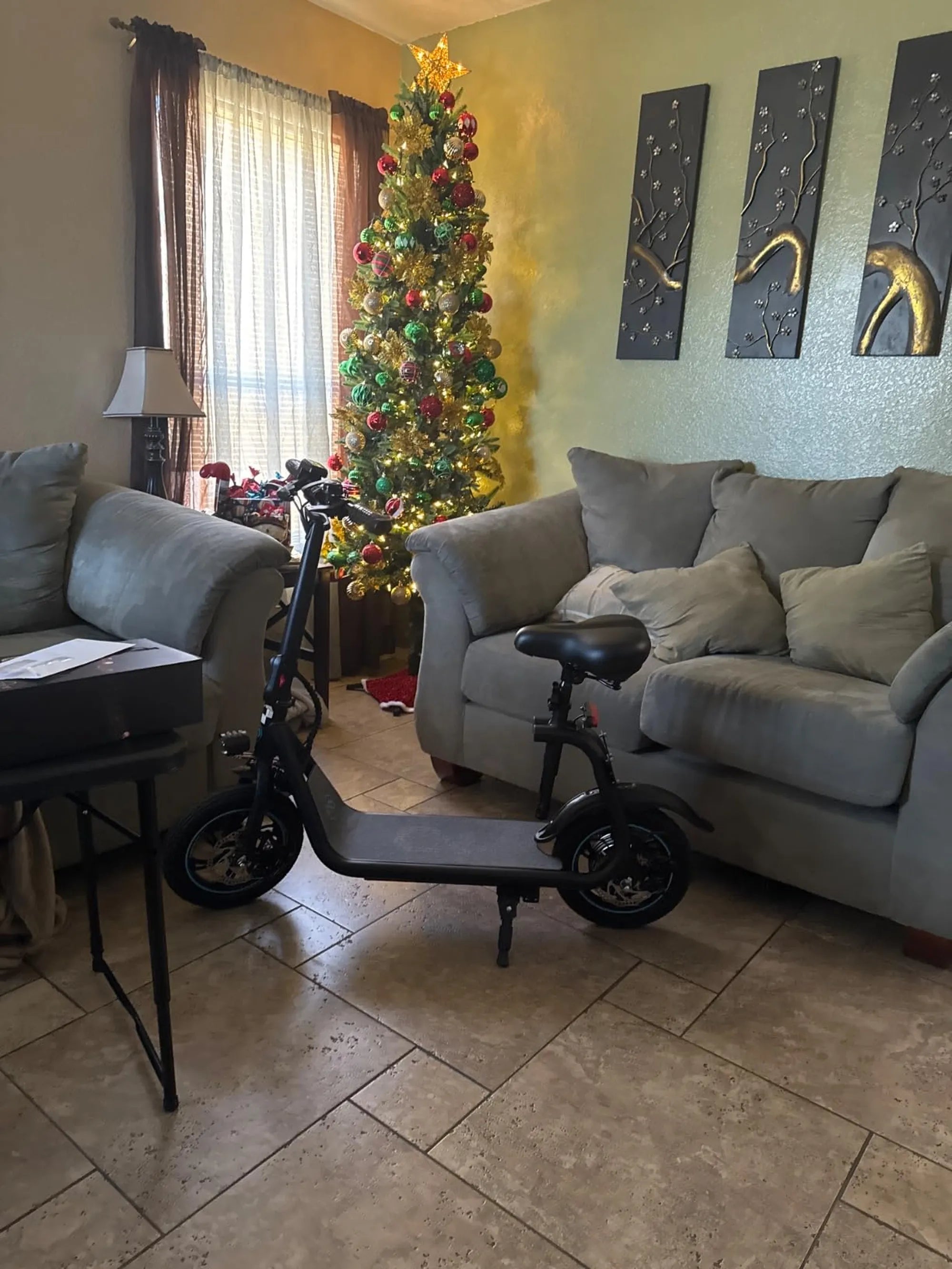
Riding an electric scooter in the rain might seem like a convenient way to get around, but is it really safe? Wet conditions can pose serious risks, from slippery surfaces to potential electrical hazards. Before you brave the rain on your e-scooter, here’s what you need to know to stay safe.
The Risks of Riding an Electric Scooter in the Rain
Rain introduces several hazards that can make riding an electric scooter more dangerous. Slippery roads, reduced visibility, and potential water damage to the scooter’s electrical components are just a few of the risks. Wet surfaces can cause tires to lose traction, increasing the likelihood of skidding or falling. Additionally, rain can obscure your vision, making it harder to see obstacles or other vehicles.
Understanding Waterproof Ratings
Not all electric scooters are built the same when it comes to water resistance. Many models come with an IP (Ingress Protection) rating, which indicates how well the scooter can withstand moisture. For example, a scooter with an IPX4 rating can handle light splashes, while an IPX7-rated scooter can endure brief submersion. Always check your scooter’s IP rating before riding in the rain to avoid damaging its internal components.
Essential Safety Tips for Riding in the Rain
If you must ride your electric scooter in wet conditions, follow these safety tips to minimize risks:
- Slow Down: Reduce your speed to maintain better control on slippery surfaces.
- Avoid Puddles: Deep water can damage the scooter’s battery or motor.
- Wear Protective Gear: A waterproof jacket, gloves, and non-slip shoes can help keep you safe and dry.
- Use Lights: Turn on your scooter’s lights to improve visibility for yourself and others.
- Check Brakes: Wet brakes may be less effective, so test them before riding at full speed.
What to Do If Your Scooter Gets Wet
If your electric scooter gets soaked, turn it off immediately and let it dry completely before using it again. Avoid charging a wet scooter, as this can cause electrical shorts or even fires. If you suspect water has entered the battery or motor, consult a professional for inspection and repairs.
Alternatives to Riding in Heavy Rain
Sometimes, the safest option is to avoid riding in the rain altogether. Consider using public transportation or waiting until the weather improves. If you frequently encounter wet conditions, investing in a high-quality waterproof scooter cover can help protect your ride when you’re not using it.
Riding an electric scooter in the rain doesn’t have to be a disaster—if you take the right precautions. By understanding the risks, checking your scooter’s waterproof rating, and following safety tips, you can navigate wet conditions with confidence. Stay dry, stay safe, and enjoy the ride!
How Fast Is the Fastest Electric Scooter: Breaking Speed Limits
Self Balancing Mobility Market: The Future of Urban Transportation