



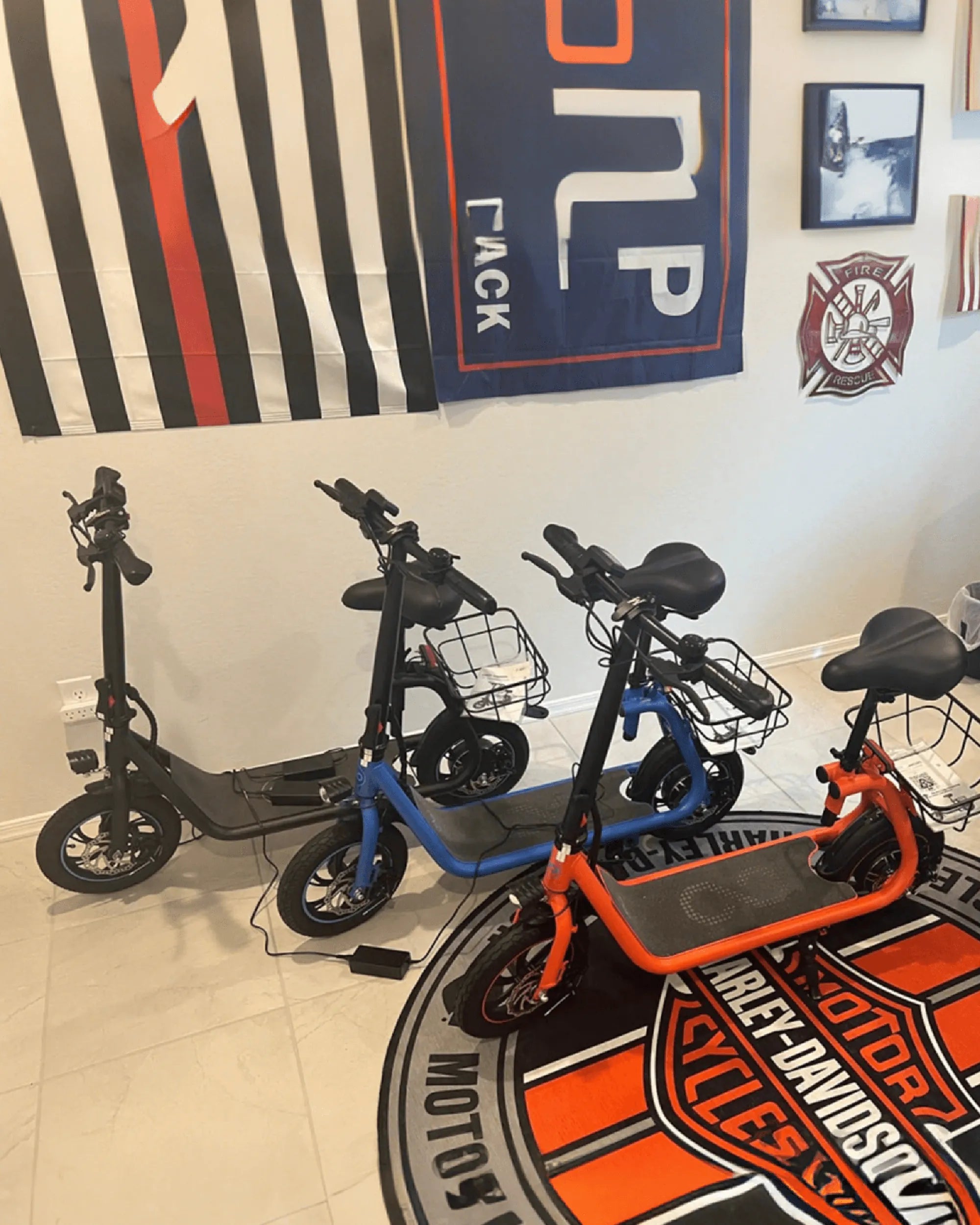
The self balancing mobility market is transforming the way we navigate cities, offering sleek, eco-friendly alternatives to traditional transportation. From electric scooters to hoverboards, these devices are becoming a staple in urban environments, promising to reduce traffic congestion and carbon emissions. But what exactly is driving this rapid adoption, and what does the future hold for this burgeoning industry?
The Rise of Self Balancing Mobility Devices
Self balancing mobility devices have surged in popularity over the past decade, thanks to advancements in battery technology, lightweight materials, and smart connectivity. These devices, which include electric unicycles, hoverboards, and self balancing scooters, are designed for short-distance travel, making them ideal for urban commuters. Their compact size and agility allow users to weave through traffic, bypassing the frustrations of gridlocked streets.
Key Drivers of Market Growth
Several factors are fueling the expansion of the self balancing mobility market. First, the growing emphasis on sustainability has pushed consumers and governments alike to seek greener transportation options. Electric-powered devices produce zero emissions, aligning with global efforts to combat climate change. Second, the convenience of these devices cannot be overstated. They are portable, easy to use, and often more affordable than owning a car or relying on public transit.
Challenges and Regulatory Hurdles
Despite their benefits, self balancing mobility devices face significant challenges. Safety concerns, particularly around accidents and injuries, have led to stricter regulations in some cities. Additionally, the lack of standardized laws governing their use creates confusion for riders and policymakers. Infrastructure gaps, such as the absence of dedicated lanes or charging stations, also hinder widespread adoption.
Technological Innovations Shaping the Future
The future of the self balancing mobility market lies in technological innovation. Advances in artificial intelligence and machine learning are enabling smarter, safer devices with features like collision avoidance and adaptive speed control. Meanwhile, improvements in battery life and charging efficiency are addressing one of the biggest pain points for users. As these technologies mature, we can expect even more sophisticated and reliable products to hit the market.
The Role of Urban Planning
For the self balancing mobility market to reach its full potential, cities must adapt. Urban planners need to integrate these devices into transportation networks by creating dedicated lanes, parking zones, and charging infrastructure. Some forward-thinking cities have already begun pilot programs, but widespread implementation will require collaboration between governments, manufacturers, and communities.
Consumer Adoption and Market Trends
Consumer interest in self balancing mobility devices shows no signs of slowing down. Younger generations, in particular, are drawn to the tech-savvy appeal and environmental benefits of these gadgets. The market is also seeing a shift toward shared mobility services, where users can rent devices on-demand rather than purchasing them outright. This trend could further accelerate adoption, especially in densely populated areas.
Global Market Outlook
The self balancing mobility market is poised for exponential growth, with projections indicating a multi-billion-dollar industry by the end of the decade. Asia-Pacific currently leads in adoption, thanks to its dense urban centers and supportive policies, but North America and Europe are catching up quickly. As awareness grows and technology improves, these devices could become a mainstream mode of transportation worldwide.
Imagine a world where traffic jams are a relic of the past, and your daily commute is as effortless as gliding down the street. The self balancing mobility market is turning this vision into reality, one innovation at a time. Don’t get left behind—discover how these cutting-edge devices are reshaping urban life today.
Is It Safe to Ride Electric Scooter in Rain? What You Need to Know
Can You Leave an Electric Scooter in the Rain? What You Need to Know