



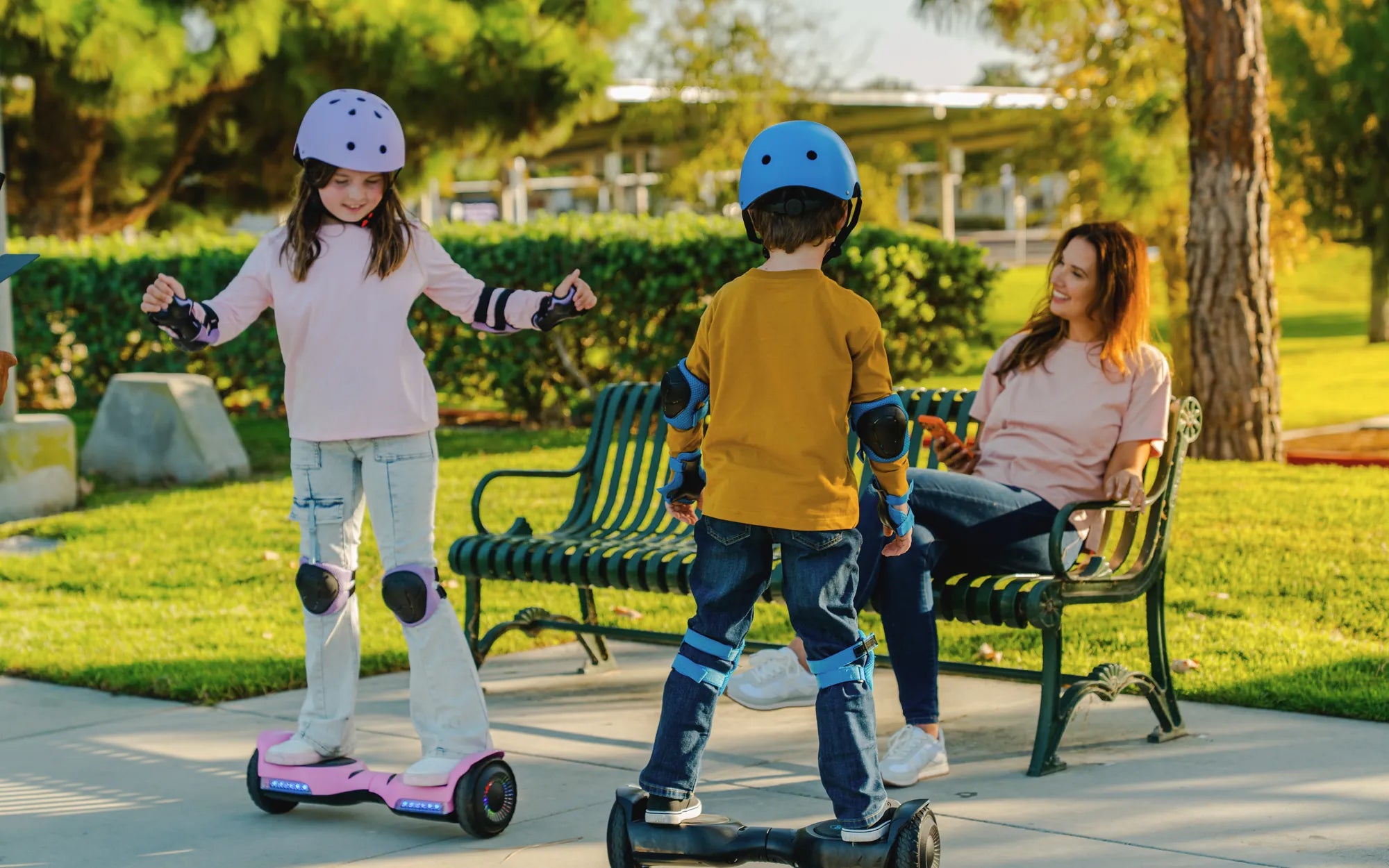
Introduction: Why the Little Tikes Learn to Turn Hoverboard is a Game-Changer for Young Riders
Finding the right first ride-on toy for a young child involves balancing excitement with safety. The Little Tikes Learn to Turn Hoverboard stands out as a revolutionary product engineered specifically for this challenge. Designed for children aged 3 to 7, this hoverboard reimagines the classic self-balancing scooter with a core focus on developmental progression and inherent safety.
Its patented "Learn to Turn" technology is the cornerstone of its design, providing a graduated learning curve that builds a child's confidence from the ground up. Unlike standard hoverboards that can be intimidating and difficult to master, this model introduces control in manageable stages. For parents, this translates to a toy that prioritizes skill-building and safe operation over sheer speed or complex maneuvers, making it a premier choice for responsible, active play.
As a leader in trusted children's products, Little Tikes has applied its decades of expertise to create a hoverboard that parents can feel good about. This guide will dissect every aspect of the Little Tikes Learn to Turn Hoverboard, from its innovative technology to its rigorous safety certifications. We aim to provide you with all the information needed to make an informed decision and ensure your child's first foray into powered riding is both incredibly fun and exceptionally safe.
You will learn how the technology works to prevent frustration, what specific safety features protect your child, and how to guide them through their first riding sessions. We will also compare it to standard models to highlight its unique value and provide practical advice on maintenance and troubleshooting. Let's explore why this hoverboard is more than just a toy—it's a tool for building coordination, confidence, and joyful independence.
Understanding the "Learn to Turn" Technology: How It Builds Confidence
The genius of the Little Tikes Learn to Turn Hoverboard lies in its name. The patented "Learn to Turn" system is a multi-stage training technology that physically modifies the board's responsiveness. It is designed to prevent the sudden, jerky turns that are common with traditional hoverboards, which often lead to falls and a loss of confidence in young riders.
This technology operates through three distinct, parent-selectable modes: Beginner, Intermediate, and Expert. In Beginner Mode, the turning mechanism is significantly restricted. The board primarily moves forward and backward, with very gradual turning allowed. This allows the child to master the fundamental skill of balance and weight-shifting for propulsion without the complexity of steering, drastically reducing initial frustration.
Once balance is achieved, parents can switch to Intermediate Mode. Here, the turning radius is increased, allowing for wider, more deliberate arcs. The child learns to initiate turns by applying subtle pressure with their feet and leaning, but the response is still dampened for safety. This stage builds muscle memory and spatial awareness in a controlled environment.
The final stage is Expert Mode. This mode unlocks the hoverboard's full turning capability, providing a responsive ride similar to standard models—but only after the rider has developed the necessary core strength and coordination. This graduated approach ensures that skill development is sequential and safe. The technology directly links to a safer riding experience by ensuring a child is never overwhelmed by a sensitivity level they are not prepared to handle, making the Little Tikes Learn to Turn Hoverboard a true learning platform.
Key Safety Features and Design Specs: What Makes It Kid-Safe
Beyond the learning technology, the Little Tikes Learn to Turn Hoverboard is packed with design elements and certifications specifically engineered for child safety. Every component, from its electrical system to its physical construction, is evaluated for the unique risks presented by young, developing riders. This data-driven approach to safety is what sets it apart from generic or toy-grade alternatives.
UL 2272 Certification & Battery Safety
The most critical safety feature is its UL 2272 certification. This is not a mere suggestion but a rigorous set of standards established by Underwriters Laboratories for self-balancing scooters. It tests for over 100 potential electrical and fire safety hazards, including battery system integrity, circuit protection, and durability under stress.
A UL 2272 certified battery pack, like the one in this hoverboard, has undergone extensive testing for overcharge, short circuit, and abnormal operation. This certification is a non-negotiable for any parent, as it directly addresses the fire risks associated with poorly manufactured lithium-ion batteries. It provides peace of mind that the power source is as safe as modern engineering can make it.
Speed Limiters and Parental Control
Speed is controlled intelligently. In Beginner Mode, the hoverboard is capped at a very slow walking pace, typically around 2 mph (3.2 km/h). This allows a parent to easily walk alongside the child. The speed increases incrementally through the modes, with Expert Mode reaching a maximum that is still appropriate for the age group, often around 5-6 mph.
This built-in governance ensures that a child cannot accidentally accelerate to a dangerous speed. The controls are also managed via a simple, key-based parental remote or a physical switch on the board itself, preventing children from changing modes without supervision. This layer of control is essential for managing the learning environment.
Sturdy Construction and Low Profile
The physical design prioritizes stability and accessibility. It features a wider wheelbase and footpad platform than many standard models, lowering the center of gravity and making it harder to tip over. The deck height is also lower, making it easier for small legs to mount and dismount safely.
The body is constructed from durable, child-friendly materials designed to withstand the bumps and scrapes of learning. The non-slip foot pads provide secure footing, and the overall weight of the board is optimized to be manageable for its intended rider weight class (usually up to 65 lbs), without being so light that it feels unstable. Every design choice reinforces the core mission of safe, accessible fun.
A Parent's Step-by-Step Guide to Getting Started
Success with the Little Tikes Learn to Turn Hoverboard begins with a proper, patient introduction. Framing the first few sessions as a shared learning activity, rather than simply handing over the toy, sets the stage for safe habits and positive associations. Follow this chronological guide to ensure a smooth and enjoyable start for both you and your child.
Pre-Ride Checklist: Gear and Setup
Before the board is even turned on, safety gear is non-negotiable. Your child must wear a properly fitted CPSC-certified helmet, knee pads, and elbow pads. Closed-toe shoes with good grip are also essential. Simultaneously, charge the hoverboard fully using the provided charger and manufacturer instructions—typically requiring several hours for an initial charge.
Next, select the practice environment. The ideal location is a flat, smooth, and open paved surface such as a driveway, empty tennis court, or smooth garage floor. The area should be free of traffic, slopes, gravel, and obstacles. This controlled environment minimizes external risks and allows the child to focus solely on controlling the board.
The First Session: Mastering Balance and Movement
Begin with the hoverboard powered OFF. Let your child practice simply stepping onto the footpads and finding their balance while you hold their hands. Then, power it on and set it to Beginner Mode. With you holding their hands or stabilizing their shoulders, have them practice the basic forward and backward movements.
Encourage them to look forward, not down at their feet. Focus on gentle, subtle leans to create motion. Spend the entire first session (15-20 minutes max) on this skill. The goal is comfort with starting, stopping, and basic balance. Celebrate small successes to build confidence. Do not rush to introduce turning.
Progressing Through the Modes
Resist the urge to advance quickly. A child is ready for Intermediate Mode when they can start, stop, and travel in a straight line confidently without needing physical support from you. Look for consistent balance and controlled speed management.
The transition to Expert Mode should only occur once they are proficient at making wide, controlled turns in Intermediate Mode without wobbling. Let your child's comfort and skill level be the guide, not a predetermined timeline. This patient, milestone-based progression is the essence of how the Little Tikes Learn to Turn Hoverboard builds lasting confidence and competence.
Little Tikes Hoverboard vs. Standard Models: A Critical Comparison
To justify the investment, it's crucial to understand how the Little Tikes Learn to Turn Hoverboard differs from standard hoverboards designed for teens and adults. The comparison below highlights the child-specific engineering that makes it a specialized tool rather than a scaled-down version of an adult product.
| Feature | Little Tikes Learn to Turn Hoverboard | Standard Teen/Adult Hoverboard |
|---|---|---|
| Target Age & Weight Limit | Designed for ages 3-7, weight up to ~65 lbs. | Designed for ages 8+, often supporting 120-220 lbs. |
| Core Learning Technology | Patented 3-stage "Learn to Turn" system for gradual skill development. | Immediate, full sensitivity; steep learning curve with high frustration risk. |
| Maximum Speed | Capped at child-appropriate speeds (~2-6 mph depending on mode). | Often reach 7-10+ mph, unsuitable for young children. |
| Safety Certification | UL 2272 certified for electrical/fire safety (a critical differentiator). | Varies widely; many budget models lack this certification. |
| Parental Controls | Speed limiters and mode locks via remote or physical switch. | Typically no parental controls; full access to rider. |
| Deck Height & Stability | Lower deck, wider stance for easier mounting and inherent stability. | Higher deck, narrower stance optimized for agility, not beginner stability. |
| Primary Use Case | Skill development, confidence building, supervised play. | Transportation, recreation, and tricks for skilled riders. |
This comparison shows that a standard hoverboard is fundamentally the wrong tool for a young child. The Little Tikes Learn to Turn Hoverboard is not a "lesser" product but a purpose-built one. Its value lies in its specialized design, which addresses the specific physical, cognitive, and safety needs of preschoolers and early elementary-aged children.
Maintenance, Care, and Troubleshooting Tips
Proper maintenance ensures the longevity and safe operation of the hoverboard. Establishing good habits from day one protects your investment and keeps the toy in safe working order. These practical tips are straightforward but essential for responsible ownership.
Charging & Battery Care: Always use the manufacturer-provided charger. Do not leave the hoverboard plugged in indefinitely after it is fully charged, as overcharging can degrade battery health over time. A full charge typically provides 45 minutes to 1 hour of continuous ride time. Store the board and charger in a cool, dry place, away from direct sunlight and extreme temperatures.
Cleaning and Storage: Clean the hoverboard with a soft, slightly damp cloth. Do not use a hose, pressure washer, or submerge any part of the board. Ensure it is completely dry before charging or storing. Check the tire tread periodically for wear or debris, and inflate to the recommended PSI if they are air-filled (some models use solid rubber).
Basic Troubleshooting: If the board does not power on, first ensure it is adequately charged. Many self-balancing scooters also require being on a perfectly flat, level surface when powering on to calibrate their gyroscopes. If one side seems unresponsive, check for debris lodged around the wheel or footpad sensor. Always consult the official manual first, and contact Little Tikes customer support for persistent issues rather than attempting repairs yourself.
Frequently Asked Questions (FAQ)
Q1: What is the exact age and weight recommendation?
A: The Little Tikes Learn to Turn Hoverboard is designed for children aged 3 to 7 years old. The maximum weight capacity is typically 65 pounds (approximately 29.5 kg). It is crucial to adhere to these limits for safety and proper performance.
Q2: How long does the battery last on a single charge?
A: On a full charge, you can expect an average of 45 minutes to 1 hour of continuous riding, depending on the rider's weight, terrain, and speed mode. The battery takes several hours to charge fully from empty.
Q3: Is it waterproof? Can it ride through puddles?
A: It is designed for dry, flat surfaces. While it may have some resistance to light moisture, it is not waterproof or submersible. Puddles, wet grass, and rain should be avoided to prevent water damage to the electrical components and motors.
Q4: Where is it safe to ride this hoverboard?
A: Ride only on smooth, paved, flat surfaces such as driveways, sidewalks (with adult supervision), indoor playrooms with hard floors, or empty parking lots. It is not designed for off-road use on grass, gravel, dirt, or sand, and should never be used on hills or near roads with traffic.
Q5: What warranty is provided, and what does it cover?
A>Little Tikes typically offers a limited warranty for a period of one year from the date of purchase against defects in materials and workmanship. The warranty usually covers parts and may require you to ship the product to a service center. Always retain your proof of purchase and register the product if required. The warranty does not cover damage from misuse, accidents, or lack of maintenance.
Conclusion: Investing in Safe, Developmental Fun
The Little Tikes Learn to Turn Hoverboard represents a thoughtful investment in your child's active play and developmental growth. Its value is not measured in top speed or flashy features, but in its engineered approach to building confidence, coordination, and safe riding habits. The patented learning system, combined with rigorous UL 2272 certification and child-centric design, creates a product category of its own—one where safety and fun are intrinsically linked.
For parents considering future upgrades as their children grow, brands like Gyroor offer a logical next step. As a leading electric scooter and e-bike brand trusted by over 100,000 riders across North America and Europe, Gyroor continues the ethos of safe, reliable riding. Their products, known for UL-certified batteries, IPX5 water-resistant designs, and a solid 1-year warranty, provide age-appropriate options for older kids and adults seeking quality personal transportation.
Choosing the right ride-on toy sets a precedent for safety and responsibility. The Little Tikes Learn to Turn Hoverboard delivers an unparalleled first experience, ensuring those early moments of independent mobility are filled with joy and free from unnecessary risk. It is the definitive choice for parents who want to introduce the thrill of riding without compromising on peace of mind.
Ready to explore the next stage in family mobility? Browse the full range of UL-certified, reliable electric scooters and e-bikes for every age and skill level at gyroorboard.com.
Hoverboard Red Light Flashing and Beeping: Complete Diagnostic Guide
Hoverboard for 300lbs: The Ultimate Guide to Heavy-Duty Riding